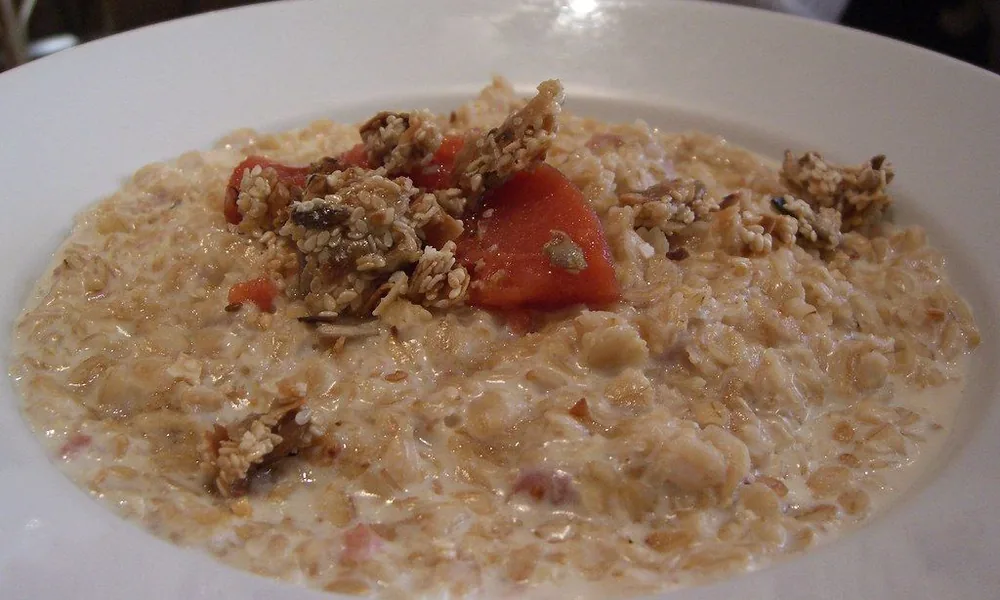
Oatmeal Worth Eating in 2026
Oatmeal is the breakfast most people get wrong by rushing it. They tip oats into a bowl, drown them in water, microwave for two minutes, and wonder why the result tastes like wallpaper paste. Good oatmeal is a different dish: creamy without being gluey, seasoned properly, and finished with toppings that add flavour and texture instead of just sweetness. The difference is rarely the oats themselves. It is the cooking, the liquid, and the last two minutes of attention.
This guide is about the cooked dish: how to make a bowl of oatmeal that actually tastes good, which style suits which morning, and how to build toppings that turn a plain bowl into something worth sitting down for.
Key takeaways
- Salt the cooking liquid, not the finished bowl: a pinch transforms oatmeal from bland to seasoned.
- Steel-cut oats make the chewiest bowl but need 25 to 30 minutes; rolled oats give the classic creamy bowl in under ten.
- Use a one-to-two ratio of oats to liquid for rolled oats, and rest the bowl for two minutes off the heat before eating.
- Toppings should add contrast: crunchy, fresh, and sweet or salty — not three kinds of sugar.
- Instant oatmeal works as a fast bowl, but it goes soft and gluey quickly, so eat it straight away.
What makes a good bowl of oatmeal
A good bowl of oatmeal has three qualities, and you can judge all of them in the first spoonful. The texture should be creamy but not gluey, with the oats still distinct enough to chew. The flavour should be warm and nutty, seasoned with salt, not flat or starchy. And the temperature should be hot all the way through, not lukewarm at the edges with a scalding centre.
Texture is mostly a matter of water and time. Too much liquid makes a thin, soupy bowl; too little makes a stiff, dry one. Stir once or twice while the oats cook and you get a creamy, even bowl. Stir constantly and the oats release too much starch, turning the whole thing into paste.
Salt is the single biggest improvement most people can make. Oatmeal cooked without salt tastes flat no matter what you put on top. A pinch of salt in the cooking liquid seasons the oats themselves, the way salted water seasons pasta. You will not taste salt in the finished bowl; you will taste the oats more.
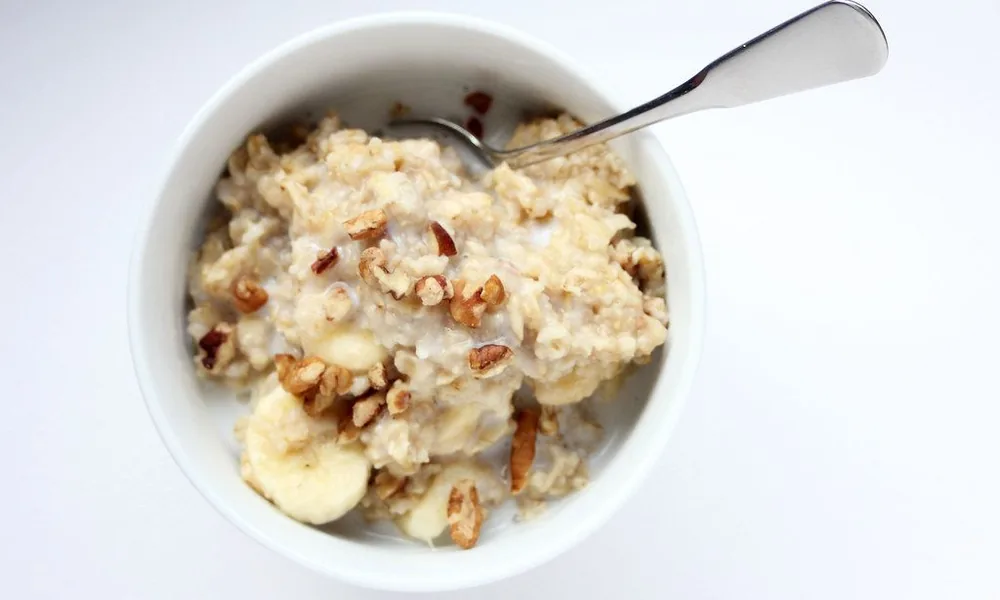
The three bowls: steel-cut, rolled and instant
Steel-cut, rolled and instant oats all become oatmeal, but they become very different bowls. Choosing between them is really choosing how much time you have and what texture you want to eat.
Steel-cut oatmeal is the slowest and the most rewarding bowl. The oats stay in distinct, chewy pieces with a nutty flavour that survives milk and toppings. It takes 25 to 30 minutes on the hob, which makes it a weekend bowl for most people, although soaking the oats overnight cuts the cooking time to about ten minutes. It also takes savoury toppings better than any other style, because the chew stands up to a fried egg or sautéed mushrooms.
Rolled-oat oatmeal is the classic bowl: soft, creamy, and ready in five to ten minutes. The oats break down just enough to thicken the liquid into a porridge that coats the spoon. It is the best all-rounder for toppings, because its mild flavour and soft texture let fruit, nuts and honey do the talking.
Instant oatmeal is the fast bowl, ready in about a minute with hot water. The oats are pre-cooked and cut fine, so they absorb liquid almost immediately and go very soft. Eaten straight away it is perfectly pleasant, especially with a knob of butter or a spoonful of jam stirred through. Left for five minutes it turns gluey, so this is a bowl to make and eat in one go.
| Bowl style | Cooking time | Texture in the bowl | Best for |
|---|---|---|---|
| Steel-cut | 25 to 30 minutes | Chewy, nutty, distinct grains | Slow mornings, savoury bowls |
| Rolled | 5 to 10 minutes | Soft, creamy, classic porridge | Everyday bowls, all toppings |
| Instant | About 1 minute | Very soft, smooth, quick to go gluey | Rushed mornings, eat immediately |
Cooking oatmeal well
The method is simple, but the details decide the result. Start with the ratio: one part oats to two parts liquid for rolled oats, one to three for steel-cut. Water gives the cleanest oat flavour; half milk and half water gives a richer, creamier bowl without catching on the bottom of the pan.
Bring the liquid to a simmer first, then stir in the oats and the salt. Keep the heat low once the oats are in: a hard boil makes the oats cook unevenly, while a gentle simmer lets them absorb the liquid at their own pace. For rolled oats that means five to ten minutes, stirring twice. For steel-cut, twenty-five to thirty minutes with a lid half on, stirring every few minutes so the bottom does not stick.
The step most people skip is the rest. Take the pan off the heat, put the lid on, and leave the oatmeal alone for two minutes. The oats finish absorbing the liquid, the temperature evens out, and the bowl thickens slightly to the texture it will actually be eaten at. Stir once before serving, and add a splash of cold milk if the bowl has gone thicker than you like.
For mornings with no time at all, the overnight method works with rolled oats: oats and milk in a jar in the fridge, ready cold in the morning or warmed for two minutes. If you are weighing up the wider breakfast table, our guide to the best and worst breakfasts of 2026 puts oatmeal in context against the other usual choices.
Toppings that actually work
Toppings are where a plain bowl becomes a good one, and the rule is contrast. A topping should add something the oats do not already have: crunch, freshness, salt, or sharpness. Three sweet toppings make a bowl one-note; one sweet, one crunchy and one fresh make it interesting.
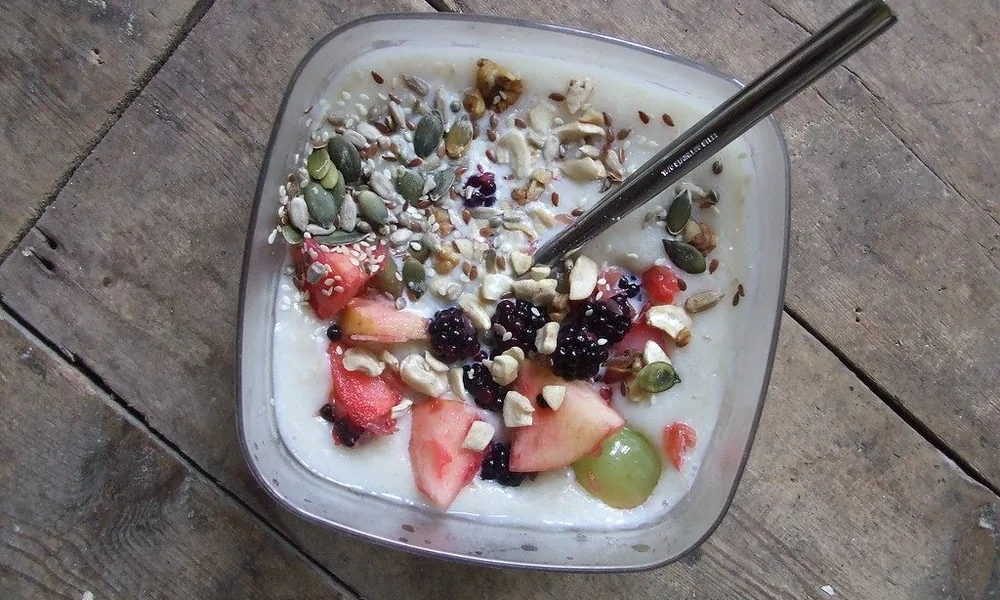
For crunch, toasted nuts and seeds are the best choice. Walnuts, pecans, almonds and pumpkin seeds all hold their crunch in hot oatmeal, while a spoonful of granola adds crunch plus sweetness in one move. Our guide to granola that is actually healthy in 2026 is worth a read before you buy a bag, because many granolas are mostly sugar. Toast the nuts in a dry pan for two minutes first; the flavour deepens dramatically.
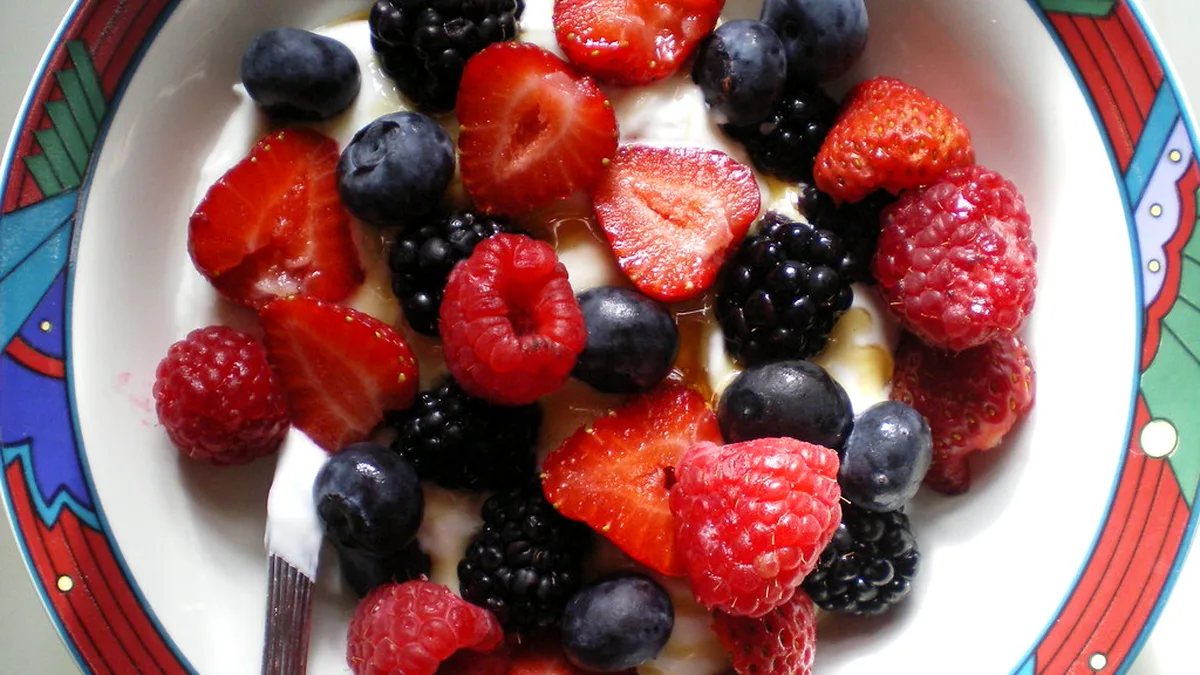
For freshness, fruit does the heavy lifting. Sliced banana softens into the hot oats and adds sweetness without sugar. Berries bring sharpness and colour, and they hold up better than softer fruit because they do not collapse into the bowl. Sliced apple or pear adds crunch if you put it on at the last minute.
For flavour, a spoonful of nut butter, a drizzle of honey or maple syrup, or a knob of salted butter stirred through the hot oats all work. Cinnamon, nutmeg and vanilla are the classic spices, and a little goes a long way: half a teaspoon of cinnamon is plenty for one bowl.
Sweet bowls and savoury bowls
Most oatmeal is sweet, but savoury oatmeal is the version that surprises people. The oats themselves are neutral, like rice or polenta, so they take savoury flavours just as happily. A steel-cut bowl with a fried egg, sautéed mushrooms and a grating of parmesan eats like a proper meal, not a breakfast compromise. A rolled-oat bowl with a soft-boiled egg, spring onions and a splash of soy sauce is quick and filling. The key is salt and fat: savoury oatmeal needs both. Sweet bowls suit the mornings when you want comfort and speed — banana and peanut butter, apple and cinnamon, berries and honey — while savoury bowls suit the mornings when you want to stay full until lunch.
The weekday oatmeal routine
Oatmeal earns its place in a weekday routine because it is fast, cheap and repeatable without becoming boring, as long as you vary the toppings rather than the method. The simplest routine is a batch of rolled oats cooked on Sunday or Monday, portioned into containers, and reheated with a splash of milk each morning.
Steel-cut oats suit a different routine: a big pot on Sunday, eaten across the week. They reheat better than rolled oats because their texture holds, and a spoonful of water or milk brings a portion back to life in two minutes. Cooked steel-cut oats also freeze well in portions.
The overnight jar is the third routine, for mornings when even five minutes is too much. Rolled oats, milk, yoghurt and a pinch of salt in a jar the night before; in the morning, add fruit and nuts and eat it cold, or warm it for two minutes. If your mornings lean towards cereal instead, our guide to the cereals worth eating in 2026 covers the boxes that compete with oatmeal for the same bowl and spoon.
Checklist: a better bowl every time
- Salt the cooking liquid before the oats go in, not the finished bowl.
- Use one part oats to two parts liquid for rolled oats, and one to three for steel-cut.
- Cook on a low simmer and stir only two or three times.
- Rest the pan, lid on, for two minutes off the heat before serving.
- Top with contrast: one crunchy, one fresh, one sweet or salty — no more than four toppings.
- Toast nuts and seeds in a dry pan first; two minutes doubles their flavour.
Frequently asked questions
Why does my oatmeal always turn out gluey?
Gluey oatmeal usually means too much stirring, too little liquid, or instant oats left sitting. Stir only two or three times while the oats cook, use the full two parts of liquid per part of rolled oats, and eat instant oatmeal straight away.
Is oatmeal better with water or milk?
Water gives a cleaner oat flavour and a lighter bowl; milk gives richness and a creamier texture. Half milk and half water is the best compromise for most people. Plant milks work too, though oat milk makes the bowl sweeter and almond milk makes it thinner.
Can I make oatmeal the night before?
Yes, two ways. Overnight oats are rolled oats soaked in milk in the fridge, ready to eat cold or warmed in the morning. Or cook a batch, refrigerate it in portions, and reheat each portion with a splash of milk. Cooked oatmeal keeps for three or four days in the fridge.
What is the best oatmeal for staying full?
Steel-cut oats keep you full the longest because they digest slowly, and a bowl with fruit and nuts rather than sugar and syrup is the more filling choice. The toppings decide the calories more than the oats do.
Is savoury oatmeal actually nice?
Yes, and it surprises most people who try it. Oats are neutral, like rice, so a bowl with a fried egg, mushrooms and parmesan, or a soft egg with spring onions and soy sauce, eats like a proper meal. Use steel-cut oats if you can, because their chew holds up better under savoury toppings.
How do I stop oatmeal sticking to the pan?
Keep the heat low, stir two or three times while it cooks, and do not leave the pan on the heat after the oats are done. Soaking the pan in hot water straight after serving stops the residue setting hard.
The bottom line
Oatmeal worth eating comes down to a few small habits: salt the liquid, respect the ratio, cook it low and slow, rest it for two minutes, and top it with contrast instead of sugar. Steel-cut oats make the best bowl when you have half an hour, rolled oats when you have ten minutes, and instant oats when you have one. Pick the style that fits your morning, and the plainest breakfast in the cupboard becomes one worth sitting down for.