A First-Timer’s Guide to Discovery’s Best Museums 2026
A first-timer’s guide to Discovery’s best museums in 2026 starts with a surprise: the best museum visiting near Discovery Ski Area is not in a big city, and it is not a single grand building. It is a scatter of small, honest places around Philipsburg, Montana, a former silver-mining town. Between the county history museum, the mining displays, the mineral galleries, a ghost town and the historic streets themselves, a first-timer can spend two unhurried days learning how a remote mountain valley was settled, mined, abandoned and reinvented. This guide ranks the best of them for a first visit.
Key takeaways
- Discovery’s best museums are small and local: mining history, minerals, ghost towns and the town itself, not big-city blockbusters.
- Start with the county history museum to get the story, then let the ghost town and minerals fill it in.
- Garnet Ghost Town is the single most memorable stop, so give it a full morning and a full tank of fuel.
- Most small museums keep short or seasonal hours, so check opening times the day before you go.
- Pair the museums with a slow walk down Broadway, an open-air exhibit of its own.
How Discovery’s best museums were chosen
Every stop below was scored on five measures that matter most to a first-time visitor. Story comes first: does the place explain how Philipsburg and the surrounding valley actually happened, from the silver strike to the ski area, rather than showing a random pile of old objects? Authenticity is second, judged on whether the buildings, tools and photographs are the real things, in the real place, rather than replicas. Ease for a first-timer is third, because a small museum should welcome a newcomer, with clear labels and a friendly volunteer. Atmosphere is fourth: the best small museums have a smell of old timber, a creaking floor and a view of the mountains that no city gallery can match. Value is fifth, because most of these stops cost very little. The small places work together like chapters of one story. The same logic applies at other Rockies resorts, in our guides to the best museums near Bogus Basin for first-time visitors and the best museums in Jackson Hole for first-time visitors, where small local collections matter just as much.
Comparison table: Discovery’s best museums for first-time visitors 2026
| Rank | Museum experience | Best for | Allow |
|---|---|---|---|
| 1 | Garnet Ghost Town | First-timers, photographers | Half a day |
| 2 | County history museum | The full valley story | 1–2 hours |
| 3 | Mining heritage displays | Tools and the silver story | 1 hour |
| 4 | Mineral and sapphire galleries | Crystals and geology | 1 hour |
| 5 | Historic Broadway walk | Architecture, street life | 1–2 hours |
| 6 | Pioneer and ranching collections | Settler life | 45 minutes |
| 7 | Small-town art galleries | Local artists, photos | 45 minutes |
Discovery’s best museums for first-time visitors
1. Garnet Ghost Town: the best first stop in the valley
Garnet is the single best museum experience near Discovery, and it is not a museum in the ordinary sense at all. It is a whole town, abandoned when the gold ran out, standing in the mountains north of the valley with its cabins, its hotel, its school and its shops still upright under the pines. Walking through it is the fastest way a first-timer can understand the mining era, because the history is not behind glass: it is the sagging porch, the rusted stove, the school desks and the view down the street exactly as the miners saw it. Go in the morning, when the light is low and the place is quiet, and give it at least two hours. The gravel road in needs checking, water, fuel and proper shoes. In winter it can be impassable, so check access first.
2. The county history museum in Philipsburg: start here for the story
The county history museum in Philipsburg is the best place to start, because it puts the whole valley in order before you go looking at it. The rooms walk a first-timer through the silver strike of the 1860s, the boom years, the slow decline as the mines closed, and the reinvention as a ranching, sapphire and ski town. The exhibits are the real things, gathered locally: mining tools, assay equipment, household objects, schoolbooks, wedding dresses and photographs of streets still standing outside the door. The volunteers know the families in the photographs and will tell you which Broadway building was the bank and which was the saloon. Allow an hour or two, ask questions, and leave a donation.

3. Mining heritage displays: tools, tunnels and the silver story
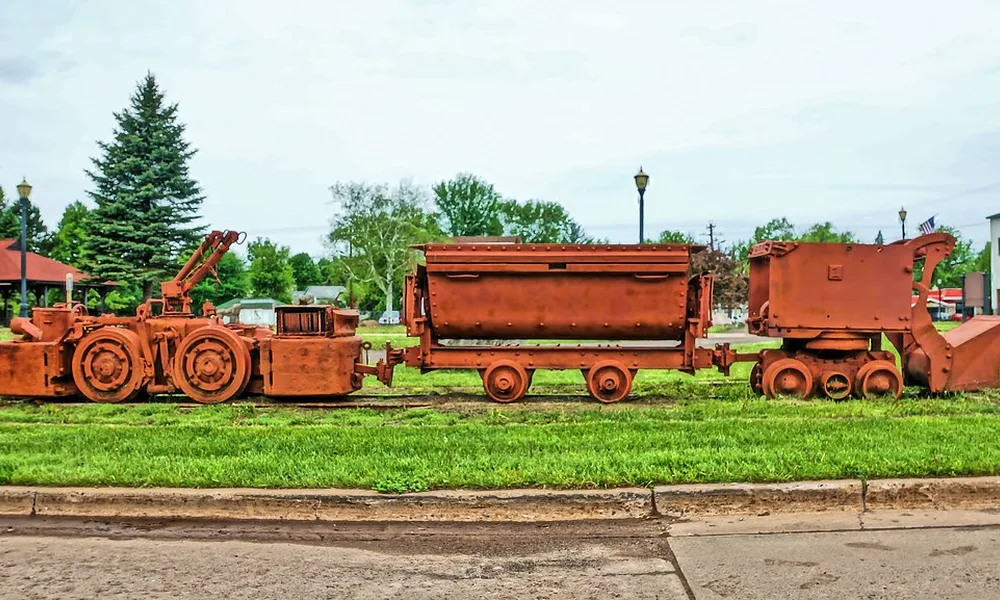
Philipsburg exists because of silver, and the mining heritage displays around the valley are the best way to understand what that meant. The displays gather the heavy evidence of the industry: ore carts, drills, lamps, timbering, assay scales and rusted machinery. A first-timer who has never been underground can stand next to a drill steel taller than they are and finally grasp the scale of the work, and the photographs of the mines in full production explain why the town grew so fast and why it emptied so completely when the price of silver fell. The best displays are the outdoor ones, where the big equipment stands on the grass and children can walk around it, but the indoor cases, with ore samples and maps of old claims, matter too.
4. Mineral and sapphire galleries: the valley’s glittering secret
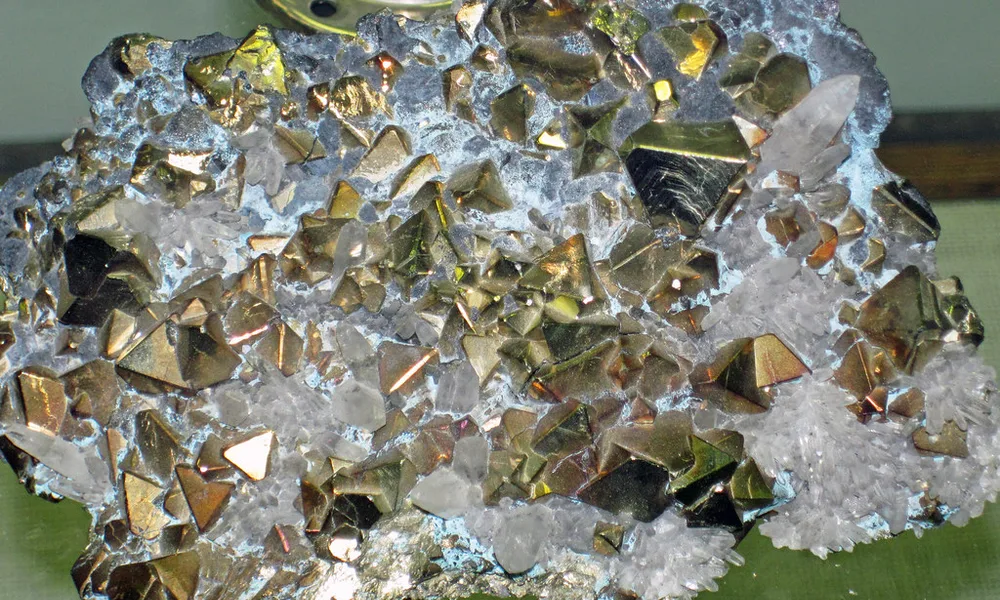
Most first-timers arrive at Discovery knowing about the skiing and leave talking about the sapphires. The valley’s mines produced some of the finest sapphires in North America, and the mineral galleries in and around Philipsburg show them off beautifully, alongside quartz, pyrite, garnets and the other stones the miners pulled from the same ground. A good gallery does two things at once: it shows the stones as nature made them, rough and strange, and as the cutters finished them, bright and precise, so you can see the whole journey from the hillside to the ring. Some let you try gravel washing, a fine hour with children. Allow an hour, and do not rush the cases of rough stone; the uncut crystals are often more beautiful than the finished gems.
5. Historic Broadway walking tour: the town as an open-air museum
Broadway, the main street of Philipsburg, is a museum you walk through for free, and for a first-timer it is the best way to put the indoor exhibits into place. The street is lined with brick and timber storefronts from the boom years, many of them restored, some pleasantly worn, and almost all still in use as shops, cafes and galleries. A slow walk with your eyes up will show you the dates carved into the cornices, the ghost signs painted on the brick, the old bank with its heavy stone front and the opera house that once hosted travelling shows. Stop at the candy shop and the small galleries: the town is not a museum piece but a living place that kept its history. The walk takes an hour or two, and late afternoon light turns the mountains gold.
6. Pioneer and ranching collections: the everyday life behind the boom
The boom gets the headlines, but the pioneer and ranching collections tell the quieter story of the people who stayed when the mines closed. These small displays, often a room or two inside a larger museum, gather the everyday objects of valley life: butter churns and branding irons, quilts and school slates, ranch ledgers and wedding photographs, the tools of haying and calving and mending. They are not glamorous, and that is the point. A first-timer who has just seen the silver and the sapphires needs this counterweight to understand the valley properly: most people here were not millionaires, they were ranchers and shopkeepers and teachers, and their persistence is what kept the town alive long enough to become a ski town. One well-told object teaches more than a room full of labels, so allow forty-five minutes.
7. Small-town art and photo galleries: local eyes on the valley
The last stop is the most personal: the small art and photography galleries of Philipsburg, where local artists show the valley as they see it. The work is uneven, as local work always is, but the best of it is genuinely good, landscapes of the Pintlers in winter light, photographs of the ghost town in snow, prints of the old mines, and it is worth an hour of a first-timer’s time precisely because it is not a tourist product. They also hold old photographs of the ski area’s early days and the mines before they closed, worth a patient hour. The gallery owners are usually the artists themselves, happy to talk, and happy to point you to the viewpoint behind the painting you like. Buy a print if one speaks to you; it is the most honest souvenir in the valley.
What to avoid on a first museum visit near Discovery
The most common first-timer mistake near Discovery is trying to see everything in one rushed afternoon. The museums are small, but they are spread out, the roads are mountain roads, and the ghost town alone deserves half a day. Avoid the trap by planning two easy days: the history museum and Broadway on the first, Garnet and the mining displays on the second, with the galleries fitted in around meals. Check opening hours the day before, because small museums keep short or seasonal hours, and a winter visit without a phone call can end at a locked door. The same planning works elsewhere: our guide to the best museums near Shanty Creek for first-time visitors makes the same point about hours and distances.
Checklist: a first museum visit near Discovery
- Start at the county history museum to learn the valley’s story first.
- Check opening hours the day before, and phone ahead in winter.
- Give Garnet a full morning, with fuel, water, proper shoes and a camera.
- Walk Broadway with a museum guide, and look up at the cornices and ghost signs.
- Carry cash or small bills for admission and donations, since small museums do not always take cards.
- Leave time for the galleries and shops, and buy a print instead of a generic souvenir.
Frequently asked questions
What is the best museum near Discovery for a first-time visitor?
Garnet Ghost Town is the most memorable, but start at the county history museum in Philipsburg. It explains the silver boom, the decline and the reinvention.
How long should I allow for Garnet Ghost Town?
Allow half a day, including the drive. The gravel road takes time, and the town deserves two unhurried hours on foot.
Are the museums near Discovery open in winter?
Some are, with shorter hours; some close for the season. Phone ahead in winter, and keep the Broadway walk as a backup.
Can children enjoy the museums near Discovery?
Yes. The ghost town, the outdoor mining machinery and the sapphire gravel washing are all popular with children.
Is there an entrance fee for the museums near Discovery?
Most charge little or nothing, and many run on donations. Carry small bills and leave a donation.
What else should I see in Philipsburg besides the museums?
Walk Broadway, visit the candy shop and galleries, and drive the valley roads for the views. The town itself is part of the experience.
Bottom line
Discovery’s best museums for first-time visitors are small, honest and spread across a beautiful valley: a ghost town that shows the mining era whole, a county museum that tells the story, mining displays and sapphire galleries that show what came out of the ground, a main street that is an exhibit in itself, and pioneer collections and local art that show the life behind the boom. Give them two unhurried days, check the hours, and carry fuel and water for the ghost town road.