The Worst Sports Stadiums of 2026: Seven Venue Types That Spoil the Day
The worst sports stadiums of 2026 are not the smallest grounds or the oldest ones. A small ground with a tight pitch, a loud crowd and a roof that keeps the rain off can be a wonderful afternoon, and a famous arena can still be miserable. The worst sports stadiums fail more simply: the building itself works against the sport, pushing you too far from the action, leaving you cold, wet or lost, or draining the atmosphere out of the crowd. This guide ranks the worst types of sports stadium in 2026, by venue type only.
Key takeaways
- A stadium is judged by the venue type, not by one bad seat or screen: distance, shelter, size and setting decide the day.
- The worst venue types push fans too far from the action, leave them exposed, or empty the atmosphere out of the crowd.
- Old does not mean bad and new does not mean good: a tight old ground can beat a vast new arena built for everything at once.
- Check the distance to the pitch, the roof, the transport links and the crowd size before you book.
- The worst stadiums are types and patterns, not places: the same seven types turn up in every sport and every city.
How the worst sports stadiums were chosen
Every type below was scored on five measures. Distance comes first: how far are the stands from the pitch, and can you follow the action without a screen? Shelter is second, judged on roofs, wind and rain, and whether the venue leaves you exposed when the weather turns. Atmosphere is third, because a ground that swallows noise and spreads a small crowd across a huge bowl feels empty no matter how good the match is. Access is fourth, covering transport links, the walk from the station and whether there is anything around the ground at all. Size and fit are fifth: does the venue match the sport and the crowd it gets, or is it the wrong shape, the wrong scale, or built for another event?
Two notes before the list. First, no individual stadium is named here, because the same seven venue types turn up everywhere, and what matters is learning to recognise the pattern before you give up your day. Second, this is about the venue type itself, the shape and setting of the building, not the features inside it, and our guides to the worst stadium seats and the worst stadium tours cover the seat and the guided walk that fail in their own ways.
Comparison table: the worst sports stadiums of 2026
| Rank | Venue type | Main failure | Worst moment |
|---|---|---|---|
| 1 | The Windswept Open Bowl | No roof, full wind and rain | Three hours in a gale with no cover |
| 2 | The Athletics-Track Ground | A running track between fans and play | Watching from another postcode |
| 3 | The Cramped Old Ground | Narrow concourses, tired concrete | Half time spent in a crush, not a queue |
| 4 | The Echoing Multi-Purpose Arena | Built for everything, good for nothing | A crowd that sounds like a whisper |
| 5 | The Out-of-Town Concrete Island | No transport, nothing around it | A day built around one bus an hour |
| 6 | The Half-Finished Ground | One stand missing, builders still in | Watching a match next to scaffolding |
| 7 | The Oversized Cavern | Far too big for the crowd it gets | Ten thousand fans lost in sixty thousand seats |
The worst sports stadiums of 2026
1. The Windswept Open Bowl: no roof, full wind and rain
The Windswept Open Bowl is the worst type of sports stadium, because the weather is part of the ticket and nobody warned you. The bowl is open to the sky, the stands are shallow, and the wind comes straight across the pitch into your face for the whole match. When it rains, there is nowhere to hide: the roof, if there is one, covers the top few rows and nothing else. You spend the match hunched inside your coat, watching the players through a curtain of water. This one leaves a crowd soaked, frozen and quietly furious.
2. The Athletics-Track Ground: a running track between fans and play
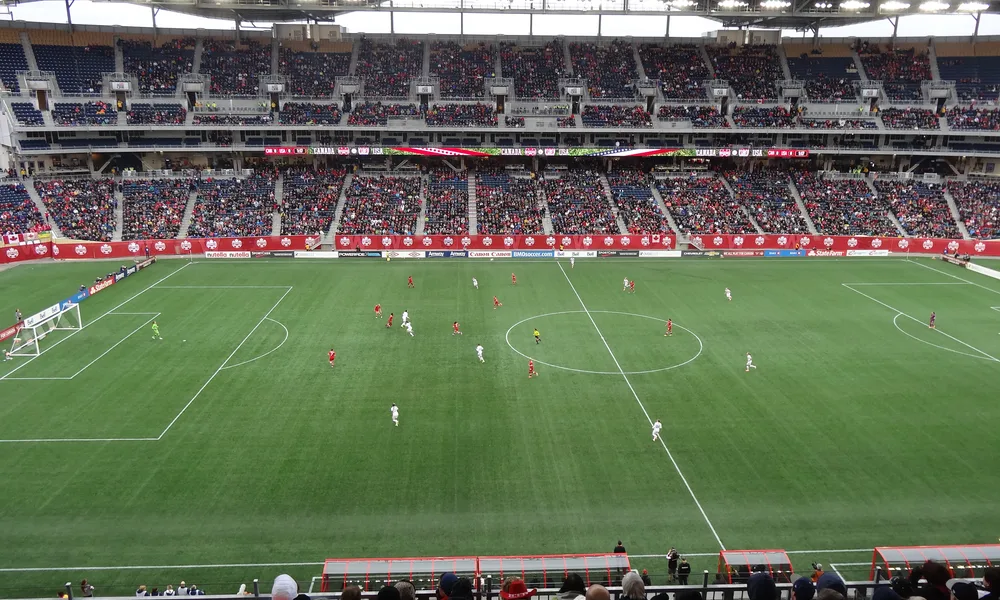
The Athletics-Track Ground was built for running, and it shows in every minute of a ball game played there. A full running track sits between the stands and the pitch, so the nearest fans are twenty metres from the touchline and the farthest are watching ants. You can see that something happened, but you cannot see what, and the roar from the far side arrives a second after the event. The players feel it too: they run out to a wall of empty track. A good ground puts the stands close to the action, so the crowd is part of the match. This one puts a racetrack in between.

3. The Cramped Old Ground: narrow concourses, tired concrete
The Cramped Old Ground has history, and it has very little else. The concourses are so narrow that half time becomes a slow shuffle past people queuing for food, toilets and the exit all at once, and the concrete underfoot is cracked and uneven. The stairways are steep and dark, and the walk to your seat feels like a climb through a building never meant to hold this many people. None of this is the fans’ fault, but love does not widen a corridor or fix a leaking roof. This one is tight in the wrong way: every step is a squeeze and every queue is a crush.
4. The Echoing Multi-Purpose Arena: built for everything, good for nothing
The Echoing Multi-Purpose Arena was designed to host concerts, conferences, exhibitions and sport, and it does none of them well. The stands are too far back for a match, too flat for a concert, and too shallow to hold any noise, so the crowd’s roar rises into the roof and dies there. The pitch sits in the middle of a vast floor built for lorries and stages, and the whole place feels like a painted warehouse. You can hear the shouts of the fans near you, but you cannot hear the crowd as a crowd, and that is what a stadium is for. This one is shaped around a diary.
5. The Out-of-Town Concrete Island: no transport, nothing around it
The Out-of-Town Concrete Island sits beside a motorway junction, surrounded by car parks, roundabouts and nothing else. There is no station within walking distance, the bus runs once an hour on matchdays if it runs at all, and there is nowhere to eat, drink or meet before the game except a lay-by and a petrol station. You drive, because there is no other way to get there, and then you sit in the traffic with everyone else who drove. The day becomes a journey with a match in the middle, instead of a match with a journey at either end. This one has concrete and tarmac.

6. The Half-Finished Ground: one stand missing, builders still in
The Half-Finished Ground is a stadium that is still becoming a stadium, and the fans are paying full price to watch it happen. One end is a building site: scaffolding, hoarding, cranes and a stand that exists on the plans but not in the ground. The facilities on that side are temporary, the toilets are portable, and the view from the nearest finished stand includes a fence, a digger and a stack of steel. The club says the new stand opens next season, and it has been next season for three years. A ground under repair is understandable for a few months, but one that stays half-finished has stopped being a project and started being a pattern. This one has a hole where a stand should be.
7. The Oversized Cavern: far too big for the crowd it gets
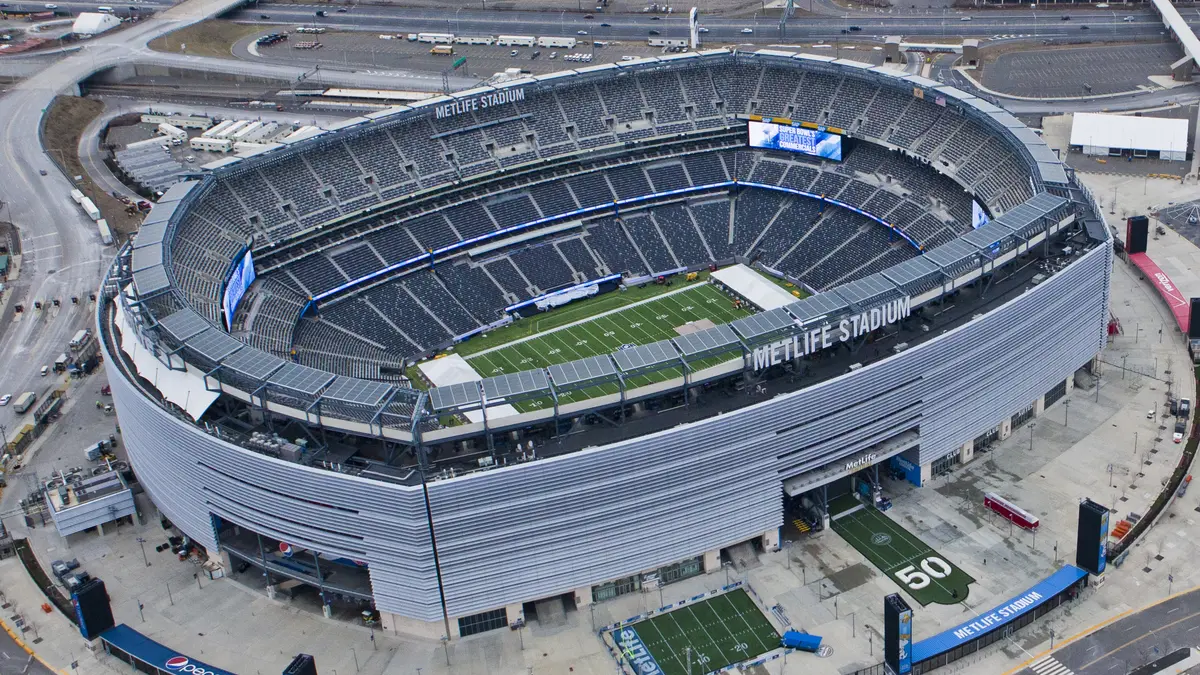
The Oversized Cavern was built for a crowd that never came, and every match since has been a reminder. Ten thousand fans sit scattered across sixty thousand seats, in a bowl so large that the far side is a blur and the noise of the crowd disappears into the empty rows. The players run out to a wall of vacant seats, the songs start in one corner and die before they reach the next, and the whole ground feels cold, even on a warm day. A full big ground is one of the great sights in sport. The problem is a big ground that is never full, because then the size is not a spectacle, it is a vacuum. This one is a cavern.
What to avoid when choosing a sports stadium
The most common stadium regret is not a bad ground but a wrong expectation: booking a seat in a vast bowl for a small crowd, or choosing a ground with no roof on a wet weekend, and discovering the problem only when you are already there. Avoid the trap by checking three things before you book: the distance from the stands to the pitch, not the capacity; the roof and the shelter, not the photographs taken on a sunny day; and the transport links and the crowd size, not the name on the gate. The same checks work for the rest of the day too, and our guide to the worst fan zones makes the same point, because the traps are the same everywhere.
Checklist: choosing a sports stadium
- Check the distance from the stands to the pitch, and look for a running track that pushes you away from the action.
- Confirm the roof cover and shelter, and check what the ground is like in wind and rain, not just sunshine.
- Compare the capacity with the usual crowd: a ground that is never full feels empty even on a good day.
- Check the transport links, the walk from the station, and what is around the ground before and after.
- Look at recent fan photos from the back rows, not just the club’s gallery from the front.
- Ask whether any stand is closed or under repair before you book.
Frequently asked questions
What makes a sports stadium bad if the team is good?
The building, not the team: distance from the pitch, exposure to the weather, a thin crowd, and no transport. A great team in a bad bowl is still a long way away in the rain.
Are old stadiums always worse than new ones?
No. A tight old ground with close stands and a loud crowd can beat a vast new arena that is too big and too quiet. Age is not the test; distance, shelter and atmosphere are.
Why are athletics-track grounds bad for ball games?
Because the track puts twenty metres or more between the fans and the play. You lose the detail, the sound arrives late, and the crowd feels detached.
How do I check a stadium before I book?
Look at a seating plan with distances, read recent fan reviews, and search for photos from the back rows in bad weather. The club’s photos are taken on sunny days from the best seats.
Is a big stadium always better for atmosphere?
Only when it is full. A big stadium with a small crowd feels empty and quiet, while a smaller full ground feels loud and close. Atmosphere comes from a full stand, not a big one.
What should I do if my stadium has no roof?
Take waterproofs, dress for wind as well as rain, and arrive early enough to find sheltered seats. If the forecast is bad, the roof matters more than the view.
Bottom line
The worst sports stadiums of 2026 work against the match itself: the windswept bowl, the athletics-track ground, the cramped old ground, the echoing arena, the concrete island, the half-finished ground and the oversized cavern. Check the distance, the roof, the crowd and the journey before you book.


