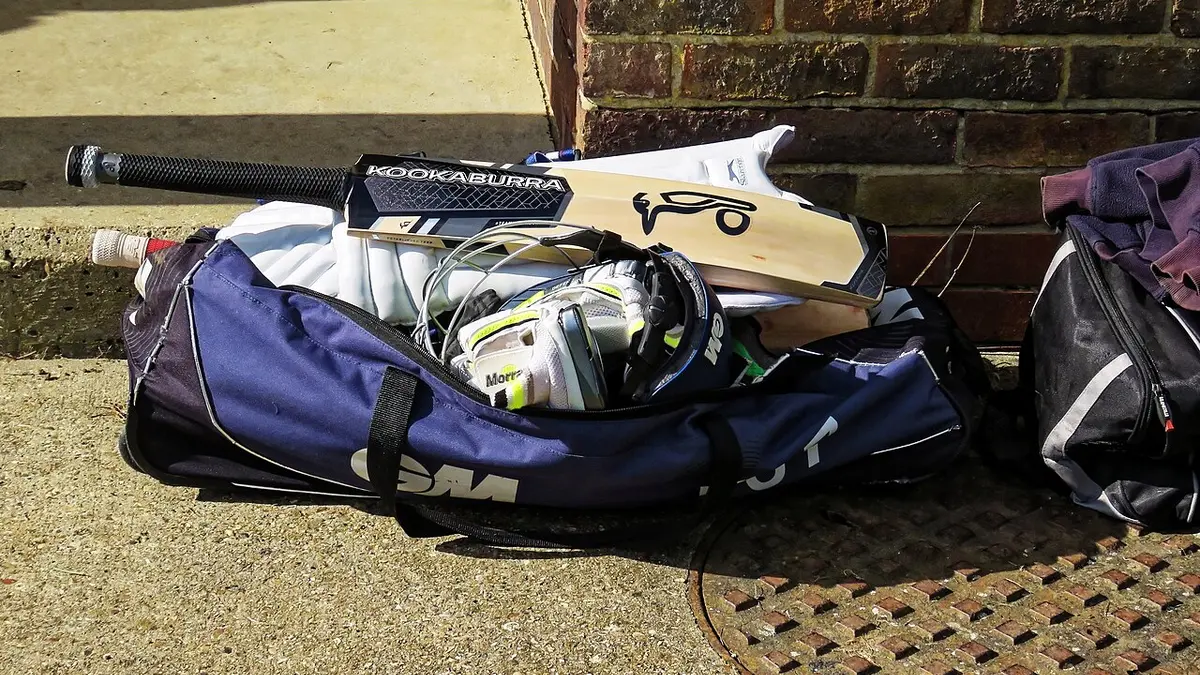
Worst Sports Bags 2026: Seven Kit and Fan Bags to Avoid
The worst sports bags of 2026 are not the ones in a colour you would never pick or with a design you do not like. The worst sports bags fail in much more basic ways: the zip bursts the first time you fill it, the fabric soaks through in light rain, the bag is too small for boots and kit together, or the strap digs into your shoulder before you reach the ground. This guide ranks the worst types, so you can spot a bad bag before you pay for it.
Key takeaways
- The worst sports bags are types and patterns, not teams: the same bad zips, bad fabric and bad straps show up in every sport.
- A bag that cannot hold your kit is useless at any price: check the size against your boots and your kit, not against the photo.
- Zips and straps fail first, so pull the zip and tug the strap in the shop before you buy, not after the first match.
- Thin fabric soaks through and tears, while a bag with no pockets turns into a jumble you have to empty to find anything.
- Buy a sports bag for size, strength and weatherproofing first, and treat the design as a bonus, not the reason to buy.
How the worst sports bags were chosen
Every type below was scored on five measures. Capacity comes first: does the bag hold boots, kit and a towel without bursting? Build quality is second, judged on the zips, the seams and the straps, which are the parts that fail first. Weatherproofing is third, covering how the bag handles rain, mud and a wet changing room without soaking through. Comfort is fourth, because a bag that digs into your shoulder or bounces against your back is miserable to carry. Value is fifth: does the price match what you get? No real team is named here, because the point is the pattern, not the club. Our guides to the worst sports jerseys of 2026 and the worst sports souvenirs of 2026 cover the types that let fans down in other parts of the kit.
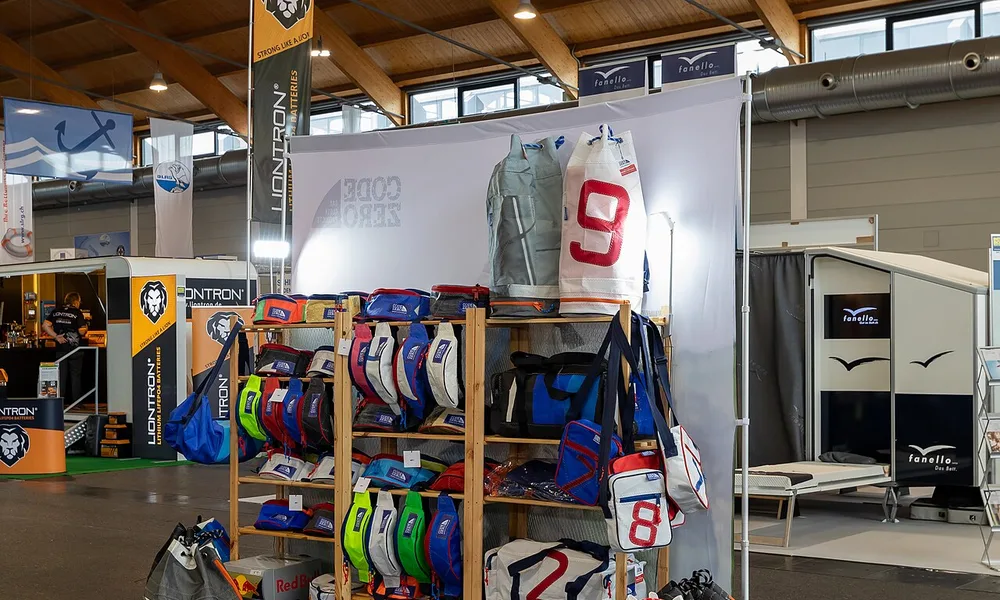
Comparison table: the worst sports bags of 2026
| Rank | Bag type | Main fault | What to do instead |
|---|---|---|---|
| 1 | The Bursting-Zip Duffel | Zip fails the first time it is full | Pick a chunky zip and test it full |
| 2 | The Soggy Canvas Holdall | Soaks through in light rain | Choose coated or waterproof fabric |
| 3 | The Tiny Kit Bag | Fits boots or kit, never both | Measure it against your real kit |
| 4 | The Sagging Shoulder Tote | No shape, strap digs in and slips | Pick a structured bag with padding |
| 5 | The Novelty Fan Bag | Thin straps, print peels, falls apart | Leave the joke bag in the shop |
| 6 | The One-Pocket Wonder | One space, everything jumbled | Choose separate wet and dry pockets |
| 7 | The Back-Breaker Backpack | No padding, weight pulls you over | Check the back panel and straps first |
The worst sports bags of 2026
1. The Bursting-Zip Duffel: the worst sports bag of all
The bursting-zip duffel is the worst sports bag you can buy, and it is not close. It looks generous in the shop, and it feels roomy when it is empty, but the zip is a thin coil sewn into a tight curve, and it cannot cope with a full bag. The first time you pack boots, kit and a towel and pull the zip shut, it sticks, then it splits, and then the teeth separate behind the slider. A good duffel has a chunky zip with wide tape, while this one has a fine zip chosen to save money. Test before you buy by filling the bag in the shop and running the zip back and forth twice: if it catches or gaps, walk away.
2. The Soggy Canvas Holdall: wet kit, every time it rains
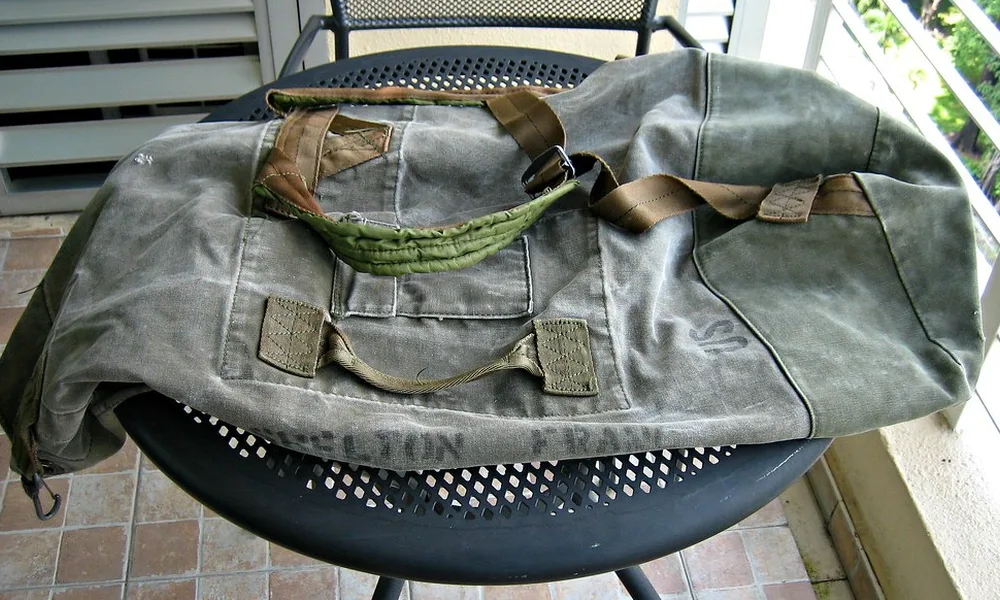
The soggy canvas holdall looks like the honest choice: heavy cotton canvas, leather handles, no fuss. The trouble is that untreated canvas drinks water. In light rain the outside darkens and the damp creeps through to your kit; in heavy rain the bag is soaked in minutes, and everything inside is damp by the time you reach the ground. A good sports bag uses coated fabric or a waterproof lining, and it dries quickly, while this one turns a shower into a laundry day. Check the fabric before you buy by flicking a little water on it: if it soaks in at once instead of beading, leave it on the shelf.
3. The Tiny Kit Bag: too small for the job
The tiny kit bag is the bag that looked big enough in the photo and is not big enough in real life. It holds your boots, or it holds your kit, but it never holds both, so you end up carrying a second bag, or stuffing things in until the seams strain and the zip will not close. A kit bag needs room for boots, kit, a towel and a water bottle, with a little space left over, and this one has room for two of those at most. Measure before you buy by taking your boots to the shop, or by checking the real internal size in litres, not the outside measurements. If the bag cannot fit your kit on the first try, it never will.
4. The Sagging Shoulder Tote: no shape, no support
The sagging shoulder tote is a bag with no structure at all. It is a flat piece of thin fabric with a single strap, and the moment you put anything in it, it sags into a shapeless lump that hangs against your hip and swings as you walk. The strap is narrow and unpadded, so it digs into your shoulder, slips off every few steps, and leaves a red mark by the time you reach the ground. A good sports bag holds its shape, spreads the weight and keeps the strap where it belongs. Pick the bag up by the strap in the shop and load it with something heavy: if it folds in half and the strap cuts into your hand, it will do the same to your shoulder.
5. The Novelty Fan Bag: a joke that falls apart
The novelty fan bag is fun for exactly one matchday. The print is loud, the slogan lands, and everyone in the stand laughs. Then the thin straps start to fray, the print cracks and peels, and the cheap stitching gives way at the corners. By the third outing the bag is a sad, floppy thing with a broken strap, and the joke is gone, leaving you carrying your kit in a carrier bag. A good fan bag earns its place by lasting a season, and a print cannot cover for a bag that cannot carry anything. If you want a fun bag, buy a well-made one in your colours instead, and skip the slogan entirely.
6. The One-Pocket Wonder: one space for everything
The one-pocket wonder is a bag with a single empty space and nothing else. Boots, kit, towel, keys, phone and lunch all go into the same compartment, so everything ends up in a jumble at the bottom. Your clean kit picks up mud from your boots, your phone ends up under a wet towel, and finding your keys means emptying the whole bag on the pavement. A good sports bag has at least two pockets: a separate space for boots or wet kit, and a small zipped pocket for keys and a phone. Open the bag in the shop and look inside: if there is no pocket at all, and no separate wet space, walk away.
7. The Back-Breaker Backpack: heavy, hard and wrong
The back-breaker backpack looks like a sports bag and carries like a sack of bricks. It has no padded back panel, no chest strap and no shaped shoulder straps, so the whole weight hangs from two thin straps that cut into your shoulders, and the bag bounces against your back with every step. Load it with boots and kit and it pulls you backwards, which is how you end up with sore shoulders and a sore back after a short walk to the ground. Check the back panel and the straps before you buy by loading the bag and walking around the shop: if it pulls, bounces or digs in within a minute, it will only get worse on the way home.
What to avoid when buying a sports bag
The most common mistake is buying on the design instead of the size. A bright print or a clever slogan is the first thing you see, and it is the last thing that matters once your kit is inside. The other mistake is ignoring the zip, which is the part that fails first and the hardest to fix. Avoid all three by testing the bag properly: fill it with your real kit, run the zip twice, and carry it around the shop. The same check-first habit works across the rest of the kit, and our guide to the worst sports flags of 2026 makes the same point about thin fabric and weak finishes, because the traps are the same everywhere.
Checklist: buying a sports bag that lasts
- Pack your real kit in the shop: boots, kit, towel and bottle should all fit with room to spare.
- Run the zip back and forth twice while the bag is full: it should glide, not catch or gap.
- Flick water on the fabric: it should bead and roll off, not soak straight in.
- Look inside for a separate wet pocket and a small zipped pocket for keys and a phone.
- Carry the loaded bag around the shop: the straps should be padded and the weight should sit evenly.
- Check the stitching at the corners and the strap joins: loose threads there mean the bag will fail first.
Frequently asked questions
What makes a sports bag bad?
A bad sports bag fails at the basics: the zip bursts, the fabric soaks through, it is too small for your kit, or the straps hurt to carry. Design never makes up for a weak zip, thin fabric or the wrong size.
How big should a sports kit bag be?
Big enough for boots, kit, a towel and a water bottle, with a little space left over. Measure it against your real kit, not the photo, and check the internal size in litres.
Are canvas sports bags waterproof?
Only if the canvas is coated or lined. Untreated canvas soaks through in rain, so check for a coating by flicking water on the fabric before you buy.
What is the most important part of a sports bag?
The zip, because it fails first and is the hardest to fix. A chunky zip with wide tape and a reinforced end is worth more than any print or pocket.
Should a sports bag have separate pockets?
Yes. At least one separate space for boots or wet kit, and a small zipped pocket for keys and a phone, so clean kit stays clean and small things stay findable.
Are novelty fan bags worth buying?
Only if the bag underneath is well made. A loud print on thin fabric with weak straps is a bad buy: check the size, the zip and the stitching first, and treat the print as a bonus.
Bottom line
The worst sports bags of 2026 are the ones that fail at the basics: the bursting-zip duffel, the soggy canvas holdall, the tiny kit bag, the sagging shoulder tote, the novelty fan bag, the one-pocket wonder and the back-breaker backpack. Buy for size, strength and weatherproofing first, and the bag will carry your kit instead of ruining the matchday.


