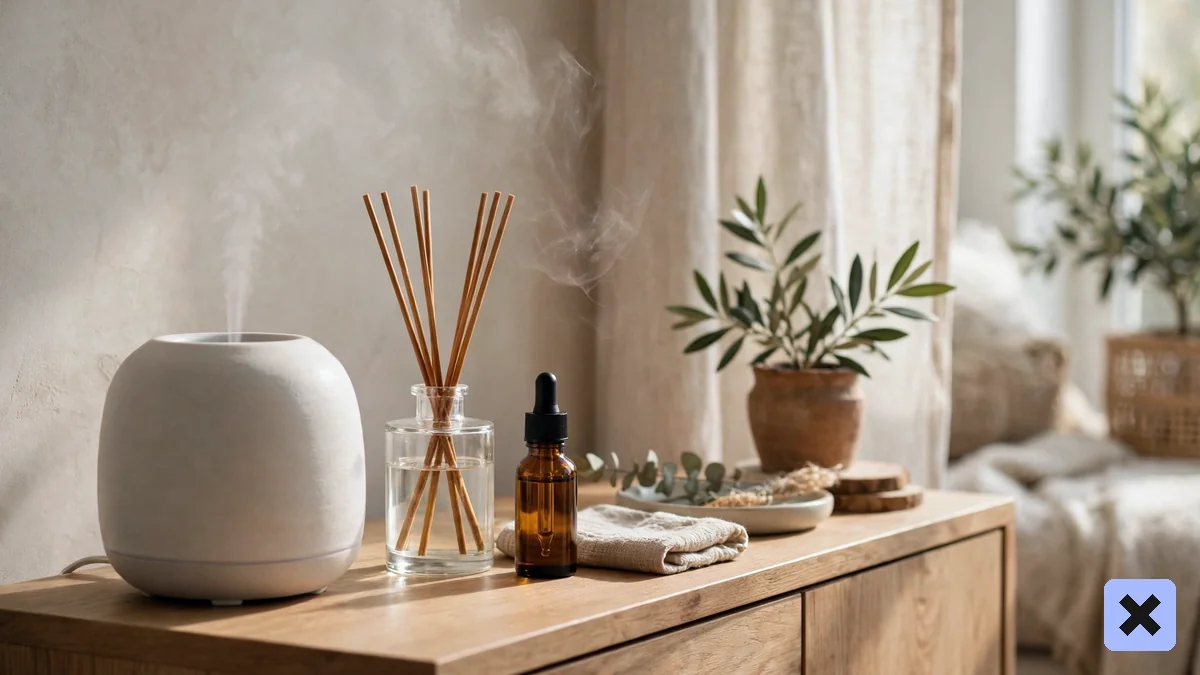
The best essential oils in 2026 are small bottles with outsized jobs: a few drops can calm a restless evening, freshen a stuffy room, or turn a plain bath into a proper wind-down ritual. But they are also one of the most misunderstood products on the shelf. They are highly concentrated plant extracts, not gentle flower water, and the difference between using them well and using them badly comes down to knowing which oil does what, how to dilute it, and when not to use it at all.
This guide to the best essential oils of 2026 sorts the genuinely useful oils from the hype: the oils people actually reach for again and again, the blends that work for sleep, focus, and freshening a home, and the safety rules that matter, especially around children, pets, and skin.
Key Takeaways
- Lavender, eucalyptus, peppermint, tea tree, and lemon are the five most useful starter oils, covering sleep, breathing, focus, skin, and cleaning.
- Always dilute essential oils in a carrier oil before putting them on skin; undiluted oils can irritate even healthy skin.
- A diffuser needs only three to five drops per session, and diffusing for thirty to sixty minutes is enough for most rooms.
- Buy 100 percent pure essential oil in dark glass bottles, and avoid anything labelled fragrance oil, which is synthetic.
- Keep essential oils away from babies, young children, and pets unless a specific oil is known to be safe for them.
How to Choose the Best Essential Oils
Start with the job, not the bottle. If you want better sleep, lavender and cedarwood are the reliable choices. If you want a clearer head in the morning, peppermint and rosemary are the ones to reach for. If your home smells stale, lemon and eucalyptus freshen a room fast. Picking oils by the job keeps your collection small and useful, instead of a shelf of bottles you never open.
Quality matters more here than with almost any other home product, because a bottle is almost pure plant extract. Look for the botanical name on the label, such as Lavandula angustifolia for true lavender, and a country of origin. A good oil comes in a dark glass bottle and lists a single ingredient: the oil itself. If the label says fragrance oil or perfume oil, it is not a pure essential oil.
What to Look For Before You Buy
Price is a useful signal: real rose oil costs far more than real lavender oil, because it takes far more flowers to make, so a suspiciously cheap bottle of rose or sandalwood is almost certainly diluted or synthetic. A starter set of five common oils is usually the best value for a beginner. Citrus oils keep for about a year, while woody oils keep for several years, so check the expiry date and store bottles upright, away from heat and sunlight.
The Best Essential Oils for Beginners
Five oils cover nearly every everyday use. If you buy nothing else, buy these, learn them properly, and add to the collection only when you have a specific job in mind.

Lavender: Best for Sleep and Calm
Lavender is the most researched and most forgiving essential oil, and the one to buy first. It is the classic choice for sleep: a few drops in a diffuser an hour before bed, or a diluted drop on the wrists, helps many people wind down. It is also useful for minor skin irritations when diluted. Choose true lavender, Lavandula angustifolia, rather than lavandin, which is sharper and more camphorous. Lavender also pairs well with a calm, candle-lit evening; our guide to the best scented candles for bedrooms in 2026 covers the other half of that wind-down ritual.
Eucalyptus: Best for Clear Breathing and Fresh Air
Eucalyptus has a sharp, clean scent that makes a room feel fresher within minutes. It works well in a diffuser, in a bowl of hot water for steam, and diluted in a chest rub, and a few drops in a spray bottle with water and vinegar cuts grease. It is not suitable for very young children.
Peppermint: Best for Focus and Energy
Peppermint is a wake-up oil. Diffuse it in the morning or during a long afternoon of work, and a diluted drop on the temples is a traditional remedy for a dull headache. It is strong, so two or three drops in a diffuser is plenty, and it should not be used undiluted on skin or around babies.
Tea Tree: Best for Skin and Cleaning
Tea tree is the workhorse of the essential oil shelf. It is the oil most often used for spots, small cuts, and irritated skin, always diluted in a carrier oil, and it is a natural antibacterial that earns its place in homemade cleaning sprays. A few drops in a diffuser also freshens a room without the sweetness of floral oils. Tea tree should never be swallowed, and it should be kept away from cats, for whom it is toxic.
Lemon: Best for Freshening and Cleaning
Lemon oil is bright, clean, and instantly freshening. It is the best oil for cutting cooking smells, freshening a fridge, and adding a lift to homemade cleaning sprays, and it blends well with almost every other oil. One caution: lemon oil makes skin more sensitive to sunlight, so never apply it to skin before going outside.
Essential Oil Blends That Actually Work
Blending is where essential oils become more than the sum of their parts, but it is also where beginners go wrong by mixing too many oils at once. A good blend has two or three oils, not six, and each one has a clear job. The blends below use only the starter oils above.
Best Blend for Sleep
Three drops of lavender, two drops of cedarwood, and one drop of sweet orange in a diffuser, run for an hour before bed. Use it as part of a regular evening routine, and the scent itself becomes a cue to wind down, much like a warm drink before bed; a gentle herbal tea can play the same role, and our guide to the best sleep teas in 2026 covers the ones that pair best with an early night.
Best Blend for Focus
Three drops of peppermint, two drops of rosemary, and one drop of lemon, diffused for thirty to sixty minutes while you work. Stop after an hour and open a window: continuous diffusing dulls your sense of smell and wastes oil.
How to Use a Diffuser Properly
A diffuser is the easiest way to use essential oils at home, and also the easiest way to waste them. Three to five drops in a full tank of water is enough for most rooms, and thirty to sixty minutes is enough for one session. After that, the room is scented, and continuing only uses more oil and dulls your nose to the scent.

Ultrasonic, Reed, and Nebulising Diffusers
Ultrasonic diffusers use water and vibration to make a cool mist, and they are the best choice for most homes: quiet, safe, and they add a little humidity to the room. Reed diffusers need no power and release scent slowly around the clock, which suits hallways and bathrooms, though the scent is gentler. Nebulising diffusers give the strongest scent, but they use oil faster and cost more. If you are deciding between scenting your home with oils or with candles, our candle versus diffuser comparison sets out the costs, the safety differences, and the rooms where each one wins.
Diffuser Mistakes to Avoid
Do not diffuse in a closed room with babies, small children, or pets, and always leave a door open so they can leave. Do not diffuse the same oil all day: rotate oils and take breaks. Clean the diffuser after every few uses, and never add carrier oil to it.
Essential Oils on Skin: Dilution and Safety
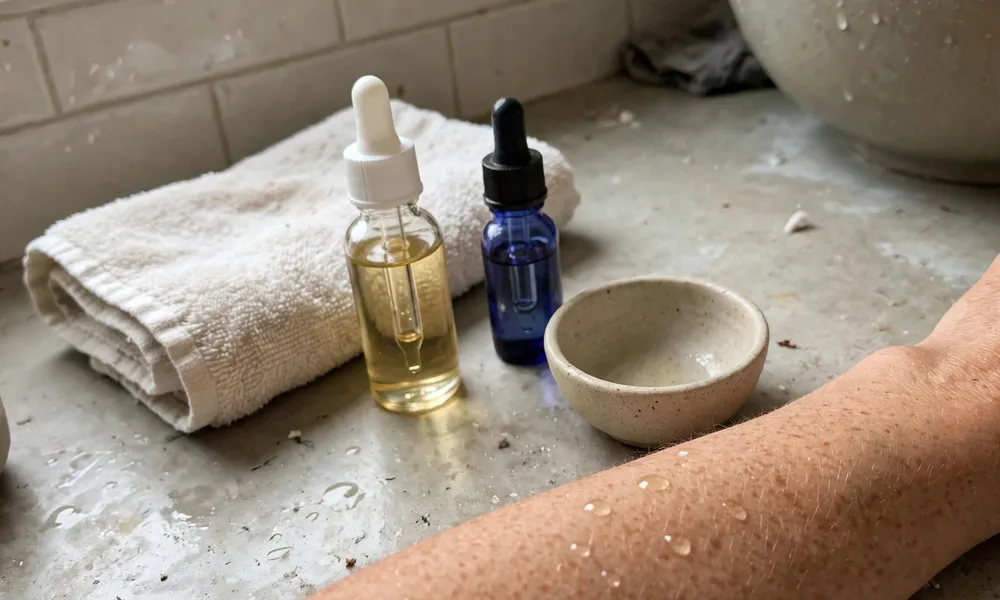
Essential oils are far too concentrated to use undiluted on skin: a few undiluted drops can irritate, sensitise, or even burn. Mix one or two drops into a teaspoon of carrier oil, such as sweet almond, jojoba, or fractionated coconut oil, for a safe blend for most adults. For the face, use even less, and always patch-test a new oil on the inside of your elbow first.
Safety Rules Worth Remembering
Some oils are not safe for everyone. Peppermint and eucalyptus should not be used around babies and very young children. Clary sage should be avoided during pregnancy. Citrus oils make skin sensitive to sunlight. Tea tree is toxic to cats, and many oils are unsafe for dogs and birds, so check before diffusing around pets. If you take medication or have a health condition, check with a pharmacist or doctor before using a new oil regularly.
Best Essential Oils 2026 Compared
| Essential Oil | Best For | Typical Use | Strength | Keep For |
|---|---|---|---|---|
| Lavender | Sleep and calm | Diffuser, diluted on skin | Gentle | 2–3 years |
| Eucalyptus | Clear breathing, fresh air | Diffuser, steam, cleaning | Strong | 2–3 years |
| Peppermint | Focus and energy | Diffuser, diluted on temples | Very strong | 2–3 years |
| Tea tree | Skin and cleaning | Diluted on skin, sprays | Strong | 2–3 years |
| Lemon | Freshening and cleaning | Diffuser, cleaning sprays | Moderate | About 1 year |
| Cedarwood | Sleep blends, woody warmth | Diffuser, diluted on skin | Moderate | 3–4 years |
Essential Oil Buying Checklist
- Buy 100 percent pure essential oil, with the botanical name and country of origin on the label.
- Start with five oils: lavender, eucalyptus, peppermint, tea tree, and lemon.
- Choose dark glass bottles, and avoid anything labelled fragrance oil.
- Always dilute in a carrier oil before putting essential oil on skin.
- Diffuse for thirty to sixty minutes per session, with three to five drops, and take breaks.
- Check safety guidance before using oils around children, pets, or during pregnancy.
Frequently Asked Questions
What is the best essential oil for sleep?
Lavender is the best essential oil for sleep, because it is the most studied and the most widely tolerated. Diffuse three to five drops for an hour before bed, or apply a diluted drop to the wrists.
Can I put essential oils directly on my skin?
No, essential oils should not be used undiluted on skin, because they are highly concentrated and can irritate or sensitise the skin. Mix one or two drops into a teaspoon of carrier oil, such as sweet almond or jojoba oil, and patch-test on the inside of your elbow before wider use.
How many drops of essential oil should I put in a diffuser?
Three to five drops in a full tank of water is enough for most rooms. Use fewer drops for strong oils such as peppermint, and a few more for gentle oils such as lavender. Diffuse for thirty to sixty minutes, then switch the diffuser off.
Are essential oils safe around pets?
Some are, and some are not. Tea tree is toxic to cats, and many oils are unsafe for dogs and birds. Never diffuse in a closed room with a pet, and always leave a door open so the animal can leave.
What is the difference between essential oil and fragrance oil?
Essential oil is a pure plant extract, made by distilling or pressing the plant. Fragrance oil is synthetic, made in a lab to smell like something, and it has none of the plant’s properties. Fragrance oil is fine for scenting a room, but it should not be used on skin or in aromatherapy.
How long do essential oils last?
Citrus oils last about a year, most floral and herbal oils last two to three years, and woody oils such as cedarwood and sandalwood last three to four years or more. If an oil smells sharp or sour, it has oxidised and should be thrown away.
The Bottom Line
The best essential oils in 2026 are not the rarest or the most expensive ones. They are the five starter oils that earn their place by being useful every week: lavender for sleep, eucalyptus for fresh air, peppermint for focus, tea tree for skin and cleaning, and lemon for freshening. Buy pure oils, dilute them before they touch skin, diffuse them in short sessions, and respect the safety rules.