
The best hydration packs in 2026 let you carry litres of water on your back and drink without ever stopping, which is why they have become essential kit for trail runners, hikers and cyclists. A hydration pack is a backpack built around a water bladder: a soft reservoir that sits against your back, with a drinking tube clipped to your shoulder strap and a bite valve you sip from while you move. The best hydration packs turn drinking into something you do without thinking, so you stay hydrated on long climbs, hot trails and all-day rides instead of waiting until you are already thirsty and tired.
Choosing the best hydration packs in 2026 means thinking about how you actually move outdoors. A trail runner needs a light, bounce-free vest that holds a litre or two and a few gels. A day hiker needs a bigger pack with room for layers, food and a first-aid kit alongside two or three litres of water. A cyclist needs a slim, stable pack that sits flat against the back and does not shift on rough descents. This guide compares the main types, explains bladders, fit, cleaning and capacity, and helps you pick the pack that matches your sport, your distance and your body.
Key Takeaways
- Match the pack to your sport first: running vests, hiking packs and cycling packs are built very differently.
- One litre of water weighs one kilo, so choose the smallest capacity that covers your longest outing.
- A good fit matters more than a big brand: the pack should sit high, feel stable and never bounce.
- Look for a wide-mouth bladder that opens fully, because narrow bladders are hard to fill and harder to clean.
- Clean and dry your bladder after every use, or it will grow mould that is hard to remove.
What Is a Hydration Pack, and How Does It Work?
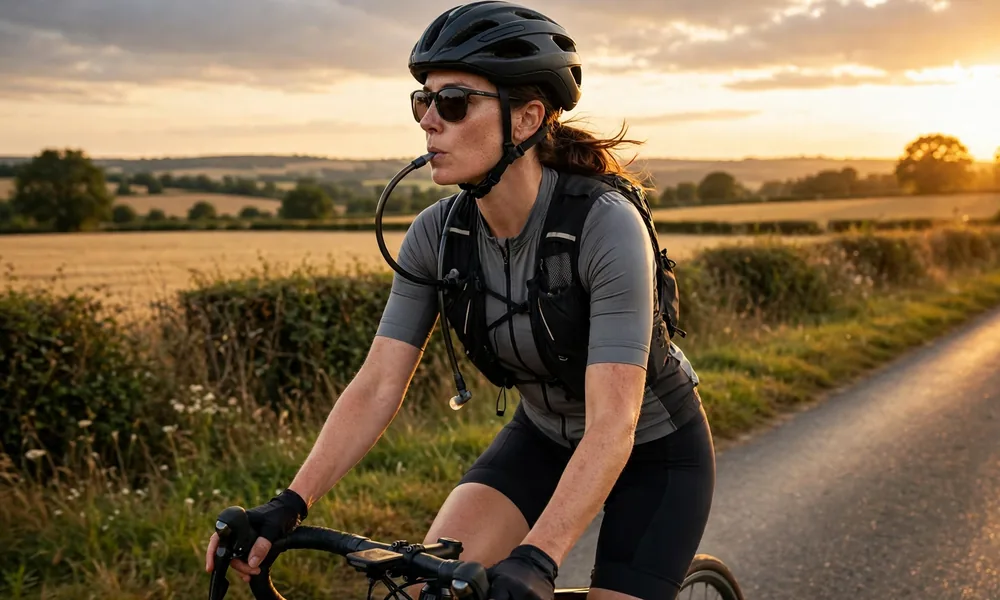
A hydration pack is a backpack with a built-in water system. Inside the main compartment sits a bladder, a flexible reservoir made from tough, taste-free plastic, usually holding between one and three litres. A hose runs from the bottom of the bladder, over your shoulder, and clips to your chest strap, ending in a bite valve: a small mouthpiece that opens when you bite it and seals when you let go. To drink, you simply bite and sip, with both hands free and without breaking your stride.
Running Vests, Hiking Packs and Cycling Packs Compared
The three main types of hydration pack are built for very different movement, and choosing the wrong one is the most common buying mistake. A running vest is light, close-fitting and designed to move with your body. It sits high on your chest, uses stretchy fabric and adjustable straps to eliminate bounce, and carries one to two litres of water plus a few essentials. It is the best choice for trail running, fast hiking and adventure racing, where every gram and every wobble matters.
A hiking hydration pack is bigger and more structured. It holds two to three litres of water and has room for a full day on the trail: layers, food, a first-aid kit, a map and a camera. It has a proper hip belt to transfer the weight to your legs, a ventilated back panel to keep you cool, and compression straps to keep the load stable. It is the best choice for day hikes, long walks and mountain days, where comfort over many hours matters more than speed.
| Pack Type | Best For | Water Capacity | Typical Weight | Key Feature |
|---|---|---|---|---|
| Running vest | Trail running, fast hiking | 1–2 litres | 200–400 g | Bounce-free fit, front pockets |
| Hiking pack | Day hikes, mountain days | 2–3 litres | 600–1,000 g | Hip belt, room for layers and food |
| Cycling pack | Mountain biking, long rides | 1.5–3 litres | 400–700 g | Slim profile, tool pockets |
| Minimal waist pack | Short runs, races | 0.5–1 litre | 150–300 g | Lightest option, limited storage |
| Multi-day pack | Backpacking, thru-hikes | 2–3 litres | 1,000–1,500 g | Large capacity, full suspension |
| Kids’ pack | Family hikes, young runners | 1–1.5 litres | 200–350 g | Small fit, easy bite valve |

Bladders: The Heart of the Pack
The bladder is the part of a hydration pack that matters most, and it is also the part most buyers ignore until it lets them down. A good bladder is made from tough, taste-free material that does not make your water taste of plastic, even after hours in the sun. It should have a wide mouth that opens fully, so you can fill it quickly from a tap or a stream, add ice cubes on a hot day, and reach inside to scrub it clean afterwards. Narrow-neck bladders are cheaper, but they are hard to fill without spilling, impossible to clean properly, and prone to growing mould in the corners.
The hose and bite valve matter just as much. The hose should be long enough to reach your mouth comfortably in your riding or running position, with a clip or magnet that holds it to your shoulder strap so it does not flap around. The bite valve should open with a gentle bite and seal completely when you let go. Some valves have a cover to keep dust and mud off the mouthpiece, which is worth having on dusty trails. If your valve drips, try a new one before replacing the whole bladder: valves are cheap, standardised, and easy to swap.
Fit: Getting the Pack to Sit Right
Fit is the difference between a hydration pack you love and one that ends up at the back of a cupboard. A good pack sits high on your back, with the weight close to your shoulders, and it stays put when you run, jump or lean into a descent. If it bounces, slides or chafes, it is either the wrong size or the wrong shape for your body, and no amount of tightening will fix it.

Best Hydration Packs of 2026 by Use
We judged the strongest hydration packs of 2026 on fit, bladder quality, weight, storage and value, and the picks below cover the main uses, from fast trail races to long mountain days.
Best for Trail Running
The best hydration pack for trail running is a light vest with a one-and-a-half to two-litre bladder, front pockets for gels and a phone, and a bounce-free fit. Look for stretchy, breathable fabric, a wide-mouth bladder you can refill quickly at an aid station, and a chest strap system that lets you tighten the vest as the water level drops. The best vests feel like a second skin rather than a bag. If you run with a belt as well, our guide to the best running belts of 2026 covers the lighter option for short runs where a full vest is more than you need.
Best for Day Hiking
The best hydration pack for day hiking is a twenty to twenty-five litre pack with a two to three-litre bladder, a proper hip belt and a ventilated back panel. It should have room for a waterproof jacket, lunch, sun cream, a first-aid kit and a map, with external pockets for snacks and a phone. The bladder should be wide-mouthed and easy to remove, because you will want to refill it at streams and taps, and the hose should clip neatly to the shoulder strap. A hiking pack is an investment that lasts years, so choose comfort and durability over the lightest possible weight. If you hike in summer, our guide to the best hiking sandals of 2026 covers the footwear that pairs well with a light pack on warm, easy trails.
Cleaning and Caring for Your Hydration Pack
Cleaning is the least glamorous part of owning a hydration pack, and it is also the most important. A bladder that is put away wet will grow mould within days, and mould is hard to remove once it takes hold. After every use, empty the bladder completely, rinse it with warm water, and hang it upside down to dry with the mouth wide open. A bladder hanger, or a simple kitchen whisk pushed inside to hold it open, works well. Let the hose drain fully, and store the bite valve open so air can circulate.
Hydration Packs vs Water Bottles: Which Should You Choose?
Hydration packs and water bottles both carry water, but they suit different kinds of outing, and many outdoor people own both. Bottles are simpler, cheaper and easier to clean, and they let you see exactly how much you have drunk. A good bottle is the best choice for the gym, the office, the car and short walks, and our guide to the best water bottles of 2026 covers the strongest options in detail. Bottles are also easier to share, easier to refill from any tap, and easier to wash properly.
Hydration Pack Shopping Checklist
- Choose the pack type for your sport: running vest, hiking pack or cycling pack.
- Pick the smallest capacity that covers your longest outing, remembering one litre weighs one kilo.
- Check the bladder: wide mouth, leakproof seal, taste-free material and a reliable bite valve.
- Try the fit with a full bladder, and adjust shoulder, chest and hip straps in that order.
- Make sure the hose reaches your mouth easily and clips neatly to the shoulder strap.
- Plan your cleaning routine before you buy, and budget for a brush and cleaning tablets.
Frequently Asked Questions
How do I stop my hydration pack bladder from tasting of plastic?
Buy a bladder made from taste-free material, rinse it well before first use, and never store it in a hot car or in direct sunlight. If it still tastes of plastic, soak it overnight in warm water with a squeeze of lemon juice, rinse thoroughly, and let it dry completely.
Can I put sports drinks or electrolytes in a hydration bladder?
Yes, but clean the bladder thoroughly afterwards, because sugar feeds mould and bacteria. Rinse it with warm water and a drop of washing-up liquid after every use with a sports drink, and dry it completely before storing it.
How often should I replace a hydration bladder?
A good bladder lasts for years with proper care. Replace it if it leaks, if the seal no longer closes properly, if it tastes of plastic after cleaning, or if you can see mould that will not scrub out. Replace the bite valve more often, at the first sign of dripping or wear.
Are hydration packs allowed on aeroplanes?
Yes, as long as the bladder is empty when you go through security. Pack the empty bladder in your hand luggage, fill it after security,
Can children use hydration packs?
Yes, and they are a great way to get children drinking on family hikes. Choose a pack built for a smaller body, with a one to one-and-a-half litre bladder and a bite valve that is easy to open, and let the child practise drinking from the valve before you set off.
Do I still need a water bottle if I have a hydration pack?
For most outdoor days, no, but a bottle is still useful at camp, in the car and at home, where a pack is overkill. Many people own both and choose based on the outing: a bottle for short, easy days, and a pack for long, rough or hands-busy ones.
The Bottom Line
The best hydration packs in 2026 are the ones that fit your body, match your sport and carry the water you actually need: a light vest for trail running, a comfortable pack with a hip belt for day hiking, and a slim, stable pack for cycling. Choose a wide-mouth bladder, get the fit right with a full load, and clean and dry the bladder after every use. Do that, and your pack will keep you drinking steadily through the longest days outdoors, with both hands free for the trail ahead.


