The best lemonade in 2026 tastes like lemons first and sugar second. That sounds obvious, yet most of the lemonade on shop shelves tastes like sweetened water with a faint citrus rumour, and plenty of the homemade kind is no better, just sweeter. A good lemonade is a balance: sharp lemon juice, enough sweetness to take the edge off, cold water, and nothing getting in the way. This guide covers how to tell the difference before you buy, whether bottled, powdered or fresh-squeezed lemonade is the better bet for you, which flavours are worth trying, and how to serve it so it tastes its best.
Key Takeaways
- The best lemonade tastes clearly of real lemon, with sweetness in the background rather than in charge.
- Fresh-squeezed lemonade wins on flavour, bottled lemonade wins on convenience, and powdered mixes are the most variable of the three.
- Check the label for real lemon juice percentage: anything under 5 percent juice is mostly flavoured sugar water.
- A good lemonade is roughly one part lemon juice to four or five parts water, sweetened to taste, and served very cold over plenty of ice.
- Strawberry, mint and ginger are the flavours most worth trying; most other flavoured lemonades are better in theory than in the glass.
What Makes Lemonade Taste Like Lemons
Lemonade is only three things, and the quality of each one shows. The lemon juice carries the flavour, the sweetener rounds off the acidity, and the water carries both. When any of the three is poor, the drink falls flat. Real lemon juice has a bright, slightly bitter edge that no flavouring quite reproduces. Bottled lemonades that use flavourings instead of juice often taste flat and one-note, sweet at first and then oddly empty. That is the first thing to check: does it smell and taste like a lemon, or like a sweet drink that happens to be yellow?
Sweetness is the second test. Sugar does not just sweeten lemonade, it changes how the acidity lands. Too little and the drink is bracing to the point of unpleasant; too much and it coats your mouth and leaves you thirsty. The best lemonades sit in the middle, where you notice the tartness first and the sweetness arrives a moment later. Honey and agave can work well, though they bring their own flavour, and sugar-free sweeteners tend to leave an aftertaste that is more noticeable in a simple drink like this than in a complicated one.
Bottled vs Powdered vs Fresh: Which Lemonade Is Best?
There is no single winner: fresh lemonade tastes best, bottled lemonade is the easiest good option, and powdered mixes are the cheapest and most hit-and-miss. Here is how they compare.
| Type | Flavour | Convenience | Cost per glass | Best for |
|---|---|---|---|---|
| Fresh-squeezed | Bright, sharp, real lemon | Needs lemons and ten minutes | Highest | Weekends, guests, hot days |
| Bottled | Good to flat, varies by brand | Open and pour | Mid-range | Everyday drinking, picnics |
| Powdered mix | Sweet, artificial, inconsistent | Stir into water | Lowest | Budget, camping, large batches |
| Frozen concentrate | Close to fresh when diluted right | Thaw and mix | Low | Freezer stock, parties |
Fresh-Squeezed Lemonade
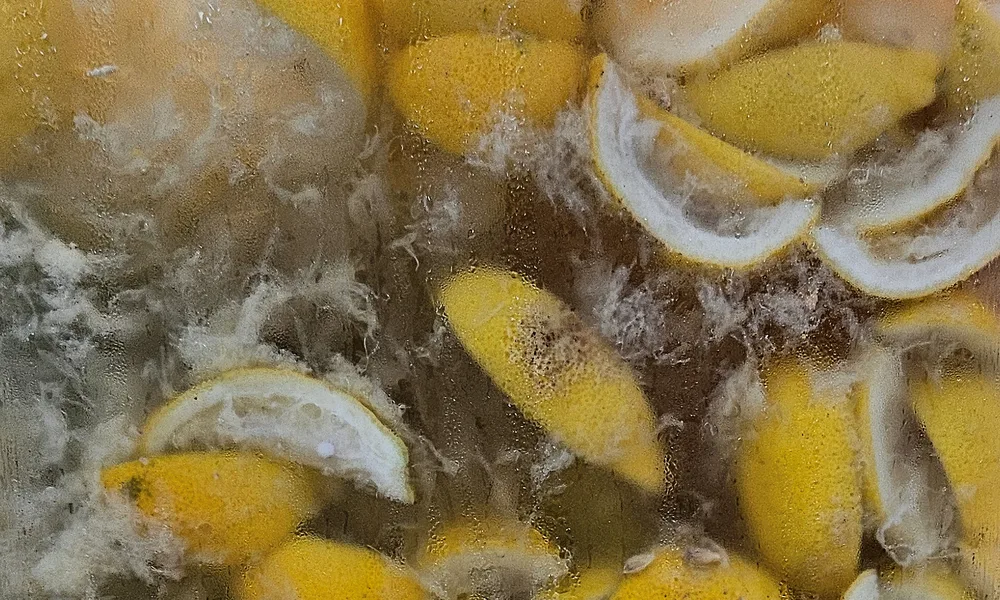
Fresh lemonade is the benchmark everything else is judged against, and the gap is real. Squeezed lemons give a flavour that is brighter and more complex than any bottled version, with a slight bitterness from the oils in the peel that adds depth. The recipe is simple: juice about six lemons, dissolve roughly a cup of sugar in hot water, combine with cold water, and chill. Rolling the lemons on a counter before juicing gets more juice out of them, and straining out the pips while keeping some pulp gives the drink texture without the mess. The downside is effort and cost: lemons are not cheap, juicing takes time, and fresh lemonade keeps for only two or three days in the fridge. It is worth it on a hot day or when guests are coming.

Bottled Lemonade
Bottled lemonade is the practical choice, and the best bottles are genuinely good. Look for short ingredient lists: water, lemon juice, sugar, and not much else. The better brands use 8 to 12 percent lemon juice; the weaker ones use 2 or 3 percent and make up the difference with flavourings and citric acid. Cloudy lemonade is usually closer to the real thing than clear lemonade, because the cloudiness comes from actual lemon pulp and oils. Glass bottles tend to hold flavour better than plastic, and lemonade sold chilled is a better bet than bottles that have sat warm on a shelf for weeks.
Powdered Mixes and Frozen Concentrate
Powdered lemonade mixes divide opinion more than any other kind. The best ones are acceptable in a pinch, especially the versions sweetened with real sugar rather than artificial sweeteners, but most taste noticeably synthetic, with a flat sweetness and a faint chemical edge. They shine in two situations: when you need a large amount cheaply, for a party or a sports team, and when you are travelling or camping and cannot carry bottles. Frozen concentrate sits between bottled and fresh: real juice that has been concentrated and frozen, and when diluted properly it tastes close to fresh. Keep a can in the freezer as the best compromise between flavour and convenience.
How to Read a Lemonade Label
The front of a bottle tells you what the maker wants you to believe; the back tells you the truth. Start with the juice percentage. In many countries it must be printed, and it is the single most useful number on the label. Ten percent or more is good. Five percent is ordinary. Under five percent, you are buying flavoured water. Next, look at the ingredients order: ingredients are listed by weight, so if sugar comes before lemon juice, sugar is the main ingredient. Watch for citric acid, which is fine in small amounts but is often used to fake the tartness that real juice would provide. Finally, check the sugar per serving, not per bottle: a bottle that looks reasonable can hide four or five servings, and the sugar adds up fast.
Flavours Worth Trying
Plain lemonade is hard to beat, but a few variations earn their place. Strawberry lemonade is the most popular for good reason: strawberries add sweetness and colour, and the two flavours genuinely complement each other. The best versions use real strawberries, muddled or blended in, rather than syrup. Mint lemonade is the most refreshing of the lot, especially on a hot day, and a few torn mint leaves steeped in the jug for an hour do more than any mint syrup. Ginger lemonade adds a warm bite that suits people who find plain lemonade too sweet, and it works well with sparkling water. Pink lemonade deserves a note: despite the name, it is usually just lemonade coloured with cranberry, raspberry or strawberry juice, and the colour rarely changes the taste much.
Serving Lemonade So It Tastes Its Best
Lemonade is at its best very cold, and temperature matters more than most people realise. Warm lemonade tastes sweeter and flatter, while properly chilled lemonade tastes sharper and more refreshing. Chill the jug in the fridge for at least an hour, and use plenty of ice. Large ice cubes melt more slowly than small ones, so they chill the drink without watering it down as fast. A tall glass shows off the colour and keeps the drink cold longer than a short one, and a straw keeps the acidity off your teeth a little, which your dentist would approve of.
Garnish is simple and worth doing: a wheel of lemon on the rim, a few mint leaves, or a couple of raspberries make the drink look like an occasion, and the lemon wheel adds a little extra citrus as you drink. If you are serving lemonade to guests, make it a little stronger than you think it should be, because the ice will dilute it as it melts. And if you want to stretch a jug further, add sparkling water at serving time rather than making the whole jug with it, so the fizz survives. A good sparkling water makes a fine base for a fizzy lemonade, and the bubbles lift the lemon flavour in a way still water does not. The same idea applies to infused water thinking: fresh fruit and herbs in the jug for an hour or two will flavour the drink gently without any syrup at all.

Lemonade or Lemon Water?
People often confuse lemonade with lemon water, and the difference matters if you are watching sugar. Lemon water is fresh lemon juice stirred into plain water, with no sweetener at all, and it is a different drink with a different job: hydration with a little flavour. Lemonade is sweetened, and that sweetness is what makes it a treat rather than a habit. If you want the flavour of lemons without the sugar, lemon water is the better choice. If you want a proper lemonade, accept the sugar, enjoy it cold, and treat it as the occasional pleasure it is.
Checklist: Buying Good Lemonade
- Check the juice percentage: aim for 8 percent or more, and walk away from anything under 5 percent.
- Read the ingredients: water, lemon juice and sugar should come first, with no long list of flavourings.
- Prefer cloudy over clear: cloudiness usually means real lemon pulp and oils.
- Check sugar per serving, not per bottle, and compare brands before you commit.
- Buy it chilled when you can, and keep it cold: warm lemonade tastes flat and overly sweet.
- For the best flavour at home, squeeze your own: six lemons, sugar dissolved in hot water, cold water, and ice.
Frequently Asked Questions
What is the best lemonade to buy in 2026?
The best bottled lemonade is a cloudy one with at least 8 percent real lemon juice, sugar rather than artificial sweeteners, and a short ingredient list. Fresh-squeezed lemonade beats every bottle on flavour, so if you have ten minutes and a few lemons, make your own.
Is lemonade healthy?
Lemonade made from real lemons has vitamin C and is hydrating, but most bottled lemonades contain as much sugar as a soft drink, so treat them as an occasional pleasure rather than a health drink. Unsweetened lemon water is the healthier everyday option.
How long does homemade lemonade last?
Fresh lemonade keeps for two to three days in a sealed jug in the fridge. After that the bright flavour fades and it starts to taste flat. Make it the day you plan to drink it when you can.
Why does my homemade lemonade taste bitter?
Bitterness usually comes from the lemon pith, the white layer under the peel, which gets into the juice if you squeeze too hard or use a juicer that presses the peel. Juice gently, strain the juice, and do not squeeze the halves completely flat.
Can I make lemonade with bottled lemon juice?
You can, and it is better than a powdered mix, but it will not taste as bright as fresh-squeezed juice. Bottled juice loses some of its aroma in processing. It works well in a pinch, especially for large batches where juicing a dozen lemons is too much work.
What is pink lemonade made of?
Pink lemonade is ordinary lemonade coloured pink, usually with a little cranberry, raspberry or strawberry juice. The colour does not change the flavour much, though versions with real fruit juice taste slightly fruitier than those coloured with food colouring.
The Bottom Line
The best lemonade in 2026 is the one that tastes like lemons. Fresh-squeezed wins on flavour, a good cloudy bottled lemonade is the easiest way to get most of the way there, and powdered mixes are fine for a crowd on a budget but little more. Whatever you buy, check the juice percentage, keep it cold, and serve it over plenty of ice. Do that, and a glass of lemonade is exactly what it should be: sharp, sweet, cold, and gone too soon.