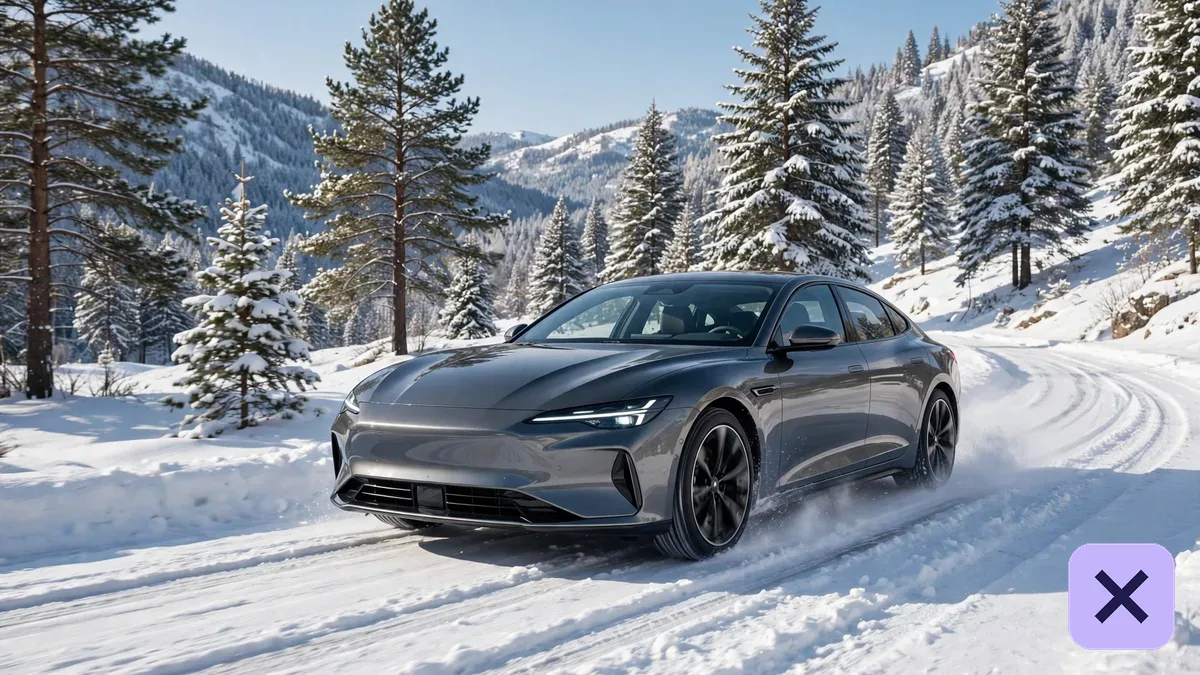
Best Sedans for Winter Driving 2026
The best sedans for winter driving in 2026 are the ones that prove a low, sleek car can still be a confident snow car. A good winter sedan starts first time on the coldest morning, pulls away from an icy junction without wheelspin, stops straight and short on packed snow, and keeps its driver warm and able to see clearly through the darkest, shortest days of the year.
That matters because sedans have real winter advantages that are easy to overlook. Their lower centre of gravity makes them more stable on icy corners than tall cars, their lighter weight means less momentum to stop on a slippery surface, and their efficient engines and heated cabins cost less to run through a long cold season. The sedans in this guide were judged on traction, braking, visibility, heating, stability and running costs.
Key takeaways
- Winter tyres matter more than drivetrain, badge or horsepower, and they transform even a modest sedan.
- A sedan’s low centre of gravity gives it steadier, more predictable handling on icy corners.
- All-wheel drive helps a sedan move off, but it does nothing to help it stop, so braking and stability systems matter just as much.
- Fast heating, a heated windscreen, heated seats and a heated steering wheel are winter essentials, not luxuries.
- The best winter sedans balance grip, visibility, comfort and running costs instead of chasing one extreme.
What winter really demands from a sedan
Snow changes the job of a car completely. In dry weather, grip is plentiful and most modern sedans feel composed and sure-footed. On snow, grip can fall to a tenth of its dry level, and every input, steering, braking and acceleration, has to be gentler and more precise. The best winter sedans feel calm rather than clever, and they give the driver clear feedback about what the tyres are doing.
Ground clearance is the sedan’s obvious weakness. A sedan sits lower than an SUV, so deep, unploughed snow and frozen ruts can beach it where a taller car would keep going. For most drivers on gritted roads that rarely matters, because ploughs clear the main routes first. If you regularly drive unploughed lanes or mountain passes, clearance deserves more weight, and the best SUVs for winter driving are the honest alternative, trading a little cornering stability for the ability to keep moving through snow that would stop a sedan.
What a sedan gives back is stability. A lower car rolls less in corners, changes direction more predictably, and is less upset by crosswinds on an exposed, icy motorway. Its lighter weight also means shorter stopping distances. On polished ice, that difference is real.
Tyres: the single biggest winter upgrade
If this guide has one message, it is this: buy winter tyres. A front-wheel-drive sedan on proper winter tyres will out-brake and out-corner an all-wheel-drive sedan on summer tyres on snow, and the difference is not small. Winter tyres use a softer rubber compound that stays flexible below about seven degrees Celsius, and their tread blocks are cut with hundreds of tiny sipes that bite into snow and ice.

The numbers make the case plainly. On snow, a car on winter tyres can stop in roughly two-thirds of the distance of the same car on summer tyres, and the gap grows as the surface gets icier. Winter tyres also improve hill starts, cornering grip and anti-lock braking, because all of those systems can only work with the grip the tyres provide.
Tyre pressure deserves attention too. Cold air contracts, so pressures drop as temperatures fall, often by about one pound per square inch for every five or six degrees. Under-inflated tyres wear faster, use more fuel and grip less well, so check pressures monthly in winter, always when the tyres are cold.
All-wheel drive, front-wheel drive and traction
All-wheel drive is the most talked-about winter feature, and it does help, but in one specific way: it helps the car move off. A good all-wheel-drive sedan sends torque to the axle with grip before the wheels spin. Some systems are front-wheel drive until slip is detected, which means a brief pause before help arrives on a hill start. The strongest winter systems are predictive rather than reactive, using throttle position, steering angle and wheel speed to prepare for slip before it happens.
Front-wheel drive deserves more respect than it gets. A front-wheel-drive sedan carries its engine over its driven wheels, which gives those wheels useful extra weight and grip in snow. Fitted with winter tyres, it will handle the vast majority of winter driving, including snow-covered hills. It is also lighter and cheaper to run than an all-wheel-drive equivalent.
Rear-wheel drive needs the most care in winter. With little weight over the driven wheels, a rear-wheel-drive sedan can struggle for traction on snow and ice, and it is more likely to step sideways under a heavy throttle. Modern stability control and winter tyres close much of the gap, but for regular snow driving, front-wheel drive or all-wheel drive is the easier choice.
Heating, visibility and cold-morning comfort
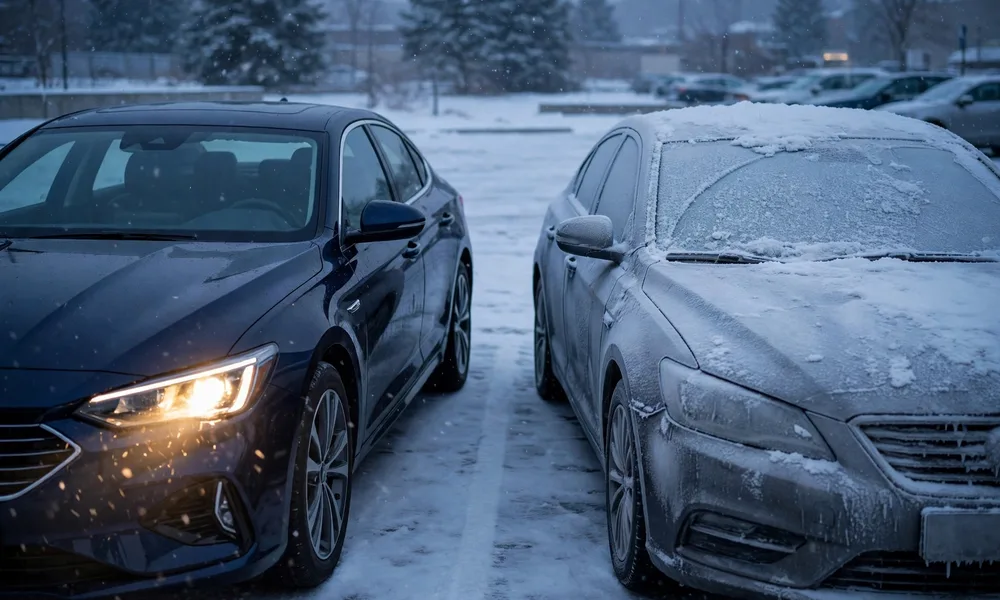
A winter sedan is also a shelter, and the best ones warm up fast. Look for a car whose heater delivers warm air within a few minutes, whose heated windscreen clears frost in under five minutes, and whose heated seats and steering wheel actually get hot rather than merely lukewarm. A car still cold twenty minutes into a commute leaves its driver stiff, distracted and less safe.
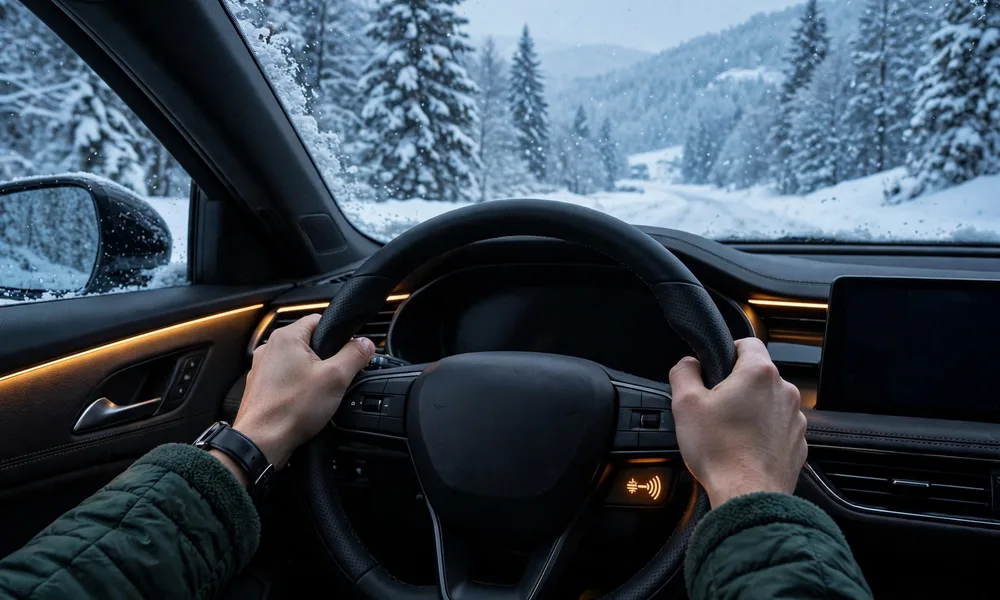
Visibility in winter is a wider problem than frost. Short days mean more driving in darkness, and snow glare, spray and low sun all conspire against the driver. Good winter sedans have powerful headlights that cut through falling snow, effective washers and wipers that keep the screen clear, and mirrors that heat quickly. A rear-view camera helps when snow hides kerbs and low obstacles, and heated washer jets stop the jets freezing solid on a freezing motorway.
Cold weather also hits range and fuel use. Electric sedans can lose a fifth or more of their real-world range on the coldest days, so check winter figures and look for a heat pump and battery pre-conditioning. The best electric cars for winter driving show how the best electric cars manage the cold, while cars without those features can see range collapse and charging slow dramatically in freezing weather.
How the best winter sedans compare
No single sedan is best for every winter driver. The table below compares the qualities that matter most, so you can match a type of sedan to your own winter.
| Winter priority | What to look for | Why it matters | Best suited to |
|---|---|---|---|
| Icy hills and junctions | All-wheel drive, winter tyres | Moves off without wheelspin | Hilly towns and suburbs |
| Long cold commutes | Heat pump or efficient heater, heated screen | Comfort without huge fuel or range cost | Daily drivers |
| Deep snow and unploughed roads | Higher clearance, snow mode | Prevents grounding, keeps momentum | Rural and mountain drivers |
| Family winter trips | Large boot, roof rails, folding seats | Carries skis, luggage and passengers | Ski holidays and school runs |
| Mixed winter and motorway use | Stable chassis, quiet cabin, adaptive cruise | Calm at speed in poor visibility | Motorway commuters |
Size is a genuine trade-off. A large executive sedan offers space and motorway stability, but it is harder to park on a snowy street and more expensive to fit with winter tyres. A compact sedan is easier to place on a narrow snow-covered road and cheaper to run.
The best types of winter sedan for different drivers
For snowy suburbs and school runs
If your winter is mostly gritted roads, school runs and supermarket trips with occasional snow days, a compact or mid-size front-wheel-drive sedan on winter tyres is the sensible choice. You need fast heating, a heated screen and good visibility, and you do not need to pay for all-wheel drive you will rarely use.
For mountain roads and ski trips
Mountain driving is the hardest winter test, with steep gradients, hairpins, deep snow and sudden weather changes. Here, all-wheel drive, a strong stability system and a boot big enough for skis all matter. If your sedan will see regular mountain use, choose the all-wheel-drive version and carry chains where the law requires them.
For long winter journeys and family use
Long winter journeys reward a quiet cabin, comfortable seats, adaptive cruise control that works in poor visibility, and a heater that keeps the car warm without constant adjustment. Family buyers should also think about boot space and rear-seat room for bulky coats and luggage. The best sedans for families overlap heavily with the best winter sedans here, because the same space, safety and comfort that suit a family suit a long cold journey.
Winter driving checklist: before you set off
A good winter sedan still needs a prepared driver. Use this checklist before any journey when snow or ice is forecast:
- Check tyre pressures and tread depth, and confirm winter tyres are fitted as a full set of four.
- Clear all windows, mirrors, lights and the roof of snow and ice before moving, not just a small patch of windscreen.
- Top up screenwash with a winter-grade fluid rated well below freezing, and check the wipers are not frozen to the glass.
- Keep the fuel tank at least half full, or the battery charged above half, in case of delays or diversions.
- Pack a blanket, torch, phone charger, water and a shovel in the boot for longer trips.
- Plan your route, check the forecast, and leave extra time so you never have to rush on ice.
Common winter mistakes to avoid
The most common winter mistake is overconfidence in all-wheel drive. Drivers who feel invincible because their car pulled away cleanly from a snowy junction discover, too late, that all-wheel drive does nothing for braking. The second is trusting summer tyres because the car is new or expensive. No amount of electronic assistance can create grip that the tyres do not have.
Frequently asked questions
Do I really need all-wheel drive for winter?
Not always. A front-wheel-drive sedan on winter tyres will beat an all-wheel-drive sedan on summer tyres in most conditions, especially braking. All-wheel drive is most valuable for hill starts and deep snow.
Are winter tyres worth the cost?
Yes, for most drivers who see regular temperatures below seven degrees. They improve braking, cornering and hill starts dramatically, and they last for several winters when used seasonally.
Can a sedan cope with deep snow?
On gritted and ploughed roads, yes, especially with winter tyres and all-wheel drive. In deep, unploughed snow, a sedan’s lower clearance is a real limit.
Do electric sedans work well in winter?
They can, with the right equipment. Look for a heat pump, battery pre-conditioning and the ability to pre-heat while plugged in. Expect some range loss in the cold, and check real-world winter range rather than headline figures before you buy.
What is the most important winter feature after tyres?
Fast, effective heating and demisting, because they keep the driver warm, alert and able to see. A heated windscreen, heated seats and a heated steering wheel make a bigger difference to daily winter driving than most people expect.
Should I carry snow chains if I have winter tyres?
In many mountain areas, yes, because chains can be legally required on certain passes regardless of tyres. Check the rules for your route, make sure chains fit your wheel and tyre size, and practise fitting them once at home.
Bottom line
The best sedans for winter driving in 2026 are not the most powerful or the most expensive. They are the ones that combine the right tyres, sensible traction, fast heating, clear visibility and a calm, predictable chassis. Choose the size that fits your life, spend the money on tyres and heating rather than on horsepower you cannot use on ice, and prepare before the first snowfall.