Finding the best sneakers in 2026 should be simple, but walk into any shoe shop or open any shopping app and you will face a wall of choice: running shoes, court shoes, chunky trainers, slim leather styles, waterproof hikers dressed up as sneakers, and everything in between. The best sneakers are not the most expensive pair or the one with the loudest launch campaign. They are the pair that fits your feet, suits the way you actually spend your days, and still looks good after months of wear.
The best sneakers of 2026 share a few qualities no matter what they are made for. They cushion without feeling soft and shapeless, they support the foot without squeezing it, they grip properly on wet pavements, and they are built from materials that can take daily punishment.
This guide rounds up the best sneakers of 2026 across everyday wear, running, training and style, with honest advice on fit, materials, value and the mistakes that send most pairs back to the shop.
Key Takeaways
- Buy sneakers for the activity you do most, not the one you imagine doing one day.
- Fit matters more than brand: half a size of extra room in the toe box changes everything.
- Everyday sneakers should work with at least three outfits you already own.
- Running and training sneakers are different tools, and swapping them usually ends in sore feet.
- Good sneakers cost more up front but last far longer, which makes them cheaper per wear.
How to Choose the Best Sneakers for You
Before you look at a single pair, think about your week. How far do you walk each day? Do you run, train, or stand for long hours? Do you need shoes that can handle rain, or do you mostly move between car, office and home? The answers narrow the field from hundreds of options to a handful, and they stop you buying a beautiful pair that spends its life in the cupboard.
Start With Fit, Not Fashion
Fit is the one thing you cannot fix later. A sneaker should feel comfortable the moment you put it on, with about a thumb’s width of space between your longest toe and the end of the shoe. Your heel should stay put when you walk, without the shoe pinching your ankle, and the widest part of your foot should sit comfortably across the widest part of the shoe. If a pair needs breaking in, it is the wrong size or the wrong shape for your foot, and no amount of wearing will turn it into the right one.
Match the Shoe to the Job
Sneakers are built for specific jobs, and the construction shows it. Running shoes have soft, springy foam and a curved sole that rolls you forward.
Best Everyday Sneakers in 2026
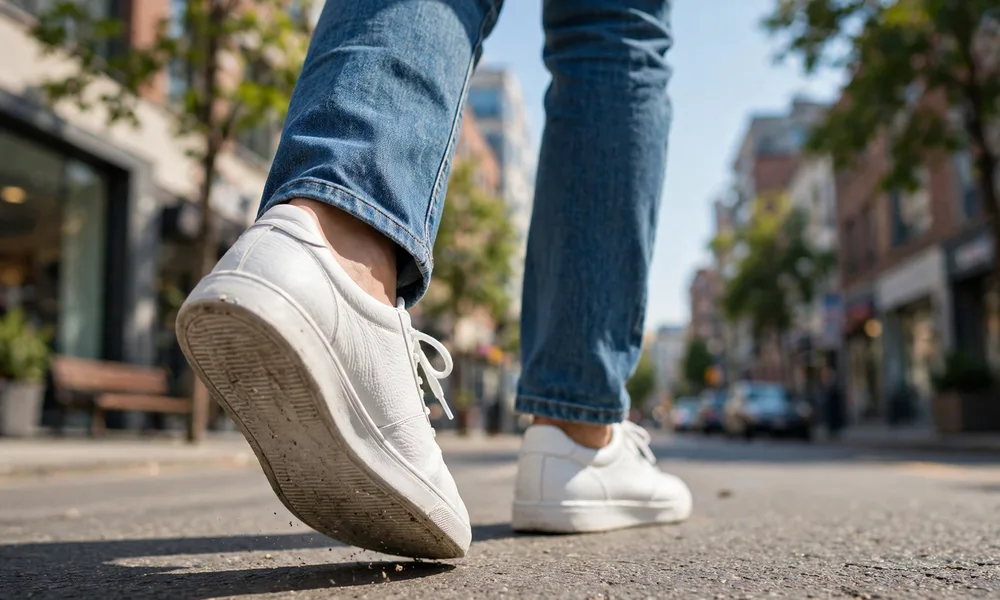
Everyday sneakers do the hardest job of all: they have to be comfortable from the first step of the morning to the last step of the evening, and they have to look right with almost everything you own. The strongest everyday pairs in 2026 are clean, understated designs in leather, suede or quality canvas, with a cushioned sole that does not look bulky and a colour that goes with the clothes you actually wear.
Leather Sneakers for Smart Everyday Wear
A good leather sneaker is the most versatile shoe most people will ever own. It works with jeans, chinos, casual trousers and even a relaxed suit, and it ages far better than a fabric shoe because scuffs can be cleaned and the leather softens around your foot over time.
Canvas and Knit Sneakers for Casual Days
Canvas sneakers are lighter, cooler and usually cheaper than leather, which makes them ideal for warm weather and relaxed weekends. Knit uppers take that comfort further, wrapping the foot like a sock and breathing far better than any leather shoe.
Best Running Sneakers in 2026
Running sneakers have improved more in the last few years than any other kind of shoe. Modern foams are lighter and springier than the heavy cushioning of the past, breathable mesh uppers keep feet cool over long distances, and better outsole rubber grips wet roads without wearing down quickly. The best running sneakers in 2026 feel fast without feeling unstable, and they protect your joints without making your feet feel disconnected from the ground.

Daily Trainers for Regular Runners
A daily trainer is the workhorse of any running rotation. It is the shoe you reach for on most runs, from easy jogs to longer weekend miles, and it needs to balance cushioning, weight and durability.
Racing and Tempo Shoes
Tempo and racing shoes are built for one thing: speed. They use firmer, more responsive foam, often with a carbon plate that propels you forward, and they strip away weight wherever they can.
For runners who carry a phone, keys and gels, a comfortable running belt makes a real difference on longer runs, and our guide to the best running belts of 2026 covers the options that stay put without bouncing.
Best Training and Gym Sneakers in 2026
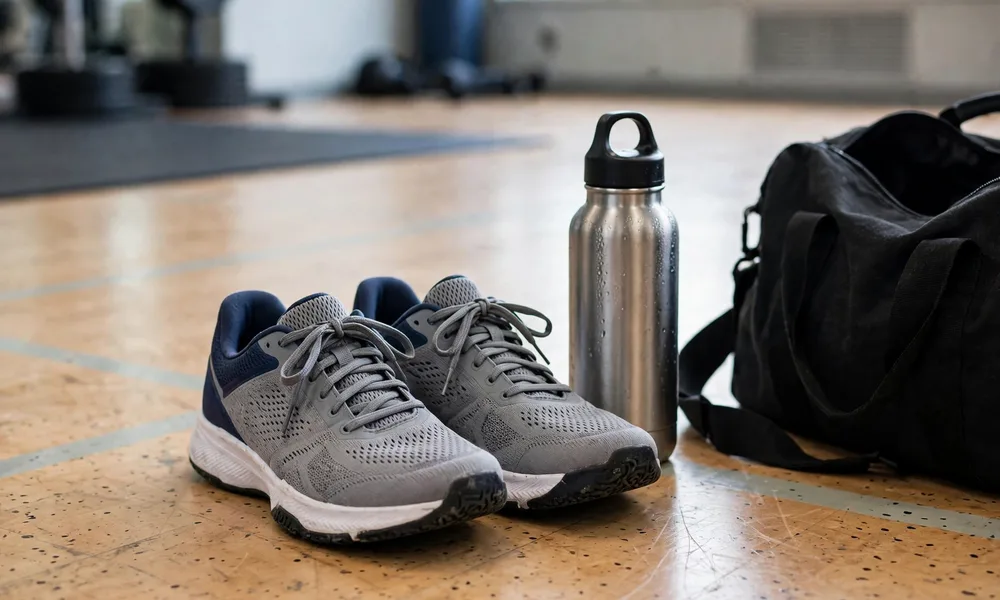
Training sneakers live a different life from running shoes. They need to keep you stable when you squat, lunge and lift, grip the gym floor when you change direction, and survive rope climbs, sled pushes and box jumps without falling apart. The best training sneakers in 2026 have a flat, wide base, a firm heel, a tough upper that resists abrasion, and just enough cushioning to stay comfortable during a long session.
What Makes a Good Gym Shoe
Stability is the first thing to check. Press the heel of the shoe: if it collapses easily, it will feel wobbly under a heavy barbell.
Cross-training shoes try to do a bit of everything, and the best of them manage it well enough for most people. And if you carry your kit to the gym, a proper bag protects your shoes far better than a plastic carrier, so our roundup of the best gym bags of 2026 is worth a look before your next session.
Best Sneakers by Budget
Price and quality are related, but they are not the same thing. Some of the best value sneakers in 2026 sit in the middle of the price range, where you get quality materials, solid construction and a comfortable fit without paying for a limited edition or a celebrity collaboration. At the budget end, look for simple, well-made designs from established brands rather than flashy copies, because the basics, fit, cushioning and outsole, are where cheap shoes usually fail.
Sneakers for Wet Weather
Rain is the quiet killer of good sneakers, because wet leather stains, wet canvas sags, and wet foam takes days to dry. If you walk a lot in wet weather, look for water-resistant leather, sealed seams, or a dedicated waterproof membrane, and a sole with deep grooves that grips slick pavements. A quick spray with a waterproofing treatment before the first wear helps enormously, and it should be reapplied every few weeks in winter. Keep a pair of older sneakers for the worst days, and save your best pair for dry ones, because no shoe stays looking good if it is soaked through every single morning.
Sneakers Compared
| Sneaker Type | Best For | Typical Price | Key Strength |
|---|---|---|---|
| Leather everyday sneaker | Daily wear, smart-casual outfits | £70–£160 | Versatile, durable, ages well |
| Daily running trainer | Regular running, long walks | £110–£170 | Cushioned, breathable, high mileage |
| Racing shoe | Races and fast sessions | £180–£260 | Light, responsive, very fast |
| Cross-training shoe | Gym, lifting, mixed workouts | £90–£150 | Stable, tough, grippy |
| Canvas sneaker | Warm weather, casual days | £40–£90 | Light, cool, affordable |
| Court trainer | All-day wear, smart looks | £60–£140 | Clean design, comfortable, long-lasting |
How to Make Your Sneakers Last Longer
Most sneakers die early because of how they are treated, not how they are made. Rotating two pairs gives the foam and the upper time to dry out and recover between wears, which alone can add months to their life.
Storage matters too. Keep sneakers in a cool, dry place with shoe trees or scrunched paper inside to hold their shape, and never pile them in a heap at the bottom of a cupboard, where they get crushed and creased. Stuffing the toes after a wet day stops the leather or canvas from collapsing as it dries, and letting shoes dry naturally, away from radiators and direct heat, stops the glue and the materials from breaking down. A little care after each wear is worth far more than an expensive cleaner used once a year.
When you travel, packing shoes properly protects them and everything else in your bag, and our guide to the best travel organizers for shoes in 2026 shows how to keep them separate and in shape on the move.
Sneaker Buying Checklist
- Decide the main job first: everyday, running, training or a mix, then shop for that job only.
- Try shoes on in the afternoon with your usual socks, and leave a thumb’s width at the toe.
- Walk, climb stairs and check for heel slip or pressure across the top of the foot.
- Check the sole: it should grip on smooth floors and show rubber in high-wear areas.
- Choose a colour that works with at least three outfits you already own.
- Keep the receipt and the box until you have worn the shoes for a full day outside.
Frequently Asked Questions
How many pairs of sneakers do I really need?
Two pairs cover most people well: one everyday pair and one for your main activity, whether that is running or training. A third pair for the opposite activity is worth it if you run and train regularly, because each shoe lasts longer when it is not doing every job.
How long should a good pair of sneakers last?
Running shoes usually last 400 to 500 miles, while everyday sneakers last a year or more of daily wear if they are well made and rotated. The outsole, the midsole foam and the upper all wear at different rates, so check the tread and the cushioning rather than counting months.
Should I buy sneakers a size up?
Many people need half a size up in running shoes, because feet swell during a run and toes need room to spread. Everyday sneakers are usually true to size, but if you are between sizes, go up rather than down, since a slightly roomy shoe is far more comfortable than a tight one.
Are expensive sneakers worth the money?
Often, yes, for the pair you wear most. Better foam, better leather and better construction genuinely last longer and feel better over long days. But an expensive limited edition is not automatically a better shoe than a well-made mid-priced pair from an established brand.
Can I wear running shoes as everyday sneakers?
You can, and many people do, because they are comfortable. But running shoes wear out faster on pavements than everyday shoes do, their soft foam compresses under daily use, and they look out of place with smarter outfits. Keep them for running and choose a leather or court pair for everyday wear.
How do I clean white sneakers without ruining them?
Brush off dry dirt first, then clean with a damp cloth and mild soap or a dedicated sneaker cleaner. For leather, use a leather cleaner and conditioner; for canvas, hand-wash gently and let them dry naturally. Avoid bleach, which yellows white materials, and avoid the washing machine unless the maker says it is safe.
The Bottom Line
The best sneakers in 2026 are the ones that fit your feet, suit your real life, and still feel good months after you buy them. Start with the job the shoe has to do, get the fit right, and spend the most on the pair you wear the most.