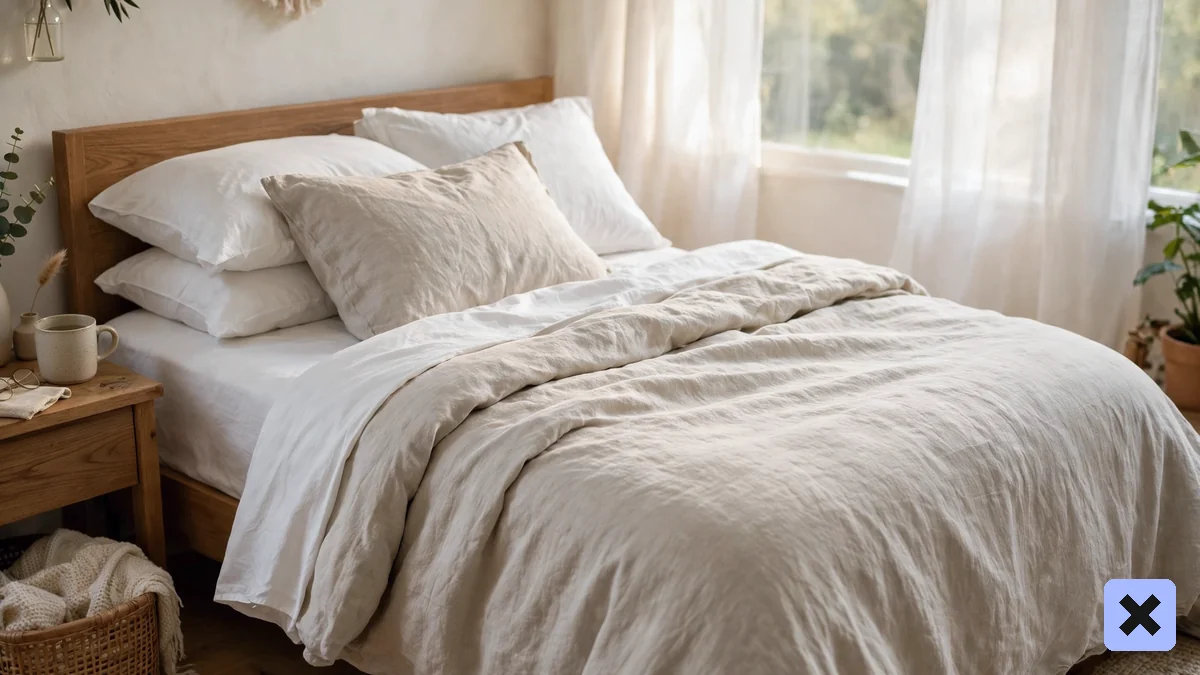
Every home has one seat that belongs to one person. It is the chair by the window where the morning coffee is drunk, the chair by the lamp where the evening book is read, the chair that is claimed without discussion because everyone knows whose it is. That chair is an armchair, and it is the hardest-working seat in the house: a single upholstered lounge chair built for one person to sit in properly, for hours, day after day. The best armchairs of 2026 do that job so well you forget the chair is there. The worst make themselves felt within a week, in a sore back, a numb leg, or a seat that has already gone flat.
This comparison puts the best armchairs of 2026 head to head against the worst, judged the way a real reader, napper and evening sitter would judge them: the first sit, the hundredth sit, the way the chair holds you through a whole chapter, and whether it is still solid and comfortable a year later. It is about upholstered lounge chairs for everyday sitting, the wingbacks, club chairs, tub chairs and recliners you sink into at home, and the same honest testing sits behind our comparison of the best and worst sofas of 2026, because an armchair is the sofa’s closest companion in the living room, and it earns its place the same way: by supporting one person properly, every day, without falling apart.
Key Takeaways
- An armchair is a lounge chair, not a decoration: judge it by how it feels after an hour, not how it photographs in five seconds.
- Seat depth and back angle decide everything: a chair that is too deep or too upright will never be comfortable, whatever it costs.
- The frame and the cushion matter more than the fabric: a solid frame with resilient filling outlasts a pretty cover by a decade.
- Arms should support your elbows at a natural height: too high and your shoulders ache, too low and your arms dangle.
- Measure the corner, not just the chair: a reading nook needs room for a lamp, a side table and your feet, not only the chair itself.
Armchair vs Accent Chair: Not the Same Job
The confusion is understandable, because the two overlap in the shops, but they are bought for different reasons. An accent chair is chosen first for how it looks: a shape, a colour or a character that finishes a room, comfortable enough that someone can sit in it for a while. Our comparison of the best and worst accent chairs of 2026 judges them on that job, and it is a real one. An armchair is chosen first for how it sits. It is the chair you choose when you want to read for an hour, watch a film, or fall asleep with the dog on your lap, and its looks come second to its depth, its back and its arms.
That difference changes what to test. An accent chair can be slim, upright and firm, because nobody expects to spend an evening in it. An armchair cannot. It needs a seat deep enough to curl up in, a back high enough to rest your head against, and arms wide enough to hold a book and a mug without either sliding off.
How to Judge an Armchair Before You Buy
Most armchair disappointments are decided in the showroom, in the thirty seconds a buyer actually spends sitting down. The photographs on a retailer website are chosen to sell the chair, not to describe it, and the styling hides thin cushions, a shallow seat and a back that stops at your shoulder blades. The useful test is slower. Sit in the chair the way you will sit at home: with a book, with your feet tucked up, with your head back. Stay there for ten minutes. A good armchair disappears under you. A bad one starts to complain, and so does your body.
Then test the parts you cannot see. Rock the chair gently from side to side and push the back. There should be no wobble and no creak. Lift one front leg slightly and watch the other: if it lifts too, the frame is solid. Press the seat cushion and let go: good filling springs back at once, while cheap foam keeps the dent of your hand. Check the arms by pressing down on them with your weight, the way you will when you stand up, because that is when weak arms fail. A chair that survives those tests in the shop has a chance of surviving years of evenings at home.

What Makes the Best Armchairs of 2026
The best armchairs of 2026 start underneath, where nobody looks. Their frames are kiln-dried hardwood, joined with dowels, screws and corner blocks rather than staples and glue. The seat is sprung properly, either with sinuous springs or a webbed base that spreads weight evenly, so the cushion does not bottom out onto the frame. Sit down, stand up, and the seat looks the same as it did before you sat in it. That is the simplest test of quality there is, and most cheap chairs fail it within a month.
The filling is where the best chairs earn their money. High-resilience foam wrapped in feather or fibre gives a seat that is soft on top and firm underneath, so you sink in a little and then stop, instead of sinking until you feel the wood. The best back cushions are plump without being puffy, shaped to support the small of your back and the back of your head at the same time.
Fabric is the third pillar. The best fabrics of 2026 are tightly woven, rub-tested to tens of thousands of cycles, and treated to resist stains without feeling stiff. Performance linen, woven cotton blends and good quality velvet all age well if the weave is tight and the pile is dense. Leather, done properly, is the longest-lasting option: full-grain and top-grain leather softens and darkens gracefully over years, while cheap bonded leather peels and flakes within eighteen months. The best chairs also get the proportions right: a seat height that lets your feet rest flat on the floor, arms at a height that lets your elbows rest without hunching, and a back that supports your shoulders without pushing your head forward.

The Worst Armchairs: What Goes Wrong
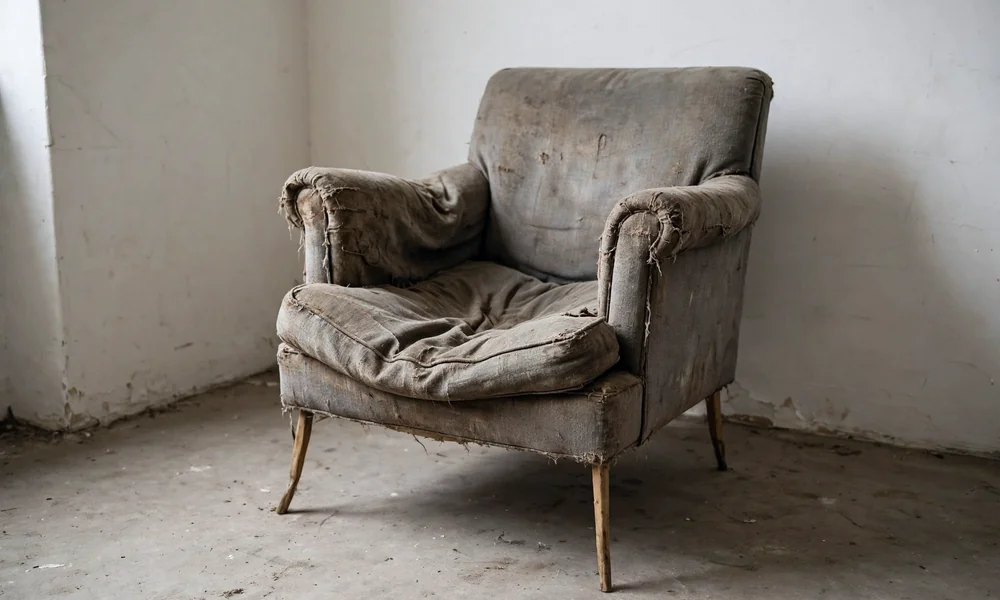
The worst armchairs of 2026 fail in the same few ways, and once you know them you can spot them from across a showroom. The frame is the first failure. Cheap chairs use softwood, chipboard or thin metal, held together with staples. They feel solid when new, because everything feels solid when new, but within a year the joints loosen, the chair rocks on uneven legs, and the back leans a little to one side. There is nothing to fix, because there is nothing solid to fix it to.
The seat fails next. Low-density foam feels wonderfully soft in the shop and then collapses under real weight. The seat develops a dip where the same person sits every evening, and the dip deepens until you are sitting in a hollow with the frame pressing into your thighs. Loose fibre cushions are no better when they are underfilled: they go flat, lumpy and misshapen, and no amount of plumping brings them back. The worst chairs hide this with cushions sewn shut, so you cannot see the thin foam inside and cannot replace it when it fails.
Fabric is the most visible failure. Loose weaves snag on jeans and pet claws, pale velvet shows every mark and crushes unevenly, and cheap faux leather peels in sheets, usually starting on the armrests where hands grip every day. Some of the worst chairs are covered in fabric that cannot be cleaned at all: water leaves a ring, a professional clean costs more than the chair is worth, and the only honest advice is to throw a blanket over the stain and pretend it is not there.
Armchair Types Compared
The wingback is the classic reading chair, and still the best all-round armchair for most homes. Its high back and side wings block draughts, support your head, and create a small private space inside a busy room. A good wingback holds you upright enough to read and reclined enough to rest. A bad one is all show: wings so narrow they support nothing, a back so straight it pushes you forward, and a seat so shallow that your knees sit higher than your hips.
Club chairs suit the living room better than the reading corner. Deep, low and wide, they invite you to sprawl, and they pair naturally with a sofa because they share its language of comfort. Their weakness is the same as their strength: they take up a lot of floor for one seat, and a bad club chair is a swamp, a seat so soft and deep that standing up becomes a small project. Sit in one for ten minutes before you buy, and stand up twice, because the second stand tells you more than the first sit.
Tub chairs are the quiet success of 2026. Their curved back wraps around you, they fit a bedroom corner or a small flat, and they force makers to get the proportions right, because there is nowhere to hide a bad seat. The worst tub chairs are the ones that look like a shrunken club chair: a seat so narrow that your elbows press against the sides and a back so low that there is nowhere to rest your head.
Recliners have improved more than any other type, and the gap between the best and the worst is now enormous. The best open smoothly, support your legs fully, and look like an ordinary armchair when closed. The worst jam, squeak, and leave your feet dangling off a footrest that stops halfway down your calves. If you nap in your chair, a good recliner earns its price in a year. If you never recline, buy a better ordinary chair instead, and spend the difference on the small things that make a reading corner work, like the cushions in our comparison of the best and worst throw pillows of 2026, which shows how much difference well-chosen small pieces make to comfort.
Size, the Corner and the Verdict
A chair that is the wrong size is wrong every day, whatever its quality. Tape its footprint on the floor and live with the outline for a day, leaving room for a lamp, a side table and your feet. The best armchairs of 2026 are the ones built from the inside out: a hardwood frame, proper springs, resilient filling and a fabric that survives real life. The worst are built from the outside in: a handsome photograph wrapped around chipboard, cheap foam and fabric that cannot be cleaned. Buy the frame first, the filling second and the fabric third, and buy the chair that fits your body and your corner rather than the one that fills the photograph. A chair bought that way costs more on the day and far less over the decade it serves you, and it is the one you will still reach for every evening in 2036.