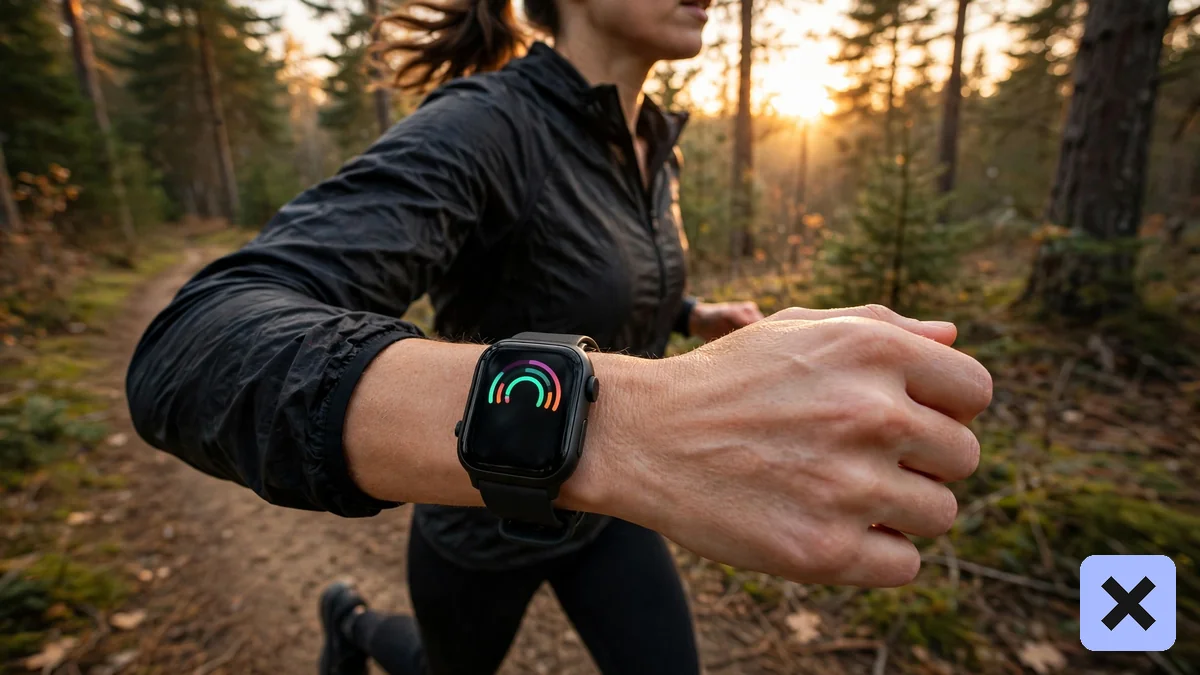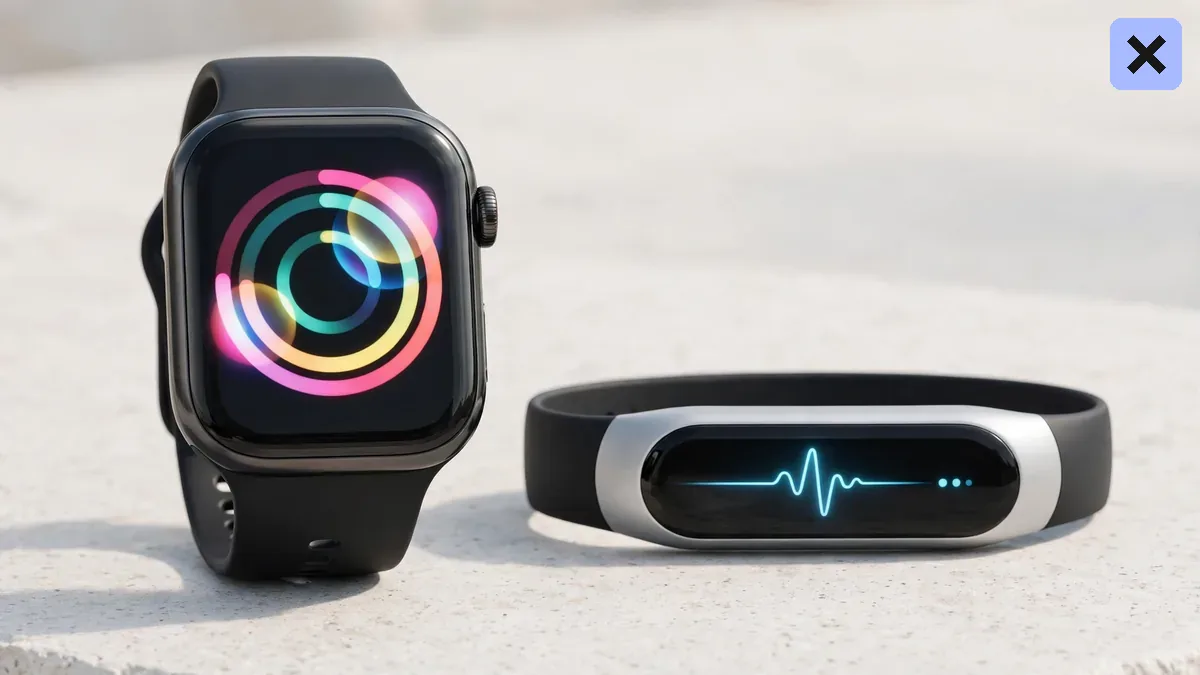
Choosing between a smartwatch vs fitness band is one of the most common decisions in wearable technology today, and the right answer depends far more on your daily routine than on any spec sheet. Both devices sit on your wrist, count your steps and watch your heart rate, yet they are built for different kinds of people: a smartwatch is a small computer that happens to tell the time, while a fitness band is a focused health tracker that stays out of your way.
Over the past few years the gap between the two has narrowed. Fitness bands have gained brighter screens and better sensors, while smartwatches have become slimmer, cheaper and more serious about health. The question is no longer which device does more, but which one fits the way you actually live, train, sleep and work.
This comparison looks at design, comfort, fitness tracking, health sensors, smart features, battery life, displays and price, side by side. We weigh what each device does best, where each one falls short, and who should buy which, so you can spend your money on the wrist companion you will still be wearing a year from now.
Key takeaways
- A smartwatch is a wrist computer with apps, calls and payments; a fitness band is a focused, lightweight health tracker.
- Fitness bands usually last one to two weeks on a charge, while most smartwatches need charging every one to two days.
- For step counting, sleep tracking and heart rate, a good fitness band matches a smartwatch for most people.
- Smartwatches win on screens, notifications, navigation and third-party apps, but they cost more and demand more attention.
- The best choice depends on your routine: runners and sleep trackers often prefer bands, while busy professionals usually prefer smartwatches.
Smartwatch vs Fitness Band at a Glance
At first glance the two devices look like close cousins, but their priorities are very different. A smartwatch puts a bright touchscreen and a small app ecosystem on your wrist, showing messages, taking calls, storing music and handling payments. A fitness band strips all of that back to the essentials.
| Feature | Smartwatch | Fitness Band |
|---|---|---|
| Display | Large, bright, full-colour touchscreen | Small, narrow display, often simple colour |
| Battery life | Typically 1 to 2 days | Typically 7 to 14 days |
| Fitness tracking | Excellent, with GPS and many sport modes | Excellent for core metrics, some lack built-in GPS |
| Health sensors | Heart rate, blood oxygen, ECG on premium models | Heart rate, blood oxygen and sleep tracking |
| Apps and calls | Full app store, calls, messages and payments | Basic notifications only, no real apps or calls |
| Comfort and weight | Heavier and bulkier, noticeable during sleep | Very light and slim, easy to forget |
| Water resistance | Usually swim-proof | Usually swim-proof |
| Price range | Higher, from mid-range to premium | Lower, often a fraction of a smartwatch |
Design and Comfort
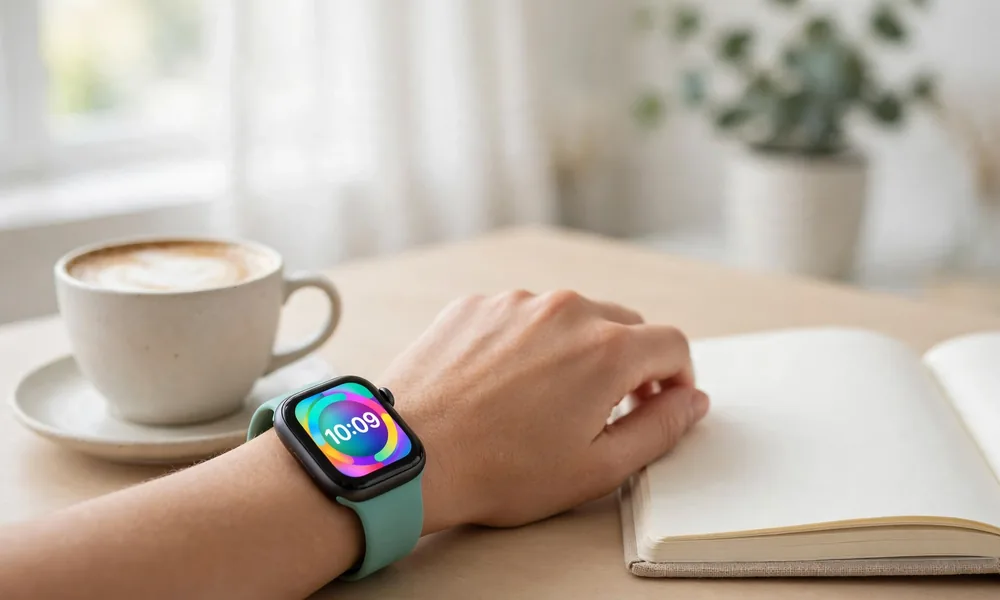
Design is where the difference is most obvious the moment you put either device on. A smartwatch looks and feels like a small watch, with a square or round face and a strap you can swap for leather, metal or sport bands. It is a style object as much as a gadget, and many people choose one partly because it looks good with a suit. The trade-off is bulk: a smartwatch is wider, thicker and heavier, and you feel it on your wrist all day.
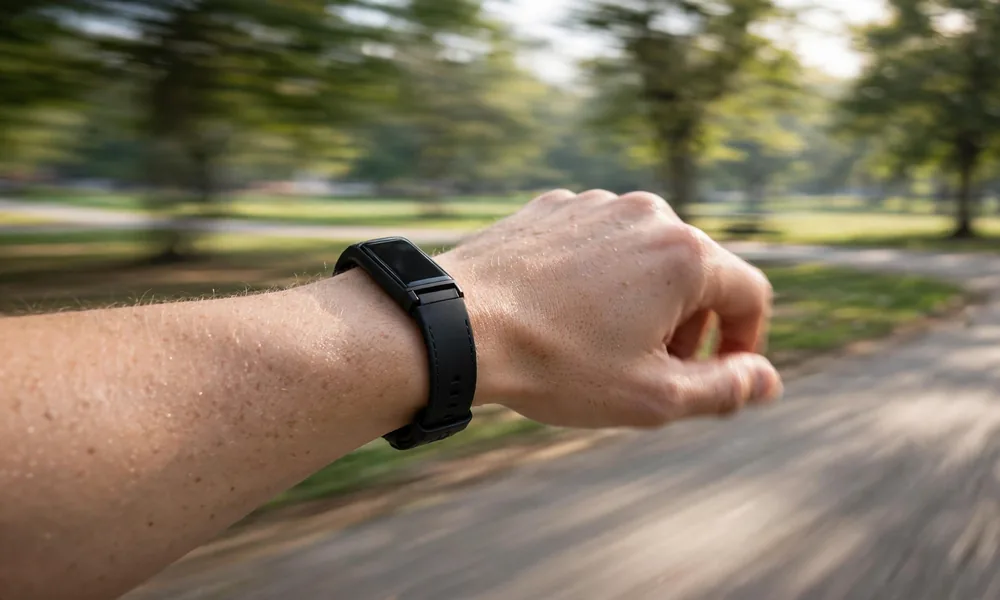
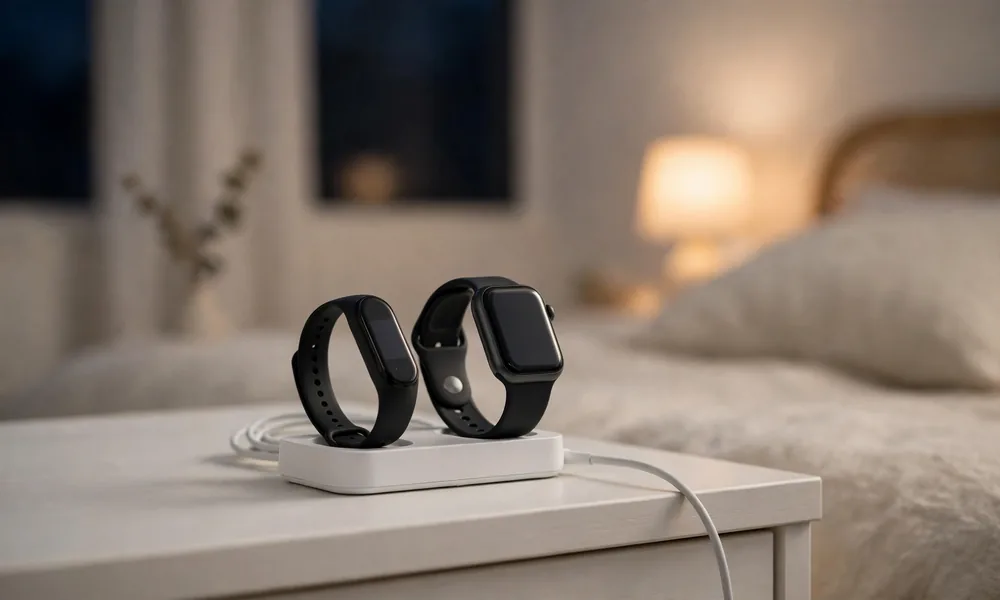
A fitness band is the opposite: a slim strip of silicone with a small capsule display, designed to disappear. It weighs very little, sits flat against the wrist and slides easily under a shirt cuff. You can wear it twenty-four hours a day, including in bed, without it catching on sheets or digging into your wrist.
Fitness and Health Tracking
Fitness tracking is the heart of both devices, and for the most common metrics they are closer than many buyers expect. Step counting, distance, calories, heart rate and sleep tracking are now standard on both, and a decent fitness band records these as accurately as a smartwatch costing several times more, because the sensors inside are often very similar.
Where smartwatches pull ahead is breadth. They usually include built-in GPS, so you can leave your phone at home and still map a run accurately, and they offer more sport modes on a screen big enough to read mid-workout. Serious athletes who train with structured plans will notice the difference, while casual exercisers rarely will.
Heart Rate, Sleep and Recovery
Heart rate monitoring is now reliable on both types of device for steady exercise, though wrist sensors can struggle with rapid changes during intense intervals. Sleep tracking is arguably better on a fitness band, because it is comfortable enough to wear all night, every night, while a smartwatch that needs charging each evening often misses the night entirely. No consumer wearable is a medical device, though, and some models are much weaker than their marketing suggests, so reading about the worst smartwatches for fitness tracking is a useful reality check before you trust any device with your health data.
Smart Features and Apps
This is the section where a smartwatch justifies its price. It runs apps, shows full message previews, lets you answer calls from your wrist, stores music, shows turn-by-turn navigation and pays for your coffee with a tap. For someone always on the move, that convenience adds up quickly.
A fitness band does far less. It vibrates when your phone rings, shows a short notification preview and lets you dismiss a call or silence an alarm. That is usually enough for people who want fewer distractions, and many band owners say the simplicity is a feature rather than a limitation. There is a genuine risk with smartwatches, though: more features can mean more distraction. The phenomenon of feature overload is real in wearables, and the best smartwatch is the one whose features you actually use, not the one with the longest list.
Battery Life and Charging
Battery life is the single biggest practical difference between the two, and it shapes daily life more than any other spec. A typical smartwatch lasts one to two days, and a feature-packed model with an always-on display may not even manage that. You charge it every night, and if you forget, it dies mid-morning, which also means you often miss sleep tracking.
A fitness band, by contrast, usually lasts one to two weeks on a single charge. You plug it in for an hour while you shower, then forget about it for another fortnight, so the device is always on your wrist when it matters. For many buyers, battery life alone is the deciding factor. The discussion around Android vs iPhone battery life makes the same point: the device with the longest battery life is often the one that fits real life best, even if it does less on paper.
Price and Value
Price is where fitness bands make their strongest case. A good band costs a fraction of a good smartwatch, often less than a quarter of the price, while covering the core health features most people actually use. For a first-time buyer, or for someone who is not sure whether wearable tracking will stick, a band is a low-risk way to find out. If you stop wearing it after a month, you have lost very little.
Smartwatches cost more, and the premium models cost several times more than a band. That price buys the bigger screen, the apps, the calls, the payments and the GPS, and for the right person those features are worth every penny. The mistake is paying for them when you will not use them: a smartwatch bought for step counting alone is money wasted, just as a band bought by someone who wants calls and maps will feel limited within weeks.
Who Should Buy Which?
Choose a Smartwatch If You
Choose a smartwatch if you want your wrist to do more than track health. It suits busy professionals who need notifications, calls and calendar alerts without reaching for a phone. It suits people who run with maps and music but without a phone, and anyone who values contactless payment and voice assistance. If you already live inside an app ecosystem and want it on your wrist, a smartwatch is the natural choice.
Choose a Fitness Band If You
Choose a fitness band if health tracking is your main goal and you want the simplest, lightest way to get it. It suits runners and gym-goers who want accurate core metrics without distractions. It suits sleep trackers, because it stays on all night without needing a charge. It suits budget-conscious buyers, minimalists, and anyone who dislikes charging devices. If your phone already handles apps, calls and payments, a band gives you the health data without duplicating your phone.
Checklist: Choosing Your Wrist Companion
Use this checklist before you buy: it covers the questions that matter most.
- Decide your main goal first: health tracking, smart features, or a mix of both.
- Check battery life against your routine: can you charge every night, or do you need two weeks?
- Confirm built-in GPS if you run or cycle without your phone.
- Try the size on your wrist if you can: comfort matters more than specs after a week.
- Check the companion app: clear data and easy history matter more than a long feature list.
- Set your budget before you shop, and compare the best band at that price against the cheapest smartwatch.
Frequently Asked Questions
Is a fitness band as accurate as a smartwatch?
For step counting, heart rate and sleep, a good fitness band is usually as accurate as a smartwatch, because both use similar sensors. Smartwatches can be more accurate for GPS-tracked runs, but for everyday health tracking the difference is small.
Can a fitness band receive calls and messages?
A fitness band can show call and message notifications and let you dismiss or silence them, but it cannot make calls or send replies. If you need to answer calls from your wrist, you need a smartwatch.
Do I need a smartwatch if I already have a phone?
Not necessarily. Your phone already handles apps, calls, maps and payments. A fitness band adds health tracking without duplicating your phone, while a smartwatch adds convenience by putting some of those functions on your wrist.
How long does a fitness band battery last compared to a smartwatch?
Most fitness bands last seven to fourteen days on a charge, while most smartwatches last one to two days. The exact figures depend on the model, the display settings and how often you use GPS.
Can I swim with a smartwatch or a fitness band?
Most modern models of both types are water resistant enough for swimming, but check the specific rating before you buy. Some devices are only splash-proof, and salt water and hot tubs can damage seals over time.
Which is better for sleep tracking?
A fitness band is usually better in practice, because it is light enough to wear all night and its battery lasts for weeks. A smartwatch can track sleep well, but only if you remember to charge it during the day instead of at night.
The Bottom Line
A smartwatch is the better choice if you want a wrist computer with apps, calls, payments and navigation, and you are happy to charge it every day or two. A fitness band is the better choice if you want accurate health and sleep tracking in a light, comfortable device that runs for weeks and costs far less. Pick the device that fits your routine, not the one with the longest spec sheet, and you will still be wearing it a year from now.