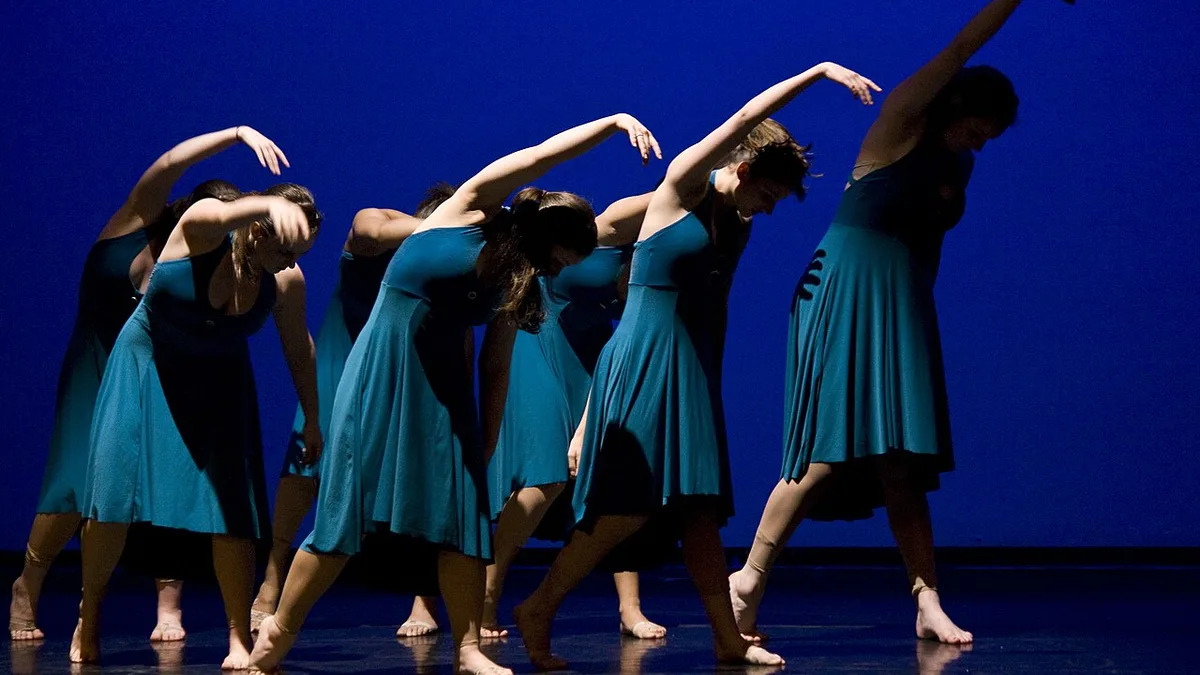
Grace Gone Wrong: The Worst Ballet Dancers of 2026
The worst ballet dancers of 2026 do not fail because ballet is hard, although it is the hardest dance to make look easy. They fail because they lose the line: the long, unbroken shape that runs from the fingertips through the body to the tip of the pointe shoe, and the musical phrasing that makes steps feel like a sentence instead of a list. Good ballet looks effortless, which is the trick of it. The worst show you the effort instead: the wobble on pointe, the heavy landing, the arms that arrive a beat late.
This guide is about ballet dancers only: performers whose craft is classical ballet, contemporary ballet and pointe work, where line, turnout and musical phrasing carry the act. That makes them different from a variety show, covered in our guide to the worst variety shows of 2026, where the failure is the running order of a mixed bill. A ballet act stands or falls on a single craft, not on the bill around it. It is also different from street performers, covered in our guide to the worst street performers of 2026, who perform in public space for passing crowds with no stage and no ticket. A ballet dancer has a stage, a sprung floor and an audience that came to watch a whole evening of one art form. And it is different from a musical, covered in our guide to the worst musicals of 2026, where songs, dialogue and dance share the storytelling. In ballet there is no dialogue to hide behind and no song to carry a weak scene; the body has to say all of it. No real dancer is named as the worst here; the same faults turn up in ballet classes, recitals and stage productions in every city.
Key takeaways
- Ballet is judged on the line: when the shape from fingertip to pointe shoe breaks, the whole picture breaks.
- Pointe work is the clearest test: wobbling and sickled feet give a weak dancer away in seconds.
- A leap that lands heavily is worse than a small leap landed softly.
- Arms are not decoration: when they stop telling the story, the dance stops making sense.
- Watch the second phrase, not the first: a routine that cannot shape its music will not improve by the finale.
How the worst ballet dancers of 2026 were ranked
Every type below was scored on five measures. Line comes first: does the body hold one clean, unbroken shape through each position, or does it sag, break and shorten? Pointe and footwork are second, judged on stability, turnout and the quietness of the landings. Musicality is third, because ballet is danced to music, not on top of it, and the steps should breathe with the phrase. Partnering is fourth, for the lifts and supported turns where trust, timing and safety all depend on both dancers. Stage presence is fifth, because a ballet dancer still has to hold a room, with a finish that closes the phrase.

Comparison table: the worst ballet dancers of 2026
| Rank | Ballet dancer type | Main flaw | Warning sign | Worst score |
|---|---|---|---|---|
| 1 | The Pointe Work That Wobbles | Unstable pointe, sickled feet | The ankle rolls on every relevé | 10/10 |
| 2 | The Leap That Goes Nowhere | Flat jumps, heavy landings | Landing heard from the back row | 10/10 |
| 3 | The Arms That Forget the Story | Arms disconnected from the dance | Port de bras trails the feet | 9/10 |
| 4 | The Partnering That Drops the Line | Lifts and turns without trust | Both dancers brace for the lift | 9/10 |
| 5 | The Routine With No Phrasing | Steps with no musical shape | Every phrase sounds the same | 9/10 |
| 6 | The Turn That Travels Off Course | Pirouettes that drift and wobble | Spot lost by the second turn | 8/10 |
| 7 | The Finale Pose That Never Arrives | An ending that deflates | Last pose sags instead of holding | 8/10 |
The worst ballet dancers of 2026
1. The Pointe Work That Wobbles: unstable pointe, sickled feet
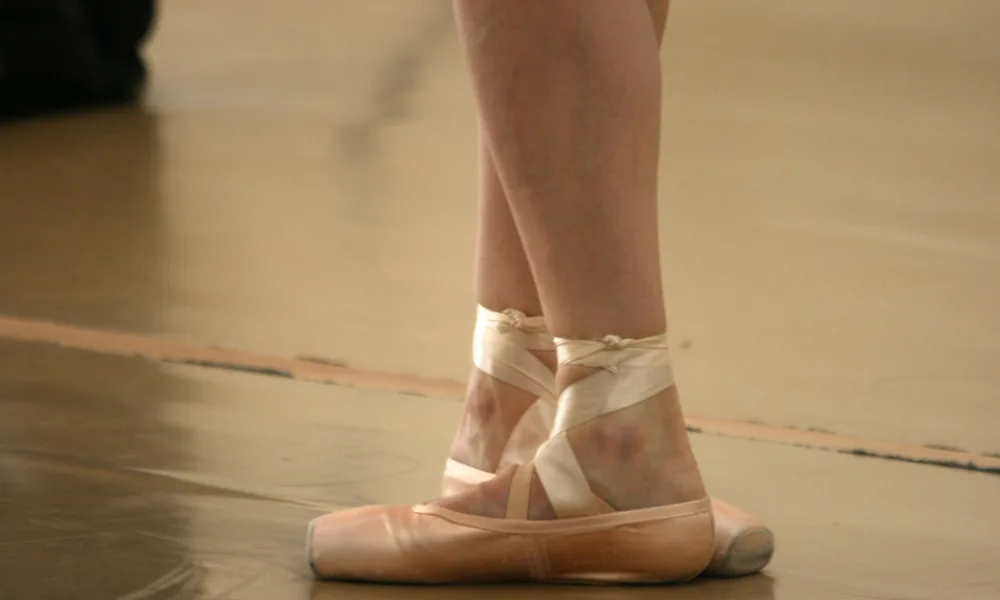
The Pointe Work That Wobbles is the worst type of ballet dancer in 2026 because pointe is where ballet stops pretending and starts telling the truth. On pointe there is nowhere to hide: the whole body balances on a platform the size of a coin, and the audience can see the wobble from the back row.
Ballet is supposed to look weightless, and a wobbling pointe shoe reminds the audience how much weight is really there. Good pointe work is built slowly, over years of strengthening the feet before the shoes ever go on. The audience spends the variation waiting for the stumble.
2. The Leap That Goes Nowhere: flat jumps, heavy landings
The Leap That Goes Nowhere takes off with a great deal of effort and arrives almost exactly where it started. The jump is low, the legs never fully open into the shape the choreography asks for, and the landing thuds onto the floor with a sound the whole theatre can hear. A good jump suspends the dancer; this type is already on the way down before the shape forms.
A good jumper lands through the foot, soft and silent, rolling from toe to heel with the knees absorbing the fall. This type lands flat-footed, knees locked, with a thump that breaks the music and the illusion in the same instant.
3. The Arms That Forget the Story: arms disconnected from the dance
The Arms That Forget the Story has legs that know the steps and arms that never got the message. The feet turn out, the legs extend, and above the waist there is a pair of arms that drift, flap and arrive a beat late, as if they belonged to a different dancer. The arms carry half the meaning.
Audiences notice it without knowing why: the dance looks busy but empty, full of movement and short of meaning. Arms are trained from the first class, because a dancer who learns the feet first and the arms later will always look like two people dancing at once.
4. The Partnering That Drops the Line: lifts and turns without trust
The Partnering That Drops the Line is at their worst in a pas de deux, where ballet becomes a conversation between two dancers and the lifts have to look weightless. Both dancers brace before the lift, and the whole shape goes up crooked and comes down early.
Good partnering is built on timing and trust, rehearsed slowly until both dancers know exactly where the weight will be, and it is never rushed. This type rehearses the steps and skips the trust.
5. The Routine With No Phrasing: steps with no musical shape
The Routine With No Phrasing dances the steps in the right order and misses the music entirely. Every phrase is danced at the same speed, the same weight and the same energy, so a tender passage looks exactly like a triumphant one, and the variation ends where it began, having said nothing.
This type counts the beats and ignores the phrase, so they arrive at the right place at the right time and still look wrong, because the movement has no arc. The audience feels it as boredom: the steps are correct, and yet nothing happens.
6. The Turn That Travels Off Course: pirouettes that drift and wobble
The Turn That Travels Off Course begins a pirouette in one spot and finishes it somewhere else entirely, drifting across the floor like a top that has lost its spin. By the third turn the dancer is travelling toward the wings, spot lost and line gone.
Spotting holds a turn in place: the head snaps around to a fixed point while the body rotates, and without it the turn has no anchor. This type never learned to spot cleanly, so the head lags and the whole rotation leans off its axis.
7. The Finale Pose That Never Arrives: an ending that deflates
The Finale Pose That Never Arrives builds toward a closing picture and then lets it sag. The music reaches its final chord, the dancer rises for the last pose, and instead of a held arabesque, the balance wavers, the arms drop, and the dancer steps out of the pose a beat early
The final pose is the picture the audience remembers, the still frame that sums up the whole variation. This type spends everything on the opening and arrives at the finish with nothing left.
What to avoid when watching ballet in 2026
The most common disappointment in ballet is not a bad dancer but a wrong match: a full-length classical production booked by someone expecting a light evening, or a contemporary piece watched by someone waiting for tutus and fairy tales. Before you book, check three things: whether the programme is classical, contemporary or mixed; whether the company is a touring production or a local school, since the polish and staging will differ enormously; and whether the seat gives you a view of the feet, because ballet is watched from the floor up.
Checklist: spotting a weak ballet act early
- Watch the first relevé: a wobble there means a wobble all evening.
- Listen to the landings: a good jump is silent.
- Watch the arms separately for ten seconds: if they trail the feet, the dance has no language.
- Check the partnering early: if both dancers brace before a lift, trust is missing.
- Listen for the phrasing: if every passage looks the same, the music is being ignored.
- Judge the final pose, not the entrance.
Frequently asked questions
What makes a ballet dancer bad rather than just inexperienced?
Line, stability and musicality. A beginner can be forgiven for small jumps or simple steps, but a bad ballet act is one where the line breaks, the pointe work wobbles, the landings thud, or every phrase is danced the same way.
Why is wobbling on pointe such a clear warning sign?
Because pointe removes every hiding place. On flat feet a dancer can mask a weak ankle, but on pointe the whole body balances on a tiny platform, and the audience can see the wobble from the back row.
Are heavy landings really that bad?
Yes. A good jumper lands through the foot, soft and silent, with the knees absorbing the fall. A flat-footed landing breaks the music and the illusion of weightlessness.
Do the arms matter as much as the legs in ballet?
They carry half the meaning. The port de bras frames the body, finishes the line and tells the audience what a moment means. When the arms drift, the dance looks busy but empty.
How can I tell if a ballet routine has no phrasing?
Watch two passages in a row. If a tender section and a triumphant section are danced at the same speed, weight and energy, the dancer is counting beats and ignoring the phrase.
What should a good ballet ending look like?
A held, clean final pose that closes the phrase: the line at its longest, the balance steady, the arms finished. The last picture is the one the audience takes home.
Bottom line
The worst ballet dancers of 2026 fail in the same place: they lose the line. The pointe work wobbles, the leaps land heavily, the arms forget the story, the partnering drops the trust, the phrasing flattens out, or the final pose sags before the music ends. Watch the first relevé and listen to the landings.