
Pass on the Worst Beer Festivals of 2026
The worst beer festivals of 2026 are not the small ones with a short bar list and a modest crowd. A small beer festival with honest pours can be a wonderful afternoon, and a famous one can still serve a terrible drink. The worst beer festivals fail in a much more basic way: they charge a festival price for beer that arrives warm, flat or in a glass too small to taste, and they make you queue for it and drink it standing up. This guide ranks the worst types of beer festival, so you can spot a bad one before you pay for the ticket, the glass and the travel.
Key takeaways
- A beer festival is about the beer: if the pours arrive warm, flat or in thimble-sized glasses, the tent and the band cannot save it.
- One bar for a whole festival is the first warning sign: an hour in the queue for every drink.
- Count the beers and the styles before you book: a list of twenty names that are all the same style is one beer wearing twenty labels.
- No water, no food and no seating turn a good drink into a bad afternoon.
- Check the glass size, the token system and the closing time before you pay: if the festival will not show them, pass it by.
How the worst beer festivals were chosen
Every type below was scored on five measures. The beer comes first: is it served cold, fresh and properly poured, or warm, flat and stale? Variety is second: how many genuinely different styles the bars offer. Value is third: the real cost of a proper drink once ticket, glass deposit and tokens are added. The bars are fourth, because one bar for thousands ruins even good beer. Comfort is fifth: does the festival provide seating, water and food?
No individual festival is named here, because the problem is the pattern, not the place. Second, this is about festivals built around drinking beer, not the big music weekends where beer is a side issue: our guide to the worst festivals ranks the music and culture weekends where the bars are only part of the problem, and our guide to the worst wine bars covers the wine list that charges a fortune for a warm glass.

Comparison table: the worst beer festivals of 2026
| Rank | Festival type | Main fault | What it costs you |
|---|---|---|---|
| 1 | The Warm Flat Pour | Beer served warm, flat and stale | A drink you cannot enjoy |
| 2 | The Thimble Taster | Tiny tasters at full-drink prices | A full bill for a few sips |
| 3 | The One-Bar Bottleneck | One bar for thousands of people | An hour in the queue per drink |
| 4 | The Same Four Beers | Every tap pours the same style | No choice, however far you walk |
| 5 | The No-Water, No-Food Tent | No water and no food anywhere | Drinking on an empty stomach |
| 6 | The Standing-Room-Only Tent | No seats, tables reserved or fenced off | A long day spent on your feet |
| 7 | The Last-Orders Rush | Bars close early or run dry by evening | The beers you came for, missed |
The worst beer festivals of 2026
1. The Warm Flat Pour: the worst beer festival of all
The Warm Flat Pour is the worst beer festival you will ever attend, and it is not close. The beer arrives warm, with no head and no life in it, poured from a keg that has been sitting in the sun or a cask that was opened days ago. The glass is warm too, the first sip tastes stale, and the second tastes no better. You can see it before you order: kegs stacked in the sun with no shade, no ice and no cooling, and beer coming out of the tap in a slow, flat stream. A good beer festival keeps its beer cold from the store to the glass and chills the glasses; the Warm Flat Pour does none of that, and charges festival prices for a drink a shop would throw away.
2. The Thimble Taster: a few sips for the price of a pint
The Thimble Taster sells you a tasting and hands you a thimble. The glass is the smallest you have ever been handed at a festival, a third of a pint at most, and the price is close to a full pint in a pub. The festival calls it a chance to try more beers, and charges a tasting price for every thimble. A proper tasting costs more than a night in a pub and leaves you no fuller than when you arrived. If the festival will not say how big a pour is, assume it is not big enough.
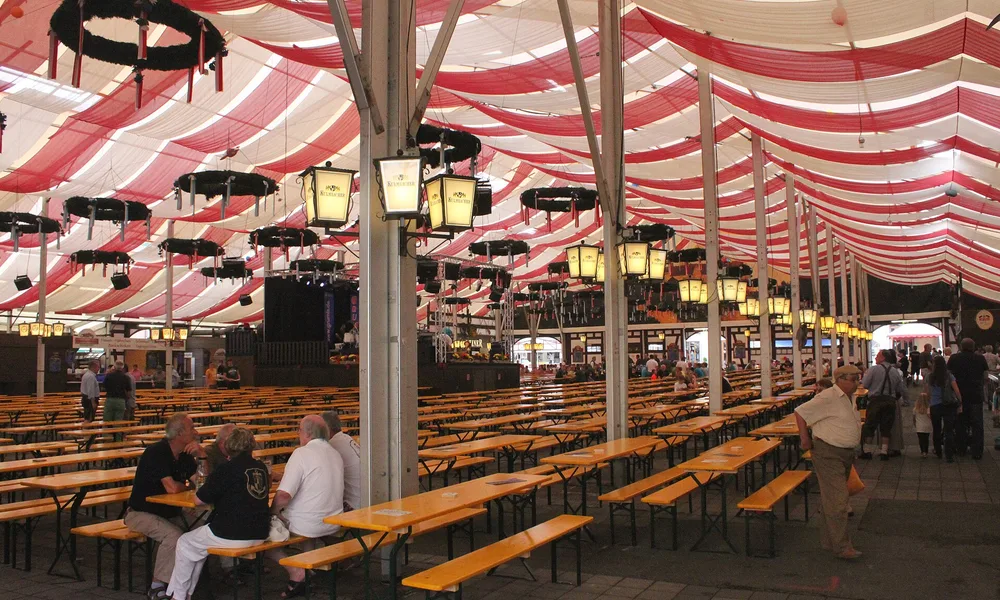
3. The One-Bar Bottleneck: an hour in the queue for every drink
The One-Bar Bottleneck sells thousands of tickets and opens one bar. The queue starts at the entrance and never shortens, because every drink in the festival comes from the same few taps, served by the same few people, to the same long line. You spend an hour in the queue, drink for ten minutes, and join the queue again. A good beer festival spreads its bars across the site; the One-Bar Bottleneck invites the crowd and forgets the bars. Count the bars before you book, and divide the crowd by them.
4. The Same Four Beers: twenty names, one style
The Same Four Beers promises a world of beer and delivers a single style twenty times over. You walk the bar list and every tap pours the same pale lager, or the same bitter, with a different name and a different price. The variety on the website is a trick of naming, because the bars share a supplier and the only real choice is which queue to join. A good beer festival is a tour of different styles; the Same Four Beers is a corridor with one drink repeated. Count the styles, not the names, before you book.
5. The No-Water, No-Food Tent: drinking on an empty stomach
The No-Water, No-Food Tent sells beer and nothing else. There is no free water anywhere on the site, no food stall in sight, and no shop nearby that sells either. You drink on an empty stomach, you grow thirsty between beers, and the only thing to buy is more beer. Water and food are not extras at a beer festival: they are the basics that let people enjoy the beer safely and stay for the day. A good beer festival keeps free water flowing at every bar and brings in food stalls; the No-Water, No-Food Tent spends its money on the entrance arch and forgets both. Before you book, check whether the festival lists water points and food stalls: if it shows neither, and you plan to stay for the day, do not go.

6. The Standing-Room-Only Tent: nowhere to sit with your drink
The Standing-Room-Only Tent sells you a day of drinking and gives you nowhere to sit. There are no tables and no benches, or the tables that exist are reserved for premium ticket holders and fenced off from everyone else. You drink standing in a crowd, balancing a glass in one hand while people push past you on both sides, and there is nowhere to rest, nowhere to put your glass down, and nowhere to eat. A good beer festival provides long tables, benches and shade, open to every ticket holder. The Standing-Room-Only Tent spends its money on the stage and forgets the tables. Look at the photographs before you book: if you cannot see a single open table or bench, assume you will drink standing up.
7. The Last-Orders Rush: the beers you came for, gone
The Last-Orders Rush advertises its headline beers all year and stops serving them before the evening. The beer on the poster, the one the festival is named after, the one every review mentions, runs out by late afternoon, and the bars that served it close their shutters while the festival is still charging at the gate. What is left is the beer nobody came for. The festival knew how many barrels it had and how many tickets it sold, and it sold the tickets anyway. A good beer festival brings enough of its headline beer for the crowd it invited; the Last-Orders Rush sells the beer in every photograph and runs out of it before most visitors have had a second drink. Check past reviews before you book: if visitors keep saying the best beers were gone by evening, believe them.
What to avoid when booking a beer festival
The most common beer festival regret is a wrong expectation: a single bar discovered at the gate, a taster glass that holds nothing, or a beer list that turned out to be one style repeated. Check four things before you pay: how many bars the festival opens, whether the glass size and price are shown, whether water and food are available, and whether the photographs show open tables and seating. The same checks work at the bars where festival beer is sold all year, and our guide to the worst beach bars makes the same point about warm drinks and nowhere to sit, because the traps are the same everywhere.
Checklist: booking a beer festival
- Check how many bars the festival opens and how many taps each bar serves for the crowd it invited.
- Read the beer list with real glass sizes and prices, and work out the cost of one full pint before you book.
- Count the genuinely different beer styles on the list, not the number of names.
- Check that free water and food stalls are available on site, and plan your day around them.
- Look for open tables, benches and shade in the photographs from past years.
- Read past reviews for warm beer, long queues and early sell-outs before you pay for the ticket.
Frequently asked questions
What is the worst type of beer festival?
The Warm Flat Pour, where beer served warm and flat from kegs left in the sun ruins the whole point of a beer festival.
Are small taster glasses at beer festivals always bad?
Not always, but they are the most common trap. A fair taster is priced as a taster; a bad one charges close to a full pint price for a third of a pint.
How much should a pint cost at a beer festival?
Add the ticket, the glass deposit and the token cost, and compare the total with a pub pint. If a small taster costs as much as a full pint in a pub, the festival is charging festival prices for a few sips.
What should I do if a beer festival has no free water?
Bring your own water and plan to drink less, or choose a different festival. Free water is a basic need at a drinking festival.
When is the best time to arrive at a beer festival?
Arrive at opening time if you want the headline beers, because the best barrels often run out by the evening.
How do I know if a beer festival has enough seating?
Look at photographs from past years and count the open tables and benches. If every photograph shows people drinking while standing, the festival has not provided anywhere to sit.
Bottom line
The worst beer festivals of 2026 are the ones that forget the beer: warm flat pours, thimble tasters, one bar for thousands, one style repeated, no water, no food, nowhere to sit and headline beers gone by evening. Check the bars, the glass sizes, the prices and the seating before you book, and the festival will pour you a proper drink instead of charging you for the chance to queue for one.


