
Keep Your Distance From the Worst Landlords of 2026
The worst landlords of 2026 do not look like a problem on the day you get the keys. The flat is tidy, the paperwork is quick, and the landlord smiles as you hand over the deposit. The trouble starts a month later, when the heating fails and nobody answers, or a year later, when the deposit comes back hundreds short for damage you never caused. This guide ranks the worst types of landlord by the damage they do to a tenancy, so you can spot the pattern before you sign.
Key takeaways
- A landlord who will not fix the heating or a leak is not busy: they are telling you how the tenancy will go.
- Photograph everything on move-in day, because a vague inventory is how deposits disappear.
- Damp and mould are the landlord’s problem to fix, not yours to live with or to be blamed for.
- Get every promise in writing, because a spoken promise about repairs or rent is worth nothing later.
- Check the safety certificates before you sign: gas, electrics and smoke alarms are not optional extras.
How the worst landlords of 2026 were chosen
Every type below was scored on five measures. Repair speed comes first: how fast the landlord acts when the heating, plumbing or roof fails. Deposit fairness is second: are deductions evidenced, itemised and reasonable, or vague and inflated? Property condition is third, judged on damp, mould, broken fittings and whether the home is fit to live in. Rent honesty is fourth: the real cost once hikes, charges and surprise fees are counted. Respect for the tenancy is fifth: notice before visits, fair treatment, and treating the home as someone’s home rather than just an asset.
Two notes before the list. First, this guide is about landlords: the owners who decide whether repairs happen, what the rent is and whether the deposit comes back. It is not about letting agents, who manage properties for owners, covered in our guide to the worst letting agents of 2026. The agent may be the person you speak to, but the landlord is the person who decides. Second, no landlord is named as the worst, because the same bad patterns appear in many places.
Comparison table: the worst landlords of 2026
| Rank | Landlord type | Worst habit | What it costs you |
|---|---|---|---|
| 1 | The repair refuser | Heating and leaks ignored for weeks | A home that is cold, wet and unlivable |
| 2 | The deposit keeper | Vague, inflated deductions at check-out | Hundreds lost for damage you never caused |
| 3 | The damp denier | Mould blamed on the tenant, never fixed | Damp that lasts years and harms health |
| 4 | The rent hiker | Sudden hikes with little or no warning | A home you can no longer afford |
| 5 | The unannounced visitor | Enters with little or no notice | No privacy in your own home |
| 6 | The safety skipper | No gas or electrical checks, broken alarms | A home that is not safe to live in |
| 7 | The eviction threatener | Threats as the first reply to complaints | Tenants afraid to report problems |
The worst landlords of 2026
1. The repair refuser: the leak that becomes a flood
This is the worst type of landlord because a home without heating or with a leak is not a home at all. The repair refuser treats every report like an inconvenience. The boiler fails in January and the landlord promises a contractor who never comes. The bathroom leaks, the stain spreads, and the reply is always the same: waiting for a quote. A small leak becomes damp, damp becomes mould, and mould becomes a home that makes people ill. Report every fault in writing, with the date and a photo, and keep copies of every message.
2. The deposit keeper: the money that never comes back
The deposit keeper is the most common complaint in renting, and it starts with a vague inventory. On move-in day the landlord hands over a short checklist, the flat looks fine, and you sign without a second thought. A year later the check-out report claims the carpets need professional cleaning, the walls need repainting and a scuff needs replacing, and the bill runs into hundreds. The worst deposit keepers charge for fair wear and tear and for damage that was already there. Photograph every room, wall and appliance on move-in day, keep the photos with dates, and compare them with the inventory before you sign. A deposit is your money held in trust, not a tip for the landlord, and any deduction should come with a photo, an invoice and a reason you can check.
3. The damp denier: open a window, they say
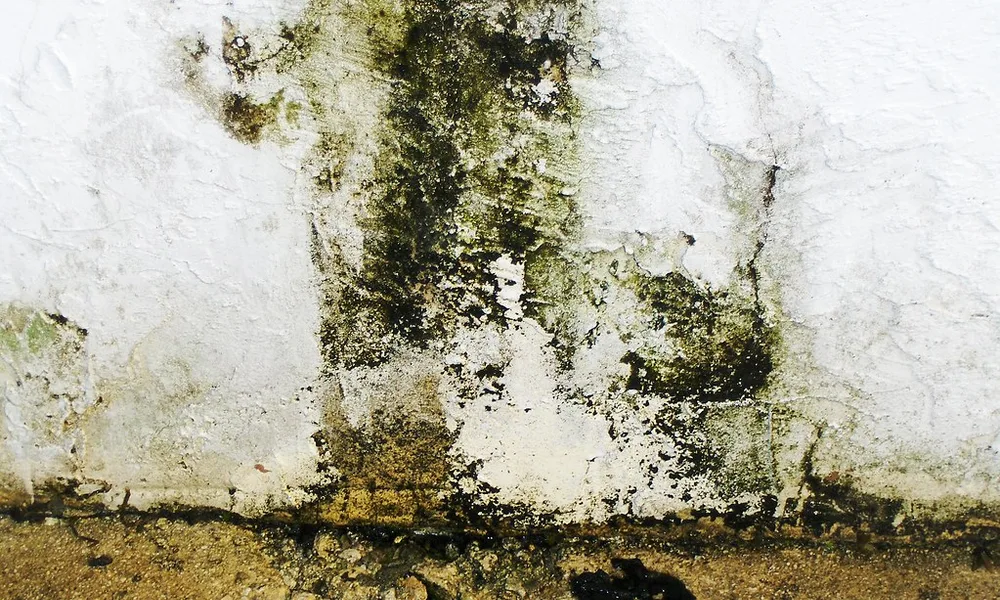
Damp is the landlord’s problem, but the damp denier will tell you it is yours: open a window, dry your clothes outside, wipe the mould away. The mould comes back because the cause is still there: a leaking gutter, a broken damp course, a bathroom with no extractor fan, or walls that were never sealed. Photograph the damp every month and report it in writing. If the landlord still blames you, ask the council’s environmental health team to inspect, because a home with serious damp is a home the landlord is obliged to fix.

4. The rent hiker: the price that jumps
The rent hiker treats the rent as a number that can jump whenever the market moves, with little warning and no regard for the tenant. The increase arrives by text or letter, the new figure far above similar homes nearby, and the message is clear: pay it or move. Moving costs thousands in deposits, fees and disruption, and the landlord knows it. Check what similar homes rent for nearby before you agree to anything, and ask for the increase in writing with proper notice. A sudden jump with no explanation is not the market. It is a landlord testing how much you will take before you leave.
5. The unannounced visitor: your home, their key
A rented home is still your home, but the unannounced visitor treats it like a property they can walk into whenever they like. They arrive without notice, let themselves in while you are out, or bring strangers to view the flat with an hour’s warning. You are entitled to proper notice before a visit, and to refuse entry that has not been agreed. Put the rule in writing at the start of the tenancy, and keep a note of every unannounced visit with its date. A landlord who respects the tenancy gives notice and waits. One who does not is telling you the home is theirs first and yours second.
6. The safety skipper: the checks that never happen
Gas safety checks, electrical checks and working smoke alarms are not favours. They are the basic duties of a landlord, and the safety skipper treats them as paperwork to avoid. The gas certificate is out of date, the alarm batteries are dead, and the landlord has no record of any inspection. The danger is invisible until it is not: a faulty boiler, a sparking socket, a fire with no warning. Ask for the gas and electrical certificates before you sign, and test the smoke alarms on move-in day. If the landlord cannot produce them, do not move in until they can.
7. The eviction threatener: complain and you are out
The eviction threatener answers every complaint with a threat: report the damp and you will get a notice, ask for a repair and the tenancy will not be renewed. The threat works because moving is expensive and disruptive, so tenants stay quiet and live with the problems. Keep every threat in writing, with dates, and do not be frightened into silence: advice services and the council can tell you where you stand. A landlord who threatens eviction instead of fixing a fault has told you everything about how they run their properties.
What to avoid when renting a home
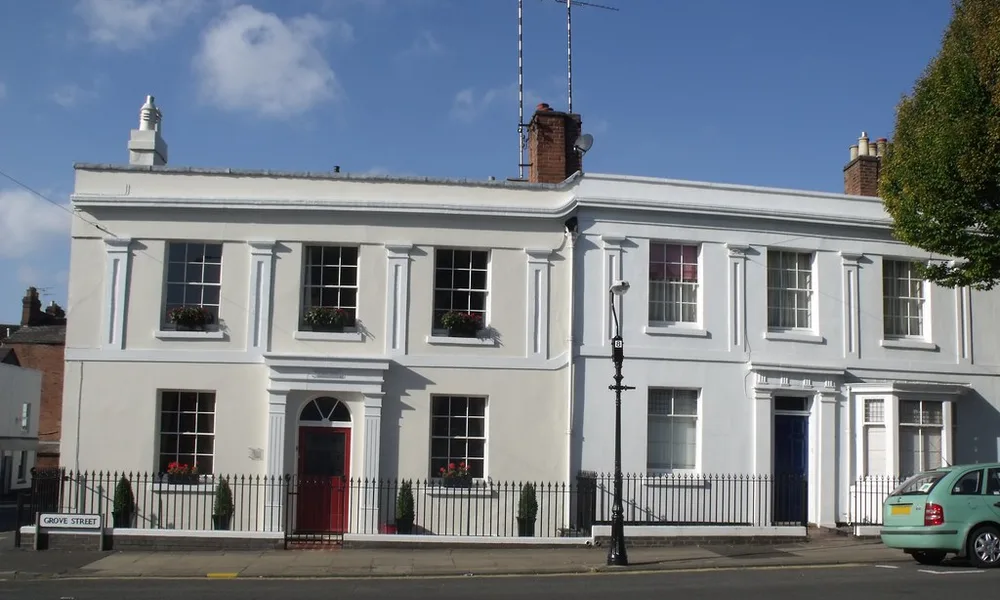
The most common mistake is signing quickly because the flat looks good. The flat is only half the tenancy: the other half is the landlord. Ask who owns the property and who manages it, and get the answer in writing, because the person who shows you round rarely fixes things. Read the tenancy agreement, check the deposit scheme, and ask for the safety certificates before you pay anything. A home inspection before you sign can save years of trouble, and our guide to the worst home inspectors of 2026 shows what happens when the person checking the property misses what matters. If the landlord pressures you to decide on the spot or cannot show the certificates, walk away: a bad landlord does not get better after you sign.
Checklist: renting a home safely
- Ask for the gas and electrical safety certificates before you sign anything, and test the smoke alarms on move-in day.
- Photograph every room, wall and appliance on move-in day, and keep the photos with their dates.
- Compare the inventory with the photos before you sign it, and get any existing damage written down.
- Get every promise about repairs, rent and notice in writing, with a date, and keep copies.
- Check the deposit is protected in a scheme, and keep the certificate and reference safe.
- Report every fault in writing with a photo, and keep a dated record of every reply or silence.
Frequently asked questions
How do I know if a landlord is bad before I sign?
Ask for the safety certificates, and read reviews that mention repairs, deposits and damp rather than star ratings alone. A landlord who will not put promises in writing is telling you how the tenancy will go.
What should I do if my landlord will not fix something?
Report the fault in writing with a photo and a date, and keep copies of every message. If nothing happens, ask the council’s environmental health team for advice.
Can my landlord enter my home without notice?
No. A landlord must give proper notice before a visit, except in a genuine emergency, and you can refuse entry that has not been agreed. Keep a dated note of any visit without notice, and put the rule in writing at the start of the tenancy.
Can my landlord keep my deposit?
Only for real, evidenced costs: unpaid rent or damage beyond fair wear and tear, with a photo, an invoice and a reason you can check. If you disagree, challenge the deduction through the deposit scheme, using your move-in photos as evidence.
What if my landlord raises the rent suddenly?
Ask for the increase in writing with proper notice, and check what similar homes rent for nearby. Buying brings the same traps, and our guide to the worst estate agents of 2026 shows how sellers are pushed into bad deals by the same kind of pressure.
Who do I complain to about a bad landlord?
Start in writing with the landlord, then the council’s environmental health team, and the deposit scheme for deposit disputes. Keep every message with its date.
Bottom line
The worst landlords of 2026 share one habit: they treat the tenancy as income first and a home second, with repairs refused, deposits kept, damp denied and threats used instead of fixes. Check the certificates, photograph everything, get promises in writing, and report faults early. The right landlord fixes things quickly, returns the deposit fairly, and respects the home you live in. Tenants who check those things first rarely need a second landlord.


