Seven Magic Show Types to Skip in 2026
The worst magic shows of 2026 are not the ones with the cheapest props or the smallest audiences. They are the shows that break the one promise every magic act makes: that you will see something you cannot explain, live, in front of you. A bad magic show does the opposite. It shows you a trick you have seen a hundred times, explains it by accident, drags on until the wonder wears off, or hides the magic behind a camera, a screen, or a volunteer who clearly wishes they were somewhere else. This guide ranks the seven worst magic show types of 2026, so you can spot them before you buy a ticket.
Magic is the most fragile form of live entertainment. A comedian can survive a weak joke, but a magic show lives or dies on a single moment: the instant the audience stops believing. The shows below break that contract in different ways, and the patterns are easy to recognise once you know what to look for. The same warning signs show up in other live entertainment too, and our guide to the worst game shows of 2026 makes a similar point about formats that stopped respecting their audiences.
Key takeaways
- The worst magic shows fail on the basics: familiar tricks, visible methods, and pacing that kills the wonder.
- A camera-trick special is not a magic show at all, because the edit does the work the magician should be doing live.
- Humiliating a volunteer is the fastest way to lose a room: the audience stops watching the magic and starts feeling sorry for the person on stage.
- Children are the sharpest magic critics there are, and a party act that talks down to them will be caught out within minutes.
- Small rooms and live close-up shows beat big-screen spectaculars far more often than the ticket price suggests.
How the worst magic shows of 2026 were chosen
Every type below was scored on five measures. Surprise comes first: does the show deliver a moment the audience genuinely did not see coming, or does it recycle tricks everyone already knows? Method is second, judged on whether the secret stays hidden or leaks out in plain sight. Pacing is third, because a show that drags between tricks loses the room faster than a bad trick does. Respect for the audience is fourth, measured by how volunteers are treated and whether the show talks down to the people watching. Value is fifth: the real cost of the evening against the wonder actually delivered.
One note before the list: no real show or performer is named here, because the same bad patterns appear in many places, and what matters is learning to recognise them for your own night out.

Comparison table: the worst magic shows of 2026
| Rank | Show type | Main problem | Watch instead |
|---|---|---|---|
| 1 | Camera-trick TV specials | The edit does the magic, not the magician | Live close-up magic |
| 2 | Heckler-bait audience acts | Volunteers humiliated for laughs | Shows that invite, never ambush |
| 3 | Tired children’s party shows | Same three tricks, talked down to children | Interactive family theatre magic |
| 4 | Self-explaining mentalism | Cold reading dressed up as mind reading | Mentalism with real mystery |
| 5 | Bloated illusion spectaculars | Long set changes, visible wires, dead time | Tight small-theatre illusion shows |
| 6 | Cruise-ship variety magic | Rushed, generic, built for a captive crowd | Shore-based theatre shows |
| 7 | Phone-screen magic acts | Audience watches a tablet, not a magician | Hands-on sleight of hand |
The worst magic shows of 2026
1. Camera-trick TV specials: the edit does the magic
The camera-trick special is the worst kind of magic show because it is not really a magic show at all. The trick happens in the edit suite, not on the stage. A card changes because the camera cut away, and a person vanishes because the shot changed.
A good live magician earns trust by doing the impossible inches from your face, with no place to hide. If a show is advertised with clips that look too clean, or if the trailer never shows a trick in one continuous take, save your money for a live close-up show instead.
2. Heckler-bait audience acts: humiliation dressed as comedy
Some magicians build their whole act around picking on the audience. A volunteer is dragged on stage, given a silly hat, asked a question designed to make them look foolish, and left standing there while the room laughs at them rather than with them. The trick itself is usually an afterthought, and the real product is embarrassment.
The best magic shows invite a volunteer up and make them the hero of the trick, and the room loves them for it. The heckler-bait act does the reverse, and it poisons the evening, because the audience stops watching the magic and starts worrying about who will be picked next.
3. Tired children’s party shows: the same three tricks, talked down
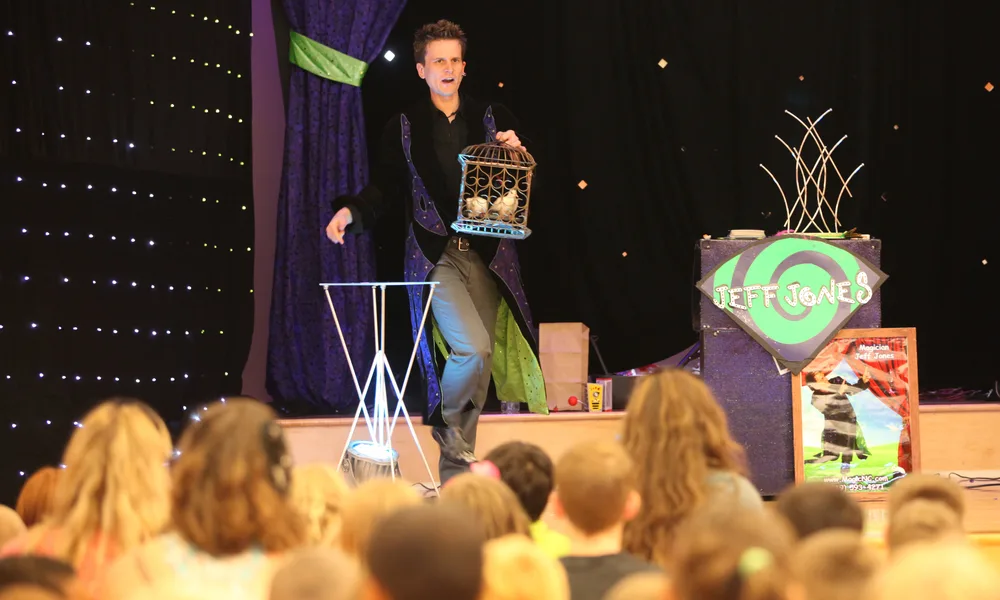
The tired children’s party show is one every parent recognises within five minutes. The magician arrives with a battered case, pulls a rabbit puppet out of a hat, does a card trick the children have already seen on video, and finishes with balloon animals while talking to the room as if everyone in it were four years old.
A good children’s magician knows this and builds the show around it, with tricks the children help to make happen and jokes that work for the adults too. The tired version treats the room as a captive audience that will applaud anything.
4. Self-explaining mentalism: cold reading with the mystery removed
Mentalism should feel like the impossible: a thought read, a number guessed, a secret known. The worst mentalism shows ruin it by explaining themselves as they go. The performer talks at length about body language, tells the audience that anyone could do this with practice, and then performs a guess so broad it could fit anyone in the room. By the end, the audience has not seen a mystery; they have sat through a lecture on cold reading.
The giveaway is the language. A good mentalist keeps the method invisible and lets the effect speak, and the audience leaves arguing about how it was done. A bad one narrates the method, hedges every guess with questions, and blames the volunteer when a guess misses.
5. Bloated illusion spectaculars: long waits, visible wires
The big illusion spectacular promises the most and delivers the least per minute. The stage is huge, the boxes are bigger, and the show spends half its running time on set changes, dancers, and smoke while the audience waits for the next trick.
Scale is the trap. A levitation in a small theatre, six feet from the audience, is astonishing, because there is nowhere to hide. The same effect on a stadium stage needs so much machinery that the machinery becomes the show. If a show’s running time is padded with dance numbers, the spectacle is doing the work the magic should be doing.

6. Cruise-ship variety magic: built for a captive crowd
Cruise-ship and holiday-park magic has a structural problem: the audience cannot leave. The magician knows it, the audience knows it, and the act is built accordingly. The show is short and generic, pitched at everyone at once, which means it is really pitched at no one.
But that is exactly why it is a bad buy for anyone who cares about magic. The same evening ashore, at a small theatre or a magic bar, buys a show built for that room and that audience. If the magic is listed between the bingo and the disco, treat it as background entertainment and spend the money on a proper theatre show in port.
7. Phone-screen magic acts: watching a tablet, not a magician
The newest worst type is the phone-screen act, where the magician’s main prop is a tablet or a phone, and the audience spends the show watching a screen. The trick may be clever, but the audience did not come to watch a screen. They came to see something happen in the room, in front of them, with their own eyes.
Sleight of hand never dates in the same way, because a coin vanishing from a hand is impossible in every decade. If the publicity photos show a glowing screen rather than a pair of hands, expect a technology demo. The best close-up magic still happens with cards, coins, and a pair of hands, inches away from you.
What to look for instead
The best magic shows are easy to recognise once you know the pattern. Look for a small room, a live audience in the photos, and a performer whose publicity shows a trick happening in one unbroken moment rather than a poster pose. Close-up magic at a table, a small-theatre illusion show, and a family magic act with recent reviews are all safer bets than a big-screen spectacular. The same judgement applies to other entertainment that trades on surprise, and our guide to the worst horror movies of 2026 shows how a genre fails when it leans on cheap shocks instead of earning its scares. And if the night is about more than magic, our guide to the worst reality TV shows of 2026 shows how formats go wrong when they stop respecting the people watching.
Checklist: booking a magic show in 2026
- Watch one full unedited clip before you book, and skip any act whose best moments all happen on a camera cut.
- Read the recent reviews for mentions of volunteers, and avoid any show where the audience is the joke.
- Check the room size and your seat distance, because a levitation from the back row is a set change with wires.
- Ask what the show actually contains, and beware of any act that will not name a single trick.
- Prefer small rooms and live close-up shows over big-screen spectaculars at the same price.
- Book the show, not the screen: if the publicity leads with a tablet, the magic is happening in the device.
Frequently asked questions
What makes a magic show bad?
A magic show is bad when it breaks the promise of live impossibility: the trick is familiar, the method is visible, the pacing drags, or the audience is treated badly. One weak trick is forgivable; a whole evening of them is not.
Are TV magic specials real magic?
Some are, and the good ones prove it with long unbroken takes in front of a live audience. The bad ones rely on camera cuts, which means the television is doing the trick.
Is audience participation in magic shows safe?
Yes, when the volunteer is treated as the hero of the trick. A good magician makes the volunteer look clever and the room applauds them.
What is the best kind of magic show for children?
An interactive family theatre show where children help make the magic happen. Children watch the hands closely, so the act has to be genuinely good.
How can I tell if a mentalism show is genuine?
You cannot tell how it is done, and that is the point. A good mentalism show leaves you arguing about the method afterwards.
Are big illusion spectaculars worth the ticket price?
Only if the seats are close and the show is tight. A levitation from six feet away is astonishing, and the same effect from the back of a stadium is a set change with wires.
Bottom line
The worst magic shows of 2026 all fail the same test: they ask you to believe in something you can see through, or to sit through something that treats you as a captive audience. The best shows do the opposite. Book the small room, watch one unedited clip first, and skip any act whose magic happens on a screen or on a camera cut.