
The Worst Sports Headbands to Reject in 2026
The worst sports headbands of 2026 are not the ones in a colour you would never pick or with a pattern you do not like. The worst sports headbands fail in much more basic ways: they slip down over your eyes, ride up off your forehead, squeeze until your head aches, soak through in minutes, or stretch out of shape after a handful of wears. This guide ranks the worst types, so you can spot a bad headband before you pay for it and spend a whole session pushing it back into place.
Key takeaways
- The worst sports headbands are types and patterns, not teams: the same slipping elastic, tight bands and soggy terry turn up in every sport.
- A headband that does not stay put is worse than no headband at all: a band that slides is a distraction you wear on your face.
- Headbands hold hair back; sweatbands absorb sweat. Judge a headband on grip and comfort, not on how much sweat it soaks up.
- Tight elastic, bulky knits and bands that bunch into a rope are the first signs of a bad design, so check the fit and the fabric before you buy.
- Buy for grip, comfort and washability first, and treat colour as a bonus.
How the worst sports headbands were chosen
Every type below was scored on five measures. Grip comes first: does the band stay where you put it through a whole session, or does it slip, ride up and need constant adjusting? Comfort is second, judged on whether the band presses, pinches or gives you a headache by the end of an hour. Sweat handling is third, covering how the band copes with a hard workout without turning into a soggy weight on your forehead. Fabric is fourth, because a band that bunches, pills or stretches out of shape is unwearable within weeks. Value is fifth: does the price match what you get? No real team or person is named here, because the point is the pattern, not the club. our guides to the worst sports caps of 2026 and the worst sports jerseys of 2026 cover the types that let athletes down in other parts of the kit.

Comparison table: the worst sports headbands of 2026
| Rank | Headband type | Main fault | What to do instead |
|---|---|---|---|
| 1 | The Slipping Elastic | Slides down over your eyes | Pick a wide band with grip inside |
| 2 | The Sweat-Soaked Terry | Heavy and soggy within minutes | Choose a thin, quick-drying band |
| 3 | The Headache Squeeze | Elastic too tight, aches by half-time | Buy your real size, test the stretch |
| 4 | The Bulky Knit | Hot, heavy, slides off in seconds | Keep knits for cold days off the pitch |
| 5 | The Bunching Bandana | Folds into a tight rope | Pick a sewn, shaped band |
| 6 | The Fading Print Band | Print cracks and peels after washing | Choose dyed fabric, not printed |
| 7 | The One-Size Stretch-Out | Loses its elastic and sags | Stretch it hard in the shop first |
The worst sports headbands of 2026
1. The Slipping Elastic: the worst sports headband of all
The slipping elastic is the worst sports headband you can buy, and it is not close. Then you start moving, and the truth comes out: with every step, every jump and every header, the band creeps a little further down your forehead, until it is sitting on your eyebrows and you are pushing it back up with one hand. This one is a thin loop of smooth elastic with nothing to hold it in place, and sweat makes it worse, turning the band into a slide that moves a little further with every drop. Check before you buy by pulling the band on and shaking your head hard from side to side: if it moves, it will move when it matters. A headband that cannot stay put has failed at its only job.
2. The Sweat-Soaked Terry: a sponge on your forehead
The sweat-soaked terry looks like the honest choice: thick towelling, soft against the skin, and a promise to catch every drop before it reaches your eyes. The trouble is that thick terry does not just catch sweat, it keeps it. A headband is not a sweatband: a sweatband is built to absorb and is meant to be wrung out, while a headband is built to hold hair back and should stay light. Check before you buy by wetting the band and wringing it out: if it holds a cup of water and takes hours to dry, leave it on the shelf. A headband should manage sweat, not store it.
3. The Headache Squeeze: tight is not the same as secure
The headache squeeze is the band that confuses tightness with grip. It clamps onto your head the moment you pull it on, and for the first five minutes it feels wonderfully secure: nothing is going anywhere. Then the pressure builds. A dull ache starts at the temples, the band leaves a red line across your forehead, and by half-time you are counting the minutes until you can take it off. A good headband holds with width and grip, not with pressure, and you should be able to wear it for a whole session without noticing it is there. Check before you buy by wearing the band for five full minutes in the shop: if your temples throb or the band leaves a mark, it will only get worse when you are hot and moving.
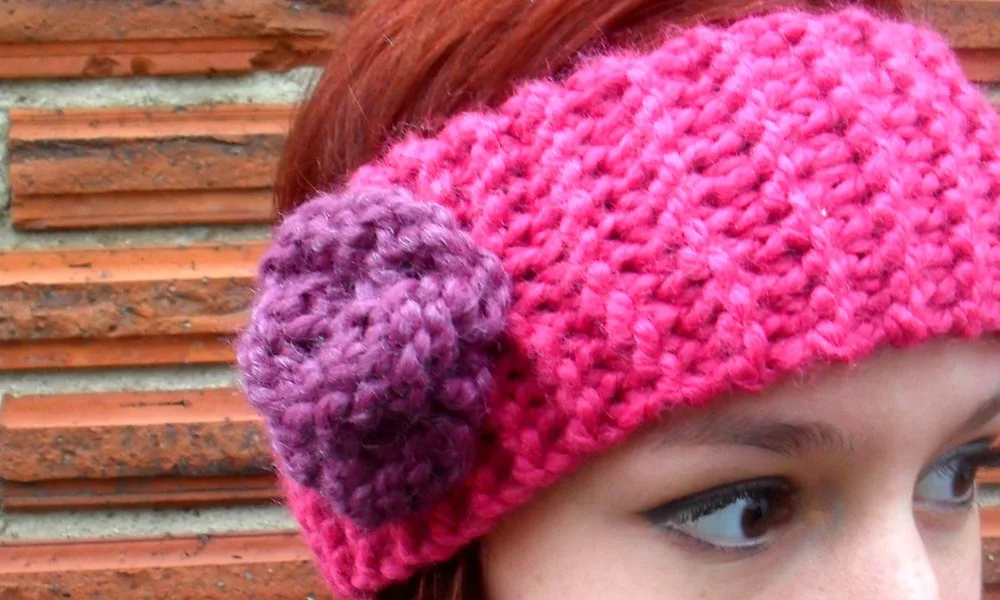
4. The Bulky Knit: made for the sofa, not the pitch
The bulky knit is the headband that belongs on a winter walk, not in a workout. It is thick, soft and warm, and it looks charming in the shop, all chunky stitches and cosy colours. Worse, a knit band has no real grip at all, so the moment you start moving it slides, bunches and ends up somewhere it was never meant to be. A good sports headband is thin, light and shaped to the head, and it disappears once you start playing. Keep knitted bands for cold days off the pitch, and buy a proper sports band for the game itself. The same trap waits in other fan and kit choices, and our guide to the worst sports bags of 2026 shows how the wrong material ruins a bag no matter how good it looks in the shop.
5. The Bunching Bandana: a rope, not a band
The bunching bandana starts the session as a wide, flat band and ends it as a tight little rope. It is a single piece of thin fabric, folded over and tied at the back, with no shaping, no stitching and nothing to hold it flat. A good headband is sewn into its shape, with seams that keep it flat and a width that stays wide from the first minute to the last. This one relies on the fabric staying flat by itself, and fabric never does. Check before you buy by scrunching the band in your fist and letting go: if it stays scrunched, it will bunch on your head. A band that cannot stay flat cannot do its job.
6. The Fading Print Band: bright for a week
The fading print band is the headband that looks best on the day you buy it and worst on every day after. The print is bright, the colours pop, and the design is the whole reason you picked it up. Then you wash it once, and the cracks appear: fine white lines across the print, edges lifting at the seams, colours that were vivid yesterday looking tired today. A good headband gets its colour from dyed fabric, which runs through the fibres and survives wash after wash. Check before you buy by stretching the band hard and looking at the print: if you can see cracks or white lines when it stretches, the print is already failing. Buy the colour in the fabric, not on top of it.

7. The One-Size Stretch-Out: loose by the third wear
The one-size stretch-out is the band that fits perfectly exactly once. The first time you wear it, the elastic is snug, the band sits flat, and everything works. The third time it slides down over your eyebrows, and by the fifth wear it is a limp loop that will not stay on your head at all. A good headband uses proper elastic that springs back after every wear, or it comes in real sizes so the fit does not depend on the elastic alone. This one depends on elastic that was never up to the job, and the band is built to fail. Check before you buy by stretching the band hard and letting it snap back, three times in a row: if it comes back a little longer each time, it will be useless within a month.
Before you buy checklist
- Shake your head hard with the band on: if it moves in the shop, it will move in the game.
- Wear it for five full minutes: any ache or red mark now means a headache by half-time.
- Wet it and wring it out: a band that holds water and dries slowly will be a soggy weight.
- Scrunch it in your fist: if it stays scrunched, it will bunch into a rope on your head.
- Stretch it hard three times: if it comes back longer each time, the elastic is already failing.
- Check the print and the seams: cracks when stretched and loose stitching mean it will not survive the wash.
Frequently asked questions
What is the difference between a headband and a sweatband?
A headband holds hair back and stays light; a sweatband absorbs sweat and is meant to be wrung out. The two overlap, but a headband should be judged on grip and comfort, while a sweatband is judged on absorbency and drying time.
How tight should a sports headband be?
Snug enough to stay put when you shake your head, but loose enough to wear for a whole session without a headache. If it leaves a red mark after five minutes, it is too tight.
Why does my headband keep slipping down?
Usually because it is too thin, too smooth, or too narrow to grip. A wider band with a grippy lining holds far better than a thin loop of smooth elastic, and sweat makes a smooth band slip even faster.
Are wide headbands better than thin ones?
For most sports, yes: a wider band grips more, holds more hair, and spreads the pressure so it does not dig in. Thin bands suit short sessions and fine hair, but they slip sooner and bunch faster.
How often should I wash a sports headband?
After every two or three hard sessions at most. Sweat stiffens the elastic, breeds smells, and breaks the fabric down, so a band that is never washed will stretch out and stink long before it should.
Can I wear a headband with a cap?
You can, but the two fight for the same space. A thin band under a cap can stop sweat running into your eyes, but a bulky band will push the cap up and make both of them slip, so keep the band thin if you wear both.
The bottom line
The worst sports headbands of 2026 all fail the same simple test: they do not stay put, they do not stay comfortable, or they do not stay in shape. Buy for grip, comfort and washability first, test the fit in the shop, and leave the slippery, soggy and sagging ones where they belong.


