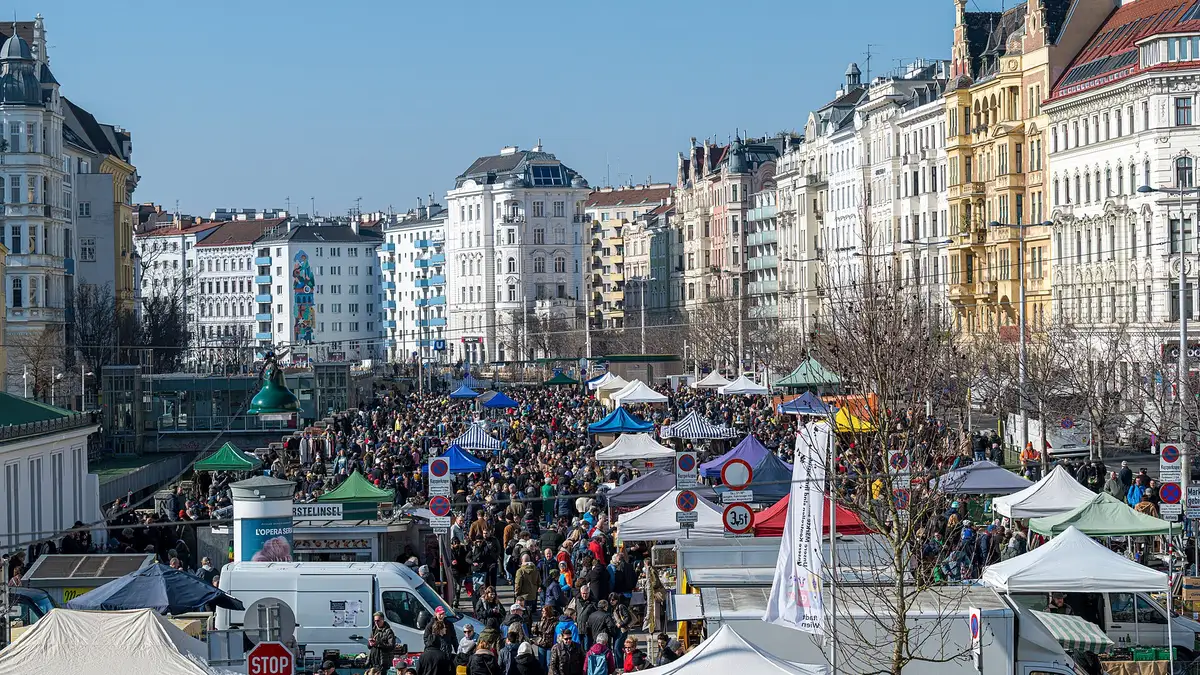
Worst Markets to Kick to the Kerb: The Worst Sports Markets of 2026
The worst sports markets of 2026 are not the quiet ones with a handful of honest stalls. A small market with fair prices can be the best part of a matchday, and a famous one can still waste an afternoon. The worst sports markets fail in a simpler way: they charge a premium for a shopping trip that never lets you buy anything worth carrying home. This guide ranks the worst types of sports market, so you can spot a bad one before you hand over your money.
Key takeaways
- If every stall sells the same imported goods at triple the price, you are in a trap, not a market.
- Hidden prices, cash-only tills and no change turn a quick browse into a bad buy, and all three are visible before you pay.
- A market with more shuttered stalls than open ones is selling you the memory of a market, not a market.
- Identical stalls, identical stock and identical prices are the clearest warning sign a market can give you.
- Walk the whole market before you buy, check the price on three stalls, and keep your money for a seller who can answer a question.
How the worst sports markets were chosen
Every type below was scored on five measures. Choice comes first: how many genuinely different stalls are there, and how much of the stock is the same item with a different label? Honest pricing is second, judged on whether prices are shown, whether they change when you ask, and whether the price matches what the same goods cost elsewhere. Quality is third: does what you buy survive the journey home? The sellers are fourth, because a market lives or dies on whether the people behind the stalls know their stock.
No individual market is named here, because the problem is the pattern, not the place: the same seven types turn up outside every ground. This is about the market itself, not the things you take home: our guide to the worst sports souvenirs of 2026 ranks the items that waste your money after you have bought them.
Comparison table: the worst sports markets of 2026
| Rank | Market type | Main fault | What it costs you |
|---|---|---|---|
| 1 | The Tourist-Trap Stall Row | Identical imported goods at triple the price | Triple the price for third-rate goods |
| 2 | The Fake-Goods Bazaar | Whole rows of counterfeit kits and shirts | A fake that falls apart, with no returns |
| 3 | The No-Price-Tag Maze | Nothing priced, every price invented on the spot | Hours of haggling for a bad deal |
| 4 | The One-Stall Monopoly | A single seller for the whole ground | No choice and no reason to price fairly |
| 5 | The Cash-Only Dead End | No cards, no change, no cash machine nearby | A long walk for cash, or an empty-handed trip |
| 6 | The Closing-Time Clearance Trap | Half-shuttered stalls and last-one pressure | A rushed buy you regret by the station |
| 7 | The Empty-Aisle Market | More shuttered stalls than open ones | An afternoon spent walking past closed shutters |
The worst sports markets of 2026
1. The Tourist-Trap Stall Row: the worst market of all
The Tourist-Trap Stall Row is the worst sports market you will ever walk through, and it is not close. The stalls stretch down both sides of the street, the bunting is bright and the music is loud, and every stall sells the same things: the same scarves, shirts, plastic trophies and key rings, all at three times the price they cost anywhere else. The signs are plain: the stalls nearest the ground charge the most, nobody will say where the goods were made, and the tenth stall is a copy of the first. A good market has stalls that differ from each other, so walk the full row first, and if every stall is a copy, keep your money.
2. The Fake-Goods Bazaar: rows of counterfeits
The Fake-Goods Bazaar does not hide what it is, and that is part of the trick. The shirts carry the colours and crest shapes you recognise, the prices feel like a bargain, and up close the stitching wanders, the crest is slightly wrong, the fabric is thin enough to see through and the label is a name you have never heard of. The seller will be gone by the next match, so there is nobody to take the shirt back to. A fake shirt is the most expensive cheap shirt you will ever buy, because the print cracks and the seams give way before the second match.
3. The No-Price-Tag Maze: every price invented on the spot
The No-Price-Tag Maze is the market where nothing has a price on it. You pick up a scarf, you ask what it costs, and the seller looks at you before answering, because the price depends on who is asking, what time it is and how many buyers are standing nearby. The same scarf costs one price before kick-off and another after it, and the fan next to you paid something different again. Ask the price on three stalls before you buy anything, and walk away from any stall that will not show you a price in writing.
4. The One-Stall Monopoly: one seller, no choice
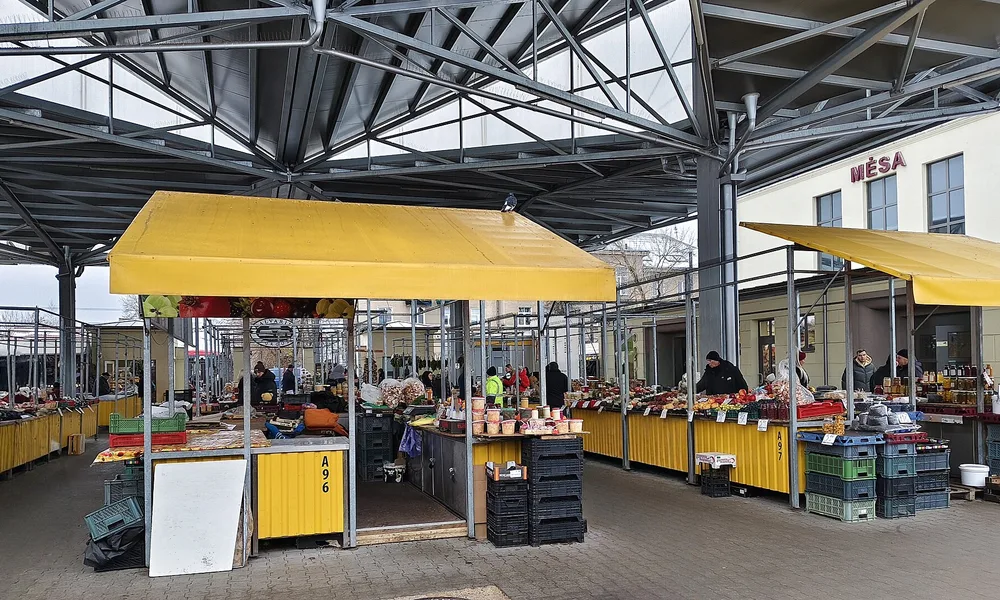
The One-Stall Monopoly is the market with a single stall for the whole ground, usually the only one allowed inside the gates or on the walk from the station. It sells a little of everything and none of it well: a few shirts, scarves and hats, all at the price the seller chooses, because there is nobody else to compare with. The queue is long, the stock is thin, and by half time the sizes you want are gone. Buy nothing there; buy before you arrive, or wait until you are back in town, where sellers have to compete.
5. The Cash-Only Dead End: no cards, no change
The Cash-Only Dead End looks like a proper market until you try to pay. The stall has what you want at a fair price, and then the seller shakes their head at your card. There is no card machine, no phone payment and no change for a large note, because the float ran out an hour ago. The nearest cash machine is a fifteen-minute walk away through the crowds, and by the time you return the stall has sold the last one to someone with cash. Check before you queue: if the first stall cannot take a card, assume none of them can.
6. The Closing-Time Clearance Trap: last one, no returns
The Closing-Time Clearance Trap starts when the shutters come half down and the sellers start shouting about last ones and final prices. The stall looks like it is closing, the stock looks like it is running out, and the seller tells you the shirt in your hands is the last one in your size. None of it is true: the same stall will be back next week with the same stock at the same price, because clearance is the permanent state of this market. A real bargain does not need a countdown, so walk past the half-shutters and buy the things you wanted at the start of the day.

7. The Empty-Aisle Market: a market in name only
The Empty-Aisle Market is the saddest failure on this list, because it was probably a good market once. The signs are still up, the website still lists fifty stalls, and what you find is a dozen open stalls spread across a space built for fifty, with shuttered fronts and empty tables. The few sellers who stayed are good ones, but they cannot carry a whole market between them. A market that has lost its crowds is not so different from a festival that has lost its programme, and our guide to the worst sports festivals of 2026 makes the same point about checking what is actually there before you pay.
What to avoid when you shop a sports market in 2026
The most common market regret is not a bad buy but a bad habit: buying at the first stall, trusting the first price, and discovering the faults only when you are home. Avoid the trap by checking three things before you pay: compare the same item on three stalls; ask for the price in writing and check whether the stall takes cards; and feel the fabric and check the stitching before you pay. The same checks work for the ground itself, and our guide to the worst sports stadiums of 2026 shows how a famous venue can spoil the day in a similar way.
Checklist: shopping a sports market in 2026
- Walk the full market before you buy anything, and note which stalls are copies of each other.
- Ask the price of the same item on three stalls, and walk away from any stall with no price shown.
- Check that the stall takes cards, and carry enough cash for a small buy if it does not.
- Feel the fabric, check the stitching and hold the item to the light before you pay.
- Buy the things you wanted at the start of the day, not the ones you are hurried into at closing time.
- Check recent photographs of the market before you travel, and skip any market whose aisles look empty.
Frequently asked questions
Are sports markets always overpriced?
No. A good market charges a fair price for goods you cannot find elsewhere. The overpriced ones are easy to spot: every stall sells the same imported goods, nothing has a price tag, and the prices fall the moment you start to walk away.
How can I tell a fake shirt from a real one?
Check the stitching, the crest and the label. A real shirt has even stitching, a matching crest and a label from a maker you recognise. A fake has wandering seams, a crest that is slightly wrong, thin fabric and an unknown label.
Should I haggle at a sports market?
Yes, but start from a real price. If the stall shows a price, a polite offer below it is fair. If nothing is priced, ask for the price on three stalls first, because a seller who invents a price is guessing what you will pay.
Is it safe to buy from a market stall with no receipt?
It is risky, because without a receipt you have no way to return a faulty item, and the stall may not be there next week. Pay by card where you can, and keep the receipt for anything costly.
Why do some sports markets have so many empty stalls?
Markets lose stalls when rent stays high and crowds fall away, and once a few close, the rest follow. An empty market is not always a bad one, but check recent photographs before you travel, because the market on the website may be years out of date.
What is the best time to visit a sports market?
Mid-morning, before the rush and after the stalls are set up. The stock is full, the sellers have time to answer questions, and the prices are at their most honest. Late in the day the stock is picked over and the closing-time pressure begins.
Bottom line
The worst sports markets of 2026 sell you the same goods at the same inflated prices from the same copied stalls, with no prices shown, no cards taken and no returns offered. Walk the whole market before you buy, compare the price on three stalls, and keep your money for a seller who can say what they are selling and why it is worth the price. The market will still be there next week, and so will your money, if you do not spend it on the first stall you see.


