Keep Clear of the Worst Sports Taxis of 2026: Seven Rides That Ruin Match Day
The worst sports taxis of 2026 are not the oldest cars. They fail in much more basic ways: they charge three times the normal fare the moment the whistle blows, leave fans standing in a rank queue that never moves, drop you at the wrong ground, or refuse the trip altogether. This guide ranks the worst types of sports taxi in 2026, by the ride itself, so you can spot a bad one first.
Key takeaways
- A sports taxi is judged by the match: if the ride cannot get you there before kick-off, it has failed.
- The fare on the meter is never the fare you agreed: agree price or route before the doors close.
- The rank queue is the real timetable: if it is not moving, neither are you, and the match starts without you.
- A taxi that refuses a short trip is not a taxi: a car waiting for a bigger fare while you wait in the rain.
- Check fare, queue, drop-off and driver before you ride, and walk away from any taxi that hides them.
How the worst sports taxis of 2026 were chosen
Every type below was scored on five measures. Price comes first: does the ride cost what a fan would expect, or does the fare multiply the moment the match ends? Waiting is second: how long before a car arrives? The drop-off is third: a taxi that stops at the wrong place has failed at its one job. Honesty is fourth: meters that run fast, routes that wander, prices agreed and then forgotten. The return journey is fifth: a taxi that gets fans there and leaves none for the way home is only half a service.
Two notes before the list. First, no real driver or firm is named as the worst: the same bad patterns turn up in taxis everywhere. Second, this is about the hired car itself, not the shared bus on the same route: our guide to the worst sports shuttles of 2026 covers the shuttle service, while this guide covers the taxi you hail, book or queue for.
Comparison table: the worst sports taxis of 2026
| Rank | Taxi type | Main fault | Worst moment |
|---|---|---|---|
| 1 | The surge-price taxi | Fare triples after the whistle | Paying a day’s wages for ten minutes |
| 2 | The endless rank queue | Queue that never moves | Hearing kick-off from the rank |
| 3 | The wrong drop-off taxi | Stops at the wrong ground | A forty-minute walk in the rain |
| 4 | The meter that never stops | Fare climbs while the car crawls | Watching the numbers spin at lights |
| 5 | The taxi that refuses the trip | Short trips turned away | Three empty cabs, no ride |
| 6 | The shared-taxi squeeze | Strangers added to your ride | Four in the back, bags on laps |
| 7 | The no-taxi night | No cabs at all after the match | Walking home in the dark |
The worst sports taxis of 2026
1. The surge-price taxi: the worst taxi of all
The surge-price taxi is the worst type, because it turns the simplest ride into a gamble. The fare is fair on the way in, then it triples the moment the whistle blows. The app shows a price climbing while you watch, the driver quotes a fixed fare unrelated to the meter, and the ride home costs more than the match ticket.
The trick is always the same: demand peaks, supply does not, and the fan pays. A fair taxi charges the metered fare, or a fixed fare agreed first. Before the match ends, check the price home, and if it has tripled, walk ten minutes from the ground first.
2. The endless rank queue: hearing kick-off from the rank
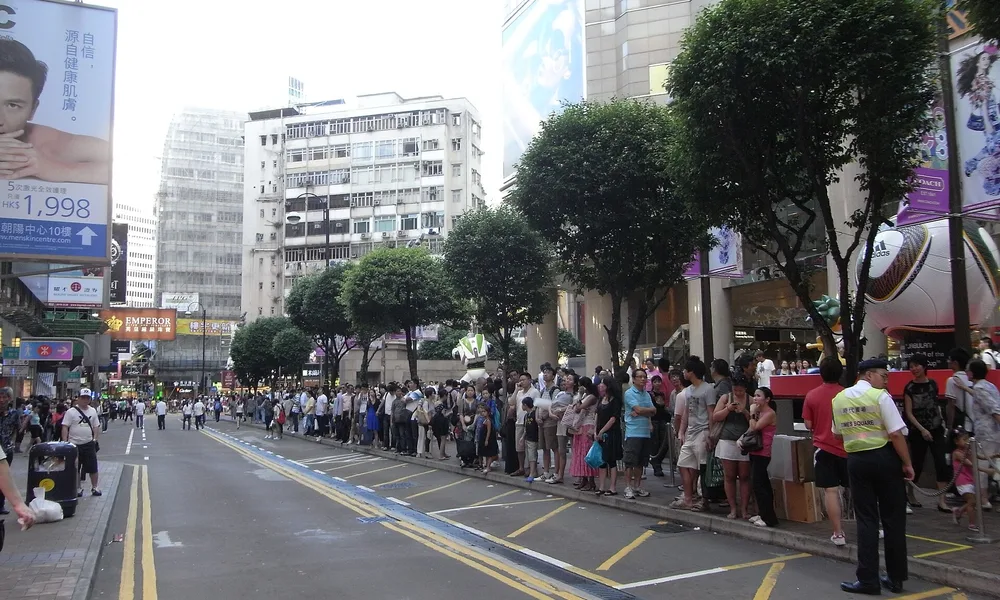
The endless rank queue is the stand where the queue is the journey. Fans join it an hour before kick-off, and it moves so slowly that the first fans are still there when the match starts. Cars arrive one at a time, or not at all, while the rest watch the minutes pass. A rank that cannot clear itself before kick-off is not a service.
The queue is worst where the rank is the only way out: one stand, one road, every fan in the same line. Check the rank before you rely on it, and keep a second plan: a bus stop, a station, a pick-up point nearby. The same trap ruins whole trips too: our guide to the worst sports travel of 2026 shows how a journey with no way home strands fans.

3. The wrong drop-off taxi: a forty-minute walk in the rain
The wrong drop-off taxi keeps its promise in the narrowest way: it takes you toward the ground, but stops so far away that the ride barely matters. You step out into a side street on the edge of town, and the ground is a distant shape. The walk takes forty minutes in the rain, with no signs, and by the time you arrive your shoes are ruined and your temper is gone.
A good drop-off is under fifteen minutes on a paved, lit route: ask where the car stops before you get in. Show the driver the ground on a map, agree the exact drop-off, and refuse any stop that leaves a long walk. If the driver will not take you to the gates, take the next car.
4. The meter that never stops: watching the numbers spin
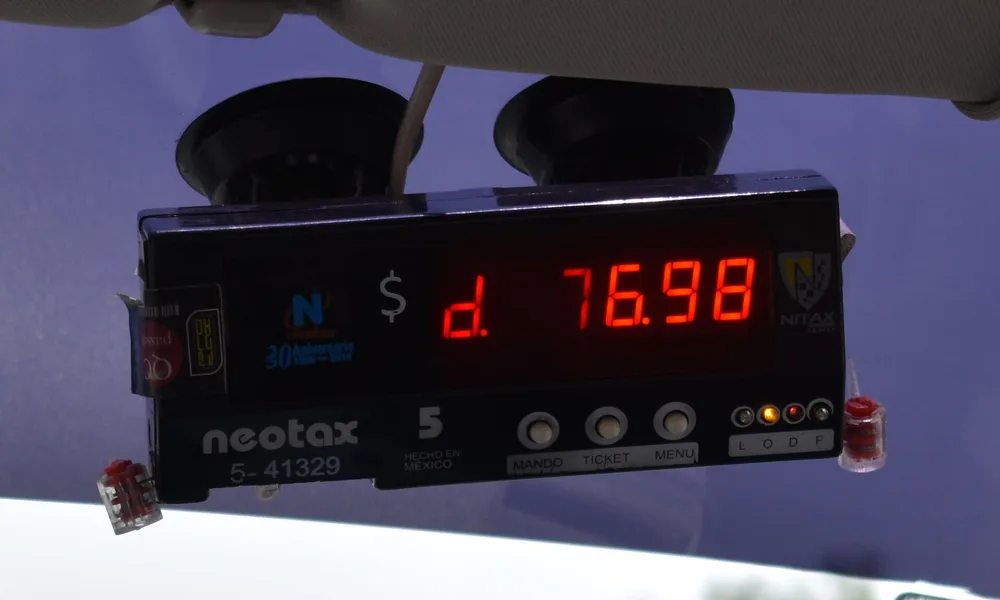
The meter that never stops is the taxi where the fare climbs while the car crawls. The driver takes the long way round, sits in traffic any local would avoid, or circles the block while the meter ticks. At every red light the numbers spin, and by the time you arrive the meter shows twice what the ride should have cost.
Know the route and the rough fare before you ride. A phone map shows the direct route and time, so a driver who turns away from it has explaining to do. Agree a fixed fare for a short ride, watch the meter, and if the numbers climb while the car stands still, ask to be let out. A fair meter only moves when the car does.
5. The taxi that refuses the trip: three empty cabs, no ride
The taxi that refuses the trip is the car that is there and yet is not. It sits at the rank with its light on; the driver asks where you are going, then shakes his head: too short, wrong direction, not worth it. The next car does the same, and the next, and three empty cabs later you are still on the kerb. This one only takes the fares it likes.
Refusals cluster where the short trip is the honest one: the station two minutes away, the hotel round the corner. Book ahead, and use an app that assigns the car before the driver sees the destination. If a driver refuses you at the rank, note the car and move on: a driver who refuses a short trip will not treat a long one better.
6. The shared-taxi squeeze: four in the back, bags on laps
The shared-taxi squeeze is the ride you booked for two that arrives carrying four. The driver stops to collect strangers, or waves in extra passengers at the rank, until the back seat holds four fans, bags are on laps, and nobody can reach a seat belt. The fare is split, or it is not, and the extra stops double the ride.
A taxi you booked is yours alone unless you agreed to share it: one party, one destination, no extra pickups. If the driver adds passengers anyway, get out at the next safe stop. A shared ride you did not agree to is not a bargain: a stranger’s journey bolted onto yours, costing time, space and the seat belt you paid for.
7. The no-taxi night: walking home in the dark
The no-taxi night is the cruellest type, because there is no taxi at all. The match ends, the crowd pours out, the rank is empty, the app shows no cars, and the phone number rings out. The few cars that pass are already full, and the fans who planned to ride home are left to walk: miles in the dark, with no pavement and no plan.
Book the ride home before the match starts, not after it ends. A pre-booked car with a fixed time and pick-up point is the only taxi you can count on when fifty thousand fans all want one at once. Keep a backup: the last train, the night bus, or a hotel within walking distance. The same lesson applies to every ride home, as our guide to the worst sports buses of 2026 shows when the coach home never turns up.
What to avoid when booking a sports taxi
The most common regret is not a bad taxi but a wrong match: a rank queue with no backup plan, a fare never agreed, a drop-off never checked. Check four things before you ride: the fare, agreed in advance or on the meter; the queue, and whether it is moving; the drop-off, and how far it is from the gates; and the ride home, booked before the match starts. If any of those four is missing, the taxi is a gamble, not a plan.
Checklist: booking a sports taxi
- Agree fare or route before the doors close: never ride on a price you have not seen.
- Check the rank queue is moving before you join it, and keep a second way home.
- Agree the exact drop-off on a map, and refuse any stop a long walk from the gates.
- Book the ride home before the match starts, with a fixed time and pick-up point.
- Refuse a shared ride you did not agree to: one party, one destination, no extra pickups.
- Save the booking number and the driver’s details, and know the local fare rules before you travel.
Frequently asked questions
How do I avoid surge pricing after a match?
Walk ten minutes from the ground before you book, or book the ride home before the match starts. The fare falls fast once you leave the crowd, and a pre-booked fixed fare cannot surge.
Should I queue at the rank or book an app taxi?
Book ahead where you can. The rank is fine while the queue moves, but an app taxi with a fixed pick-up beats a queue that has not moved in twenty minutes.
What should I do if the driver refuses my trip?
Move on to the next car, and use an app that assigns the car before the driver sees the destination. Note the car to report it, but do not argue on the kerb.
How do I know if the meter is running fast?
Know the route and rough fare before you ride, and watch the meter from the start. A fair meter only moves when the car does; a driver who takes the long way round should explain why.
Is it safe to share a taxi with strangers?
Only if you agreed in advance, through a proper shared-ride booking. A driver who adds strangers to a private booking has broken the deal: get out at the next safe stop.
What is the best backup if there are no taxis after the match?
The last train or night bus, checked before the match, or a hotel within walking distance. Never leave the ground with no way home and no plan.
Bottom line
The worst sports taxis of 2026 are the ones that forget the fan: the fare that triples after the whistle, the queue that never moves, the drop-off at the wrong ground, the meter that never stops, the car that refuses the trip, the ride shared without asking, the night with no taxis. Agree the fare, check the queue, confirm the drop-off and book the ride home before the match.