The Worst Waves to Sit Out: The Worst Sports Waves of 2026
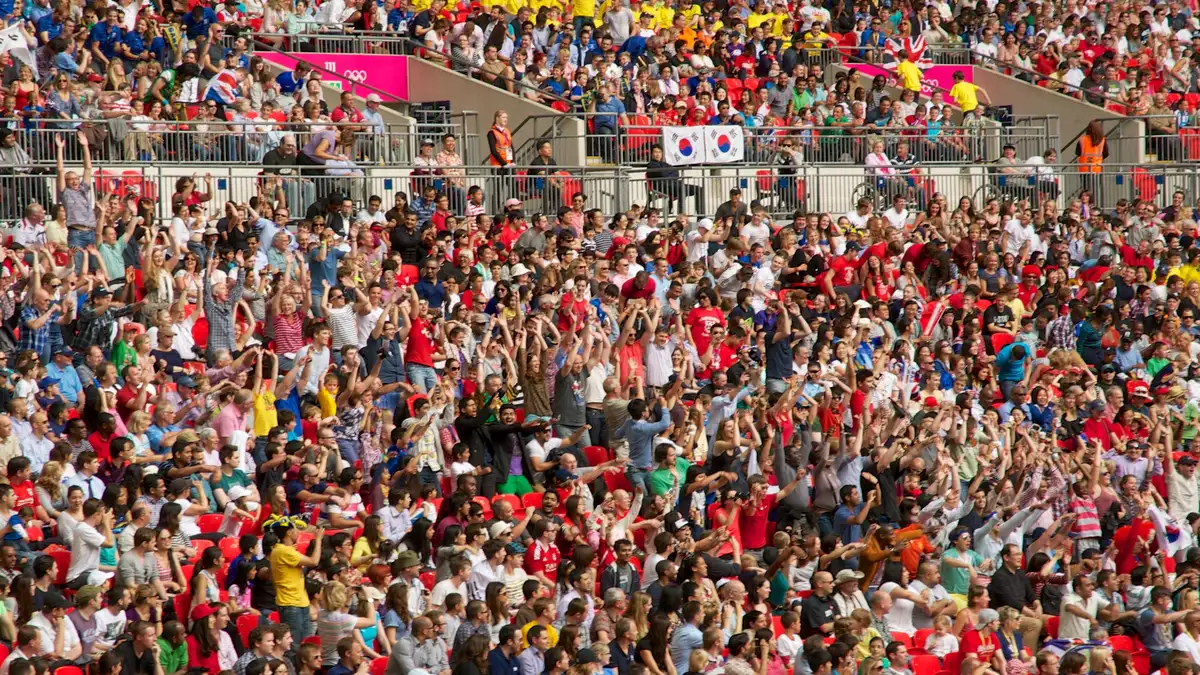
The worst sports waves of 2026 are not the quiet crowds or the stands that stay seated all afternoon. They are the waves every regular recognises within seconds of the first ripple: the wave that dies in the corner before it has gone halfway round, the wave that runs the wrong way, the wave that starts at exactly the wrong moment and blocks your view of the best passage of play, and the wave that keeps going round long after everyone has stopped enjoying it.
Key takeaways
- A sports wave is a crowd movement, not a song: it is judged on whether the whole stand joins in and finishes cleanly.
- The wave that dies halfway round is the most common failure, usually caused by one dead section that never stands up.
- A wave at the wrong moment is worse than no wave at all, because it blocks the view of the people behind it during live play.
- Direction, timing and size separate a good wave from a bad one, not how loud the people starting it are.
- If your section is not joining in, do not force it: a half-hearted wave is worse than sitting the whole thing out.
How the worst sports waves were chosen
Every type below was scored on five measures. Spread comes first: does the wave travel all the way round the ground, or does it stall, split or die in one section? Timing is second, judged on whether the wave starts during a break in play or right in the middle of the action. View is third, because a wave that stands up in front of seated fans blocks the match for everyone behind it. Effort is fourth: how much coaxing and arm-waving does it take to get the wave moving? Finish is fifth, covering whether the wave ends cleanly after a lap or two, or drags on until the crowd gives up on it.
First, no single ground or set of supporters is named as the worst, because the same bad wave patterns turn up in stands of every size, in every sport. Second, a wave has no tune and no words, so it cannot be judged like a chant or an anthem. Fans who enjoy the sung side of the matchday will find the same logic in our guide to the worst sports anthems, where the official song, not the crowd, is what usually lets the ground down.
Comparison table: the worst sports waves of 2026
| Rank | Wave type | Main fault | Worst moment |
|---|---|---|---|
| 1 | The wave that dies in the corner | Stalls in one dead section | A stand waiting for a wave that never arrives |
| 2 | The wave that goes the wrong way | Two halves run opposite ways | The ripple collides with itself |
| 3 | The wave at the wrong moment | Starts during live play | You miss the goal as the row in front stands |
| 4 | The half-stand wave | Only one section joins in | A thin ripple, worse than sitting still |
| 5 | The wave that never gets going | False starts, nobody stands | Three starters waving alone |
| 6 | The wave that blocks your view | Standing backs hide the action | A wall of backs instead of the match |
| 7 | The wave that will not stop | Lap after lap with no end | Standing up for the fifth time in ten minutes |
The worst sports waves of 2026
1. The wave that dies in the corner: the worst wave of all
The wave that dies in the corner is the worst sports wave of 2026 because it promises the whole ground a shared moment and then leaves most of it waiting. It starts well, with a loud section rising together and the ripple running along the stand, and then it reaches the corner, where a block of fans is watching the match, eating, or simply not interested, and the wave stops dead. The people on the far side sit with their arms half raised, waiting for a ripple that never arrives, while the starters turn round to see an empty stretch of seats where the wave should be.
2. The wave that goes the wrong way: a ripple that argues with itself
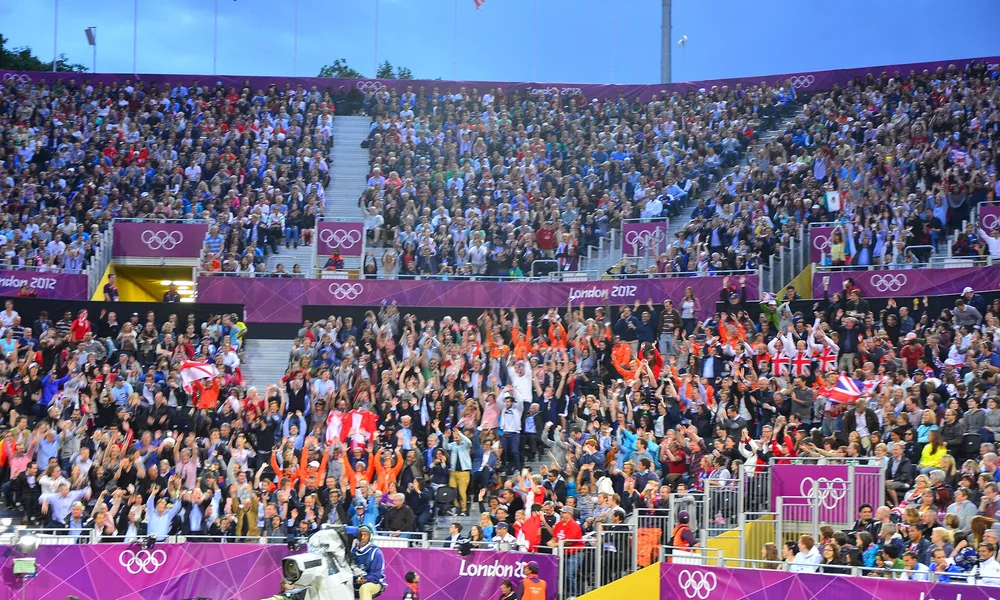
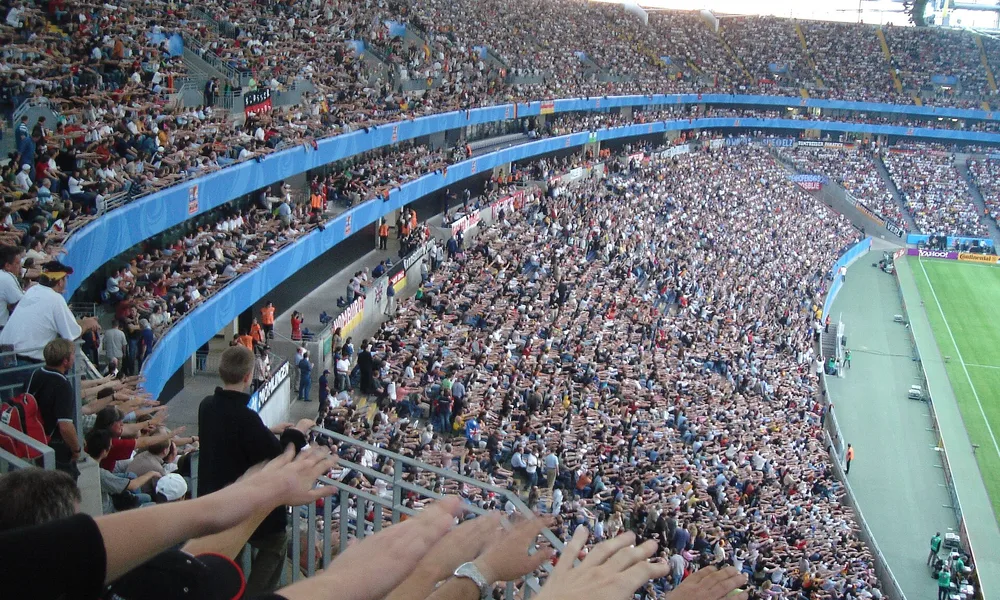
The wave that goes the wrong way starts with two groups who both think they know which direction a wave should travel. One end of the stand sends it clockwise, the other end sends it anti-clockwise, and the two ripples meet in the middle, where a confused band of fans stands up, sits down, and stands up again while the people around them laugh. The result is not a wave at all but a muddle, with pockets of standing fans scattered around the ground and no clear ripple for anyone to follow.
3. The wave at the wrong moment: good fun, terrible timing
The wave at the wrong moment is started by fans who are bored during a quiet spell and cannot wait for a proper break in play. It rises just as the action picks up again, and the row in front of you stands up at the exact second the ball reaches the danger area, the runner breaks clear, or the shot is taken. You hear the roar before you see what caused it, and by the time the wave has passed, the moment is gone. A wave belongs in a stoppage or a dull patch, never in the middle of live play.
4. The half-stand wave: a ripple that never fills the ground
The half-stand wave is the wave that only one section of the ground wants. It runs along a single stand, strong and loud for a few dozen rows, and then it reaches the end of that stand and stops, because nobody on the other side is joining in. From the far side it looks thin and a little sad, a small pocket of fans standing up on their own while the rest of the ground watches the match. The worst version keeps being restarted by the same section, as if repetition will persuade the rest of the ground to join in, when all it does is make the gap between the keen section and everyone else more obvious. A wave is a whole-ground event or it is nothing.
5. The wave that never gets going: three starters and a long silence
The wave that never gets going is the saddest wave of all, because it fails before it has even started. Two or three fans stand up, wave their arms, and shout for the rows around them to follow, and nobody does. The rows around them stay seated, a few people smile politely, and the starters sit back down, a little embarrassed, while the match goes on around them. The problem is usually timing or mood: the crowd is tense, the match is close, or the ground is simply not in a waving mood, and no amount of arm-waving from three people will change that. The same failure waits in other crowd moments too, and our guide to the worst sports chants shows how a song that nobody joins in with falls flat in exactly the same way.
6. The wave that blocks your view: a wall of backs
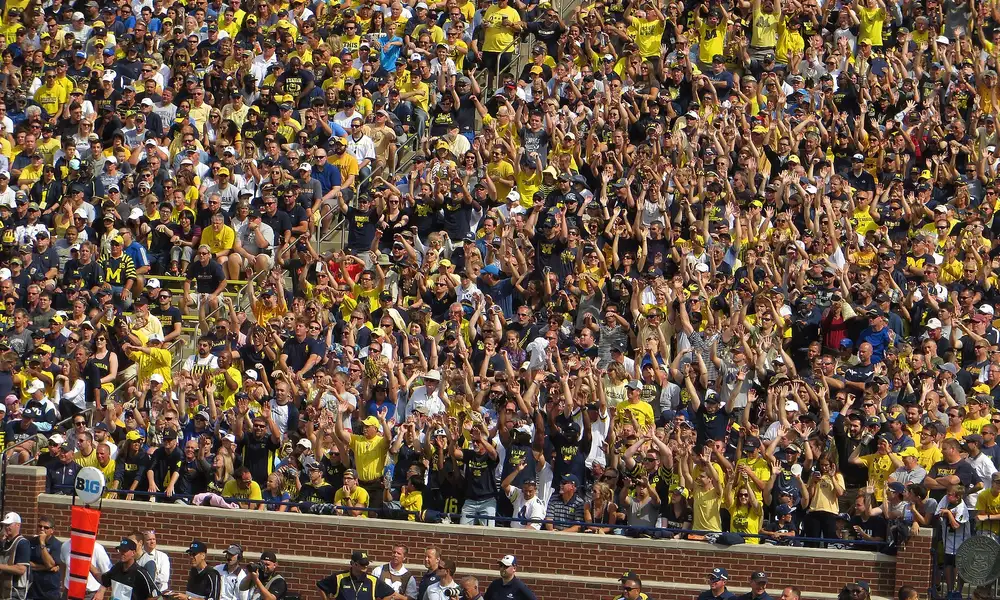
The wave that blocks your view is the wave that forgets the people behind it. It is started by fans in the front rows, who stand up without a thought for the rows behind them, and the ripple becomes a moving wall of backs that hides the pitch for everyone sitting further back. The people behind spend the whole wave ducking, leaning and craning to see round the standing fans, and by the time it has passed, they have missed a passage of play they paid to watch.
7. The wave that will not stop: lap after lap after lap
The wave that will not stop is the wave that was fun for one lap and then kept going. It comes round a second time, then a third, then a fourth, and each lap is a little slower and less enthusiastic than the last, until the whole ground is standing up out of habit rather than enjoyment. The starters treat it as a test of endurance, and the rest of the crowd treats it as a chore, standing up because everyone else is standing up and sitting down again the moment the ripple passes. A wave should be one or two laps at most.
What to avoid when joining a sports wave
The most common wave regret is not a bad wave but a badly timed one: a wave started during live play, a wave forced on a section that does not want it, or a wave that blocks the view of the people behind you. Check four things before you stand up: look at the match and wait for a break in play, look at the rows around you and see whether they are joining in, look behind you and think about who will lose their view, and agree on a direction with the starters at the other end of your stand. The same timing lesson applies to our guide to the worst sports fireworks, where a display at the wrong moment spoils the evening too.
Checklist: joining a sports wave
- Wait for a break in play, because a wave during live action hides the match from everyone behind you.
- Check that the rows around you are joining in, because a wave with three starters and no followers falls flat.
- Agree on a direction before you start, because two ripples running opposite ways collide in the middle.
- Think about the people behind you, because a wave that blocks their view is one they will resent.
- Stand up once and sit down cleanly, because a slow, straggling wave looks worse than no wave at all.
- Let it end after one or two laps, because a wave that will not stop turns a shared joke into a chore.
Frequently asked questions
What makes a sports wave bad?
A bad wave dies in one section, runs the wrong way, starts during live play, fills only half the ground, never gets going, blocks the view behind it, or goes round so many times that nobody enjoys it.
When is the best time to start a wave?
During a break in play or a dull patch, when nothing is happening on the pitch and the crowd is relaxed enough to join in.
Why does the wave always die in the same corner?
Because one section is not joining in, whether the fans there are watching closely, are in a family area, or simply do not want to stand.
Which way should a wave go?
Either way works, as long as everyone agrees before it starts, because a wave with two directions collides with itself mid-stand.
Should I stand up if the wave reaches my row?
Yes, if you are able to, because a wave needs every row to play its part, but stay seated if standing would block a child or someone who cannot stand.
How many laps should a wave do?
One or two at most, because a wave that keeps going round loses its energy and turns into a chore for the whole ground.
Bottom line
The worst sports waves of 2026 are the ones that forget what a wave is for: a quick, shared lift for the whole ground, not a test of endurance or a wall between the fans and the match. A wave that dies in the corner, runs the wrong way, starts at the wrong moment, fills only half the stand, never gets going, blocks your view, or will not stop is the same failure in different clothes. Wait for the break, agree on a direction, think of the people behind you, and let it end while everyone is still smiling.