
The worst SUVs for spring driving 2026 are not the cheapest or oldest cars on the road. Many are big, powerful, and beautifully finished, which is exactly why they trap spring buyers. An SUV that feels commanding on a dry showroom forecourt can turn into a punishment on a wet April morning: thirsty in traffic, hard to park, slow to clear a misted windscreen, and expensive to run. The worst SUVs for spring driving fail on wet grip, wipers and demisting, pothole ride, cabin air and visibility, and the six below fail in ways that matter every single day of the season.
Spring is the most underrated test of a car. Summer asks for cooling and winter asks for traction, but spring asks for everything at once, sometimes on the same journey: a commute can start at 4 degrees with fog on the glass and end in bright sunshine. Showers arrive without warning, standing water hides in dips, and frost damage has opened cracks and potholes that councils have not yet repaired. The SUVs in this guide struggle with that messy mix, and their owners notice it most in spring. The worst SUVs for summer driving fail on cooling instead, which is a different problem entirely.
Key Takeaways
- Size is a liability in spring: very large SUVs are hard to place on narrow, rain-slicked roads and hard to park.
- Thirsty engines hurt most in spring, when short trips and cold starts push fuel use up.
- Slow demisting and weak wipers turn every damp morning into a guessing game.
- A stiff, truck-like ride transmits every pothole as a thump and wears tyres and suspension fast.
- Poor visibility and a dusty cabin make spring driving tiring, especially for hay fever sufferers.
What Makes an SUV Bad in Spring
Spring driving is defined by change. Temperatures swing by ten degrees or more between morning and afternoon, which means cold starts, misted glass and then a warm cabin all in one trip. Rain is frequent but rarely torrential, so the challenge is wet and drying roads, spray from lorries, and glare from a low sun across a damp windscreen. An SUV with weak wipers, a slow demister or a smeared windscreen turns every one of those trips into a chore, and the cars in this guide are the worst offenders.
Then there is the road surface. Winter leaves potholes, cracked edges, loose gravel and patches that sink weeks after they are laid. A stiff suspension transmits every one as a thump, while a heavy body makes the car pitch and roll over broken tarmac. Big SUVs suffer most here: their weight pounds the suspension, their wide tyres are expensive to replace after pothole damage, and their size makes dodging a hole far harder than in a smaller car.
Finally, pollen counts rise sharply from March onwards, and a weak cabin filter makes a genuine difference to hay fever sufferers. A dusty, poorly sealed cabin turns a spring drive into a sneezing fit, and the worst SUVs in this guide all filter the air badly or not at all. Visibility rounds out the list: thick pillars, small windows and a high bonnet make judging gaps and spotting cyclists far harder in fast-changing spring light.
How We Ranked the Worst SUVs for Spring Driving 2026
We ranked the 2026 SUVs on five things that matter in spring: wet-weather grip and braking, wipers and demisting speed, ride comfort over potholes and broken surfaces, cabin air filtration, and visibility in changeable light. We also weighed running costs, because spring is when many families buy, and a car that is thirsty and expensive to insure leaves less in the budget for the trips themselves. Cars that failed in only one area did not make the cut: a worst spring SUV has to be bad at several of them at once.
Every SUV below is on sale in 2026, and every one has fans who love it for other reasons. That is the trap: a car can be superb for towing or for motorway cruising and still be a poor spring car. The worst SUVs for winter driving are built for snow and ice, but spring exposes a different set of weaknesses.
The 6 Worst SUVs for Spring Driving 2026
1. Chevrolet Tahoe
The Tahoe is a fine motorway cruiser and a poor spring car. Its sheer size makes it hard to place on narrow wet roads, its turning circle is wide, and parking it in a busy spring car park is a two-person job. The big V8 is thirsty in cold-start traffic, the ride is firm over potholes despite the soft seats, and the demister is slow to clear a windscreen that is bigger than some living room windows.
2. Ford Expedition
The Expedition suffers the same size problem as the Tahoe, with a few extras. Its wipers struggle to keep a huge windscreen clear in heavy spray, its cabin takes an age to warm and demist on cold mornings, and its weight means potholes hit the suspension hard. Fuel economy in spring traffic is poor, and the running costs are high enough to sting.

3. Nissan Armada
The Armada is thirsty, heavy and hard to see out of. Its thick pillars and small rear window make reversing in rain a matter of faith rather than sight, and its ride is stiff over broken tarmac. The cabin filter is weak for a car at this price, so pollen drifts in on spring days, and the big engine drinks fuel in the stop-start traffic of wet mornings.
4. GMC Yukon
The Yukon is the Tahoe’s plusher twin, and it shares the same spring weaknesses. Its size makes it awkward in town, its fuel bills are high, and its ride is unsettled over potholes. The cabin is quiet, but the windscreen is vast and slow to clear, and the wipers leave streaks in exactly the driver’s line of sight.
5. Dodge Durango
The Durango is an ageing design, and spring exposes it. Its ride is harsh over potholes, its steering is vague on wet roads, and its cabin feels dated, with a weak filter and a demister that takes its time. Fuel economy is poor, especially on short cold-start trips, and the big tyres are expensive to replace after pothole damage.
6. Land Rover Discovery
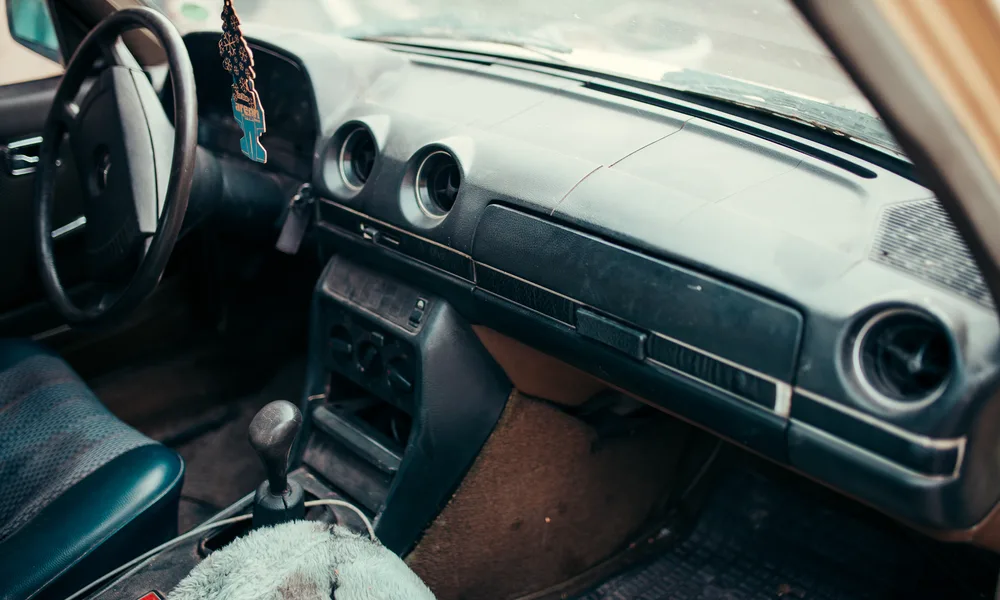
The Discovery is the most surprising entry, because it is genuinely capable off road. On spring roads, though, it is expensive to run, costly to repair, and thirsty in town traffic. Its air suspension can feel unsettled over broken tarmac, its cabin filter is only average, and its sheer width makes narrow lanes stressful. Owners love it for weekends away, but for daily spring driving the bills and the bulk wear thin fast.
Worst SUVs for Spring Driving 2026 Compared
| SUV | Wet Grip | Pothole Ride | Cabin Air | Visibility |
|---|---|---|---|---|
| Chevrolet Tahoe | Average | Poor | Average | Poor |
| Ford Expedition | Average | Poor | Average | Poor |
| Nissan Armada | Poor | Poor | Poor | Poor |
| GMC Yukon | Average | Poor | Average | Poor |
| Dodge Durango | Poor | Poor | Poor | Average |
| Land Rover Discovery | Good | Average | Average | Average |
How to Cope If You Already Own One of These
Start with the tyres. The worst spring SUV on fresh all-season tyres is far better than the same car on worn rubber, so check the tread and budget for a good set if needed. All-season tyres grip in cold mornings, stay stable as the day warms, and clear standing water far better than summer tyres that have gone hard over winter.
Next, fix the demister and the wipers. Replace worn blades, top up the washer fluid with a good screenwash, and clean the inside of the windscreen, because a dirty screen mists far faster than a clean one. Use the air conditioning with the demister, even on cool days, because dry air clears glass far faster than warm air alone. Fit a fresh pollen cabin filter before the hay fever season peaks. The worst SUVs for city driving are judged on size and parking ease, but spring buyers should watch wet grip and ride comfort first.
Finally, drive around the weaknesses. Leave bigger gaps in spray, slow down for standing water, and avoid the worst pothole routes where you can. Book a suspension and alignment check after winter, because potholes knock geometry out and make a bad ride worse. And if you are buying rather than coping, remember that a mid-size SUV with good tyres and a quick demister will make spring feel easy, while a huge thirsty one will make it feel like a chore.
Spring Driving Checklist for SUV Owners
- Check tyre tread and pressures, and swap winter tyres for all-season rubber.
- Replace worn wiper blades and top up the washer fluid with a good screenwash.
- Fit a fresh pollen cabin filter before the hay fever season peaks.
- Test the demister, heated windscreen and air conditioning before the first cold morning.
- Inspect the suspension and alignment after winter potholes, and listen for new knocks.
- Clean the lights, cameras and sensors so spray and pollen do not blind them.

Frequently Asked Questions
What is the worst SUV for spring driving in 2026?
The Nissan Armada is the worst SUV for spring driving in 2026, with poor wet grip, a stiff ride over potholes, weak cabin filtration and poor visibility. The Chevrolet Tahoe and Ford Expedition are close behind, mostly because their sheer size makes them hard to place and park on wet spring roads.
Are big SUVs bad in the rain?
Not always, but very large SUVs are harder to control in the wet: their weight means longer stopping distances, their wide tyres aquaplane more easily on standing water, and their size makes dodging puddles and potholes harder. A mid-size SUV on good tyres is usually safer in spring rain.
Why do big SUVs use so much fuel in spring?
Spring means short trips and cold starts, and a big engine uses the most fuel when it is cold. Stop-start traffic in wet weather makes it worse, because the engine rarely reaches its efficient temperature. Hybrids and smaller engines cope far better with this pattern.
How do I stop my windscreen misting up in spring?
Use the air conditioning with the demister, even on cool days, because dry air clears glass far faster than warm air alone. Keep the inside of the windscreen clean, replace the cabin filter, and avoid leaving damp coats and umbrellas in the car overnight.
Why do potholes get worse in spring?
Water seeps into cracks, freezes overnight and expands, then thaws and washes the road base away. By spring the damage is at its worst, which is why a supple suspension and tall tyre sidewalls matter so much at this time of year.
Should I avoid buying a big SUV in spring?
Not necessarily, but buy with your eyes open. Test drive on wet, broken roads, not just a smooth bypass, and check the fuel bills honestly. If most of your driving is town traffic and country lanes, a mid-size SUV will serve you better than a very large one.
The Bottom Line
The worst SUVs for spring driving 2026 are the ones that fight the season instead of working with it: too big for wet narrow roads, too thirsty for cold-start traffic, too slow to clear a misted windscreen, and too stiff over the potholes winter left behind. The Nissan Armada leads the list, with the Tahoe and Expedition close behind, and the Discovery shows that even a capable car can be the wrong tool for April. If you already own one, good tyres, fresh wipers and a new cabin filter will help a lot.


