
Why the Worst Ticket Sellers of 2026 Ruin Your Night Before It Starts
The worst ticket sellers of 2026 are not the ones who run out of seats for a sold-out show. They are the staff at the box office window who turn a simple purchase into a slow, confusing ordeal before you have even reached your seat. A queue that does not move, a seat sold with no warning that you cannot see the stage, a price that jumps at the last step, and a window that closes the moment something goes wrong: these patterns ruin the night before it starts.
Key takeaways
- The worst ticket sellers are types, not people: the same bad habits show up at every box office.
- A queue that costs you the first twenty minutes is worse than a high price: time is the one thing you cannot get back.
- A seat sold without a warning about the view is the most common complaint, and the easiest to prevent.
- Hidden fees that appear at the last step turn a fair price into a trap, and they always appear when it is too late to walk away.
- Judge a seller by the queue, the price and what happens when something goes wrong, not by the smile.
How the worst ticket sellers of 2026 were chosen
Every type below was scored on five measures. Queue speed comes first: does the line move, or does it stand still while one window serves a hundred people? Price honesty is second: is the price on the poster the price you actually pay, or do fees appear at the last step? Seat honesty is third: a seller who warns you about a restricted view is doing the job. Helpfulness is fourth: what happens when the ticket is wrong or the show is moved? Respect for your time is fifth. A seller who fails on three of these five is failing at the job.
Two notes before the list. First, this article is about the staff at the official window and the box office, the people who sell tickets for the venue itself, not resellers outside the ground. Second, no individual seller is named here, because the same seven types turn up everywhere. The same pattern-first approach runs through our guides to the worst fans of 2026 and the worst stadium tours of 2026, where one bad habit early in the day can spoil everything after it.
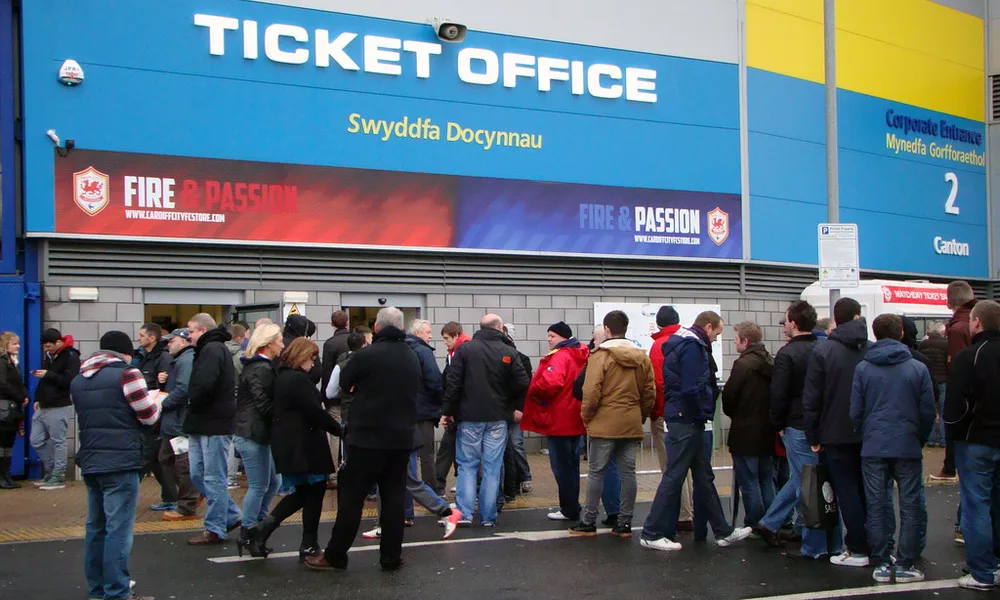
Comparison table: the worst ticket sellers of 2026
| Rank | Seller type | Main fault | Cost to you |
|---|---|---|---|
| 1 | The Endless Queue | One window open, line never moves | You miss the start of the show |
| 2 | The Wrong-Seat Seller | Sells a bad view with no warning | You pay full price to see a pillar |
| 3 | The Hidden-Fee Seller | Fees appear at the last step | The price jumps when it is too late |
| 4 | The Vanishing Seller | Window shuts when problems arise | No help when you need it most |
| 5 | The Upseller | Pushes extras nobody asked for | A simple ticket becomes a sales pitch |
| 6 | The Broken-Till Seller | Card reader down, no cash taken | You lose your place in the queue |
| 7 | The Shrug | Wrong ticket, no help offered | Your problem becomes nobody’s |
The worst ticket sellers of 2026
1. The Endless Queue: the worst ticket seller of all
The Endless Queue is the worst type of all, because the damage is done before the show starts. One window is open on the busiest night of the year, the line stretches around the building, and each sale takes five minutes. By the time you reach the front, the opening act is over and the evening you planned for weeks has already lost its best part.
The signs are plain: a queue that does not move, no staff member walking the line to help, and no sign saying how long the wait will be. A good box office opens every window when the crowd arrives. If the queue is still in the same place ten minutes after you joined it, this is the worst seller of all.
2. The Wrong-Seat Seller: a view you were never warned about
The Wrong-Seat Seller has one job above all others, and it is to tell you what you are actually buying. Instead, this seller hands over a ticket for a seat behind a pillar, under a low roof or at the end of a row with no view of the stage, and says nothing. You find out when you sit down, and by then the money is paid and the show has started.
A good seller checks the view and warns you before you pay. The Wrong-Seat Seller treats every seat as equal, because every seat costs the same to sell. Always ask about the view before you pay, and walk away from any seller who will not answer.
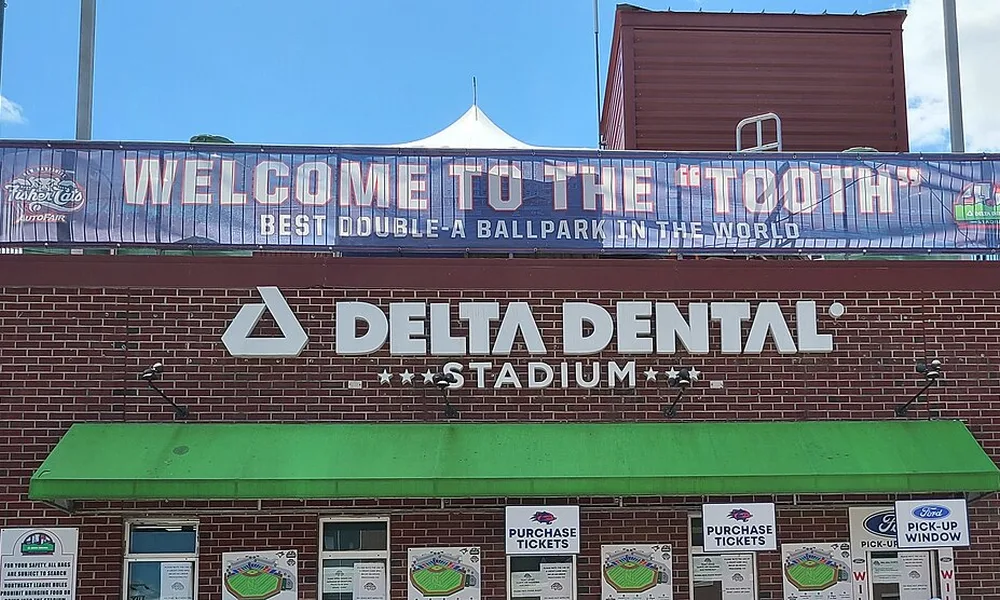
3. The Hidden-Fee Seller: the price that jumps at the last step
The Hidden-Fee Seller advertises one price and charges another. The poster says twenty, the website says twenty, and then at the last step a booking fee, a service charge and a printing fee appear, until the ticket costs a third more than the price you agreed to. The fees are never mentioned at the start, because if they were, you might think twice.
This trick works because it arrives when you have already decided to go. A fair seller shows the full price from the first screen, with every fee listed. If the total changes at the last step, the seller is not being forgetful; the seller is hoping you will not notice.
4. The Vanishing Seller: gone when something goes wrong
The Vanishing Seller is friendly while the money is moving, then disappears the moment a problem appears. The show is moved, the ticket prints with the wrong date, or the doors open late, and the window that sold you the ticket is suddenly shut, dark and empty. There is no one to ask and no sign explaining what to do next.
A box office is not just a place to take money; it is where you go when things go wrong. The Vanishing Seller treats the sale as the end of the job, when it is only the middle of it. Before you buy, check the help desk and opening hours: a seller who vanishes after the sale will not be there when you need them.
5. The Upseller: a simple ticket becomes a sales pitch
The Upseller cannot sell a ticket without selling five other things. The premium seat, the programme, the parking pass, the meal deal and the insurance are all offered before you have said which night you want. Each offer comes with a reason you cannot refuse.
None of these extras is wrong on its own, and some are genuinely useful. The problem is the pressure: a ticket sale should take a minute, not ten, and a seller who will not take no for an answer is selling for the till, not for you. A polite no, repeated once, should be enough.

6. The Broken-Till Seller: payment chaos at the window
The Broken-Till Seller turns paying into a gamble. The card reader is down, the cash drawer has no change, or the till only takes one kind of payment on the night when everyone has the other kind. You reach the front after twenty minutes, and instead of a ticket you get a shrug and an instruction to find cash.
The fault is rarely the machine; it is the seller who never checked it before the doors opened and has no backup plan when it fails. A good box office tests the till and warns the queue early. If you lose your place because the till was never checked, the seller has wasted your evening twice.
7. The Shrug: your problem becomes nobody’s problem
The Shrug is the last type, and the most dispiriting, because it appears when you most need help. Your ticket is for the wrong night, the seat is double-booked, or the show has been cancelled, and the seller looks at you, looks at the ticket, and shrugs. No apology, no alternative, no effort to fix it, just a gesture that says your problem is not their problem.
Good sellers fix mistakes, even when the mistake was not theirs. They swap the seat or reprint the ticket. The Shrug does none of that: once the money is paid, you are on your own. If a seller shrugs at your first question, expect the same shrug at every question after it.
What to avoid when you buy tickets
The most common regret is not a bad seat but a rushed purchase: a ticket bought without asking about the view, the fees or the refund terms, and discovered too late to change. Ask three questions before you pay: the view, the full price including every fee, and what happens if the show is moved or cancelled? The same checks work anywhere, and our guide to the worst concession stands of 2026 makes the same point about queues and hidden prices.
Checklist: buying tickets without the regret
- Ask what the view is like from the exact seat before you pay.
- Get the full price in writing, with every fee listed, before you commit.
- Check the refund and exchange terms for a moved or cancelled show while you are at the window.
- Arrive early, so a slow queue cannot cost you the start of the show.
- Keep the receipt and booking reference until the night is over, in case something goes wrong.
- If the seller will not answer a straight question, buy elsewhere.
Frequently asked questions
What makes a ticket seller one of the worst?
A repeated pattern, not a single bad day. One slow queue can happen to anyone, but a seller who always runs one window, always hides the fees and always shrugs at problems is failing at the job.
Should I buy from the box office or online?
The box office is best when you want to ask about the view and the terms, because a good seller answers in seconds. Online is best when the queue is long and the seats are simple, as long as the full price is shown before you pay.
How do I check the view from a seat before I buy?
Ask the seller directly, and get the row and seat number in writing. A seller who knows the venue will tell you about pillars and restricted views without being pushed, and one who will not answer is telling you something too.
What should I do if the price jumps at the last step?
Stop and ask for the full price before you continue. If the fees were never shown at the start, walk away, and a fair seller will show the total rather than lose the sale.
Can I get a refund if the show is moved?
It depends on the terms you agreed to, which is why you should ask before you pay. Most venues offer an exchange or a refund for a moved show, but only if you kept the receipt and booking reference.
What is the best time to buy tickets at the window?
Early in the day, before the doors open, when the queue is short and the seller has time to answer. The worst time is the last half hour before the show, when the queue is longest and the pressure is highest.
Bottom line
The worst ticket sellers of 2026 waste your time, hide the real price, sell a seat without warning you about the view, and vanish when something goes wrong. Ask about the view, the full price and the refund terms before you pay, arrive early, and walk away from any window where a straight question gets a shrug instead of an answer.


