Nutmeg is the spice that separates a cook who measures from a cook who tastes. A few scrapes of a whole nutmeg over a white sauce, a custard or a glass of eggnog, and the dish smells warm, woody and faintly sweet. The trouble is that most of the nutmeg in most kitchens is not doing any of that. This guide closes that gap: buy the whole nut, grate it fresh, and use it in the small amounts that make it worth having in 2026.
The best nutmeg of 2026 is a whole nutmeg, bought dry and hard, grated fresh over the dish at the last moment. It smells warm and sweet, tastes woody and gently peppery, and a single nut flavours dozens of dishes. Ground nutmeg has its place, but it is a shadow of the whole spice.
Key Takeaways
- Whole nutmeg keeps for years; ground nutmeg fades within months, so buy whole and grate as you need it.
- Freshly grated nutmeg smells warm, woody and sweet; stale ground nutmeg smells of dust and adds almost nothing.
- A little goes a long way: a quarter-teaspoon flavours a family dish, and more turns bitter and medicinal.
- Grate nutmeg late: long cooking dulls its aroma, so add it near the end or over the finished dish.
- Store whole nuts dry, dark and airtight, and keep ground nutmeg in a small jar you replace often.
What Nutmeg Actually Is
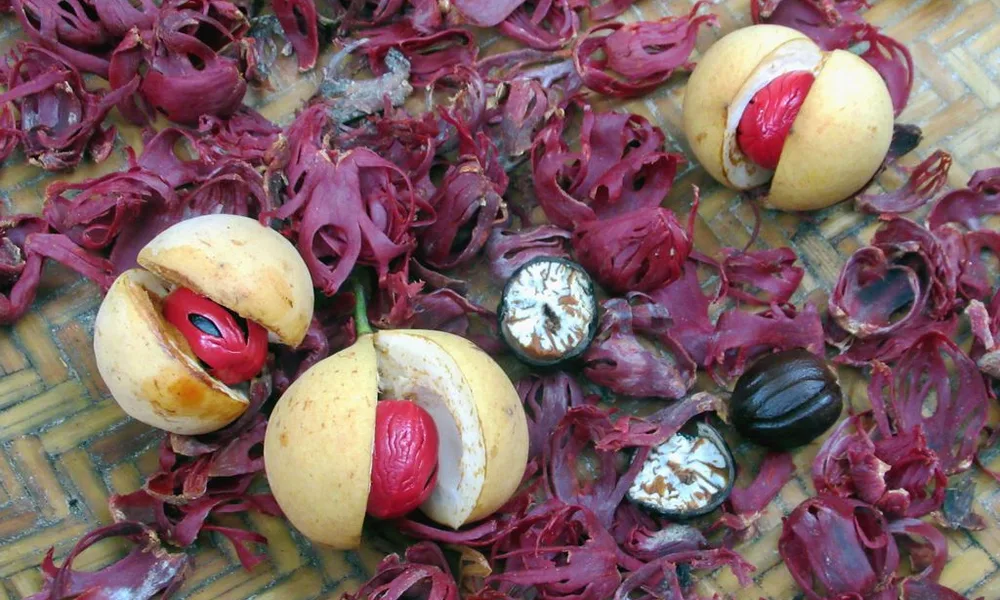
Nutmeg is the dried seed of the nutmeg tree, Myristica fragrans. The tree bears a peach-like fruit, and inside it sit two spices: the seed, which is nutmeg, and the red, lacy covering around it, which is mace. When the fruit splits, the mace is peeled away and dried until orange-brown, and the seed is dried for weeks until it rattles in its shell. The result is a hard, oval, brown nut about the size of a small olive, warm and oily-scented when grated.
Its flavour comes from essential oils, above all myristicin, with smaller aromatic compounds that give it complexity. That is why nutmeg tastes warm rather than hot and woody rather than simply spicy. It is a background spice: it rounds out dairy, softens sweetness, and adds depth to savoury food without announcing itself the way chilli does.
Whole Nutmeg or Ground: What Changes
The most important decision about nutmeg is not the brand but the form. Whole and ground nutmeg start as the same seed, but they behave like different spices once they leave the shop.
The whole nut
A whole nutmeg is a small, hard, brown oval that feels heavy for its size and smells faintly sweet at the nose. Shake it and a good one rattles slightly. Grate it and the scent blooms at once: warm, woody and sweet, with a faint green edge the ground jar never has. Whole nuts keep for years because their flavour is locked inside, released only when the surface is broken. One nut lasts dozens of dishes.
The ground jar
Ground nutmeg is convenient, and for a cook who uses it rarely that matters. But grinding exposes the spice’s oils to air, and they escape quickly. A jar is at its best in the first weeks after grinding and fades steadily after that. After six months it has lost much of its top notes; after a year it is mostly colour and a faint dusty warmth. Open the jar and smell it from a few inches away. If the scent is warm and sweet, it is alive. If you must bury your nose in it, it is done.
How to tell fresh from stale
Fresh nutmeg is warm brown and smells sweet the moment the container opens. Stale nutmeg is paler, greyer, and smells of dust and cardboard. Whole nuts go stale too: a nut that feels light, looks cracked, or has no scent when grated is past its best.
Nutmeg at a Glance
| Form | Flavour | Keeping time | Best for |
|---|---|---|---|
| Whole nut | Warm, woody, sweet, complex | Two years or more | Grating fresh over finished dishes |
| Freshly ground | Warm and sweet, slightly softer | Weeks in a sealed jar | Baking, sauces, spice blends |
| Ground jar, new | Warm, pleasant, one-note | Three to six months | Everyday cooking |
| Ground jar, old | Faint, dusty, flat | Past a year | Nothing; replace it |
| Mace | Delicate, warm, slightly peppery | About a year | Pale dishes where colour matters |
How to Grate Nutmeg Properly
Grating nutmeg takes seconds and needs almost no equipment: a dedicated nutmeg grater, a microplane, or the fine side of a box grater. A nutmeg grater is a tiny rasp in a small frame, often with a compartment to store the nut, and it costs less than a takeaway coffee. If you cook with whole spices often, our guide to the best spice grinders covers the electric and manual options for fine, even grinding.
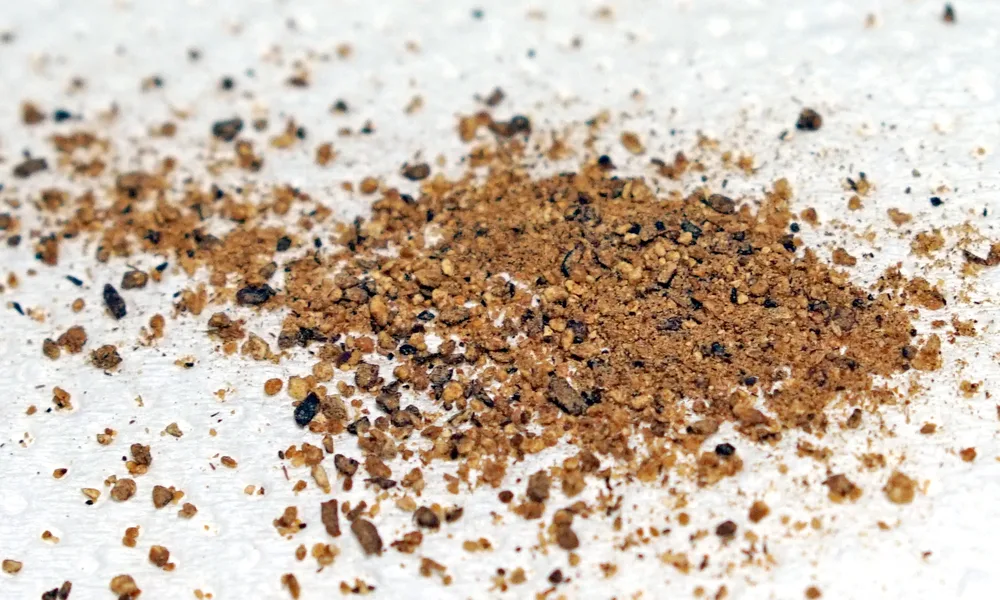
Hold the nut between thumb and forefinger and draw it across the grater in short, firm strokes. Two or three passes are enough for a single glass or a small sauce; eight to ten will season a family dish. Grate directly over the food so the oils land in the dish, and grate at the last moment: the aroma is strongest in the first minute after grating, and it fades fast.
How much to use
Nutmeg is a spice of restraint. A quarter-teaspoon, about eight to ten passes, flavours a family white sauce, a litre of custard or a batch of cookies. A pinch, two or three passes, is enough for one glass of eggnog or a bowl of porridge. More does not mean more warmth: past a point nutmeg turns bitter and medicinal. Grate less than you think you need, taste, and add another pass. You can always add more.
When to add it
Timing matters as much as quantity. Nutmeg’s aroma is delicate, and long cooking drives it off. In a white sauce or custard, add it near the end, off the heat if you can. In baking it goes in with the dry ingredients, but the oven softens it, so add a fresh grating over the finished cake. For drinks, grate it over the glass at the moment of serving, never into the jug hours earlier.
Cooking With Nutmeg
Nutmeg’s natural home is dairy and sweet food. It belongs in white sauces, cheese sauces and béchamel, where a few scrapes lift the richness without adding colour or heat. It belongs in custards, rice pudding, bread pudding and ice cream, where it is the traditional partner of egg and cream. It belongs on porridge, in pancake batter, in banana bread and fruit cakes, where it deepens sweetness without making it heavier. And it belongs, above all, on eggnog: our guide to the best eggnog explains why freshly grated nutmeg is the single biggest upgrade to that drink, and the same holds for hot chocolate and spiced coffee.
In savoury cooking, nutmeg is quieter but just as useful. A pinch in spinach, the classic partner, makes the vegetable taste more like itself. It seasons mashed potato, cauliflower cheese and creamy soups, and it is essential in a good lasagne béchamel and in many sausage mixtures, where it adds warmth without sweetness. It pairs well with cinnamon, its closest companion: our guide to the best cinnamon covers the true cinnamon that suits these delicate dishes best.
Storing Nutmeg So It Stays Potent
Whole nutmeg is one of the easiest spices to store. Keep the nuts in a small airtight jar in a cool, dark cupboard, away from the stove and sunlight, and they will hold their flavour for two years or more. Do not refrigerate them: the cold and moisture do more harm than good. Do not store them in a clear jar on a sunny shelf, however pretty it looks; light is the enemy of every spice.
Ground nutmeg needs more care, because it has already given up its protection. Keep it in the smallest jar you can, so there is as little air as possible, and keep it in the dark. Buy small amounts and replace them often: a small jar bought twice a year beats a large jar that lasts two years, because the large jar is stale for most of its life.
Mistakes That Waste Good Nutmeg
The most common mistake is using too much. A teaspoon where a quarter-teaspoon was needed makes a custard bitter and a sauce medicinal. Measure with the grater, not the spoon: count the passes, taste, and stop early.
The second mistake is keeping ground nutmeg forever. The jar looks unchanged, so it feels wasteful to throw it away, but a spice that has lost its scent is not a spice any more. Replace it, or switch to whole nuts.
The third mistake is adding nutmeg too early. A grating stirred into a stew at the start of a two-hour simmer has given up its aroma long before the dish reaches the table. Add it late, or grate it over the finished dish.
Before You Buy: A Quick Checklist
- Choose whole nuts over ground: they keep for years and grate in seconds.
- Pick nuts that feel heavy, hard and dry, with no cracks and a faint sweet smell.
- Smell ground nutmeg before you buy it, and skip the jar if the scent is faint.
- Buy a small bag of whole nuts and a small grater, not a large jar of powder.
- Replace any ground nutmeg jar open for more than six months.
- Store whole nuts airtight in a cool, dark cupboard, away from heat and light.
Frequently Asked Questions
Is whole nutmeg really better than ground?
Yes, and the difference is not subtle. Whole nutmeg keeps its oils sealed inside until you grate it, so the flavour is warm, sweet and complex. Ground nutmeg loses those oils within months, and an old jar tastes flat and dusty.
How long does a whole nutmeg last?
Stored dry, dark and airtight, a whole nutmeg keeps for two years or more. The test is the smell: grate a few passes, and if the scent is warm and sweet, the nut is still good.
Can I use ground nutmeg instead of whole?
Yes, in the same quantity, but the result will be milder and less aromatic. Use a recently opened jar, and if nutmeg is the star, as in eggnog or custard, whole grated nutmeg is noticeably better.
How much nutmeg should I use?
For a family dish, a quarter-teaspoon, roughly eight to ten passes of a grater, is a good start. For a single serving, a pinch is enough. Nutmeg turns bitter in large amounts, so start small and taste.
Is nutmeg safe to eat every day?
In the small amounts used in cooking, yes. A pinch or a quarter-teaspoon a day is normal in many cuisines.
What is the difference between nutmeg and mace?
They come from the same fruit: nutmeg is the seed, mace is the red lacy covering around it. Mace is more delicate and slightly peppery, with a lighter colour, so it suits pale sauces and fish. Nutmeg is warmer and stronger, and suits baking, dairy and drinks.
The Bottom Line
The best nutmeg of 2026 is the nutmeg you grate yourself: a whole, hard, dry nut, kept in a dark jar and grated fresh over the dish at the last moment. Buy whole, grate little and often, add it late, and store it properly, and a spice that costs pennies will make your cooking taste like someone was paying attention.