Cloves are the cheapest strong flavour in the kitchen. A jar costs less than a coffee, a single bud can season a whole pot, and the spice itself is so potent that most recipes count it in ones and twos rather than spoonfuls. This guide sorts out what cloves are, how to judge them, and how to use just enough of them in 2026.
The cloves worth buying in 2026 are whole, dark brown and hard, with a round head and a stem that snaps cleanly. They smell sharp, sweet and warm, they flavour a litre of liquid with four or five buds, and a small jar lasts a year or more. Ground cloves have their uses, but they fade fast and they are far easier to overdo, so whole is the better buy for almost every cook. At that price, a jar that seasons a whole winter of cooking is the best value in the spice cupboard.
Key Takeaways
- Cloves are dried flower buds, and whole buds keep their flavour for a year or more; ground cloves fade within months.
- A little goes a very long way: four or five whole cloves flavour a litre of liquid, and more will numb the dish.
- Buy whole cloves that are dark, hard and oily, with the head still attached; pale, light or broken buds are stale.
- Add cloves early for simmered dishes so they release slowly, and fish whole buds out before serving.
- Store cloves airtight, dark and cool, and replace ground cloves every few months rather than keeping an old jar.
What Cloves Actually Are
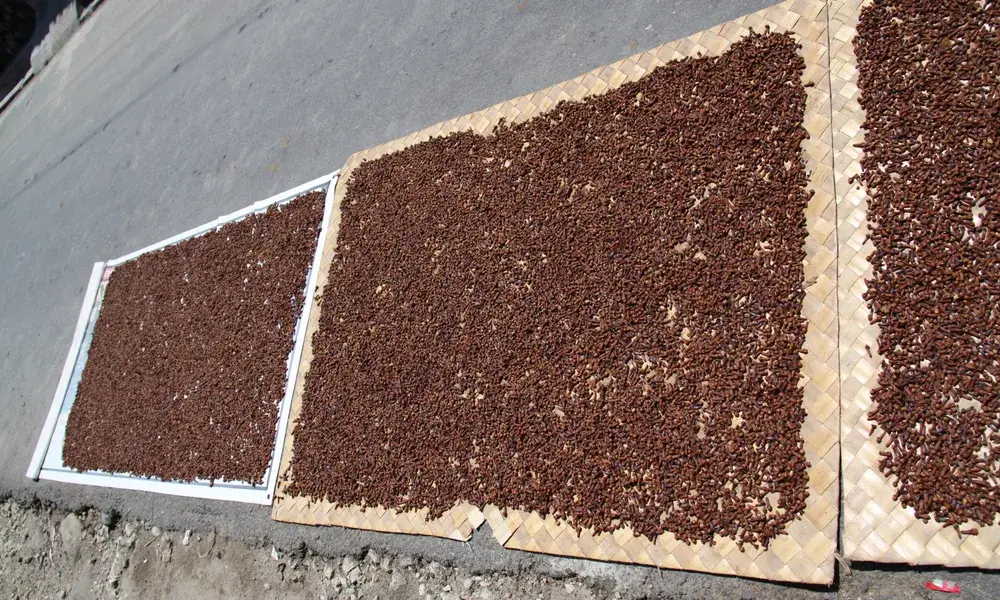
A clove is the dried, unopened flower bud of the clove tree, Syzygium aromaticum, an evergreen native to the Maluku Islands of Indonesia. The buds are picked by hand just before they open, when they are pink and plump, and then dried in the sun until they turn dark brown and hard. Each bud keeps the shape of a tiny flower: a round head sitting on a tapered stem, about the length of a thumbnail.
The flavour comes from eugenol, the same compound that gives cloves their sharp, almost medicinal scent and their faint numbing effect on the tongue. Alongside it sit smaller notes of sweetness and warmth, which is why cloves work in both a Christmas ham and a cup of chai. They are one of the strongest spices in the cupboard: a single bud can dominate a small dish, and the difference between enough and too much is a matter of one or two buds.
Whole Cloves or Ground: What Changes
As with most spices, the form matters more than the brand. Whole and ground cloves come from the same bud, but they keep and behave very differently.
The whole bud
A whole clove is dark brown, hard and slightly oily to the touch, with a round head firmly attached to its stem. Press a fingernail into the head and a trace of oil should appear; that oil is the flavour, and its presence is the simplest freshness test there is. Whole cloves keep for a year or more in a sealed jar because their oils are locked inside the bud.
The ground jar
Ground cloves are fine, dark brown and intensely aromatic when fresh, and they are the right choice for baking, where whole buds would be an unpleasant surprise in a slice of cake. But ground cloves lose their top notes within months, and because the powder is so strong, it is easy to add too much: a level teaspoon is a great deal of clove. If you buy ground, buy the smallest jar, keep it sealed and dark, and replace it every three to four months.
How to tell fresh from stale
Fresh cloves are dark, heavy and oily, and they smell sharp and sweet from a few inches away. Stale cloves are pale, light and dry, and they smell faintly of wood. Squeeze the head between your nails: oil should appear. If nothing does, the cloves are spent, and no amount of them will give you the flavour you want.
Cloves at a Glance
| Form | Flavour | Keeping time | Best for |
|---|---|---|---|
| Whole bud | Sharp, sweet, warm, strong | A year or more | Simmered dishes, drinks, studding |
| Freshly ground | Sharp and sweet, intense | Weeks in a sealed jar | Baking, spice blends |
| Ground jar, new | Strong, one-note | Three to four months | Cakes, biscuits, puddings |
| Ground jar, old | Flat, woody, faint | Past six months | Nothing; replace it |
| Clove oil | Very strong, medicinal | Years, sealed | Not for cooking; keep out of the kitchen |
How to Use Cloves
Using cloves well is mostly a matter of counting. For a litre of liquid, four or five whole buds is the standard dose: enough to warm the pot without taking it over. The buds go in whole and come out whole, which is the great advantage of the form: you can control exactly how many went in, and you can remove them before serving so nobody bites into one.
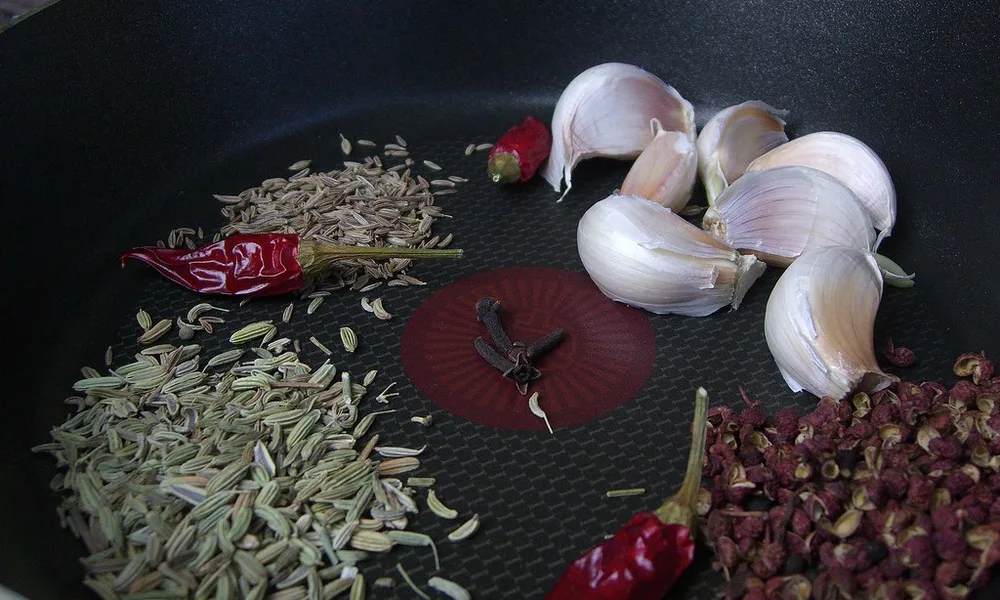
There are three ways to put cloves into food. The first is simmering: drop the buds into the pot with the liquid and let them release their flavour slowly over twenty minutes or more. The second is studding: press whole buds into meat, an onion or an orange, where they flavour from the inside and are easy to find later. The third is grinding: crush the buds fresh in a spice grinder or a mortar for baking and blends.
How many to use
The rule is fewer than you think. In a stew or a curry, three or four buds for a family pot is enough; in a mulled drink, four or five per litre; in a rice dish, two or three. In baking, an eighth of a teaspoon of ground cloves flavours a family cake, and a quarter-teaspoon is already assertive.
When to add them, and when to take them out
Whole cloves need time, so they go in early in simmered dishes: with the liquid in a stock, a curry or a mulled drink, where twenty to thirty minutes draws the flavour out gently. In both cases, take whole buds out before serving. A clove bitten into is unpleasant: sharp, bitter and numbing, and it can ruin an otherwise good mouthful.
Cooking With Cloves
Cloves belong first in the drinks and baking of the cold months. They are one of the three core spices of mulled cider: our guide to the best hot apple cider uses four or five whole cloves per litre, with cinnamon and orange, and that ratio is the one to remember. They are equally at home in chai, where they add depth behind the cardamom: our guide to the best chai explains how the five classic spices share the cup.
In savoury cooking, cloves are the quiet backbone of many dishes. They stud a glazed ham, where their sharpness cuts the sweetness of the glaze. They season curries and rice dishes across South Asia, often alongside cinnamon and cardamom, and they are essential in garam masala and in many pickling spice blends. Their partner spice is cinnamon: our guide to the best cinnamon covers the true cinnamon that pairs with cloves in drinks, baking and curries alike. Together they are the warm half of the spice cupboard, and they appear together more often than any other pair.
Storing Cloves So They Stay Potent
Whole cloves are easy to store and hard to ruin. Keep them in a small airtight jar in a cool, dark cupboard, away from the stove and sunlight, and they will hold their flavour for a year or more. Do not keep them in a clear jar on a sunny shelf, however good they look; light is the enemy of every spice, and cloves are no exception.
Ground cloves need more care. Keep them in the smallest jar you can, sealed and dark, and buy little and often. A jar that is more than four months old has lost its sharpness, and adding more of it only adds woodiness, not flavour.
Mistakes That Waste Good Cloves
The most common mistake is using too many. Cloves are the strongest spice in most cupboards, and one bud too many can dominate a pot. A stew that tastes of cloves and nothing else has too many cloves, not too little of everything else. Count them in, and start with fewer than the recipe suggests.
The second mistake is leaving whole buds in the finished dish. A guest who bites into a clove will remember it, and not fondly. Count the buds out as carefully as you counted them in, and if one is missing, say so before serving.
The third mistake is keeping ground cloves forever. The jar looks the same, so it feels wasteful to replace it, but a spice that has lost its scent is not a spice any more. Replace it, or grind whole buds fresh and stop worrying about it.
Before You Buy: A Quick Checklist
- Choose whole buds over ground: they keep longer, dose easily and come out cleanly.
- Pick buds that are dark, hard and heavy, with the round head still attached to the stem.
- Press a head with your nail: a trace of oil should appear on a fresh clove.
- Smell the jar: fresh cloves smell sharp and sweet from a few inches away.
- Buy a small jar of whole cloves and grind a pinch fresh for baking, rather than a large jar of powder.
- Store cloves airtight in a cool, dark cupboard, away from heat, light and moisture.
Frequently Asked Questions
How many cloves should I use in a dish?
For a litre of liquid, four or five whole buds is the standard dose. For a family stew or curry, three or four. For a single cup of tea, one bud is plenty. In baking, an eighth of a teaspoon of ground cloves is a good start.
Can I use ground cloves instead of whole?
Yes, but carefully: ground cloves are much easier to overdo. Use about an eighth of a teaspoon where a recipe calls for three or four whole buds, and use a fresh jar. Whole buds are better whenever you can fish them out before serving.
How long do whole cloves last?
Stored airtight, dark and cool, whole cloves keep for a year or more.
Should I remove whole cloves before serving?
Yes, always. A clove bitten into is sharp, bitter and numbing, and it can spoil a mouthful. Count them in when they go into the pot, and count them out before the food reaches the table.
Are cloves the same as allspice?
No, though they taste similar. Allspice is a different berry that happens to smell like cloves, cinnamon and nutmeg together. They can stand in for each other, but the flavour will change.
Can I grind whole cloves at home?
Yes, and it is worth doing. Whole cloves grind easily in a spice grinder or a mortar, and freshly ground cloves smell noticeably sharper than a jar that has been open for months.
The Bottom Line
Cloves are worth their tiny price because almost nothing else gives so much flavour for so little money: a few dark, oily buds, counted carefully into the pot and fished out before serving, will warm a drink, deepen a curry and season a ham all year. Buy whole, use few, take them out, and store them properly, and the smallest jar in the cupboard will earn its place. Few spices earn their shelf space so cheaply.