
Star anise is the spice that makes a pot of broth taste like it came from a restaurant. Drop a single dried star into simmering stock and the whole kitchen changes: a warm, sweet, liquorice scent rises from the pot, and a soup that tasted thin an hour ago suddenly tastes deep and considered. It is one of the most powerful spices in the cupboard, and the difference between using it well and using it badly is the difference between a broth that sings and one that tastes of nothing but aniseed.
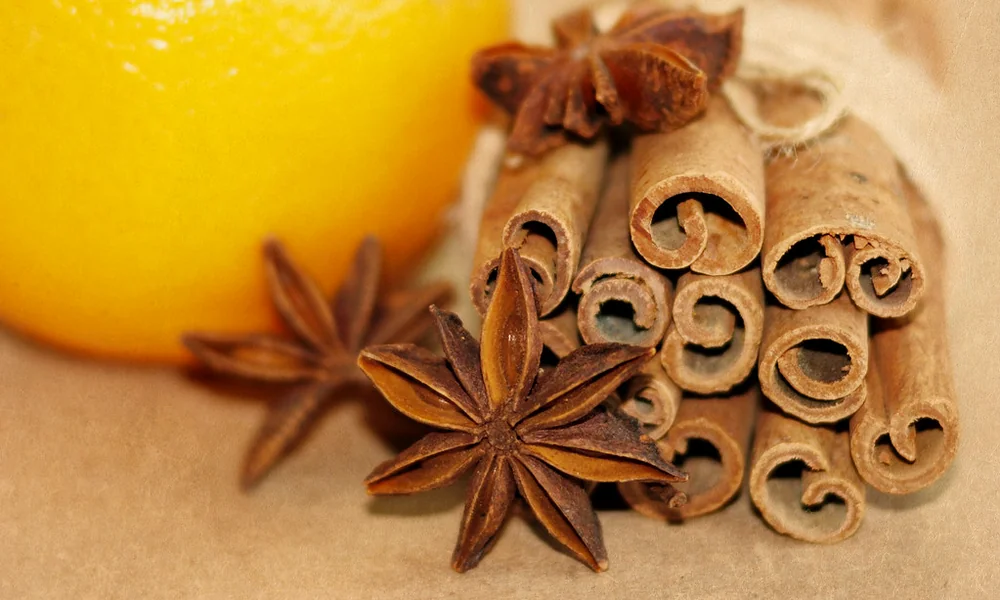
The best star anise of 2026 is whole dried stars that are reddish brown, eight-pointed, and still holding their shiny seeds inside each pod. They smell warm and sweet with a clear liquorice note, they feel hard and dry, and a single star is enough for a whole family pot of broth. Buy it whole, use one star at a time, and take it out before it takes over.
Key Takeaways
- Star anise is the dried star-shaped fruit of the Illicium verum tree, and its flavour is warm, sweet and distinctly liquorice-like.
- It is the signature spice of pho and many Chinese braised dishes, and the reason a good restaurant broth tastes deeper than a homemade one.
- One whole star flavours a whole pot of broth; two will dominate it, and three will make it taste medicinal.
- Buy whole stars, not ground: whole stars keep their scent for a year or more, ground star anise fades fast and is easy to overuse.
- Always fish the star out before serving, and count it in and out so nobody bites into it.
What Star Anise Actually Is
Star anise is the fruit of Illicium verum, a small evergreen tree native to south-west China and north-east Vietnam. The fruit is picked green and unripe, then dried in the sun until it hardens into the familiar eight-pointed star, each point a pod holding a single shiny brown seed.
The flavour comes mainly from anethole, the same compound that gives fennel, liquorice and aniseed their characteristic taste. That is why star anise smells so familiar even to people who have never cooked with it: the scent is the one from liquorice sweets, aniseed balls and the pastis on a French cafe table. But star anise is warmer and rounder than aniseed, with a sweet, woody depth underneath the liquorice note, and that warmth is what makes it a cooking spice rather than a sweet-shop flavour.
It is worth knowing what star anise is not. It is not related to aniseed, which comes from a different plant entirely, and it is not the same as Japanese star anise, which looks similar but is toxic and must never be eaten. That is why it matters to buy star anise from a reputable spice merchant rather than an unknown seller.
Whole Stars or Ground: Which to Buy
Whole stars are the better buy in almost every case. They keep their flavour far longer, they are much harder to adulterate, and you can see exactly what you are buying: a complete eight-pointed star with its seeds still in place. A broken star is not a disaster, since the pieces flavour a pot just as well, but a jar of fragments and dust is a sign of rough handling, and a star with fewer than eight points is worth a second look.
Ground star anise is convenient, and it has its place in spice blends, baking and rubs, where a whole star would be impractical. But ground star anise loses its scent fast, and it is dangerously easy to overuse: half a teaspoon of ground star anise is roughly the same as one whole star, and a heavy hand will make a dish taste medicinal.
Star Anise at a Glance
| Form | Looks like | Flavour | Best for |
|---|---|---|---|
| Whole stars | Eight-pointed reddish-brown stars | Warm, sweet, liquorice | Broth, pho, braises, mulled drinks |
| Ground | Fine brown powder | Even, strong, sweet | Spice blends, baking, rubs |
| Broken stars | Star fragments and loose seeds | Same, slightly faster release | Broth in a spice bag, pickling |
How to Judge a Star Before You Buy It
Smell is the test that matters most. A good star anise smells warm and sweet the moment you pick it up, with a clear liquorice note that you can smell from a few inches away. If you have to hold it to your nose to catch anything, the spice is stale.
Look at the star itself. Good star anise is reddish brown, with eight plump, unbroken points and shiny brown seeds still sitting in the pods. The star should feel hard and dry, not soft or flexible, and it should look rich in colour rather than pale or grey.
Cooking With Star Anise
Star anise is the spice that turns a plain broth into a restaurant broth, and the pot is where it does its best work. In pho, the Vietnamese noodle soup, it is the signature flavour: one or two stars simmered with cinnamon, cloves and charred onion give the broth its warm, sweet depth. The same logic applies to any clear broth, from a simple chicken stock to a beef noodle soup.
It is not only for soup. Star anise is one of the five spices in Chinese five-spice powder, and it is the backbone of many braised dishes: a star or two in a pot of braised pork, beef or duck gives the meat a sweet, aromatic depth that balances soy, sugar and wine. It is also a classic pickling spice, and a pinch of ground star anise deepens gingerbread and spiced biscuits.
For drinks, star anise is at its most comforting. A single star in a pot of mulled wine or mulled cider adds a sweet, warm scent that makes the whole room smell like winter. Use one star per litre and take it out after twenty to thirty minutes, since a star left in the pot will keep flavouring the drink until it tastes of nothing but liquorice.
Star anise also plays well with other spices, and it is worth learning its partnerships. It is a natural partner for cinnamon in broth and braises, and the two together are the backbone of pho. It also pairs well with miso in a quick noodle broth, where its sweetness balances the salty depth of the paste, and it is the spice that makes a bowl of soba noodles in hot broth taste like the noodle bar rather than the packet.

Storing Star Anise So It Stays Fresh
Keep star anise in a small, airtight jar away from heat, light and steam, which means not on the shelf above the cooker, however convenient that looks. A dark cupboard is ideal. Whole stars will keep their flavour there for a year or more, and a jar of ground star anise should be used within three to four months. If you cook with star anise rarely, buy the smallest bag available rather than a large one that will go stale before it is half used.
Toasting the star before it goes into the pot is a small step that pays off. Warm a dry frying pan over a medium heat, add the star, and toast it for thirty seconds or so, turning it once, until the scent rises and the star darkens very slightly at the edges. Let it cool for a moment, then add it to the broth. Toasting wakes up the aromatic oils and gives the broth a rounder, warmer flavour than a raw star, and it is the step that separates a good pho from a great one. Do not walk away from the pan, though: a star left toasting for a minute too long will turn bitter, and a bitter star will spoil a whole pot, so thirty seconds and your full attention is the rule.
Mistakes That Waste Good Star Anise
The most common mistake is using too much. Star anise is one of the strongest spices in the cupboard, and the difference between one star and two in a family pot is the difference between warmth and medicine. Start with one star for a whole pot of broth, taste after thirty minutes, and take it out when the broth tastes right, not when the meal is served.
Before You Buy: A Quick Checklist
- Buy whole stars when you can, and grind them as you need them.
- Count the points: a good star has eight plump, unbroken pods with seeds inside.
- Smell the star: warm, sweet and liquorice-like is fresh, woody or odourless is spent.
- Start with one star per pot, and taste before adding a second.
- Buy the smallest bag that suits how fast you cook through it.
- Keep it in a small airtight jar in a dark cupboard, away from the cooker.
Frequently Asked Questions
How many star anise should I use in a pot of broth?
One whole star for a family pot of two to three litres is the right starting point. Simmer it for thirty to forty minutes, taste, and add a second only if the broth still tastes flat. Two stars is the most most pots need, and three will usually make the broth taste medicinal. Take the star out as soon as the flavour is right.
Can I use ground star anise instead of whole?
Yes, in most recipes. Half a teaspoon of ground star anise replaces roughly one whole star, and the flavour will be more evenly spread, which suits baking, rubs and spice blends. For simmered dishes, though, a whole star is better, because it flavours the liquid gently and can be fished out before serving.
How long does star anise keep?
Whole stars keep their flavour for a year or more in a dark cupboard, while ground star anise fades within about three to four months. The smell test is the reliable guide: if a star smells warm and sweet with a clear liquorice note when you pick it up, it is fine, and if it smells of almost nothing, it is time to replace it.
Is star anise the same as aniseed?
No, though they taste similar. Star anise is the dried fruit of the Illicium verum tree, while aniseed is the seed of a different plant, Pimpinella anisum. Both get their flavour from anethole, which is why they smell alike, but star anise is warmer, sweeter and stronger. They can stand in for each other in a pinch, with about half a teaspoon of ground star anise replacing a teaspoon of aniseed.
Is star anise safe to eat?
Yes, when it is true star anise, Illicium verum, bought from a reputable spice merchant. The confusion comes from Japanese star anise, a different species that looks similar but is toxic. Buy from a shop you trust, check that the stars are reddish brown and eight-pointed with a sweet smell, and avoid star anise from unknown sellers or unlabeled bags.
What dishes use star anise besides pho?
Plenty. It is one of the five spices in Chinese five-spice powder, it flavours braised pork, beef and duck, it goes into pickling brines, mulled wine and mulled cider, and a pinch of ground star anise deepens gingerbread and spiced biscuits. It is also the spice that lifts a plain chicken stock or a bowl of canned soup into something that tastes homemade.
The Bottom Line
The best star anise of 2026 is the simplest version: whole, reddish-brown, eight-pointed stars with their seeds still in place, bought in a small bag and used one at a time. A single star, simmered for half an hour and then taken out, is what makes a broth taste like a restaurant’s.


