The best canned soup in 2026 is the one that tastes like someone made it an hour ago, not like it sat on a shelf for a year. A good tin opens onto real vegetables, a broth with actual depth, and a flavour that holds up from the first spoonful to the last. A bad tin tastes of salt and metal, with vegetables gone soft and grey and a broth so thin it could be coloured water. The difference is rarely the price. It is the ingredients inside, the amount of salt, and the few minutes you spend heating and finishing it properly.
Key Takeaways
- Tomato soup is the safest first choice, and the easiest to lift with cream or fresh herbs.
- Read the sodium before the price. Over 700mg per serving will taste salty no matter what you add; the best tins stay under 500mg.
- Chicken soup lives or dies on its broth. Real stock gives it body and depth; water, salt and flavouring taste flat even with good chicken.
- Heat soup gently and never let it boil hard. A rolling boil toughens vegetables, clouds a clear broth, and makes cream soups split.
- Finish every tin in the bowl, not in the pan. Lemon, fresh herbs or olive oil do more than any seasoning stirred in while it heats.
What Makes a Canned Soup Taste Homemade
A soup tastes homemade when it tastes of the things that went into it. Open a good canned tomato soup and you taste tomato first, then onion, then a little garlic and basil. Open a poor one and you taste salt first, then sweetness, then a faint metallic note from the tin, and the tomato arrives last, if it arrives at all.
Texture is the second giveaway. A homemade soup is either honestly smooth or honestly chunky, and a canned soup should be one or the other. The worst tins sit in the middle: vegetables cut so small they turn to mush, noodles gone soft and swollen, and a broth that is neither silky nor hearty. That halfway texture comes from overcooking during canning, and no amount of careful heating at home can undo it.
The third thing is body, and it comes from stock. A soup made with real stock feels full on the tongue, because the gelatin from bones and the natural starches from vegetables give the liquid weight. A soup made with water and a stock cube tastes thin even when it is salty enough, because salt is not body.
Tomato, Chicken or Vegetable: Which Tin Wins
Every canned soup falls into one of three families, and each has its own rules. Tomato soup is the most forgiving. Chicken soup is the most revealing. Vegetable soup is the most variable, because it depends on which vegetables the maker chose and how much care they took with them.
Tomato soup: the reliable classic
Tomato soup is the canned soup most people grew up with, and it is still the best place to start. The best tins taste of ripe tomatoes cooked down until they are sweet and deep, with onion and garlic underneath and just enough cream or butter to round the edges. They are smooth without being gluey, and they hold their flavour as they cool. The worst tins taste of tomato paste thinned with water, sharpened with citric acid, and sweetened until they taste more like ketchup than soup. If the ingredient list starts with water and tomato paste, put it back; if it starts with tomatoes, you are on safer ground.
Chicken soup: the broth test
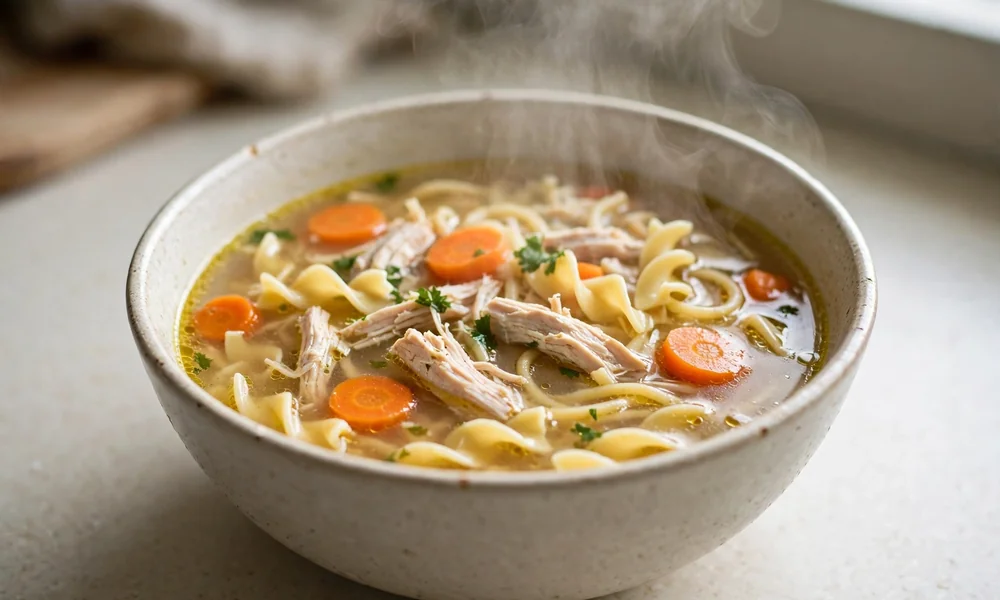
Chicken soup is the soup people reach for when they feel unwell, and the one that disappoints most often. A good canned chicken soup has a clear, golden broth that tastes of chicken before it tastes of salt, with chicken that is still recognisably chicken, carrots that hold their shape, and noodles that have not dissolved into the broth. Drink a spoonful of broth on its own: if it tastes of nothing but salt, the soup is built on flavouring, and the chicken and vegetables are decoration.
Vegetable soup: the widest range
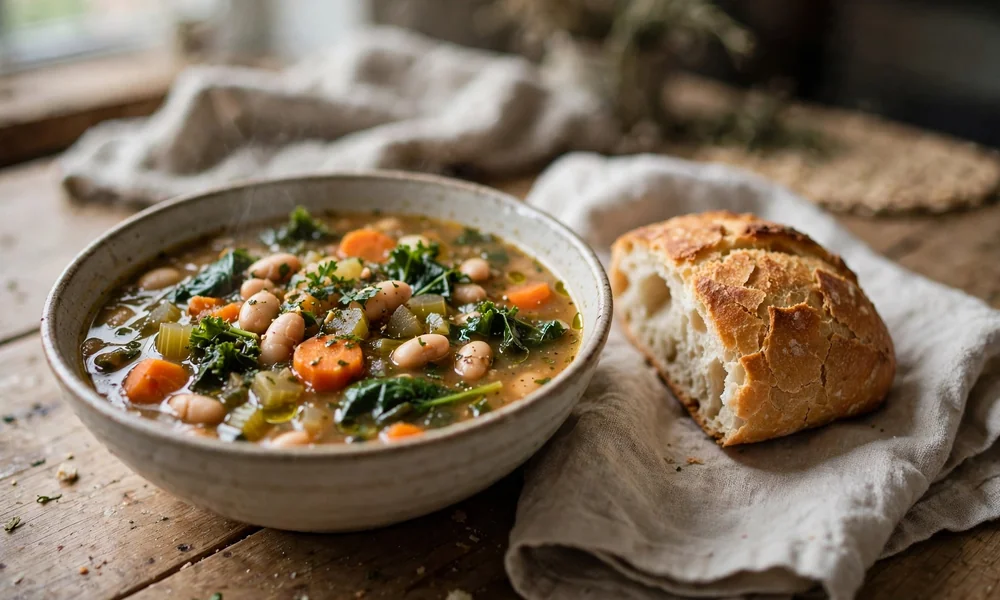
Vegetable soup varies more than any other canned soup, because the recipe is the maker’s choice. The best taste like a garden in a bowl: carrots, celery, beans, tomatoes and leafy greens, each still distinct, in a broth that tastes of vegetables rather than salt. They are hearty without being heavy, and the most filling soup per calorie, which makes them the best choice for a light lunch. The worst are a grey, salty mush where every vegetable tastes the same, because they were cooked together for too long and seasoned with the same heavy hand. Beans, lentils and barley are good signs, because they add body and protein and survive canning well.
Reading the Label: Sodium and Ingredients
The label is the most honest thing on the shelf, and it takes thirty seconds to read. Start with sodium. A serving should stay under 500mg if you want to taste the soup rather than the salt, and anything over 700mg per serving is a salt delivery system with soup in it. Low-sodium versions are worth trying, but check what replaced the salt: some makers add sugar or flavourings to compensate. Then read the ingredients in order, because they are listed by weight. A tomato soup should start with tomatoes, a chicken soup with water or stock, then chicken, then vegetables, and a vegetable soup with vegetables or vegetable stock, not water and modified starch.
Watch for sugar in the wrong places. A little sugar in tomato soup is normal, because tomatoes need it. Sugar in chicken or vegetable soup is a warning sign, because it usually means the maker is covering up thin flavour. And check the serving size, because the numbers are often for half a tin, not the whole thing.
Heating It Right
How you heat a canned soup matters more than most people think. Tip the tin into a saucepan, not a microwave bowl, because a pan gives you control. Warm it over a medium heat, stirring now and then, and take it off the heat just before it simmers. A soup that boils hard will toughen the chicken, turn the vegetables to mush, and break a cream soup into an oily mess. The goal is hot all the way through, not bubbling, and that takes about five minutes. Do not heat soup in the tin, and do not store leftovers in an open tin in the fridge, because the metal can give the soup a metallic taste within hours. Tip leftovers into a lidded container, cool them quickly, and eat them within two days.
Serving: How to Make a Tin Taste Like Dinner
The fastest way to make a canned soup taste homemade is to finish it in the bowl. A squeeze of lemon over chicken soup brightens the whole bowl. A drizzle of good olive oil over tomato soup adds richness that cream cannot match. A handful of fresh parsley, dill or basil, stirred in at the last moment, tastes alive in a way that dried herbs never do. These are thirty-second additions, and they do more than any extra seasoning stirred in while the soup heats, because heat dulls fresh flavours and the bowl is where you taste them. Add texture, too: croutons, crusty bread, a spoonful of cooked rice in chicken soup, or grated cheese over tomato soup all give the bowl something to bite into. Serve it in a wide, warm bowl, not a mug, so the steam rises and the soup stays hot while you eat.

Canned Soup Compared
| Soup | Best for | Watch out for | Serve with |
|---|---|---|---|
| Tomato | Everyday lunches, grilled cheese | Too much sugar or citric acid | Cream, basil, croutons |
| Chicken | Comfort, colds, light dinners | Thin salty broth, mushy noodles | Lemon, parsley, crusty bread |
| Vegetable | Hearty lunches, lighter meals | Grey mush, over-salted broth | Olive oil, bread, grated cheese |
| Minestrone | Filling one-bowl meals | Overcooked pasta and beans | Parmesan, basil, bread |
| Cream of mushroom | Rich, warming suppers | Gluey starch thickening | Thyme, cream, toast |
The table above is a starting point, not a ranking. Tomato wins for a quick lunch with a sandwich, chicken wins when you want comfort, and vegetable wins when you want something hearty that still feels light.
Your Canned Soup Checklist
- Check sodium first: under 500mg per serving is ideal, over 700mg is too salty to fix.
- Read the first three ingredients: they should name the soup, not water, starch and salt.
- Shake the tin gently: it should feel like it has something in it, not slosh like water.
- Heat gently in a pan and stop before it boils, so the vegetables and noodles survive.
- Finish in the bowl with lemon, herbs, olive oil or cream, added at the last moment.
- Serve in a warm, wide bowl with bread or croutons, so the tin becomes a proper meal.
Frequently Asked Questions
Is canned soup healthy?
It depends on the tin. A vegetable or tomato soup with short ingredients and under 500mg of sodium per serving can be a genuinely good lunch, especially with bread and a salad. A soup with over 800mg of sodium, added sugar and a long list of flavourings is closer to a salty snack.
How long does canned soup last unopened?
Most tins keep for two to three years in a cool, dry cupboard, and the date on the tin is a best-before date, not a safety deadline. A tin that is dented, rusted, swollen or leaking should be thrown away without tasting it. Once opened, eat the soup within two days and store it in a container, never in the open tin.
Why does canned soup taste metallic?
The metallic taste usually comes from the tin itself, either because the soup sat in an open tin after opening, or because the tin was damaged. Tip the soup into a pan as soon as you open it, do not store it in the tin, and a metallic note in a fresh tin is a reason to try a different brand.
Can you freeze canned soup?
Yes, once it has been opened and heated. Cool it quickly, freeze it in portions, and use it within three months. Soups with noodles or potatoes freeze worst, because the pasta and potato turn soft and grainy when thawed. Tomato, vegetable and bean soups freeze best.
What is the best canned soup for a cold?
Chicken soup, and it is not just tradition. A warm, salty broth clears a stuffy nose, the steam helps you breathe, and the liquid replaces what a fever takes out. Choose a tin with real stock, proper chicken and a clear broth, heat it gently, and add lemon and parsley at the table.
Should I buy low-sodium canned soup?
Usually, yes, if the ingredients are otherwise good. Low-sodium tins give you control: you can add your own salt a pinch at a time and stop when it tastes right. The ones to avoid are low-sodium tins that replace the salt with sugar or a long list of flavourings.
The Bottom Line
The best canned soup in 2026 is a tomato, chicken or vegetable soup with short, honest ingredients, sodium under 500mg a serving, and a broth that tastes of what it claims to be. Buy the plain versions, heat them gently in a pan, and finish them in the bowl with lemon, herbs or olive oil. Do that, and a tin from the shelf will taste like a soup someone made for you an hour ago. If you want to compare notes on soup more broadly, our look at the best and worst soups of 2026 sets out how the whole category is judged, while the guide to canned tomatoes that actually taste fresh helps with the tomato end of the shelf, and our guide to soup bowls that hold the heat covers the bowl itself.