Miso is the quiet workhorse of the Japanese pantry, and once you learn to use it, it starts showing up everywhere. A spoonful of miso stirred into soup, whisked into a dressing or brushed over fish before roasting adds a deep, savoury richness that salt alone never reaches. It is fermented, complex and endlessly useful, yet most home cooks buy one tub, use it for a single soup, and let the rest sit in the fridge for months. Here is how to choose it and use it well in 2026.
Key takeaways
- Miso is a fermented paste of soybeans, salt and koji, and its flavour runs from sweet and mild to dark, salty and intensely savoury.
- White miso is the gentle all-rounder for soups, dressings and glazes; red miso is the bold one for hearty stews and marinades.
- Look for a short ingredient list: soybeans, rice or barley, salt, water and koji, with no added colouring or flavour enhancers.
- Never boil miso hard. Stir it in off the heat or at a gentle simmer so its delicate aroma survives.
- Kept in the fridge with the surface covered, an open tub of miso lasts for months.
What miso actually is
Miso is made by fermenting soybeans with salt and koji, a culture grown on rice or barley that breaks starches and proteins down into sugars and amino acids. That slow fermentation is where the flavour comes from: the sweet, the salty and the deep savoury note that cooks call umami all develop in the tub over weeks or months. The result is a thick paste that ranges in colour from pale cream to near-black, and in flavour from gently sweet to almost meaty.
The paste is far more than a soup ingredient. In a Japanese kitchen it seasons broths, glazes grilled fish, dresses vegetables, marinates meat and even sweetens desserts. Any dish that needs depth without heaviness, saltiness with something behind it, benefits from a spoonful of miso. Think of it as a seasoning rather than a sauce: you rarely eat it on its own, and you never need much of it.
The main types, compared
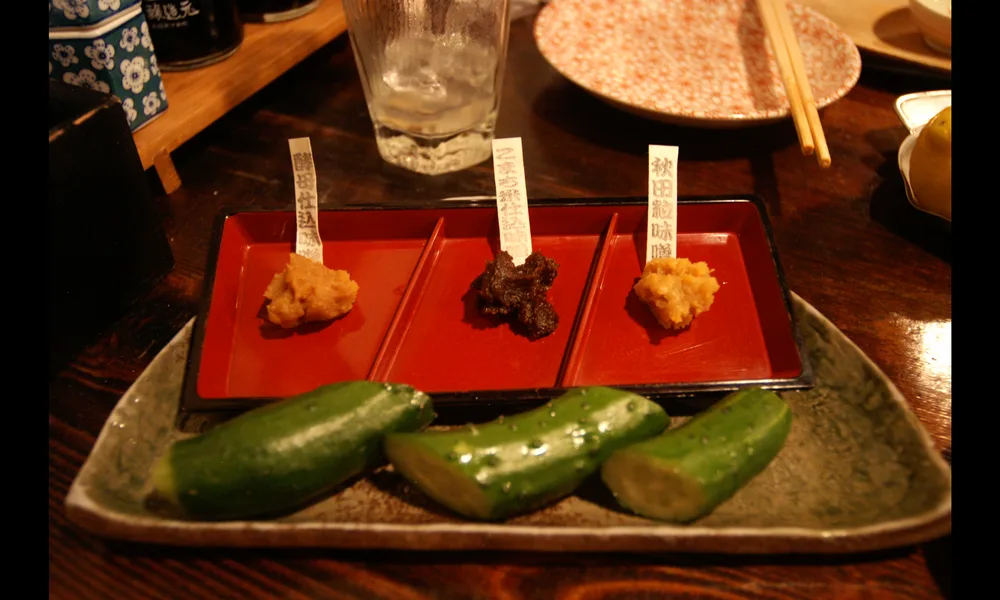
Most of the miso you will meet falls into three broad families, named for their colour. The colour is a rough guide to fermentation time and flavour, and once you know it you can shop with confidence.
| Type | Colour | Flavour | Fermentation | Best for |
|---|---|---|---|---|
| White miso (shiro) | Pale cream to light gold | Sweet, mild, lightly nutty | Weeks to a few months | Soups, dressings, glazes, fish |
| Yellow miso (shinshu) | Golden yellow to light brown | Balanced, earthy, gently salty | Several months | Everyday cooking, stews, vegetables |
| Red miso (aka) | Deep reddish brown | Bold, salty, intensely savoury | Many months to years | Hearty soups, marinades, braises |
| Blended (awase) | Mid brown | Balanced, versatile | Varies | All-round cooking |
White miso: the gentle one
White miso, or shiro miso, is fermented for the shortest time, so it keeps more of its sweetness and stays pale. It tastes mild, slightly sweet and faintly nutty, with none of the saltiness that puts some people off fermented foods. If you are new to miso, start here. It dissolves easily into hot water for a quick soup, whisked with rice vinegar and oil it makes a dressing that flatters raw vegetables, and mixed with a little mirin it becomes a glaze for salmon or aubergine that caramelises beautifully under the grill. Because it is mild, you can use it generously, and because it is sweet, it suits dishes where a darker miso would overpower everything else.
Yellow miso: the everyday one
Yellow miso, often sold as shinshu miso, sits in the middle of the range. It is fermented longer than white miso, so it is earthier and a little saltier, but it never turns aggressive. This is the workhorse tub: the one for weeknight soups, for simmered vegetables, for a quick noodle broth when you want flavour without thinking too hard. It is the closest thing miso has to an all-rounder, and if you only buy one tub, this is the sensible choice.
Red miso: the bold one
Red miso, or aka miso, is fermented the longest, sometimes for a year or more, and it shows. It is dark, dense, salty and intensely savoury, with a flavour that some describe as almost meaty. A little goes a long way: a teaspoon in a pot of stew or a marinade for pork or beef adds a depth that no other ingredient quite matches. Use it where the dish can stand up to it, in hearty soups, in braises, in a glaze for roasted vegetables, or whisked into a barbecue-style sauce. Start with less than you think you need, taste, and add more.

How to read a miso label
A good tub of miso has a short ingredient list. Look for soybeans, rice or barley, salt, water and koji, and little else. That is all miso needs. Be wary of tubs padded out with added sugars, caramel colouring or flavour enhancers. None of these are dangerous, but they are signs of a product built for shelf life and price rather than flavour, and the taste usually shows it.
Check the salt content, too, because it varies widely. White miso is usually lower in salt, red miso higher, and the difference matters when you are seasoning a whole pot. The label may also name the grain used: rice-based miso is the most common and the sweetest, barley-based miso is earthier and slightly rustic, and soybean-only miso is the darkest and most intense. None is better than the others; they are different tools for different dishes.
Cooking with miso
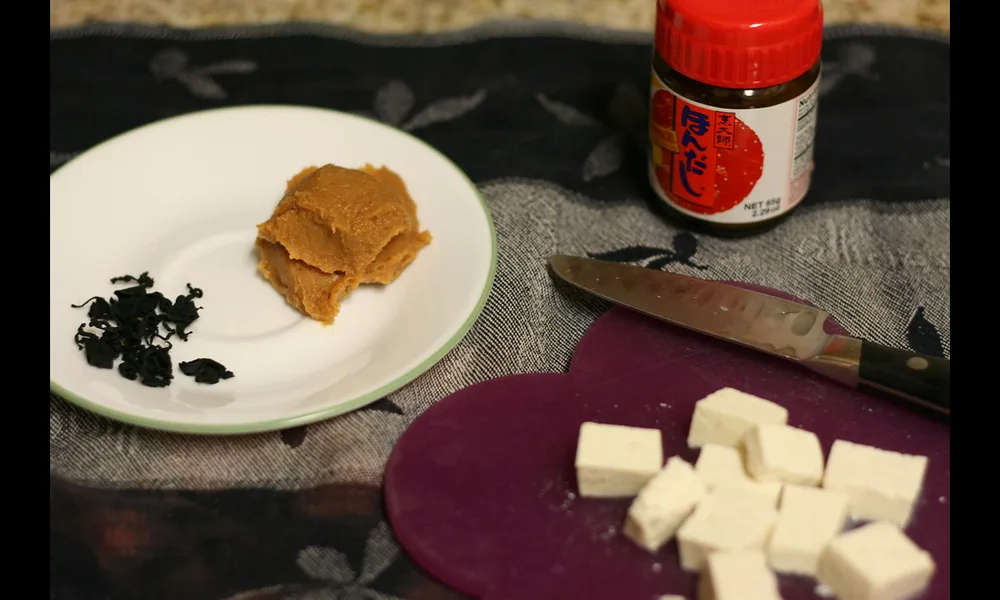
The classic use is miso soup, and it is worth doing properly. Warm your liquid, dashi if you have it, a good vegetable stock or even plain water, and cook your ingredients through: tofu, seaweed, spring onions, mushrooms, whatever you like. Then take the pot off the heat and whisk the miso in, a spoonful at a time, until it dissolves. Never boil the soup hard after the miso goes in. High heat dulls its aroma and flattens the flavour you paid for, and a gentle simmer is all it needs.
Beyond soup, miso earns its place as a marinade. Mixed with a little sake, mirin and sugar, it coats fish, chicken or aubergine and, given a few hours or overnight, seasons them right through. Wipe off the excess before cooking, because the sugars in miso burn quickly, and grill or roast until the edges caramelise. The result is glossy, savoury and deeply browned, and it is one of the most reliable ways to make a plain fillet taste like a restaurant dish.
As a dressing, miso is just as useful. Whisk a spoonful with rice vinegar, a neutral oil and a little honey or grated ginger and you have a dressing that suits everything from shredded cabbage to roasted squash. Thinned with warm water, it becomes a sauce for noodles, and stirred into mashed potato or a butter sauce it adds a savoury backbone that salt alone cannot provide. The rule in every case is the same: add a little, taste, and add more. Miso is a seasoning you build up, not one you dump in.
Storing miso properly
Once opened, miso lives in the fridge. Press a piece of cling film or parchment directly onto the surface before replacing the lid, which slows the darkening that happens when air reaches the paste, and keep it towards the back of the fridge where the temperature is steadiest. Stored this way, an open tub keeps for months, and a dark red miso can last longer still. Miso does not really go off in the way fresh food does; it continues to ferment very slowly, growing darker and more intense over time. If the surface darkens, simply scrape the top layer away.
Mistakes that ruin good miso
The most common mistake is boiling it. Miso added to a furiously bubbling pot loses its aroma and much of its charm, so always add it last and keep the heat gentle. The second mistake is using too much of a dark miso in a delicate dish. Red miso in a light vegetable soup will bulldoze every other flavour, so match the miso to the dish: pale for delicate, dark for hearty.
Your miso checklist
- Choose white miso for delicate soups, dressings and glazes; red miso for hearty stews and marinades.
- Check the label: soybeans, grain, salt, water and koji, with no unnecessary additives.
- Buy refrigerated tubs from a shop with good turnover, and check the colour and date.
- Add miso last, off the heat or at a gentle simmer, and never boil it hard.
- Start with a small amount, taste, and build up; dark miso needs far less than white.
- Store opened miso in the fridge with film pressed on the surface, and it will keep for months.
Frequently asked questions
What is the difference between white and red miso?
White miso is fermented briefly, so it is pale, sweet and mild, while red miso is fermented for months or longer, making it dark, salty and intensely savoury. White suits delicate dishes and dressings; red suits hearty soups, stews and marinades. Yellow miso sits between the two and works as an everyday all-rounder.
Does miso need to be refrigerated?
Yes, once opened. The fridge slows fermentation and keeps the flavour bright for months. Press film onto the surface before closing the lid to stop it darkening, and keep it away from strong fridge odours, which it absorbs easily.
Can you eat miso raw?
Miso is already fermented, so it is safe to eat without cooking, and it is often used raw in dressings and dips. Cooking does not make it safe so much as change its flavour, and high heat dulls its aroma, which is why it is usually stirred in at the end.
Is miso gluten-free?
Not always. Rice-based miso is usually gluten-free, but barley-based miso contains gluten, and some producers add it as a flavouring. Check the label if it matters to you, and look for a tub that states gluten-free clearly.
How long does an open tub of miso last?
Months, easily. Kept cold and covered, white miso stays good for around three months and darker miso for six months or more. It darkens slowly as it ages, which is normal; scrape off the top layer if it bothers you and use the paste underneath.
Can I use miso instead of soy sauce?
Sometimes. Both bring salt and savoury depth, and soy sauce is the closest liquid equivalent when a recipe needs seasoning rather than body. But miso is a thick paste with sweetness and body of its own, so it suits dressings, glazes and soups better than a splash of soy sauce, while soy sauce suits dipping and quick seasoning. They complement each other more than they compete, and many recipes use both. The same pantry logic applies to other pastes: a good jar of tahini shows how one paste can anchor a shelf of dressings, and miso builds a broth that a quick bowl of udon noodles turns into a proper meal.
The bottom line
Miso is one of the best value ingredients in any kitchen: cheap, long-lasting and capable of transforming plain food with a single spoonful. Buy a good tub, white for gentle dishes or yellow for everyday cooking, add it late and gently, and let it do the quiet work it has done for centuries. Once it earns a permanent place in your fridge, you will wonder how your cooking ever managed without it.