Soy Sauces Worth Pouring in 2026
Soy sauce is the hardest-working bottle in the pantry. A few drops add salt, depth and a dark, savoury richness that no other condiment can match, turning plain rice, noodles and vegetables into food that tastes finished. The best soy sauce in 2026 is not the cheapest bottle on the shelf: it is a naturally brewed sauce with a clean, rounded flavour, and the right one depends on whether you are cooking, dipping or seasoning at the table.
Light, dark, tamari, shoyu and sweet soy sauce all do different things, and using the wrong one can make a dish too salty, too dark or too sweet. This guide explains what is in the bottle, how the main types differ, and which soy sauce deserves a place in your kitchen.
Key takeaways
- Light soy sauce is the everyday seasoning: salty, thin and made for cooking, not for colour.
- Dark soy sauce is for colour and sweetness, not salt: use a little, or your food will turn dark before it tastes seasoned.
- Tamari is the wheat-free option, richer and smoother than regular soy sauce, and it is the best choice for dipping sushi.
- Naturally brewed soy sauce tastes rounder and cleaner than chemically made sauce, which is often sharp, one-note and overly salty.
- Store soy sauce in a cool, dark place, and keep the bottle you dip from separate from the bottle you cook with.
What soy sauce actually is
Soy sauce is a fermented seasoning made from soybeans, wheat, salt and water, with a history stretching back more than two thousand years. The traditional method soaks and steams the soybeans, mixes them with roasted wheat and a starter culture, then leaves the mixture to ferment in brine for months. During that slow fermentation, enzymes break proteins into amino acids, creating the deep, savoury taste — umami — that makes soy sauce so useful.
The result is a dark, salty liquid that seasons food in a way plain salt cannot. Salt adds only saltiness, but soy sauce adds salt plus a rounded, almost meaty depth, a faint sweetness, and a dark colour that makes food look appetising.
Not every bottle is made this way. Cheap soy sauce is often made by a fast chemical process that breaks soy protein down with acid in days rather than months, then adds colour, flavouring and extra salt to mimic the real thing. A naturally brewed bottle costs a little more and tastes dramatically better —
The main types, compared
The soy sauce shelf looks confusing because the same word covers several different products. The names matter, because each type has a different job. Light soy sauce seasons, dark soy sauce colours, tamari dips, and sweet soy sauce glazes.
| Type | Salt | Colour | Best use |
|---|---|---|---|
| Light (regular) | High | Light brown | Everyday cooking and seasoning |
| Dark | Lower | Very dark | Colour and sweetness in braises |
| Tamari | High | Dark | Dipping sushi, wheat-free cooking |
| Shoyu (Japanese) | Medium | Medium brown | Dipping, dressings, light cooking |
| Sweet (kecap manis) | Low | Very dark, syrupy | Glazes, fried rice, satay |
| Low-sodium | Lower | Light brown | Everyday cooking with less salt |
Light soy sauce: the everyday bottle
Light soy sauce, also sold as regular or thin soy sauce, is the workhorse. It is the saltiest type, the thinnest, and the one to reach for when a recipe simply says soy sauce. It seasons stir-fries, marinades, soups and fried rice without darkening the food much, and it is the bottle to keep by the stove.
Dark soy sauce: colour, not salt
Dark soy sauce is thicker, sweeter and much darker than light, because it is aged longer and often has molasses or caramel added. Its job is colour and a gentle sweetness, not salt — it is actually less salty than light soy sauce. Use too much and the food turns black and sweet, so measure it like a spice, not a seasoning.
Tamari and shoyu: the dipping sauces
Tamari is the Japanese sauce made mostly from soybeans, with little or no wheat. It is richer, smoother and slightly less salty than regular soy sauce, with a clean flavour that makes it the best choice for dipping sushi and sashimi. Shoyu is the standard Japanese soy sauce, brewed with equal parts soybean and wheat, lighter and a little sweeter than Chinese light soy sauce, and equally good for dipping, dressings and delicate cooking.
Sweet soy sauce: the glaze
Sweet soy sauce, known as kecap manis in Indonesia, is dark soy sauce simmered with palm sugar until it turns thick and syrupy. It is sweet, sticky and intensely flavoured, and it is used as a glaze and a table sauce rather than a cooking seasoning. Treat it as a finishing sauce, and add it at the end.
How to read a soy sauce label
The label tells you almost everything you need to know, if you know what to look for. The first thing is the brewing method: look for the words naturally brewed, and avoid bottles whose ingredient list starts with hydrolysed soy protein, which is the mark of the fast chemical process.
The second thing is the ingredient order. Soybeans and wheat should come first, and salt should appear after them. If the list is long, with caramel colour, flavour enhancers and preservatives near the top, the bottle is doing a lot of work to imitate the real thing.
Sodium is worth a glance, but it is not the whole story. Light soy sauce is the saltiest type, and low-sodium versions cut the salt by about a third, which is useful if you use a lot of it. Brew quality matters more than the sodium number,
Cooking with soy sauce
The most common mistake is adding soy sauce too early. In a stir-fry, it should go in near the end, once the vegetables and protein are nearly cooked, so it coats the food instead of boiling away and turning bitter. The sesame oil that changes stir-fries is added even later, off the heat, and the two together are the backbone of quick Asian cooking.
Marinades are the second place soy sauce earns its keep. A mix of soy sauce, a little oil, garlic and ginger seasons meat in thirty minutes, and the salt helps the surface brown when the meat hits the pan. For rice, the rule is the opposite of the stir-fry rule: season fried rice while it cooks, so the grains absorb the flavour, and taste before adding more — it is easy to add, and impossible to take away.
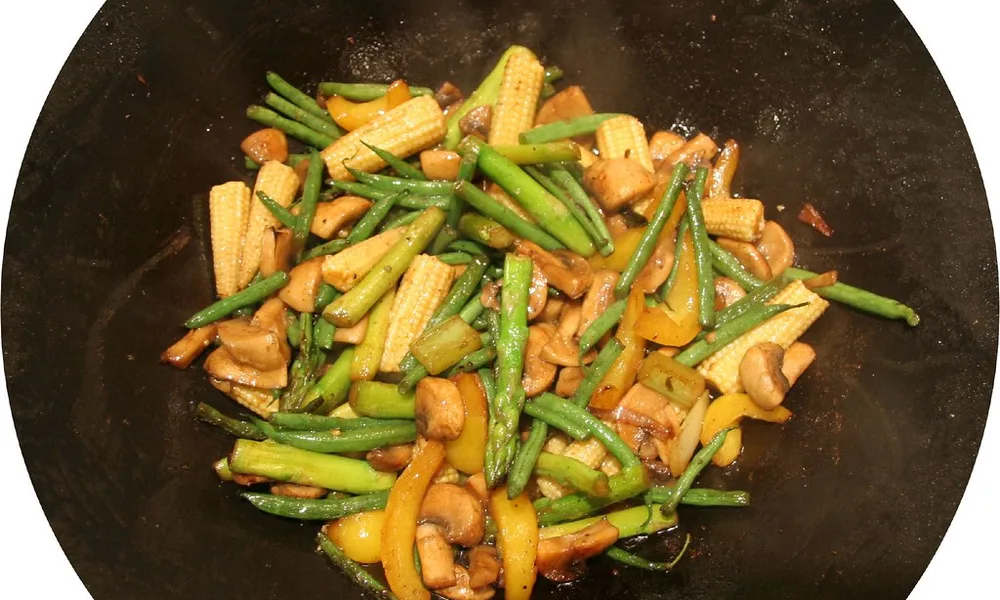
Soy sauce is not only for Asian cooking. A splash in a mushroom sauce, in the water for boiling green beans, or in a vinaigrette gives the same savoury depth, and a few drops in a tomato sauce or a beef gravy add richness without making the dish taste Asian. Start with a teaspoon, taste, and add more only if the dish still tastes flat — the goal is depth, not a soy flavour taking over the plate.
Dipping, dressings and the table
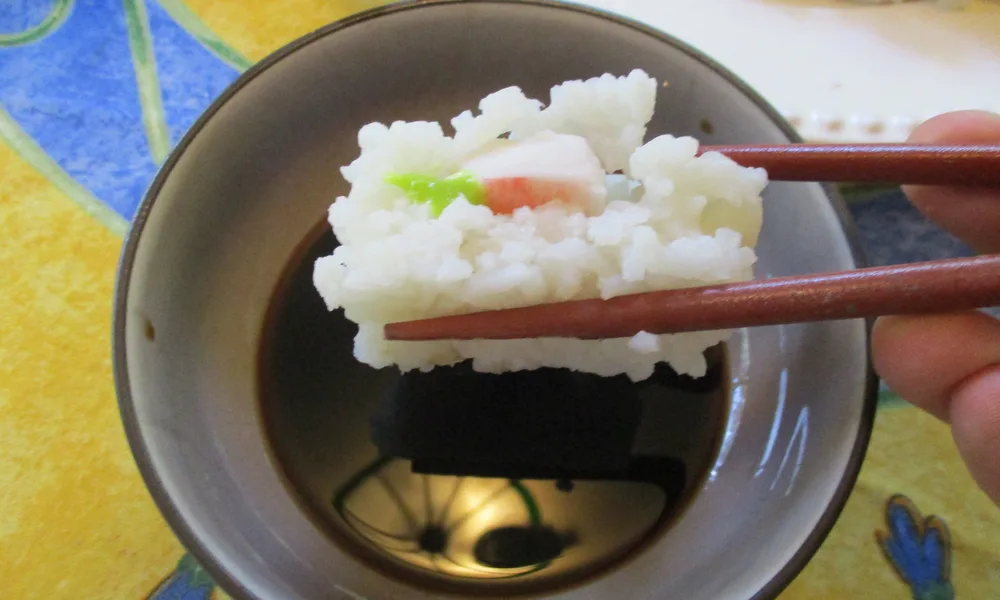
At the table, soy sauce is a dipping sauce first and a seasoning second. For sushi, the rule is to dip the fish side, not the rice, and to dip lightly — a soaked piece of sushi falls apart and tastes of nothing but salt. The small dish matters: it keeps the sauce separate from the plate and stops the meal from becoming a salty flood.
For dressings, soy sauce adds the savoury note that ties a vinaigrette together. A simple dressing of soy sauce, rice vinegar, a little honey and sesame oil works on salads, cold noodles and steamed vegetables, and it takes less than a minute to shake together.
One bottle for the stove and one for the table is a practical setup. The cooking bottle can be a good Chinese light soy sauce, used generously. The table bottle should be a tamari or shoyu you enjoy dipping, kept in a small bottle or a soy sauce dispenser so it pours in thin streams rather than splashes.
Storing soy sauce properly
An unopened bottle of soy sauce keeps for years in a cool, dark cupboard. Once opened, it keeps for one to two years, though its flavour is best in the first six months. The rice varieties worth stocking your pantry with keep in the same cupboard, and the two together cover most quick weeknight meals.
What goes wrong with soy sauce is usually oxidation, not spoilage. A bottle left open in a warm, bright kitchen will slowly lose its aroma and taste flatter, and a white film can form on the surface if it is stored badly — harmless, but a sign the bottle has had a hard life.
Your soy sauce checklist
- Buy naturally brewed: four ingredients on the label, soybeans and wheat first, no hydrolysed soy protein.
- Keep two bottles: a light soy sauce for cooking and a tamari or shoyu for dipping and the table.
- Use dark soy sauce for colour only, a teaspoon at a time, and never as your main seasoning.
- Add soy sauce late in a stir-fry, around the edge of the wok, so it caramelises instead of boiling away.
- Dip sushi fish-side down, lightly, and never soak the rice.
- Store opened bottles in a cool, dark place, cap on, and use a premium bottle within six months for the best flavour.
Frequently asked questions
What is the difference between light and dark soy sauce?
Light soy sauce is thin, salty and used for seasoning, while dark soy sauce is thicker, sweeter, darker and used mainly for colour. Dark sauce is actually less salty than light sauce, so the two are not interchangeable in a recipe.
Is tamari the same as soy sauce?
Tamari is a type of soy sauce, made mostly from soybeans with little or no wheat. It is richer and smoother than regular soy sauce, it is the best choice for dipping sushi, and most tamari is suitable for people avoiding wheat.
Does soy sauce go off?
An opened bottle keeps for one to two years in a cool, dark place, and it rarely becomes unsafe.
Can you use soy sauce instead of salt?
Yes, in many dishes. Soy sauce adds salt plus a savoury depth that plain salt cannot give, which is why it works so well in stir-fries, soups and marinades. Start with a little and taste as you go, because it is easy to over-salt a dish.
Is low-sodium soy sauce worth buying?
It can be, if you use a lot of soy sauce or you are watching your salt intake. Low-sodium versions cut the salt by about a third, but a naturally brewed full-salt sauce still beats a chemically made low-sodium one.
What does soy sauce go with?
It goes with rice, noodles, stir-fries, sushi, dumplings, marinades and dressings, and it works as a seasoning for eggs, vegetables and grilled meat. A good rice cooker and a bottle of light soy sauce together cover more weeknight dinners than almost any other pairing in the kitchen.

The bottom line
Soy sauce rewards a little attention. One naturally brewed light bottle for cooking, one tamari or shoyu for the table, and a small bottle of dark sauce for colour will cover almost everything you cook, and the difference from the cheapest bottle on the shelf is obvious from the first taste. The best soy sauces in 2026 are not exotic or expensive — they are simply the ones made slowly, from real ingredients, and used with a light hand.