Best Lip Masks for Soft Lips Overnight in 2026
The best lip masks in 2026 turn dry, flaky lips soft again while you sleep, with a thick layer of moisture that stays put for hours instead of disappearing in minutes. A lip mask is not a fancy lip balm. It is a leave-on treatment, usually a rich gel or balm in a small jar, that you smooth over your lips at night and let work while you are not talking, eating or drinking. By morning the rough patches have softened, the cracks feel less tight, and lipstick goes on evenly instead of catching on every dry flake.
Lips dry out faster than almost any other skin because they have no oil glands of their own and the skin there is very thin. Every sip of water, every breath of cold air and every swipe of matte lipstick takes moisture away, and a normal balm only replaces a little of it before it wears off. A lip mask solves that by being deliberately heavy: it seals the surface, traps the moisture underneath, and gives the skin hours of uninterrupted repair time.
Key Takeaways
- A lip mask is a thick leave-on treatment, not a daytime balm: it seals moisture in for hours, which is why overnight use gives the best results.
- Look for hyaluronic acid, ceramides, shea butter and squalane on the label, and be careful with strong flavours, fragrance and menthol if your lips are cracked.
- Apply a generous layer at night and let it sink in while you sleep; a thin layer in the morning works as a primer before lipstick.
- Exfoliate gently once or twice a week first, so the mask can reach fresh skin instead of sitting on top of flakes.
- One small jar lasts months because a little goes a long way, so judge a lip mask by how your lips feel in the morning, not by its price.
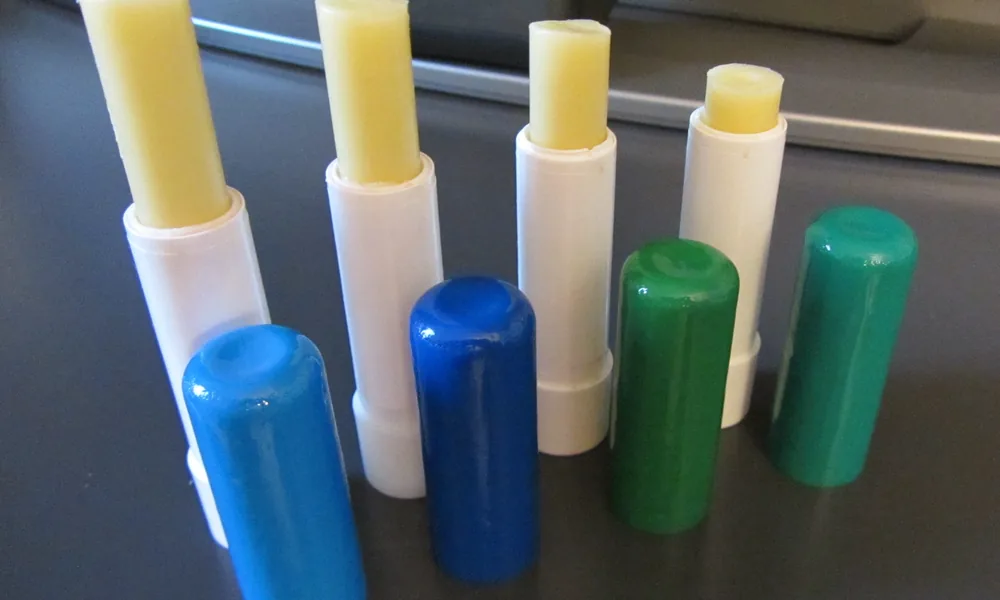
What a Lip Mask Actually Does
A lip mask works in three ways at the same time. First, it adds moisture: humectants such as hyaluronic acid and glycerin pull water into the top layer of the lips, which makes them feel plumper and softer within minutes. Second, it adds softness: butters and oils such as shea butter, cocoa butter and jojoba oil fill the tiny gaps between dry skin cells, so the surface feels smooth instead of rough. Third, and most importantly, it seals everything in: waxes and heavier oils form a thin protective film that slows moisture loss for hours, which is the part a normal balm cannot do because it is too light to stay put.
That sealing action is why overnight use matters so much. During the day you talk, eat, drink and wipe your mouth, and any product on your lips is gone within an hour or two. At night nothing disturbs it. Eight hours under a thick layer is enough for even badly chapped lips to soften, and after a week of nightly use most people find they need far less balm during the day.
Overnight Masks vs Day Masks
Most lip masks fall into one of two groups, and the difference is thickness. Overnight masks are the classic type: thick, glossy and almost greasy, designed to be worn for hours and to still be there in the morning. Day masks are lighter, closer to a rich balm, and meant to be worn for twenty minutes or so, or as a base under makeup. Both are useful, but they are not interchangeable, and buying the wrong one is the most common reason people feel disappointed.
| Feature | Overnight Mask | Day Mask |
|---|---|---|
| Texture | Thick, glossy, almost greasy | Light, creamy, absorbs quickly |
| Wear time | 6 to 8 hours while sleeping | 15 to 30 minutes, or under makeup |
| Best for | Very dry, cracked or flaky lips | Mild dryness and lipstick prep |
| Finish | Shiny and heavy | Soft sheen, sits well under colour |
| How often | Every night, or 3 to 4 nights a week | Daily, whenever lips feel dry |
If you only buy one, buy the overnight kind. A thick overnight mask can double as a day treatment if you use a thin layer, but a light day mask cannot do the heavy overnight repair job.
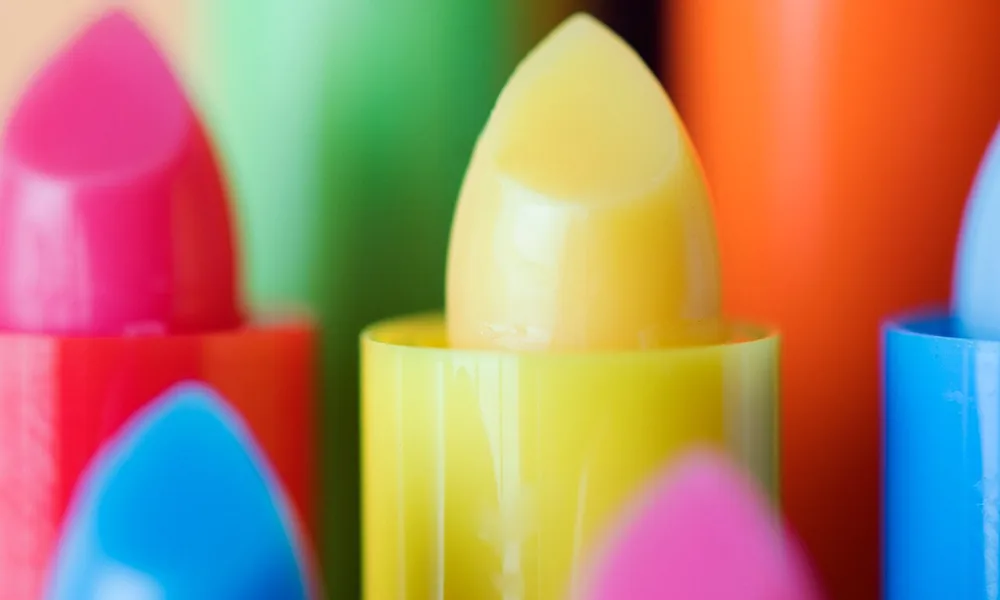
Ingredients That Help, and Ones to Avoid
The ingredient list tells you more than the packaging ever will. A good lip mask combines all three types: something that draws water in, something that softens, and something that seals it there.
Ingredients worth looking for
Hyaluronic acid is the most useful humectant in a lip mask because it holds many times its weight in water and gives lips a soft, slightly plumped feel. Ceramides help rebuild the skin barrier, which matters if your lips are always dry, because a damaged barrier leaks moisture constantly. Shea butter and squalane are the softeners: shea is rich and long-lasting, while squalane is light and sinks in without feeling greasy. Petrolatum and beeswax are the sealers, and although they sound unglamorous they are the reason a mask stays on your lips all night.
Ingredients to be careful with
Fragrance and strong flavouring are the usual troublemakers. Berry, vanilla and mint sound lovely, but on cracked lips they can sting and make the irritation worse. Menthol and camphor feel cooling at first and then dry the lips out further. Essential oils such as peppermint and cinnamon are sometimes added for a plumping tingle, but on sore lips they are more likely to cause redness than fullness. If your lips are sensitive or already split, choose a fragrance-free mask.
How to Use a Lip Mask in Your Nightly Routine
A lip mask works best as the last step of your evening routine, after your face is clean and your other skincare is on. The order matters more than most people expect.
Start by gently removing any lipstick or long-wear colour, because a mask cannot reach the skin through a layer of pigment. If your lips are flaky, exfoliate first, but only once or twice a week and only with something very gentle. A soft washcloth with warm water is enough for most people, and a dedicated lip scrub is a good option when the flakes are stubborn. Scrubbing every day will make things worse.
Then scoop out a generous layer with a clean fingertip or the small spatula that comes with the jar, and spread it over both lips and slightly beyond the edge, where cracks often start. It should look like a thick, glossy coating, not a thin sheen. Leave it alone and go to sleep. In the morning, blot away whatever is left with a tissue, then apply your normal daytime balm.
During the day, a thin layer of the same mask works as a primer before lipstick, but wipe off the excess first or the colour will slide. And keep the jar clean: dipping a used finger into it every night introduces bacteria, so wash your hands first or use the spatula.
Lip Masks for Dry, Chapped and Sensitive Lips
Chapped and cracked lips
Cracked lips need a mask heavy on sealing ingredients and free of fragrance, flavour and tingling agents. Look for petrolatum, ceramides and shea butter at the top of the list, and avoid menthol or peppermint until the cracks have healed. Apply the mask twice a day while your lips are at their worst. If the cracks bleed or stay open for more than a week, see a pharmacist or doctor rather than trying another product.
Sensitive lips
Sensitive lips react to almost everything, so the shortest ingredient list usually wins. A fragrance-free mask with ceramides and squalane is a safe starting point, and patch testing on one corner of your mouth for a night before using it all over will save you a painful morning.
Lips under lipstick
If you wear lipstick every day, a lip mask earns its place as a primer. Matte and long-wear formulas are the worst offenders for drying lips out, because they pull moisture out as they set. A thin layer of mask worn for fifteen minutes before makeup, blotted down to a light film, gives the lipstick a smooth surface to grip. Your everyday lip balm can do a similar job in a pinch, but a mask is richer and lasts longer under colour.
Choosing the Right Lip Mask
There are dozens of lip masks on the market now, from budget jars to luxury ones that cost as much as a foundation. Price is a poor guide: some of the most effective masks are also the cheapest, because the ingredients that matter are not expensive.
A lip mask is part of a wider routine rather than a one-product fix. Think of it the way you think of your face: a mask is the weekly deep treatment, just as a face mask is for the rest of your skin. The daily balm is the maintenance, the scrub is the reset, and the overnight mask is the repair.
Checklist: Buying a Lip Mask
- Pick an overnight formula first: thick, glossy and designed to stay on for hours, not a light day cream.
- Check the label for hyaluronic acid, ceramides, shea butter or squalane, and a sealing ingredient such as petrolatum or beeswax.
- Choose fragrance-free if your lips are cracked, sensitive or sore, and save scented masks for healthy lips.
- Test the texture on the back of your hand: it should feel rich and slightly sticky, not watery or thin.
- Make sure the jar comes with a spatula or that you are happy using clean fingers, and keep the lid closed between uses.
- Judge it after a week of nightly use, not one night: softness that lasts into the afternoon is the real result.
Frequently Asked Questions
Can I use a lip mask every night?
Yes, and most people get the best results that way. A lip mask is a moisturising treatment, not a chemical exfoliant, so nightly use is safe for healthy lips. Once your lips feel recovered, you can cut back to three or four nights a week.
Is a lip mask the same as lip balm?
No. A balm is a light daytime product that protects lips for an hour or two, while a mask is a thick treatment that stays on for hours and repairs the skin underneath. They work best together: the mask repairs at night and the balm maintains the result during the day.
Can I wear a lip mask under lipstick?
Yes, but use a thin layer and blot most of it off first. A thick layer will make lipstick slide, while a light film smooths the surface and helps colour last longer.
How long does a jar of lip mask last?
Three to six months with nightly use, because you only need a pea-sized amount each time. That makes even a pricey jar good value per night.
Do lip masks help with dark or pigmented lips?
A mask can make lips look healthier and more even by keeping them smooth and hydrated. But it cannot change your natural lip colour. For that, sun protection during the day matters far more than any mask.
Can I make a lip mask at home?
You can: a simple mix of honey and a little oil left on the lips for twenty minutes will soften them. But a homemade version will not seal as well as a proper mask, so treat it as an occasional treat.
The Bottom Line
The best lip masks in 2026 are the thick, fragrance-free overnight treatments that seal moisture in for hours and let your lips repair while you sleep. Pick one with hyaluronic acid, ceramides and shea butter, use it every night for a week, and judge it by how your lips feel the next afternoon, not by how it smells in the jar. Pair it with a gentle scrub once a week and a good daytime balm, and the cycle of dry, flaky lips finally breaks.