The best lip balms that really heal dry lips in 2026 do more than add a shiny layer and disappear in an hour. Most lip balms feel good for a few minutes and then leave your lips drier than before, which sends you back for another swipe and another tube. A genuinely healing balm works differently: it seals in moisture, softens the cracked surface, and gives your lips the hours they need to repair themselves. The difference is in the ingredients, not the packaging, and once you know what to look for, you will stop wasting money on balms that only pretend to help.
Lips are unusually vulnerable to dryness. The skin on your lips is thinner than the skin anywhere else on your face, it has no oil glands of its own, and it is exposed to cold air, wind, sun and salty food all day long. In winter the air indoors is dry from heating, and outdoors the wind strips moisture away faster than your lips can replace it. Add lip licking, which feels soothing for a second and then dries lips out further as the saliva evaporates, and it is no wonder so many people live with cracked, sore lips for months at a time. A good balm breaks that cycle.
Key Takeaways
- Look for occlusive ingredients like beeswax, shea butter and petroleum jelly, which seal moisture in, plus humectants like hyaluronic acid that draw moisture to the lips.
- Avoid balms with menthol, camphor, eucalyptus or added fragrance, which can irritate cracked lips and make dryness worse over time.
- Apply balm before bed, before going outside and before lipstick, and reapply after eating or drinking rather than every few minutes.
- SPF matters: lips burn easily, so choose a balm with SPF 15 or higher for daytime use outdoors.
- Gentle exfoliation once or twice a week removes flakes so the balm can reach healthy skin underneath.
Why Most Lip Balms Do Not Heal
The uncomfortable truth is that many popular lip balms are designed to feel pleasant, not to heal. A balm that tingles when you apply it feels as though it is doing something, but that tingle usually comes from menthol or camphor, which irritate the skin and dry it out once the tingle fades. The result is a loop: the balm dries your lips, your lips feel worse, and you reach for the balm again. Some people end up applying balm twenty times a day and still waking up with cracked lips.
Waxes alone are not enough either. A balm made mostly of hard wax sits on the surface and looks shiny, but it does not soften the skin underneath or hold moisture in for long. Healing balms combine three jobs: an occlusive layer that seals water in, an emollient that softens and smooths the surface, and a humectant that pulls a little moisture into the skin. Beeswax and shea butter do the first two jobs well, while ingredients like glycerin and hyaluronic acid handle the third. If a balm lists only wax and fragrance, it is a coating, not a treatment.
Healing Lip Balm Ingredients Compared
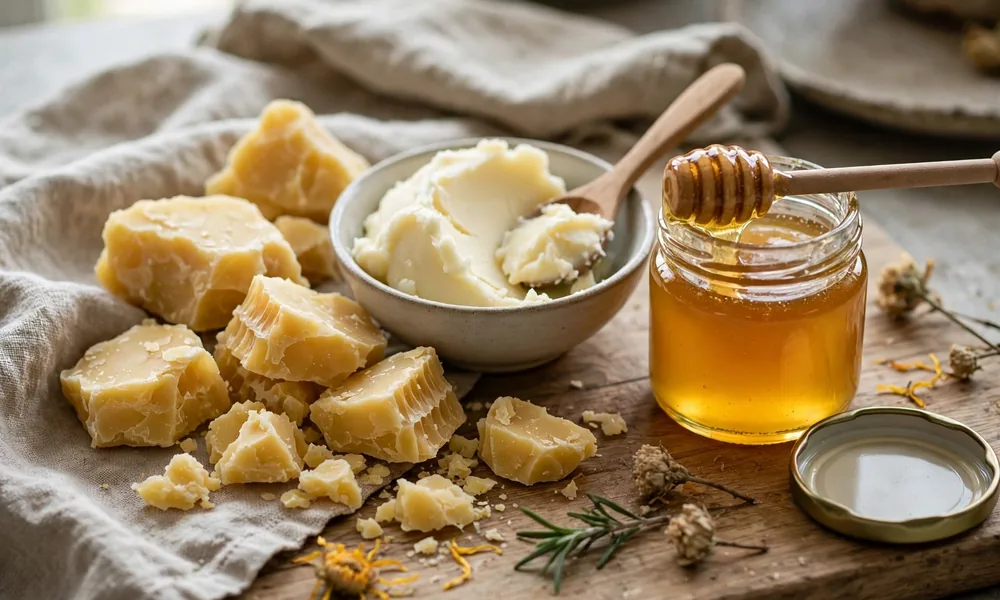
Reading the ingredient list is the fastest way to tell a healing balm from a decorative one. The first few ingredients matter most, because they make up most of the product. Look for beeswax, candelilla wax or carnauba wax near the top for the protective seal, shea butter, cocoa butter or lanolin for softening, and a plant oil such as jojoba, coconut or sweet almond oil to keep the texture smooth. Petroleum jelly is unfashionable but extremely effective: it is one of the best moisture seals available, and it rarely irritates anyone.
The table below compares the ingredients you will see most often, so you can judge any balm in the shop in a few seconds.
| Ingredient | What it does | Best for | Watch out for |
|---|---|---|---|
| Beeswax | Seals moisture in | Everyday protection | Not vegan |
| Shea butter | Softens and soothes | Cracked, rough lips | Can feel heavy |
| Petroleum jelly | Strongest moisture seal | Severely chapped lips | Feels greasy |
| Lanolin | Deep softening | Very dry lips | Some people are allergic |
| Hyaluronic acid | Draws moisture in | Plumping dry lips | Needs a seal over it |
| Menthol / camphor | Tingle, cooling feel | Nothing healing | Dries lips out |
How to Choose a Lip Balm That Heals
Match the balm to the problem
Mildly dry lips need a simple daily balm with beeswax and shea butter, applied morning and night. Cracked, bleeding lips need something heavier: a thick ointment-style balm or plain petroleum jelly, applied generously before bed so it has eight hours to work. Sun-exposed lips need SPF, because sunburn on the lips feels like chapping and heals slowly. Cold, windy weather calls for a waxy balm that stays put, while a lighter balm suits warm weather and wearing under lipstick.
Check the format
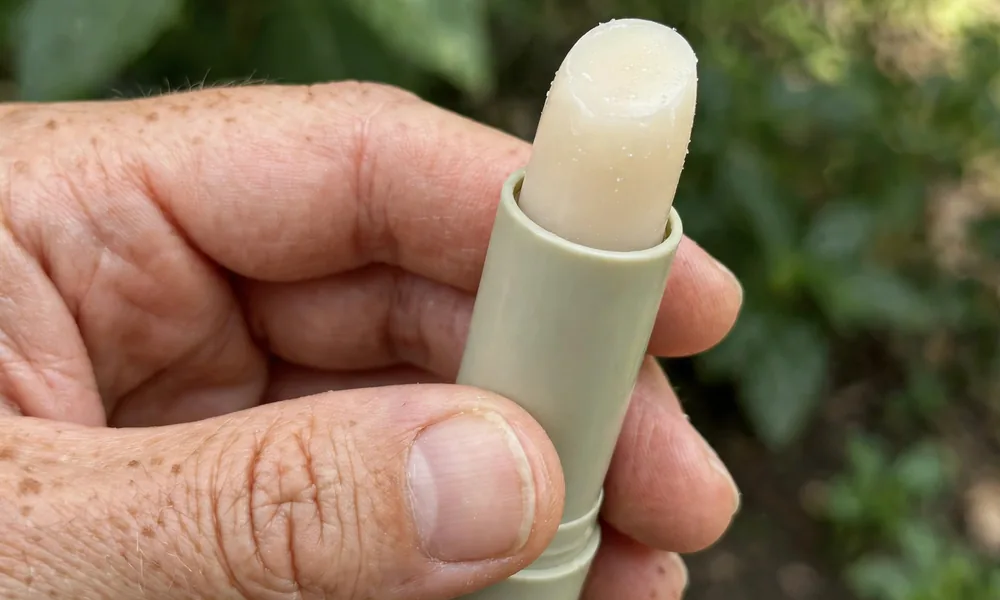
Sticks are convenient and hygienic, and they are the best choice for carrying in a pocket or bag. Tins and pots let you apply a thicker layer with a fingertip, which suits overnight treatment, but they are less hygienic and harder to use with gloves on. Squeeze tubes sit in the middle: easy to apply thickly, reasonably clean, and good for sharing less. The format does not change how well the balm heals, so choose whichever one you will actually use several times a day.
Think about SPF
Lips have very little melanin, the pigment that protects skin from the sun, so they burn faster than the rest of your face. A balm with SPF 15 or higher is worth using whenever you are outdoors for more than a few minutes, and SPF 30 is better for skiing, sailing or long summer days. Reapply after eating, drinking or wiping your mouth, just as you would with sunscreen on your face. The sun is a year-round problem for lips, not a summer one: winter sun reflected off snow is strong enough to burn them. Daily sun care for the whole face matters too, and the best sunscreens for everyday use protect the skin around your lips as well as the lips themselves.
How to Use Lip Balm So It Actually Works
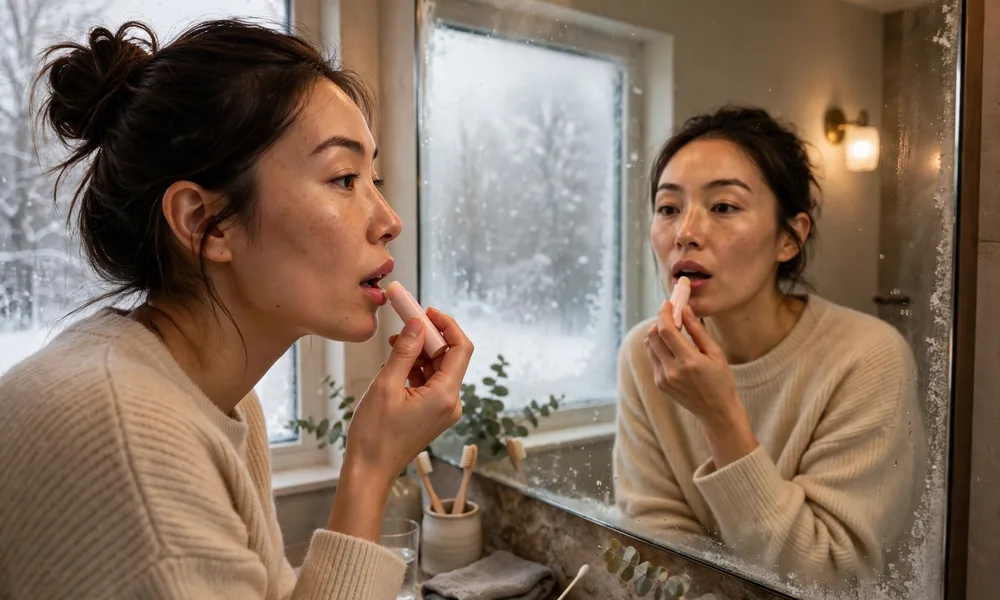
Timing matters more than quantity. The most important application of the day is before bed: a thick layer of balm on clean lips, left alone for eight hours, does more healing than ten thin applications during the day. The second most important is before you go outside, especially in cold or windy weather, because the balm protects your lips before the damage starts. Apply before lipstick as well, and give it a few minutes to sink in so the colour sits smoothly instead of catching on flakes.
Exfoliate gently, and only when your lips need it. If flakes are sitting on the surface, balm cannot reach the skin underneath, so a soft washcloth with warm water, or a gentle sugar scrub used once or twice a week, clears the way. Do not pick or peel flakes with your fingers, and do not scrub hard: both tear healthy skin and set healing back by days. After exfoliating, apply balm immediately to seal in the moisture while the skin is still slightly damp. Skin health starts from the inside too, and the best vitamin C for skin health supports the collagen that keeps lips smooth and resilient.
When Dry Lips Mean Something More
Most dry lips are simply dry, but a few signs deserve a closer look. Lips that stay cracked and bleeding for weeks despite regular balm, sores that do not heal, white patches, or swelling and itching after using a new product can all point to something beyond dryness: an allergy, a vitamin deficiency, a medication side effect, or an infection. Certain acne treatments and retinoids dry the lips severely, and some toothpastes irritate them too. If your lips do not improve after two or three weeks of proper care, or if you notice sores that will not heal, it is worth speaking to a pharmacist or a doctor rather than trying yet another balm.
Seasonal patterns are normal, though. Many people only struggle in winter, when cold air outside and heated air inside combine to strip moisture away. Others struggle in summer, when sun and salt water do the damage. Knowing your own pattern lets you prepare: switch to a heavier balm before winter arrives, and keep an SPF balm in your bag all summer. A small tube of balm also makes a thoughtful little present, and it turns up in many gift guides for good reason, including the best stocking stuffers under $50, where it is one of the few gifts almost everyone actually uses.
Your Lip Balm Checklist
- Choose a fragrance-free balm with beeswax or petroleum jelly, shea butter and a plant oil.
- Avoid menthol, camphor, eucalyptus and added fragrance, especially on cracked lips.
- Apply thickly before bed, before going outside and before lipstick.
- Use SPF 15 or higher during the day whenever you are outdoors.
- Exfoliate gently once or twice a week, never pick or peel flakes.
- Replace a balm that stings, and see a pharmacist if lips do not heal in two to three weeks.
Frequently Asked Questions
Why do my lips feel drier after using lip balm?
The balm probably contains menthol, camphor or fragrance, which irritate the lips and dry them out once the initial tingle fades. Switch to a plain, fragrance-free balm with beeswax and shea butter, and give it a week: the cycle usually breaks within a few days.
Can you become addicted to lip balm?
Not physically, but you can become dependent on a balm that dries your lips out, because you need to reapply it constantly to feel comfortable. A healing balm breaks the cycle, and most people find they need it less often after a week or two, not more.
Is petroleum jelly good for lips?
Yes, it is one of the most effective lip treatments available. It seals moisture in better than almost anything else, rarely causes irritation, and works especially well as an overnight treatment on badly chapped lips. It feels greasy, which is why many people prefer a wax-based balm during the day.
Should lip balm have SPF?
Yes for daytime use outdoors. Lips burn easily because they have very little protective pigment, and sun damage on the lips heals slowly. Choose SPF 15 or higher, and reapply after eating or drinking.
How often should I apply lip balm?
Three or four times a day is enough with a good balm: morning, before going outside, before bed, and after meals. If you need it every hour, the balm is probably not healing your lips, and it is time to check the ingredients.
What is the best overnight treatment for cracked lips?
A thick layer of petroleum jelly or a heavy ointment-style balm, applied to clean lips just before bed. Eight undisturbed hours is the longest healing window your lips get, and a thick occlusive layer makes the most of it. Exfoliate gently first if flakes are sitting on the surface.
The Bottom Line
The best lip balms that really heal dry lips in 2026 are plain, fragrance-free and built around beeswax, shea butter or petroleum jelly, with SPF for daytime use. Skip the balms that tingle, taste sweet or smell strongly, because they usually make dryness worse. Apply thickly before bed, exfoliate gently once or twice a week, and give a good balm a week to break the cycle. Your lips will tell you quickly whether you have found the right one: they will feel comfortable for hours, not minutes.