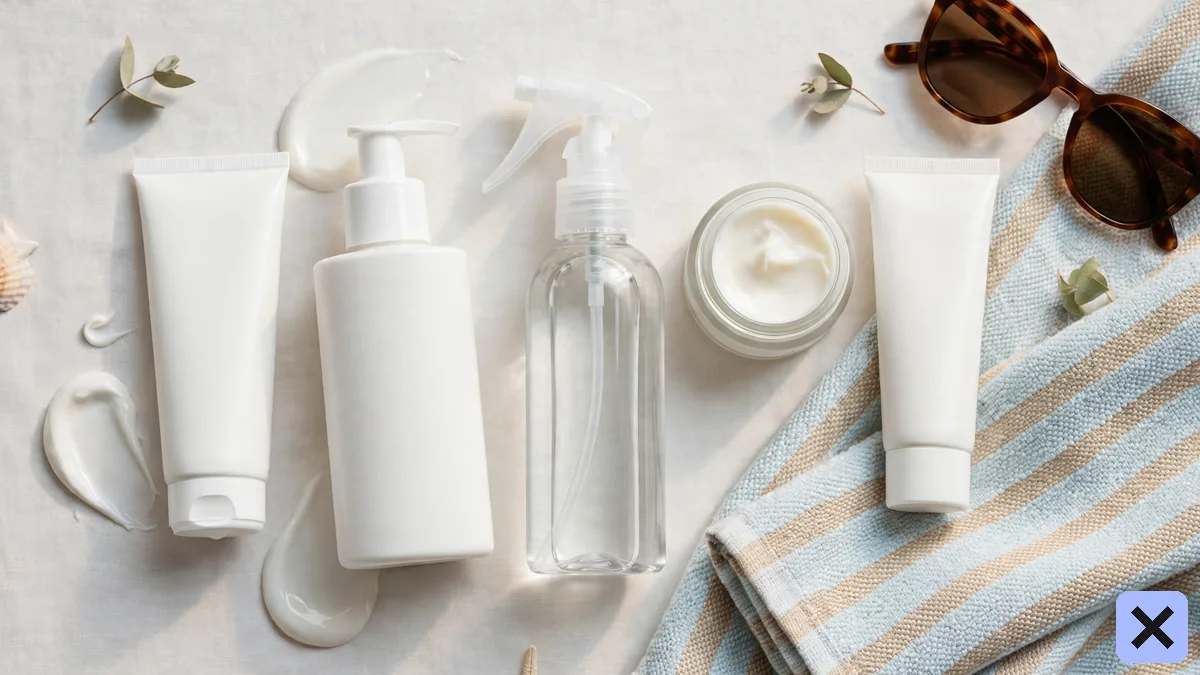
The best sunscreens in 2026 protect your skin without feeling heavy, greasy, or chalky. A good sunscreen is the one you actually wear every day, not the one with the biggest number on the bottle. It should sink in quickly, sit well under makeup, and keep working through sweat, swimming, and long hours outdoors.
The best sunscreens for 2026 share three qualities. First, they offer broad-spectrum protection against both UVA and UVB rays. Second, they use an SPF that matches your skin and your day, rather than the highest number on the shelf. Third, they suit your skin type: a light fluid for oily skin, a rich cream for dry skin, and a gentle mineral formula for sensitive skin and children.
This guide compares the strongest sunscreens of 2026 side by side, from lightweight daily face fluids to water-resistant beach lotions, with honest advice on SPF, ingredients, application, and value. We looked at protection, texture, white cast, water resistance, and price, so you can find a sunscreen you will happily use every single day.
Key Takeaways
- Choose broad-spectrum protection first; SPF alone only measures UVB protection.
- SPF 30 is enough for most days, SPF 50 suits long outdoor days and fair skin.
- Apply two finger-lengths for the face and neck, and a shot-glass amount for the body.
- Reapply every two hours outdoors, and after swimming, sweating, or towelling off.
- The best sunscreen is the one you will wear daily, so texture matters as much as SPF.
How to Choose the Best Sunscreen in 2026
Start with your skin and your day. If you work indoors, a light SPF 30 face fluid is enough. If you spend the day outside, you need SPF 50, water resistance, and a formula you can reapply easily. If your skin is sensitive, a mineral sunscreen with zinc oxide or titanium dioxide is usually the safest choice. If you wear makeup, look for a fluid that layers without pilling.
Work through protection, formula, and finish in that order. Protection decides how safe your skin is. Formula decides whether the sunscreen suits your skin type. Finish decides whether you will wear it every day. Get those three right and the brand becomes the least important detail.
SPF Explained: What the Number Really Means
SPF measures protection against UVB rays, the ones that cause sunburn. SPF 30 blocks about 97% of UVB rays, SPF 50 blocks about 98%, and SPF 100 blocks about 99%. The difference between 30 and 50 is small, but it matters if you apply too little, which most people do. A higher SPF gives you a margin for imperfect application.
SPF says nothing about UVA rays, which cause ageing and deeper skin damage without burning. That is why broad-spectrum protection matters: look for the words broad spectrum on the label, or the UVA circle logo. In 2026, every sunscreen worth buying is broad spectrum, and any product that is not should be left on the shelf.
Mineral vs Chemical Sunscreens
Mineral sunscreens use zinc oxide and titanium dioxide to sit on the skin and reflect UV rays. They work immediately, suit sensitive skin, and are the best choice for children and anyone prone to irritation. The trade-off is texture: older mineral formulas left a white cast, though the best 2026 versions use finer particles and tinted finishes that blend far better.
Texture, Finish, and White Cast
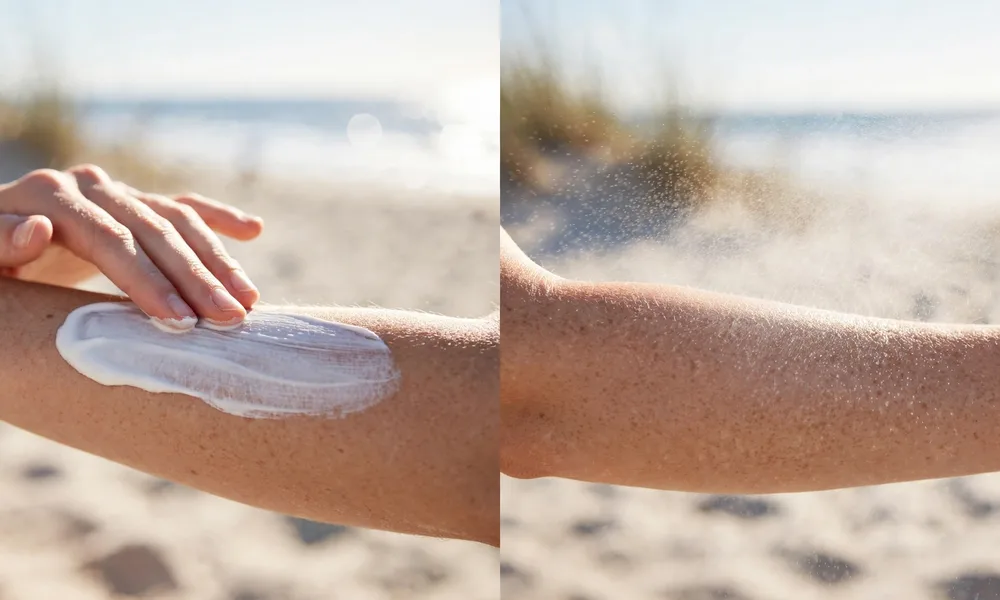
Texture is what decides whether a sunscreen becomes a habit. Light fluids and gels suit oily and combination skin, creams suit dry skin, and sticks suit targeted areas such as the nose, ears, and around the eyes. Sprays are convenient for reapplying on the body, but they are easy to under-apply, so rub them in after spraying.
White cast is still the biggest complaint about mineral sunscreens, especially on deeper skin tones. Tinted formulas, which use iron oxides to match skin tone, solve most of the problem and add extra protection against visible light. Try a formula on your jawline in daylight before buying a full bottle, and check the finish after twenty minutes, once it has fully settled.
The Best Sunscreens by Type in 2026
No single sunscreen suits every face, every skin type, and every day. The best approach is to keep two: a light daily face sunscreen and a tougher water-resistant body sunscreen for outdoor days. That way you never have to choose between a formula that feels good and one that protects well.
Best Daily Face Sunscreens
A daily face sunscreen needs to be light, non-greasy, and invisible under makeup. The best 2026 face fluids feel like a light moisturiser, sink in within a minute, and leave no shine. Look for SPF 30 or 50, broad-spectrum protection, and added skincare benefits such as niacinamide or hyaluronic acid, which help the product earn its place in a morning routine.
Apply it as the last step of morning skincare, before makeup, and give it a few minutes to settle. Keep a small tube in your bag for reapplication, or use a sunscreen stick over makeup.
Best Body Sunscreens for the Beach
Beach sunscreens need to handle water, sand, sweat, and hours of strong sun. Look for SPF 50, broad-spectrum protection, and a water-resistance rating of at least 40 minutes, ideally 80. Lotions give the most reliable coverage, because you can see where you have applied them, while sprays are best reserved for topping up hard-to-reach areas.
Apply before you leave the house, not when you arrive at the beach, and reapply after every swim, even if the bottle says water resistant. No sunscreen is waterproof, and towelling off removes far more product than most people realise. A beach bag with a spare bottle, a hat, and sunglasses covers you far better than a single application ever will. Pair it with the right eyewear from our guide to the best sunglasses of 2026 for full sun protection.
Best Sunscreens for Sensitive Skin and Children
Sensitive skin and children’s skin need the gentlest formulas, and mineral sunscreens are usually the best choice. Look for fragrance-free products with zinc oxide, a short ingredient list, and a paediatric or sensitive-skin label. Avoid sprays on young children, because they can inhale the mist, and use a lotion or stick instead.
Children need sunscreen applied generously and often. A water-resistant SPF 50 lotion, a hat, and a rash guard together protect far better than sunscreen alone. For babies under six months, shade and clothing are the main protection.
Best Sunscreens for Oily and Acne-Prone Skin
Oily and acne-prone skin needs a sunscreen that will not clog pores or add shine. Look for oil-free, non-comedogenic fluids and gels, ideally with a mattifying finish. Gel formulas are the lightest of all and suit very oily skin, while fluid formulas with silica or niacinamide help control shine through the day.
Avoid heavy creams and sunscreens with added oils, and skip products that feel rich on the back of your hand, because they will feel heavier on your face. The best test is a full day of wear: if your skin feels comfortable and looks balanced by the afternoon, the formula is right.
How Much Sunscreen to Apply — and How Often
Most people apply far too little sunscreen, which is why even a good product can underperform. For the face and neck, use two finger-lengths of product, squeezed along the index and middle fingers. For the body, use about a shot glass full, roughly 30 millilitres. That sounds like a lot, and it is, but it is the amount the SPF rating was tested with.
Apply sunscreen twenty minutes before going outside, so chemical filters have time to activate, and reapply every two hours when outdoors. For long outdoor days, our roundup of the best camping essentials for 2026 lists the sun protection kit worth packing. Reapply sooner after swimming, heavy sweating, or towelling off, and do not forget the ears, the back of the neck, the tops of the feet, and the parting of your hair. These are the areas that burn most often, precisely because they are the easiest to miss.

Sunscreen for Travel and Outdoor Days
Travel and outdoor days are when sunscreen matters most, and when it is easiest to forget. Pack a full-size body sunscreen and a small face sunscreen in your hand luggage, and keep a stick in a pocket for quick reapplication. A spray is useful for topping up on the move, but always rub it in, and never rely on a spray alone for your first application of the day.
Heat and sun can degrade sunscreen, so keep bottles out of direct sunlight and do not leave them in a hot car. Check the expiry date before a trip, because expired sunscreen loses effectiveness, and replace any bottle that has been open for more than a year. Our guide to the best travel essentials for 2026 covers the packing kit that keeps sunscreen, sunglasses, and skin care safe on the road.

Best Sunscreens 2026 Compared
| Type | Best For | Typical Price | Key Strength |
|---|---|---|---|
| Daily face fluid | Everyday wear, under makeup | £12–£30 | Light, invisible, fast absorbing |
| Beach body lotion | Swimming, long outdoor days | £10–£25 | Water resistant, reliable coverage |
| Mineral sunscreen | Sensitive skin, children | £14–£32 | Gentle, works immediately |
| Gel sunscreen | Oily, acne-prone skin | £12–£28 | Mattifying, non-greasy |
| Sunscreen stick | Face touch-ups, around eyes | £8–£20 | Precise, portable, no mess |
| Spray sunscreen | Reapplying on the body | £10–£24 | Fast, convenient, easy top-ups |
Sunscreen Buying Checklist
- Confirm broad-spectrum protection and an SPF of at least 30 for daily use.
- Match the formula to your skin: fluid for oily skin, cream for dry skin, mineral for sensitive skin.
- Choose SPF 50 and water resistance for beach days, swimming, and long outdoor time.
- Check the finish on your skin in daylight, especially for white cast on deeper tones.
- Buy a face sunscreen and a body sunscreen, rather than one product for everything.
- Check the expiry date and replace any bottle open for more than a year.
Frequently Asked Questions
What SPF should I use every day?
SPF 30 is enough for most everyday use, as long as you apply enough and reapply when outdoors. SPF 50 is a better choice for fair skin, long outdoor days, and anyone who tends to apply too little, because it gives a margin for imperfect application.
Is mineral or chemical sunscreen better?
Neither is better for everyone. Mineral sunscreens suit sensitive skin and children and work immediately, while chemical sunscreens are lighter and easier under makeup. The best sunscreen is the one your skin tolerates and you will wear every day.
How often should I reapply sunscreen?
Reapply every two hours when outdoors, and sooner after swimming, sweating, or towelling off. No sunscreen lasts all day, whatever the SPF, and reapplication matters more than the number on the bottle.
Do I need sunscreen on cloudy days?
Yes. Up to 80% of UV rays pass through cloud, and UVA rays, which cause ageing, are present all year round. Wear sunscreen every day, even when the sun is not shining, and especially on snow or near water, which reflect UV rays.
Can I use last year’s sunscreen?
Only if it is unopened and in date. Once opened, sunscreen should be used within a year, and expired sunscreen loses effectiveness. If the texture, colour, or smell has changed, or the bottle has been stored in heat, replace it.
Does makeup with SPF replace sunscreen?
No. Makeup with SPF is a useful extra layer, but it is never applied thickly enough to reach its rated protection. Always apply a dedicated sunscreen underneath makeup, and treat the SPF in makeup as a bonus, not a substitute.
The Bottom Line
The best sunscreens in 2026 protect your skin properly and feel good enough to wear every day. Start with broad-spectrum protection, match the formula to your skin type, and apply enough of it, often enough. Keep a light face fluid for daily wear and a water-resistant lotion for outdoor days, and reapply every two hours.


