
Chai Worth Sipping: The Best Blends of 2026
The best chai in 2026 is the cup that stops you mid-sip: warm milk, dark tea, and spices that arrive one after another instead of all at once. Most of us drink a pale imitation — a tea bag dunked in hot water with a splash of milk, or a syrupy cafe cup that tastes more like sugar than spice. The difference is knowing which spices matter, how the tea is brewed, and how much milk and sweetness the cup needs. This guide compares the best chai blends of 2026 and shows how to choose between loose leaf and tea bags and brew each one properly.
Key takeaways
- Real chai is black tea brewed with milk and spices, not a flavoured tea bag: the spices should be visible, smellable, and tasted in layers.
- Cardamom, cinnamon, ginger, cloves, and black pepper are the classic masala core; anything else is a variation, not a requirement.
- Loose-leaf chai usually tastes fresher and stronger than the same blend in a bag, and it often works out cheaper per cup.
- Whole milk gives the richest cup, but oat milk is the best dairy-free choice because it froths well and never splits in hot tea.
- Simmer the tea and spices in milk and water together: steeping a bag in plain water and adding cold milk afterwards is the fastest way to a weak cup.
What chai actually is
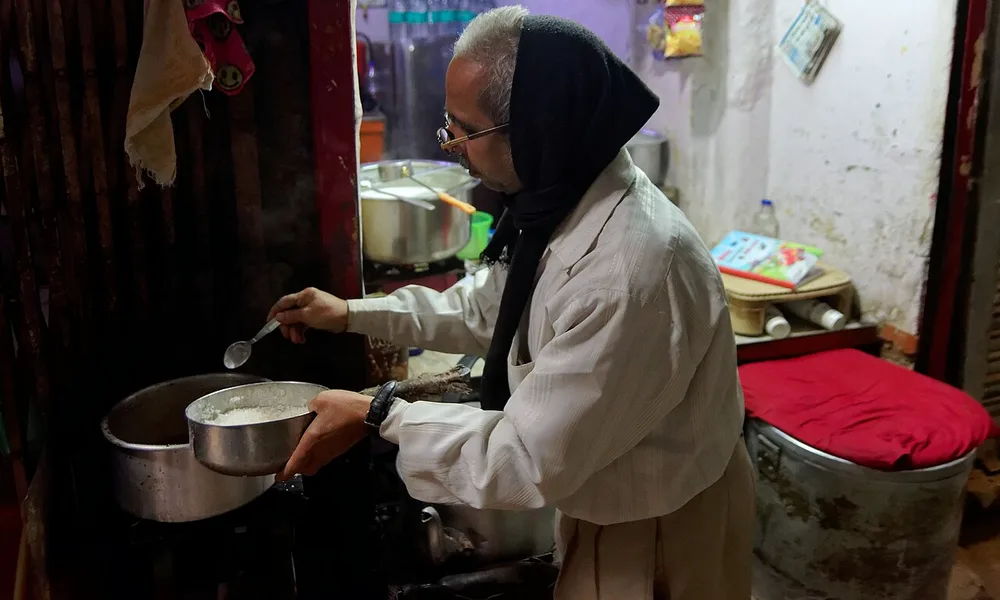
Chai is the Hindi word for tea, but outside India it means one specific drink: black tea simmered with milk, sugar, and a blend of warming spices known as masala. The base is always true tea — usually a strong Assam — and the spices are what turn it from an everyday cup into chai. A proper cup is amber-brown, fragrant, and sweet enough to round off the spice without hiding it. The drink travelled from Indian street stalls, where vendors known as chaiwallahs brew it in huge pots and pour it from a height to cool and froth it, to cafes worldwide, where it became the chai latte. A street chai is strong, sweet, and milky; a cafe chai latte is milder, foamier, and usually made from a concentrate. If you want to understand the base first, our guide to the best black tea explains the varieties that hold up best under milk and spice.
The masala: the spices that make chai
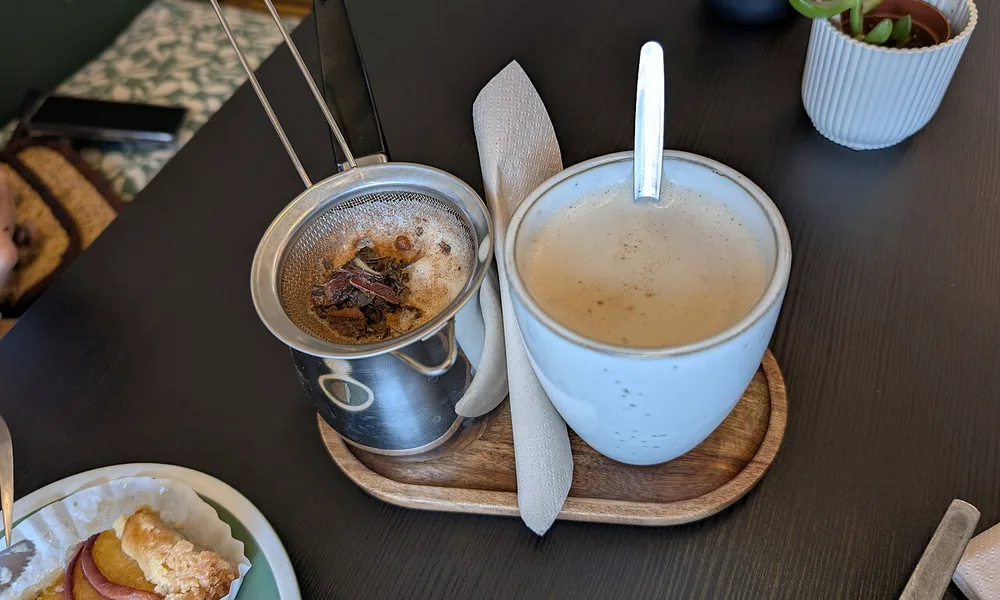
Masala means a blend of spices, and the classic chai masala has five members. Green cardamom is the star: floral, sweet, and unmistakable, it is the flavour most people mean when they say a chai “tastes like chai.” Cinnamon adds warmth and sweetness, fresh ginger adds heat and a bright bite, cloves add depth, and black pepper adds a slow finish that makes the cup feel warming rather than merely sweet. Good blends use whole or coarsely crushed spices, not fine dust: whole spices release their flavour slowly into simmering milk, while powders dissolve instantly, fade fast, and leave grit at the bottom of the cup. When you open a good blend, you should see the cardamom pods and cinnamon pieces. If everything inside is uniform brown powder, the blend was made for speed, not flavour.

Masala blends vs ready-made spiced blends
There are two ways to buy chai in 2026: a masala blend, which is tea plus spices that you brew yourself, and a ready-made spiced blend — a concentrate, powder, or syrup that you mix with hot milk or water. A masala blend is the real thing: simmer the tea and spices in milk and water, strain, sweeten, and drink. It takes about ten minutes, and the result tastes like chai because it is chai. Loose masala blends are the best of this kind: you can see the spices, adjust the strength, and the cost per cup is low. Ready-made blends trade flavour for speed. Concentrates are brewed tea and spice reduced to a syrup; powders are instant. Both are consistent and fast, and both are noticeably sweeter and flatter than a pot-brewed chai. They suit a rushed morning — but for daily drinking, a masala blend’s ten minutes pays back in flavour.
Loose leaf vs tea bags
The loose-versus-bag question matters more for chai than for most teas, because chai is simmered rather than steeped. Loose leaf gives the spices room to move: cardamom pods open, cinnamon pieces unfurl, and the tea leaves expand in the simmering milk. The result is a fuller, rounder cup, and you can use exactly as much blend as you like — a heaped spoon for a strong cup, a level one for a gentle one. Tea bags are neater and faster, and the best chai bags are genuinely good: look for bags filled with real crushed spice rather than “natural flavouring,” and for roomy pyramid bags that let the contents move. Flat, papery bags packed with dust give a thin, one-note cup no matter how long you leave them in. Cost is the quiet argument for loose leaf: a good loose blend often costs less per cup than premium bags, because you are not paying for the bagging.
Milk: the quiet half of the cup
Milk is half the cup in a proper chai, so it deserves as much attention as the tea. Whole milk is the classic choice and still the best: its fat carries the spice flavours, it froths into a soft foam, and it gives the cup its silky body. Oat milk is the best dairy-free choice: naturally sweet, it froths well and almost never splits in hot, spiced tea. Whatever milk you use, warm it with the tea rather than adding it cold at the end: cold milk drops the temperature and dulls the spice. If you froth your milk at home, our guide to the best milk frothers explains which ones give a smooth microfoam rather than stiff bubbles.
Sweetness: how much, and what kind
Chai is traditionally sweet, and the sweetness is part of the balance, not a flaw: sugar rounds off the tannin of the black tea and lifts the spice, especially cardamom and cinnamon. A chai with no sweetness can taste harsh, because the spices have nothing to lean against — but there is a wide gap between “sweetened” and “sugary,” and most cafe chai falls on the wrong side of it. White sugar is the classic sweetener and the most neutral. The worst choice is a flavoured syrup: it piles sweetness on sweetness and buries the spice you paid for. Start with one teaspoon per cup and taste before adding more — a good chai needs less sugar than you think, because the milk and the spices are already doing half the work.
How to brew chai properly
The stovetop method makes the best cup, and it takes about ten minutes. It works for any loose masala blend and for any bagged blend with real spice in it. The key is the simmer: chai is cooked, not steeped. Start with equal parts water and milk in a small saucepan — about half a cup of each per serving — and add a heaped teaspoon of loose blend per cup, or one bag. Bring it gently to a simmer, then turn the heat down and let it bubble softly for three to five minutes. The colour will deepen to a rich amber, and the kitchen will smell of cardamom. Do not let it boil hard, or the milk will catch and the tea will turn bitter. Strain into a warmed mug through a fine sieve, pressing the leaves gently to get the last flavour out. Sweeten to taste, stir, and drink it hot.
Comparing the best chai blends of 2026
| Blend type | Best for | Effort | Flavour | Cost per cup |
|---|---|---|---|---|
| Loose masala blend | Daily drinkers who want the real thing | 10 minutes, stovetop | Full, layered, adjustable | Low |
| Bagged masala blend | Convenience without giving up real spice | 5 minutes, mug or pot | Good, slightly thinner | Medium |
| Chai concentrate | Fast cafe-style lattes at home | 2 minutes, mix with milk | Sweet, consistent, flatter | Medium-high |
| Instant chai powder | Office kitchens and travel | 1 minute, hot milk | Sweet, one-note | Medium |
| Cafe chai latte | Occasional treat, no effort | None | Varies widely, often very sweet | High |
What to avoid
The worst chai is a good idea executed lazily. A tea bag steeped in plain water with cold milk poured on top is not chai; it is weak tea with milk, and the spice never had a chance. A powder made mostly of sugar and “spice flavouring” is not chai either; it is a sweet drink wearing chai’s name. And a cafe cup that is mostly foam and syrup, where you cannot taste the tea at all, has lost the drink entirely. Watch for blends that list “natural flavours” before any real spice, and for concentrates where sugar is the first ingredient. If you want something sweeter and simpler without the spice, our guide to the best hot chocolate covers the cups that are genuinely rich rather than merely sweet.
Chai checklist: before you buy
- Check the ingredients: real cardamom, cinnamon, ginger, cloves, and pepper should be listed, not just “natural flavours.”
- Look inside the blend: you should be able to see whole or crushed spices, not uniform brown powder.
- Choose loose leaf for the fullest cup, or a roomy bag with real spice if you want convenience.
- Match the milk to the tea: whole milk for richness, oat milk for the best dairy-free cup.
- Buy small and fresh: spices fade within months, so a small tin used quickly beats a large tin kept for a year.
- Plan to simmer, not steep: if you will not use a saucepan, buy a concentrate instead of a masala blend.
Frequently asked questions
Is chai the same as masala chai?
Yes, in practice. Chai means tea, and masala chai means spiced tea — the drink most people outside India mean when they say chai. A cafe “chai latte” is a milky, foamy version of the same drink, usually made from a concentrate.
Does chai contain caffeine?
Yes, because it is made with black tea. A cup of chai has roughly half the caffeine of a cup of coffee, and less than a straight cup of black tea because half the cup is milk.
Can I make chai with a tea bag?
Yes, if the bag contains real crushed spice. Simmer the bag in milk and water together on the stove rather than steeping it in a mug — the simmer is what extracts the spice.
What is the best milk for chai?
Whole dairy milk gives the richest cup. Oat milk is the best dairy-free option because it froths well and does not split in hot tea. Avoid ordinary almond milk, which is thin and can curdle.
How long does a chai blend keep?
About three to six months once opened, in an airtight tin away from light and heat. Whole spices last longer than ground ones.
Is chai healthy?
Chai made from real tea, spices, and milk is a reasonable daily drink, especially with modest sugar. The health question is really the sugar question: a homemade cup with a teaspoon of sugar is a different drink from a cafe cup with four.
The bottom line
The best chai of 2026 is not the most expensive blend or the prettiest cafe cup. It is a masala blend with real, visible spices, simmered in milk and water on the stove, sweetened lightly, and drunk hot. Buy loose leaf if you will use a saucepan, buy a good bagged blend if you want convenience, and save the concentrates and powders for the days when speed matters more than flavour. Get the simmer right, and every cup after that is just practice.


