
Grain by Grain, Gone Wrong: The Worst Sand Artists of 2026
The worst sand artists of 2026 fail in a way no other stage act can, because a sand artist has only one material: fine sand, a light table and a few minutes of a darkened room’s attention. There is no curtain to hide behind, no music to carry the act and no second chance once a picture is wiped away. A sand artist is one person, two hands and a glowing table, drawing a whole story out of nothing but grains and light. When it works, a face appears from the sand, changes into a bird, changes into a city, and the audience holds its breath because everyone can see the story happening.
This guide is about sand artists as a single craft: the sand animation types an artist performs, judged on whether the picture reads, whether the story resolves and whether the audience can follow it from scene to scene. That makes it different from a variety show, covered in our guide to the worst variety shows of 2026, where a sand act is one item on a mixed bill and the failure is the running order. It is also different from a street performance in general, covered in our guide to the worst street performers of 2026: a busker plays to passers-by who can walk away, while a sand artist plays to a seated room in the dark, and if the picture smears the audience has nowhere else to look. No real performer is named as the worst here; the same faults appear on stages in every town.
Key takeaways
- A sand picture lives or dies on readability: if the audience cannot say what it is in five seconds, the drawing has failed.
- The story is the act: a sand artist whose scenes never resolve is just moving sand around on a lit table.
- Transitions are the craft: a picture that smears into the next one before it reads has been erased, not performed.
- Light is everything: a table too dim, or a screen too small, leaves the audience staring at a grey smudge.
- Give a sand artist one scene: if the first picture does not read, the rest of the story will not save the evening.
How the worst sand artists of 2026 were ranked
Every type below was scored on five measures. Readability comes first: does the picture look like what it is meant to be, or could it be anything? Story arc is second, judged on whether the scenes build into something that ends, or simply follow each other until the time runs out. Transitions are third, because a good sand artist changes scenes the way a good storyteller turns a page, while the worst wipe the picture away mid-thought. Light and craft is fourth: the table must be bright, the screen large, and the hands steady enough that the audience sees a drawing and not a blur. Pacing is fifth, because an artist who rushes every scene has stopped telling a story and started demonstrating sand.
Comparison table: the worst sand artists of 2026
| Rank | Type | Main flaw | Warning sign | Worst score |
|---|---|---|---|---|
| 1 | The Story That Never Resolves | Scenes with no ending | The audience stops following | 10/10 |
| 2 | The Picture That Smears Mid-Scene | Erased before it reads | A blur where a face should be | 10/10 |
| 3 | The Face Nobody Recognises | Portraits that look like no one | The crowd squints, not gasps | 9/10 |
| 4 | The Show in the Dark | Table too dim to see | A grey smudge on the screen | 9/10 |
| 5 | The Artist With One Picture | Same castle every show | Every scene looks familiar | 9/10 |
| 6 | The Music That Drowns the Story | Soundtrack swamps the art | You hear the song, not the story | 8/10 |
| 7 | The Finale That Wipes Itself Away | Best image erased, no payoff | The lights come up on nothing | 8/10 |
The worst sand artists of 2026
1. The Story That Never Resolves: scenes that go nowhere
The Story That Never Resolves is the worst type of sand artist in 2026 because a story is the whole craft, and this one cannot deliver it. The artist draws a house, then a tree, then a bird, then a boat, and each picture is pleasant enough on its own. But nothing connects them, nothing builds, and nothing ends.
A good sand story moves: a face becomes a bird, the bird becomes a city, and the last picture answers the first. The worst artists treat the table like a sketchbook, turning pages that belong to different books, and blame the audience for not following a story that was never told.
2. The Picture That Smears Mid-Scene: erased before it reads
The Picture That Smears Mid-Scene is the sand artist whose hands move faster than the audience’s eyes. The picture is forming, the face is almost there, the crowd is leaning forward to see it, and then the artist’s hand sweeps across the table and wipes it into the next scene.
Timing is the quiet part of the craft, and the worst artists ignore it. They rush every transition, as though the sand were running out, and treat each picture as a stepping stone rather than a moment worth holding. A picture that lives for three seconds has not been performed; it has been flashed.
3. The Face Nobody Recognises: portraits that look like no one
The Face Nobody Recognises is the sand artist who attempts a portrait and delivers a smudge. The eyes are in the wrong place, the mouth is a streak, and the whole face looks like a stranger.
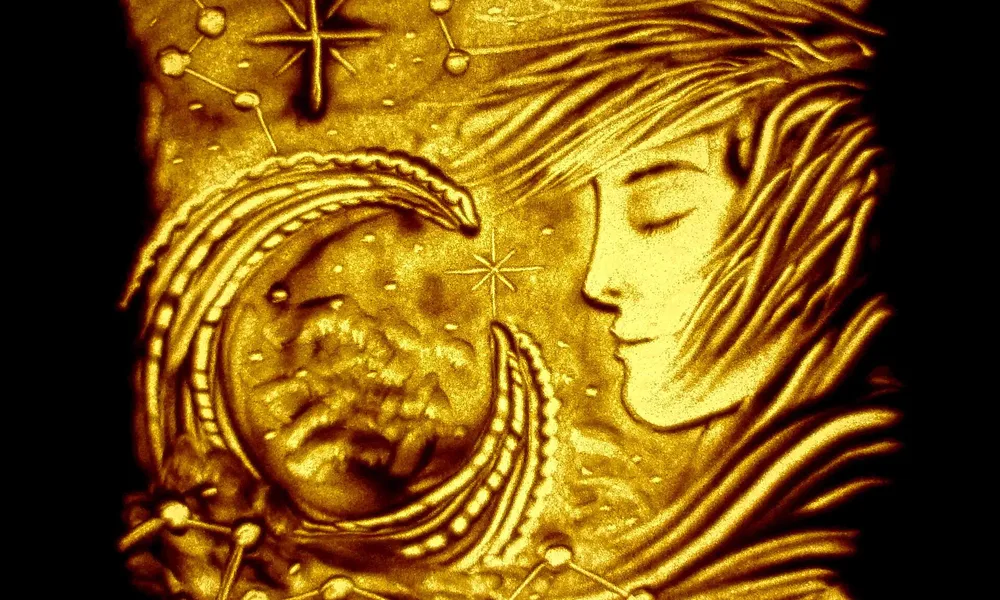
Portraiture is the hardest part of the craft, and the worst artists attempt it first. A good sand portrait reads in five seconds: the shape of the face, the line of the hair, one feature that makes the person unmistakable. The worst portraits need a caption, and a portrait that needs a caption is not a portrait.
4. The Show in the Dark: a table too dim to see
The Show in the Dark is the sand artist whose light fails the room. The table glows faintly, the screen shows a grey smudge, and the audience in the back rows sees nothing at all.
Light is the medium, and the worst artists treat it as an afterthought. They bring a table too small for the room, a projector too weak for the screen, or house lights that wash the picture out. The best artists check the back row before the show starts, because a picture nobody can see is not a picture.
5. The Artist With One Picture: the same castle, every show
The Artist With One Picture is the sand artist who stopped learning years ago and now runs on memory. Every show opens with the same castle, moves to the same sunset, and ends with the same bird flying over the same sea. The first audience is delighted.
Repertoire is what separates an artist from a recording, and the worst artists have none of it. A good sand artist has a dozen stories, a few portraits, and the sense to build a new scene for a new occasion instead of pouring the same sand into the same shapes.
6. The Music That Drowns the Story: a soundtrack that swamps the art
The Music That Drowns the Story is the sand artist who hides weak drawing behind loud music. The soundtrack swells, the drums pound, and the audience’s attention is pulled to the speakers while the hands on the table do less and less. The music is doing the emotional work that the pictures should be doing.
Music can lift a sand story, but only when the pictures lead and the music follows. The worst artists reverse the order: the song tells the audience what to feel, and the sand merely illustrates the lyrics. When the music stops, nothing is left on the table worth looking at.
7. The Finale That Wipes Itself Away: the best image, erased, with no payoff
The Finale That Wipes Itself Away is the sand artist who ends the show by destroying the best picture. The final image arrives, the audience gasps, and then the artist sweeps the table clean, the screen goes blank, and the lights come up on an empty stage. There is no bow, no last image held for applause, nothing to remember.
Warning signs: spot a bad act in two minutes
Watch the first scene before you settle into your seat. If the first picture does not read, or the artist wipes it away before you have seen it, the evening will not improve. If the screen is a grey smudge from the back row, or the music is louder than the story, step out at the interval: the sand will not get clearer.
How to pick a better act instead
Pick an artist whose first picture reads in five seconds, whose scenes build into a story that ends, and whose table is bright enough to see from the back row. Look for transitions that turn the page rather than wipe it, and a finale that is held for applause instead of erased. The same care applies to the caricature artists who often share the bill, covered in our guide to the worst caricature artists of 2026, where the best acts earn the likeness instead of demanding it.
Checklist: choosing an act in 2026
- Watch the first scene: if you cannot name the picture in five seconds, the drawing has already failed.
- Follow the story: scenes that never connect or resolve are a sketchbook, not a performance.
- Time the transitions: a picture wiped away before it reads has been erased, not performed.
- Check the back row: if the screen is a grey smudge from where you sit, the light has failed the room.
- Ask for more than one picture: the same castle, sunset and bird will not carry a second booking.
- Leave at the interval if the music is doing the work and the sand is doing the illustrating; no soundtrack is worth a story that never arrives.
Frequently asked questions
What is the worst sand artist type of 2026?
The Story That Never Resolves, where the scenes never connect, nothing builds and nothing ends, because a story is the only job the craft has.
Are sand artists the same as street performers?
No. A street performer plays to passers-by who can walk away, while a sand artist plays to a seated room in the dark, and if the picture smears the audience has nowhere else to look.
How are sand artists different from variety shows?
A sand artist is a single craft judged on readability, story and transitions, while a variety show is a mixed bill judged on its running order and finale.
How long should I give a new sand artist?
One scene.
What should I watch instead of a bad sand artist?
Look for an artist whose pictures read at a glance, whose scenes build into a story that ends, and whose table is bright enough to see from the back row.
How many stories should a good sand artist know?
At least a dozen, plus a few portraits, with the sense to build a new scene for a new occasion instead of pouring the same sand into the same shapes.
Bottom line
The worst sand artists of 2026 are not the ones with the least talented hands. Spot the warning signs in the first scene and walk out at the interval, and save your evening for an artist whose pictures read, whose stories resolve, and whose final image is held long enough to remember.


