Drawn Out and Done Wrong: The Worst Caricature Artists of 2026
The worst caricature artists of 2026 do not fail because caricature is hard. They fail because the drawing has no likeness, the joke is cruel instead of kind, the sketch is rushed to a scribble, or the sitter waits so long that the fun has gone before the pencil starts. A good caricature artist finds the one feature that makes a face yours, stretches it just enough to make you laugh, and hands you a drawing you actually want to keep. The worst caricature artists of 2026 do the opposite, and the evidence is right there on the paper, framed and paid for, hanging in a hallway you cannot unsee.
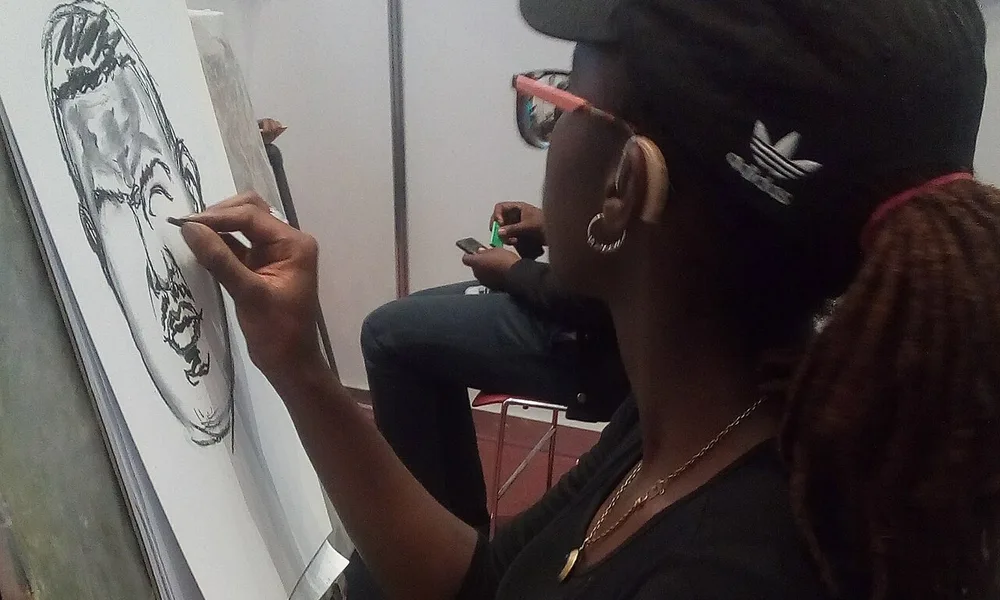
This guide is about caricature artists only: the artists who draw quick exaggerated portraits of sitters at fairs, festivals, markets, theme parks and street pitches, working from a chair, an easel and a small set of pencils and paints. That makes them different from street performers, covered in our guide to the worst street performers of 2026, who perform for passing crowds with music, tricks or noise. A caricature artist works one sitter at a time, quietly, with a pencil on paper. It is also different from the variety acts in our guide to the worst variety shows of 2026, where the failure is the running order of a whole bill. A caricature fails one drawing at a time, one sitter at a time. No real artist is named as the worst here; the same faults appear at pitches and fairs in every city.
Key takeaways
- A caricature must still look like you: if the drawing could be anyone, the artist has drawn a template, not a portrait.
- Exaggeration should be kind: a joke that makes the sitter wince is a failure, not a punchline.
- Five minutes is a rush, not a skill: a sketch that looks unfinished usually is unfinished.
- Watch the queue before you sit: a pitch that takes twenty minutes per drawing will eat your afternoon.
- Agree the price and the extras before the pencil starts, or the frame will cost more than the drawing.
How the worst caricature artists of 2026 were ranked
Every type below was scored on five measures. Likeness comes first: does the drawing look like the sitter, or could it be anyone in the queue? Exaggeration balance is second, judged on whether the stretched feature is funny or simply cruel. Speed and queue sense is third, because a good artist keeps the line moving without turning the drawing into a scribble. Warmth is fourth: a caricature should make the sitter laugh with the artist, not feel laughed at. Value is fifth, because a drawing that costs a fortune and ends up in a drawer is the worst deal of all. The scores below are worst scores out of ten, with ten meaning the most punishing sitting of the year.
Comparison table: the worst caricature artists of 2026
| Rank | Caricature artist type | Main flaw | Warning sign | Worst score |
|---|---|---|---|---|
| 1 | The One-Feature Face | One feature stretched, the rest blank | Every drawing is a big nose on a blank face | 10/10 |
| 2 | The Five-Minute Rush | Scribbled, unfinished sketch | The artist never looks up from the paper | 10/10 |
| 3 | The Cruel Likeness | Mean-spirited exaggeration | The sitter stops smiling halfway through | 9/10 |
| 4 | The Photo Tracer | Copies a photo, no caricature at all | The drawing is a flat copy of your phone photo | 9/10 |
| 5 | The Queue That Never Moves | So slow the afternoon is gone | Three sitters in and the fair is closing | 9/10 |
| 6 | The Same Face for Everyone | Template face, no likeness | Your drawing looks like the one before it | 8/10 |
| 7 | The Upsell Framer | Frames and prints pushed at every step | The frame costs more than the drawing | 8/10 |
The worst caricature artists of 2026
1. The One-Feature Face: one feature stretched, the rest blank
The One-Feature Face is the most common bad caricature artist in 2026, and the easiest to spot on the display board. The eyes are two dots, the hair is a scribble, and the mouth is a single line, but the nose takes up half the page. The worst version finds one feature and stops thinking, so the drawing is a joke with one punchline and nothing else. Look at the display board before you sit down; if every sample has the same giant feature and the same empty face, you already know what your drawing will look like.
2. The Five-Minute Rush: a scribbled, unfinished sketch
The Five-Minute Rush treats speed as the whole skill. The lines are unfinished, the shading is a smudge, and the face looks like a first draft that was never meant to be shown. The worst version skips the likeness entirely and hopes the sitter will be too polite to complain. A drawing that takes five minutes can still be good, but only when the artist has done it ten thousand times before. If the samples on the board look rushed and unfinished, the five-minute promise is a warning, not a selling point.
3. The Cruel Likeness: mean-spirited exaggeration
The Cruel Likeness is the caricature artist who confuses funny with cruel. The sitter’s smile fades halfway through the sitting, the friends go quiet, and the drawing is handed over to a silence that nobody knows how to fill. The worst version reads the sitter too, but picks the sore spot on purpose, because a cruel drawing gets a reaction and a reaction feels like a success. If the samples on the board all seem to mock their subjects, do not sit in that chair.

4. The Photo Tracer: a copy of a photo, no caricature at all
The Photo Tracer asks for your phone, props it up beside the easel, and draws what is on the screen. The worst version hides behind the photo because they cannot draw from life, and the phone becomes a crutch that turns every sitting into the same flat exercise. It is also a tell: an artist who needs your phone to draw you does not trust their own eye, and the drawing will show it. If the artist reaches for your phone before looking at your face, keep the phone and walk on.
5. The Queue That Never Moves: so slow the afternoon is gone
The Queue That Never Moves is not a bad artist in the technical sense; the drawings may even be good. By the time the fourth sitter sits down, the afternoon is half gone, the children are restless, and the people still waiting have stopped being excited and started being bored. The worst version never looks up, never speeds up, and never warns anyone. Count the queue before you sit, and ask how long each drawing takes; if the maths says you will miss the rest of the fair, skip the portrait.
6. The Same Face for Everyone: a template face, no likeness
The Same Face for Everyone is the artist with a template in their head and no interest in the sitter in front of them. A tall man and a small child get the same face. A woman with glasses and a man with a beard get the same face. The worst version is interchangeable, and the proof is on the display board, where a dozen samples look like siblings. Look at the board and compare the samples; if they all share the same face, yours will too, and you could have bought it from anyone.
7. The Upsell Framer: frames and prints pushed at every step
The Upsell Framer starts selling before the pencil touches the paper. A good caricature artist has one clear price, stated on the board, and the frame is either included or offered once, politely, to the adult. The drawing itself is often fine, which makes the upsell harder to complain about, but the feeling afterwards is sour: the fair has been monetised one sitter at a time. Check the price board before you sit, and if the extras list is longer than the drawing list, find another pitch.
What to avoid when sitting for a caricature
The most common mistake is sitting down without looking at the display board. The board is the artist’s record, and it tells you everything: whether the drawings look like their subjects, whether the joke is kind, and whether every sample shares the same face. The second mistake is not agreeing the price first, including frames, colour and copies, before the pencil starts. The third mistake is sitting for an artist who cannot read the room: a caricature that mocks its subject is a bad memory, not a souvenir. The same rule applies to the circus acts in our guide to the worst circus acts of 2026, where the worst acts are the ones that never read the crowd; a caricature artist who never reads the sitter is the same failure, up close and in pencil.
Checklist: sitting for a caricature
- Study the display board first: the samples should look like different people, not the same face repeated.
- Ask how long each drawing takes and count the queue, so the sitting does not eat your afternoon.
- Agree the full price, including frame, colour and copies, before the pencil touches the paper.
- Check whether the artist draws from life or from your phone; a phone on the easel is a warning sign.
- Tell the artist what you like about your own face, and what you would rather they left alone.
- Walk away if the samples mock their subjects; a cruel drawing is not a souvenir, it is an insult you paid for.
Frequently asked questions
How long should a caricature take?
A good quick caricature takes five to ten minutes, and a detailed one ten to fifteen. If an artist is taking twenty minutes per sitter at a fair, the queue will eat the afternoon, however good the drawings are.
Should a caricature look like me?
Yes, always. Exaggeration is the point, but the drawing must still be recognisably you. If the drawing could be anyone in the queue, the artist has drawn a template, not a portrait.
Is it rude to ask the artist to tone it down?
No, it is sensible. A good artist welcomes the guidance, and will steer the joke towards a feature you like. Say so before the pencil starts, not after the drawing is finished.
What is a fair price for a caricature?
It varies by place and event, but the price should be one clear figure on the board. Be wary when frames, colour and copies are all charged extra after you are already in the chair.
Can I get a caricature from a photo instead of sitting?
Some artists work from photos, but a live sitting is better: the artist sees how your face moves and smiles. An artist who only works from your phone is often hiding a weak eye for a live face.
What should I do with a caricature I hate?
You do not have to buy it if the pitch allows it, and you do not have to display it. A polite no at the easel is cheaper than a drawing in a drawer that reminds you of a bad sitting.
Bottom line
The worst caricature artists of 2026 fail on the basics: no likeness, a cruel joke, a rushed scribble, a queue that never moves, and a hard sell once you are in the chair. A good caricature artist is the opposite in every way: a drawing that is still recognisably you, an exaggeration that makes you laugh with the artist, a steady hand, and a price agreed before the pencil starts. Study the board, count the queue, and agree the price before you sit down, and the drawing will be a happy memory instead of an insult you paid for.