Off Beat, Off Balance: The Worst Breakdancers of 2026
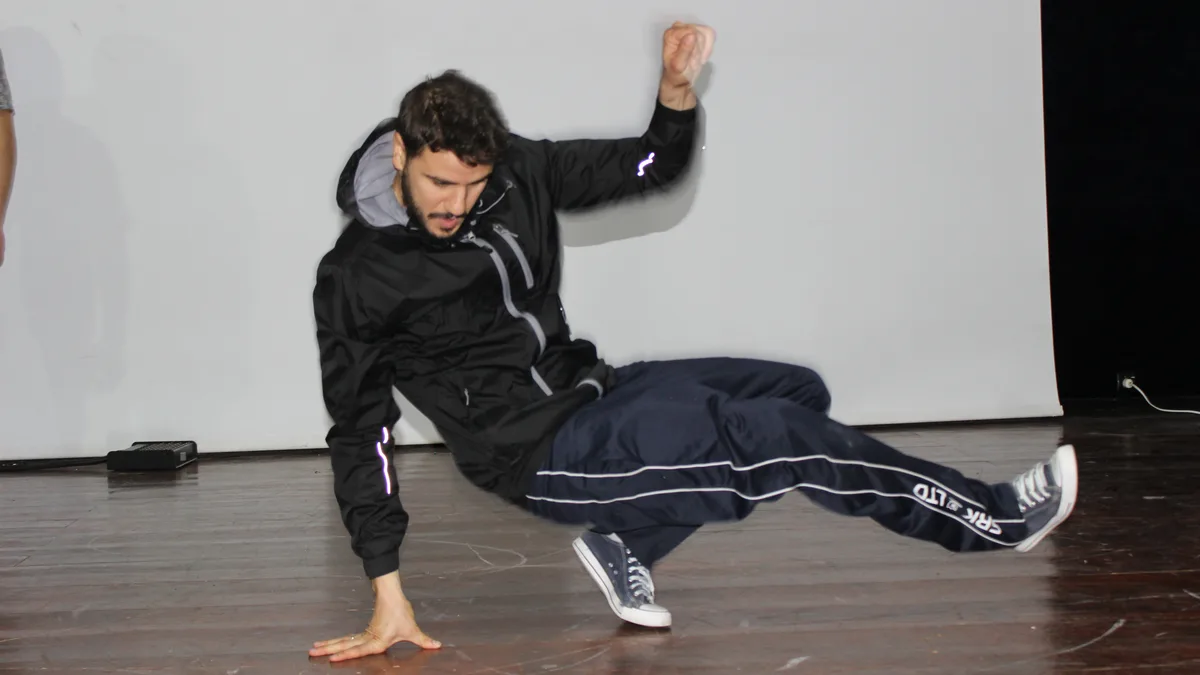
The worst breakdancers of 2026 do not fail because breakdancing is hard. They fail because the dance never locks to the music: the toprock wanders off the beat, the footwork stalls after two steps, the freeze folds the moment it is held, or the big power move is announced, attempted and abandoned in the same breath. Breakdancing, also called breaking, is a single craft built from four parts: toprock danced standing up, footwork danced low to the floor, freezes held still in a shape, and power moves that spin the body through the air. When those four parts connect, a dancer can ride a whole song without stopping. When they do not, the act is a series of starts that never become a dance, and no amount of shouting, posing or crowd-pleasing can put it back together again.
Key takeaways
- Breakdancing is a single craft judged on the toprock, footwork, freezes and power moves.
- The worst dancers fail on the beat first: the toprock wanders, the footwork stalls, and the dance never locks to the music.
- A freeze is not a photograph: a held shape only works when the dance before it and after it earns it.
- Power moves do not fix a broken dance.
- Watch the first thirty seconds, and walk away from any dancer whose feet have already stopped twice.
How the worst breakdancers of 2026 were chosen
Every type below was scored on five measures. Groove comes first: does the dancer move with the music, or does the music play while the dancer does something else? Footwork is second, judged on whether the low steps flow from one to the next, or stall after two steps. Freezes are third: how cleanly the shape is held, and how cleanly the dancer comes out of it. Power is fourth: does the dancer spin through a move with control, or does the attempt collapse halfway round? Battle sense is fifth: does the dancer answer the music and the moment? This guide describes bad patterns only; it gives no instructions for performing or attempting any breakdancing move.
Two notes before the list. First, this guide is about breakdancing as a single craft only: toprock, footwork, freezes and power moves, danced by one person at a time. A street performer is a different thing, a whole range of acts on a pavement, and our ranking of the worst street performers of 2026 covers buskers, mimes, living statues and fire acts, where breakdancing is not one of the seven types. Second, no real dancer is named as the worst, because the same bad patterns appear in many dancers, and what matters is learning to recognise them before you give a dancer your evening. Readers who want the wider stage will find those acts ranked in our guide to the worst variety shows of 2026, where a dance act is one slot in a mixed bill, and the whole ring in our guide to the worst circus acts of 2026.
Comparison table: the worst breakdancers of 2026
| Rank | Type | Main fault | First warning sign |
|---|---|---|---|
| 1 | The toprock with no groove | Steps off the beat | Feet and music never meet |
| 2 | The footwork that stalls | Two steps, then a stop | Dancer stands up after every step |
| 3 | The freeze that collapses | Held for a second, then folds | Arms shake, shape gives way |
| 4 | The power move that never lands | Spin stalls halfway round | Dancer rolls to a stop on the floor |
| 5 | The routine that is only posing | Freezes with no dance between | Five minutes, three poses, no flow |
| 6 | The battle dancer who never answers | Dances alone, ignores the moment | Same set whatever the music does |
| 7 | The finale that is just walking off | No closing move | Dancer shrugs and leaves the floor |
The worst breakdancers of 2026, ranked
1. The toprock with no groove: standing steps that go nowhere
The toprock with no groove is the worst breakdancer of 2026, because the toprock is where the dance starts. Toprock is the standing part of the dance, the steps a dancer does on their feet before going down to the floor, and it should set the rhythm for everything that follows. The worst version has no rhythm at all: the feet shuffle, the arms wave, and the music plays on as though the dancer were in another room.
2. The footwork that stalls: a six-step that stops after two steps
The footwork that stalls is the dancer who goes down to the floor and then cannot stay there. Footwork is the low part of the dance, the quick steps traced around the hands while the body stays low, and it should flow from one step to the next without stopping. The worst version does two steps, stops, stands up, looks around, and goes down again to do the same two steps. Each restart breaks the rhythm a little more, until the dance is a series of false starts instead of a flow.
3. The freeze that collapses: held for a second, then folds
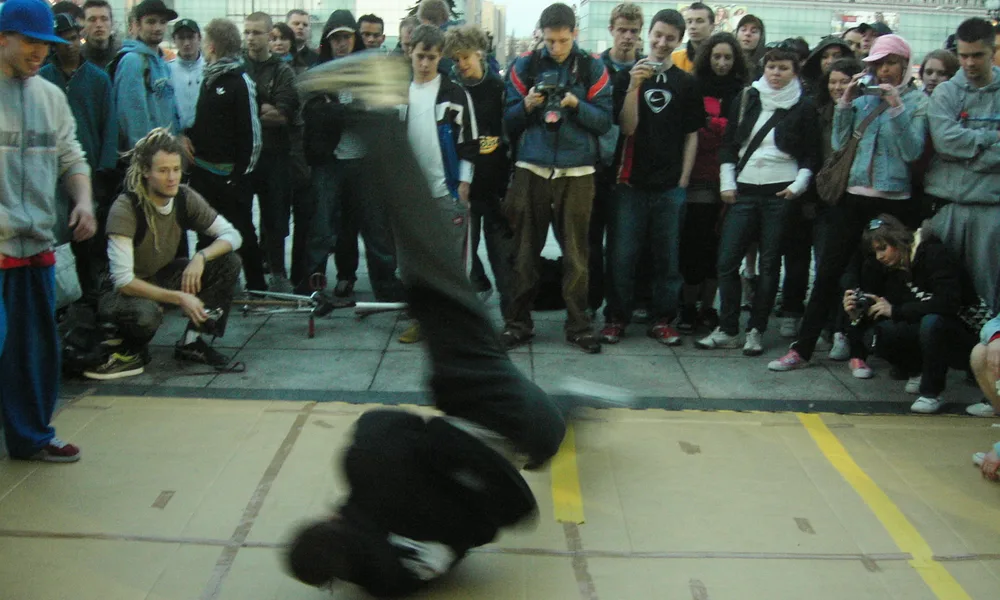
The freeze that collapses is the most painful breakdancer to watch, because the set-up is often good. The dancer drops to the floor, kicks into a shape, holds it for a heartbeat, and then the arms shake, the shape gives way, and the dancer folds onto the floor. A freeze is a still shape held on hands, head or shoulders, and it only works when it is held cleanly and the dancer comes out of it cleanly too.
4. The power move that never lands: a spin that stalls halfway round
The power move that never lands is the dancer who reaches for the biggest move in the craft before the basics are there to support it. Power moves are the spins: the windmill, the flare, the headspin, the body turning through the air while the hands or head hold the floor. The worst version starts the spin, gets halfway round, loses the rhythm, and rolls to a stop on the floor, where the dancer lies for a second too long before getting up. The dancer who attempts it with no footwork behind it is skipping the dance and going straight to the trick, and the trick knows it.
5. The routine that is only posing: freezes as photographs, no dance between
The routine that is only posing treats the freeze as the whole dance and the dance as the wait between freezes. The dancer strikes a shape, holds it, stands up, walks around, and strikes another shape, in a routine that would look the same in a set of photographs. A freeze only works when the dance before it earns it and the dance after it carries it on: the toprock leads in, the footwork builds, the freeze lands, and the dancer flows out again. The worst version has no flow at all, just poses separated by wandering.
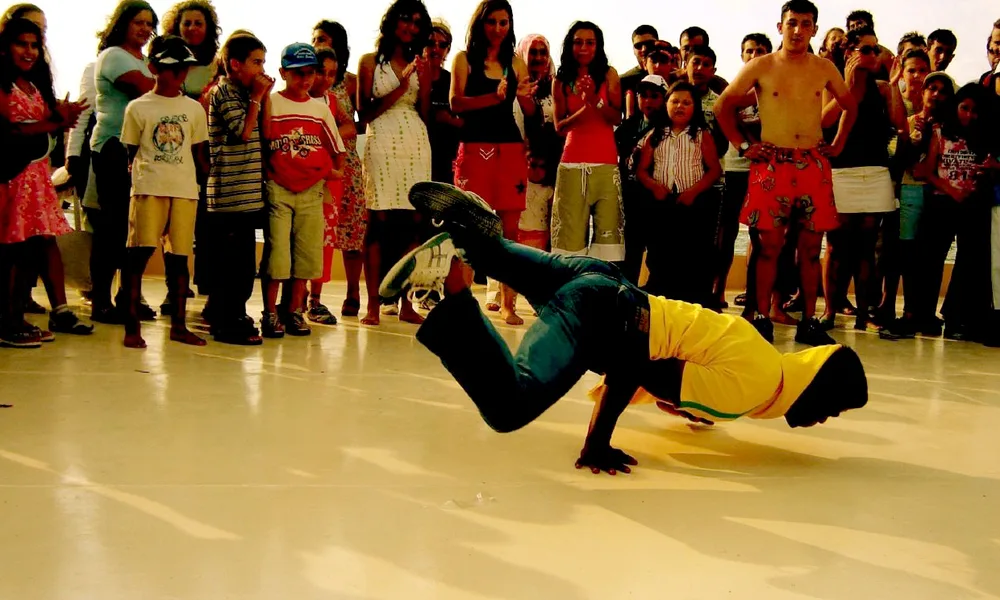
6. The battle dancer who never answers: the same set whatever the music does
The battle dancer who never answers is the dancer who performs the same set no matter what is playing, who is watching, or what has just happened on the floor. In a battle or a cypher, dancers take turns, answer each other, and build on what the last dancer did; the music changes, the moment changes, and the dance should change with it. The worst version does the same toprock, the same two footwork steps and the same collapsing freeze, whether the song is fast or slow, whether the crowd is roaring or silent.
7. The finale that is just walking off: no closing move at all
The finale that is just walking off is the dancer who gives up before the end. The toprock has wandered, the footwork has stalled and the freeze has folded, and when the moment for a closing move comes, the dancer simply shrugs, stands up and walks off the floor, as though the audience should applaud the idea of a finale rather than a finale itself. A closing move does not need to be the hardest move in the set; it needs to be a move, finished cleanly, at the moment the room is watching hardest.
What to avoid
The most common breakdancing regret is not a bad dancer but a wrong expectation: a power-move dancer with no footwork, a freeze dancer with no dance between the poses, or a battle dancer who never answers the music. Avoid the trap by watching the first thirty seconds: if the toprock has not found the beat, the footwork has stalled twice, or the dancer has already stood up from a collapsed freeze, the set is out of ideas, and the rest of the evening will not improve on the start.
Checklist: spotting a bad breakdancer
- Watch the first thirty seconds: if the toprock has not found the beat, the dance has no groove to build on.
- Count the stalls: two footwork stops in a row means the dancer cannot stay on the floor.
- Look at the freeze: shaking arms and a shape that folds in a second is a pose, not a freeze.
- Check the power move: a spin that stalls halfway round is a trick attempted before the basics were ready.
- Listen to the music: a dancer doing the same set whatever the song does is dancing alone, not answering.
- Watch the finale: if the dancer shrugs and walks off, the set never had an ending.
Frequently asked questions
What is breakdancing?
Breakdancing, also called breaking, is a street dance built from four parts: toprock danced standing up, footwork danced low to the floor, freezes held still in a shape, and power moves that spin the body through the air. A good dancer connects all four to the music.
What is toprock?
Toprock is the standing part of breakdancing, the steps a dancer does on their feet before going down to the floor. It sets the rhythm for everything that follows, and it should move with the music. A toprock with no groove is the first warning sign.
What is a freeze in breakdancing?
A freeze is a still shape held on the hands, head or shoulders, struck at a moment in the music and held cleanly. It works when the dance before it earns it. A freeze that folds after a second is not a freeze; it is a shape the dancer never learned to hold.
What are power moves?
Power moves are the spins of breakdancing, such as the windmill, the flare and the headspin, where the body turns through the air while the hands or head hold the floor. They are the most punishing part when they fail.
Is breakdancing the same as hip-hop dancing?
Breakdancing is one part of hip-hop dance, but it is not the whole of it. Hip-hop dancing covers many styles, from party dances to choreographed routines, while breakdancing is the specific craft of toprock, footwork, freezes and power moves. The two should not be confused.
How long should I give a new breakdancer?
Thirty seconds. The toprock either finds the beat or it does not, and the first half-minute shows which. If the feet have already stopped twice, the freeze has already folded, or the dancer has already stood up from the floor, the set will not improve, and you should spend your evening elsewhere.
Bottom line
The worst breakdancers of 2026 are the ones that break the simple promise of breaking: a toprock that finds the beat, footwork that flows, a freeze that holds, and a finale that closes the set. Watch the first thirty seconds, count the stalls, and the dancer will show you whether they can dance before you have given them your whole evening.