What Is the Best Pet Bathing Tub for Dogs and Cats in 2026?
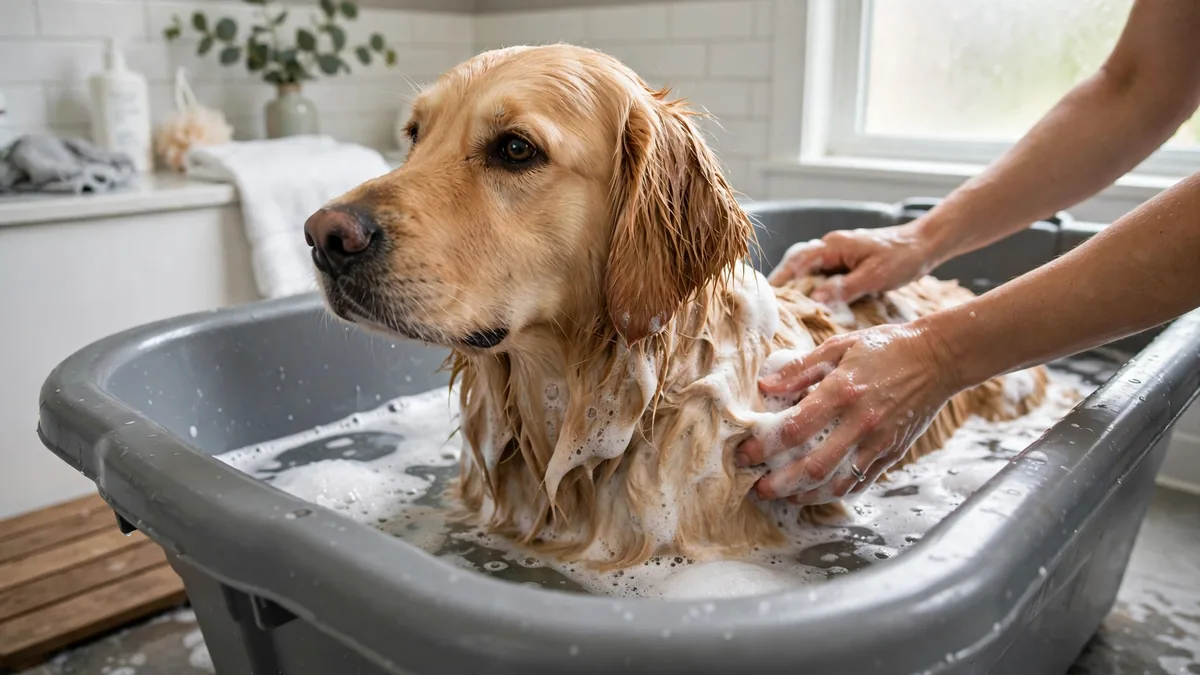
The best pet bathing tub in 2026 is the one that makes bath time calmer for your pet and easier on your back: deep enough to hold the water, high enough that you are not kneeling on a cold floor, and fitted with a drain that empties in seconds. A good tub turns a chore that ends with a soaked bathroom into a quick routine. The wrong tub is too small, so water sloshes over the sides; too slippery, so your pet panics; or too low, so you finish with an aching back.
Pet bathing tubs are built for animals: tougher plastic or stainless steel that stands up to claws, a non-slip floor, and fittings for a shower sprayer. This guide explains what to look for, compares the main types, and walks through a calm bath from start to finish.
Key Takeaways
- Measure your pet standing up before you buy: the tub should be at least as long as your pet from chest to tail base, with room to turn around.
- An elevated tub saves your back, while a floor tub suits cats, small dogs and tight spaces.
- A proper drain matters more than any extra feature: look for a standard hose fitting and a plug you can reach easily.
- Non-slip flooring is not optional. A pet that slides once will fight the next bath, and a frightened pet is far harder to wash safely.
- Pair the tub with the right routine: lukewarm water, a pet-safe shampoo, a thorough rinse, then dry with a towel.
What Makes a Pet Bathing Tub Different
A pet bathing tub looks like a simple plastic basin, but the details are what separate a useful one from a storage box. The walls are thicker, because a sixty-pound dog leaning on the rim will crack a thin tub. The floor is textured or fitted with a rubber mat, because wet paws on smooth plastic slide. Many tubs have a restraint point for a grooming loop, so you can keep one hand free, and a low drain with a hose thread, so dirty water goes outside instead of across your bathroom.
The other difference is height. Washing a dog in a human bathtub means kneeling and lifting a wet, heavy animal over a high rim. A pet tub on legs brings the dog up to waist height, which is kinder to your back and gives you far better control. For cats and small dogs, a low tub on the floor is often enough.
Who Actually Needs One
Not every pet owner needs a dedicated tub. If your dog is small, calm and happy in the shower, a handheld sprayer and a non-slip mat may be all you need. A pet bathing tub earns its place when baths are frequent, messy or physically hard: a large dog that needs weekly washing, a long-haired breed that collects mud, a pet that needs medicated baths, or an owner with a bad back. It also helps in homes without a bathtub, where the only options are the garden hose or the kitchen sink.
Types of Pet Bathing Tubs Compared
Most pet bathing tubs fall into four types, and the right one depends on your pet’s size and where you will bathe them. Elevated tubs are the groomer’s choice. Portable folding tubs suit small homes. Stainless steel tubs are the durable option. Simple floor tubs are the cheapest way to contain the water.
| Type | Best for | Strengths | Weaknesses | Price range |
|---|---|---|---|---|
| Elevated tub on legs | Medium and large dogs | Waist height, no kneeling, good control | Bulky to store, heavy to move | Mid to high |
| Folding portable tub | Small dogs, cats, flats | Folds flat, light, cheap | Walls flex, not for large dogs | Low |
| Stainless steel tub | Frequent baths, groomers | Scratch-proof, hygienic, lasts years | Expensive, cold, heavy | High |
| Floor tub or basin | Cats, puppies, tight budgets | Cheapest, easy to store, stable | You kneel, water splashes out | Low |
| Outdoor tub with hose | Large muddy dogs, summer | Mess stays outside, easy rinse | Seasonal, cold water risk | Low to mid |
How to Choose the Right Size
Size is the decision that causes the most returns, and it is easy to get right if you measure first. Stand your pet on all fours and measure from the chest to the base of the tail. The tub’s inside length should be at least that long, plus a few inches so the animal can turn around. Depth matters too: the water should reach the belly on a standing pet, which usually means walls eight to twelve inches high for a medium dog.
Weight capacity is the number people forget. A tub rated for forty pounds will bow or crack under an eighty-pound dog. Check the rating, and if your dog is close to the limit, size up. For very large breeds, a stainless steel or heavy-duty elevated tub is the only honest choice.
Indoor or Outdoor: Where Will You Bathe?
Indoor bathing is the year-round option. A tub in the bathroom or laundry room gives you warm water, no weather, and a contained space. The trade-off is drainage: you need a floor drain, a shower tray, or a hose long enough to reach a sink or toilet.
Outdoor bathing is simpler in summer. A garden tub keeps mud and hair out of the house, but cold water is a real risk: a dog washed in cold water on a cool day can chill quickly, especially a small or elderly animal. If you bathe outdoors, use lukewarm water from a mixer tap, never a cold hose, and dry the pet thoroughly before it goes back inside.
Features Worth Paying For
Manufacturers love to add features. A few are genuinely worth paying for, and the rest are decoration.
A Drain You Can Actually Use
The drain is the most-used part of the tub and the most commonly skimped. Look for a drain plug at the lowest point of the floor, with a standard garden-hose thread so you can run dirty water where you want it. Avoid tubs where the drain sits above the floor, leaving a puddle behind, and plugs that need two hands to open.
Non-Slip Flooring
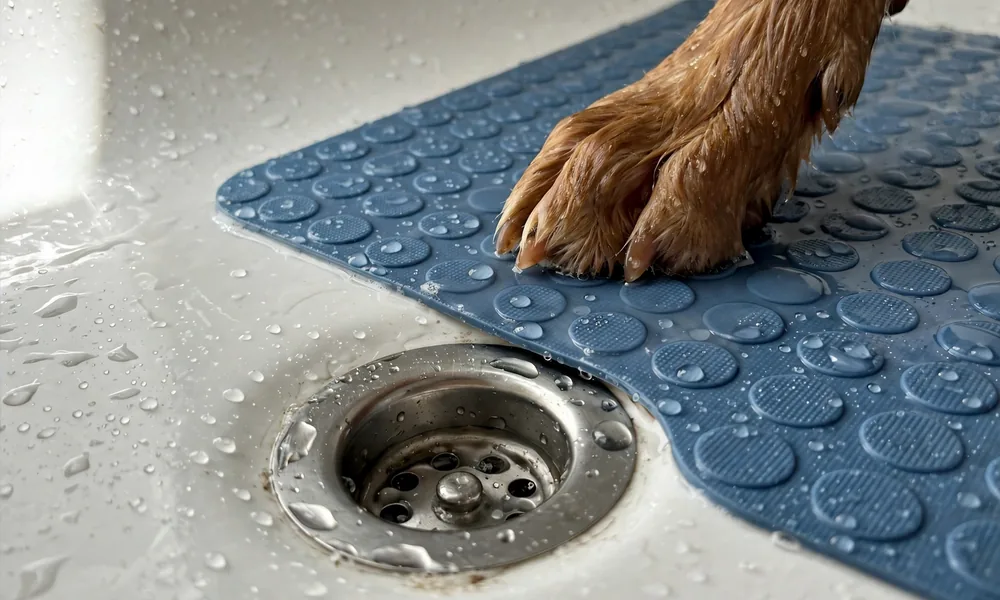
A textured floor or a removable rubber mat is essential. Wet claws on smooth plastic have no grip, and a sliding pet panics, scratches and tries to jump out. Some tubs build the texture into the floor; others include a mat. A removable mat is easier to clean, but check that it stays put when wet: a mat that slides around is worse than no mat at all.
Height and a Ramp or Steps
An elevated tub saves your back, but it creates a new problem: lifting a heavy wet dog in and out. Tubs with a low entry step, a ramp, or a side door solve this, and they are worth the extra money for any dog over forty pounds. If your tub has none of these, keep a sturdy step stool nearby and train your dog to step up before bath day, with treats.
A Sprayer Hook and Restraint Point
A hook for the shower sprayer frees both hands, which matters when you are holding a wriggling puppy and rinsing at the same time. A restraint loop keeps the pet facing forward. Never leave a pet unattended while looped in a tub.
Bathing Your Pet Step by Step
A calm bath is mostly preparation. Brush your pet before the water starts, because wet tangles turn into mats. Put the tub where you will use it, attach the drain hose, and lay out shampoo, towels, a sprayer and treats within reach. Test the water on the inside of your wrist: lukewarm, never hot or cold.
Lift your pet in gently and wet the coat from the neck down, keeping water away from the ears and eyes. Apply shampoo and work it through the coat, paying attention to the paws, belly and tail base, where dirt collects. Our guide to the best pet shampoos of 2026 explains which formulas suit sensitive skin, puppies and heavy coats. Rinse until the water runs clear: leftover shampoo itches and dries the skin. Then lift your pet out and dry thoroughly with a towel. Our guide to the best pet towels of 2026 covers absorbent options that cut drying time in half.
For the face, use a damp cloth rather than running water, and never pour water over the head. For cats, keep the water shallow and stop while your cat is still calm. If your pet panics, pause and give a treat: forcing a frightened animal through a bath teaches it to fear the next one.
What to Avoid
Avoid tubs with sharp edges, thin walls that flex under weight, and drains that sit above the floor line. Avoid bathing a pet in water that is hot to your wrist, and never use human shampoo on a pet: the pH is wrong for animal skin. Never leave a pet alone in a filled tub, even for a minute.
Finally, avoid bathing too often: most dogs need a bath every four to six weeks, and over-bathing dries the skin and coat. Between baths, a wipe-down and a brush does more good than another full wash. Our guide to the best pet grooming gloves of 2026 shows how to keep a coat clean between baths with no water at all.
Checklist: Before You Buy a Pet Bathing Tub
- Measure your pet standing up, chest to tail base, and pick a tub at least that long inside.
- Check the weight rating and size up if your pet is anywhere near the limit.
- Confirm the drain sits at the lowest point and takes a standard hose fitting.
- Make sure the floor is non-slip, with a textured surface or a mat that stays put when wet.
- Decide where you will bathe and store the tub, and measure both spaces first.
- Buy the extras at the same time: a sprayer, a non-slip mat, and two absorbent towels.
Frequently Asked Questions
What size pet bathing tub do I need for a large dog?
Measure your dog from chest to tail base while standing. The tub’s inside length should be at least that measurement, and the weight rating should exceed your dog’s weight. For dogs over sixty pounds, look at heavy-duty elevated or stainless steel tubs.
Can I use a pet bathing tub for a cat?
Yes. Cats do best in a low, shallow tub with a non-slip floor and only a few inches of lukewarm water. Keep the session short and dry your cat in a warm room afterwards.
Is an elevated pet bathing tub worth the money?
If you bathe a medium or large dog regularly, yes. It saves your back, gives you better control, and usually includes a proper drain. For a small dog, a floor tub is fine.
How do I drain a pet bathing tub indoors?
Use the drain hose to run water into a shower tray, floor drain, sink or toilet. Place the tub close to the drain before you fill it.
Can I bathe my dog outside in a pet tub?
Yes, in warm weather. Use lukewarm water from a mixer tap rather than a cold hose, and dry your dog thoroughly before it comes inside.
How often should I bathe my pet?
Most dogs need a bath every four to six weeks, or when dirty. Cats rarely need baths unless they get into something messy. Ask your vet if your pet has a skin condition.
The Bottom Line
The best pet bathing tub in 2026 is the one that fits your pet, your space and your back: long enough for your animal to stand and turn, rated for its weight, with a low drain and a non-slip floor. Buy the size you measured, spend the extra money on the drain and the non-slip surface rather than on gimmicks, and keep baths short, warm and calm.


