Worst Turnstiles to Pass Over in Silence: The Worst Sports Turnstiles of 2026
The worst sports turnstiles of 2026 are not the ones that look old or the ones painted in a colour you would never choose. A battered old gate that swings freely beats a gleaming new one that eats your ticket and leaves you standing in the rain. The worst sports turnstiles fail in simple, physical ways: arms that jam halfway round, readers that cannot read, lanes so narrow a bag will not fit, and gates that give no clue about what went wrong. This guide ranks the worst types, so you can spot a bad gate before matchday and plan around it.
Key takeaways
- The worst sports turnstiles are types and patterns, not places: the same jamming arms, dead readers and narrow lanes turn up at grounds of every size.
- A turnstile is judged by what it does in a crowd: a gate that works for one person can still fail a whole stand arriving at once.
- Speed matters more than looks: a gate that takes twenty seconds per fan builds a queue that swallows the first ten minutes of the match.
- The worst gates fail silently, with no message and no steward nearby.
- Check the reader, the lane width and the shelter before matchday, and arrive early whenever the gate is the only way in.
How the worst sports turnstiles were chosen
Every type below was scored on five measures. Reliability comes first: does the arm swing every time, or stick, lock or half-turn and trap you? Speed is second: a gate that takes twenty seconds per fan is a queue wearing a uniform. Accessibility is third: can a fan with a bag, a child or a walking stick get through without a struggle? Weatherproofing is fourth: does the reader still work in rain, and is there any cover while you wait? Clarity of feedback is fifth: does the gate tell you why it failed, or just flash red?
Two notes before the list. First, this is about the turnstile itself, the entry gate and its reader, not the ticket you bought to feed it: the terms that make a ticket bad are a different problem, and our guide to the worst sports tickets of 2026 shows how a ticket can waste your money before you even reach the gate. Second, no individual ground is named here, because the same seven gate types turn up everywhere. Our guide to the worst sports stadiums of 2026 covers the venues that spoil the day before you even get inside.
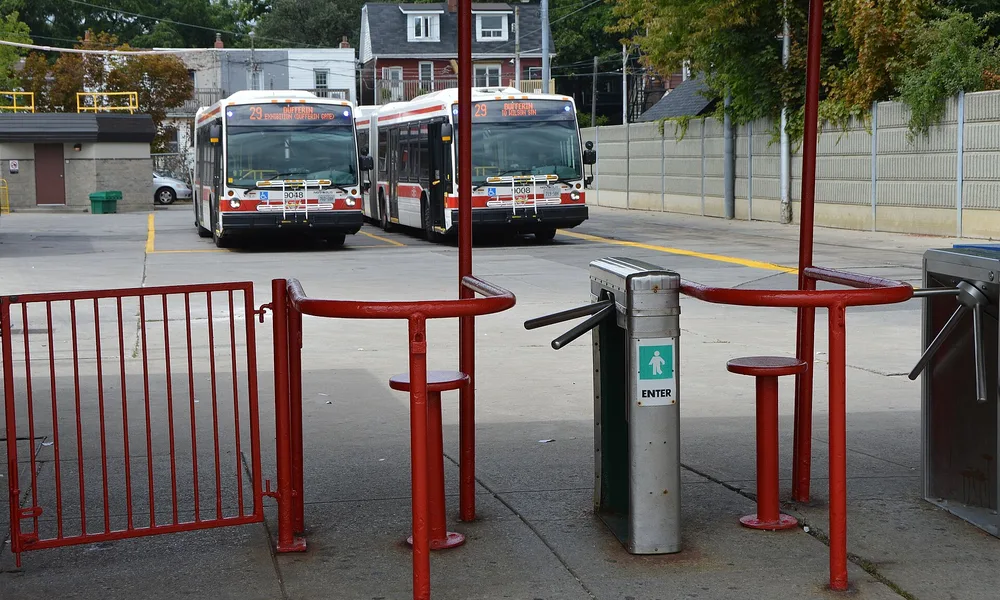
Comparison table: the worst sports turnstiles of 2026
| Rank | Turnstile type | Main fault | What to do instead |
|---|---|---|---|
| 1 | The Jam-Prone Tripod Arm | Arms stick and trap you | Use the widest lane |
| 2 | The Dead Card Reader Gate | Cannot read a valid ticket | Brighten the screen and hold it flat |
| 3 | The Single-File Bottleneck Lane | One lane for a whole stand | Arrive early and pick the end lane |
| 4 | The Waist-High Flapper | Flaps catch bags and coats | Carry your bag in front of you |
| 5 | The Full-Height Cage Turnstile | A slow metal cage | Ask for the staffed accessible gate |
| 6 | The No-Shelter Outdoor Bank | Readers and fans soaked | Keep your ticket dry and covered |
| 7 | The Silent Reject Gate | Rejects valid tickets, no reason | Step aside and find a steward at once |
The worst sports turnstiles of 2026
1. The Jam-Prone Tripod Arm: the worst sports turnstiles of all
The jam-prone tripod arm is the worst sports turnstile you can meet, and it is not close. It looks like every other waist-high gate, three metal arms on a post, until you push through and the arm stops halfway round with a clunk. You are caught between two arms, half in and half out, with the queue pressing behind you. The spring is tired, or the arm has been bent by years of fans forcing it, and the gate has learned to stick at exactly the worst angle. A good arm swings cleanly and locks once; this one hesitates and needs a shove. Watch the fan ahead of you: if their arm sticks, pick another lane.
2. The Dead Card Reader Gate: a reader that cannot read
The dead card reader gate fails before the arm even moves. You hold your phone to the reader and nothing happens. You try again, slower and then at an angle, and the reader ignores you while the queue behind you sighs. The reader lens is scratched, the sensor is full of rain, or the unit has lost its connection. A working reader beeps green within a second. This one gives silence, and silence at a gate means you are stuck. Brighten your screen, hold the phone flat for two seconds, and if that fails, step aside for the staffed gate.
3. The Single-File Bottleneck Lane: one lane for a whole stand
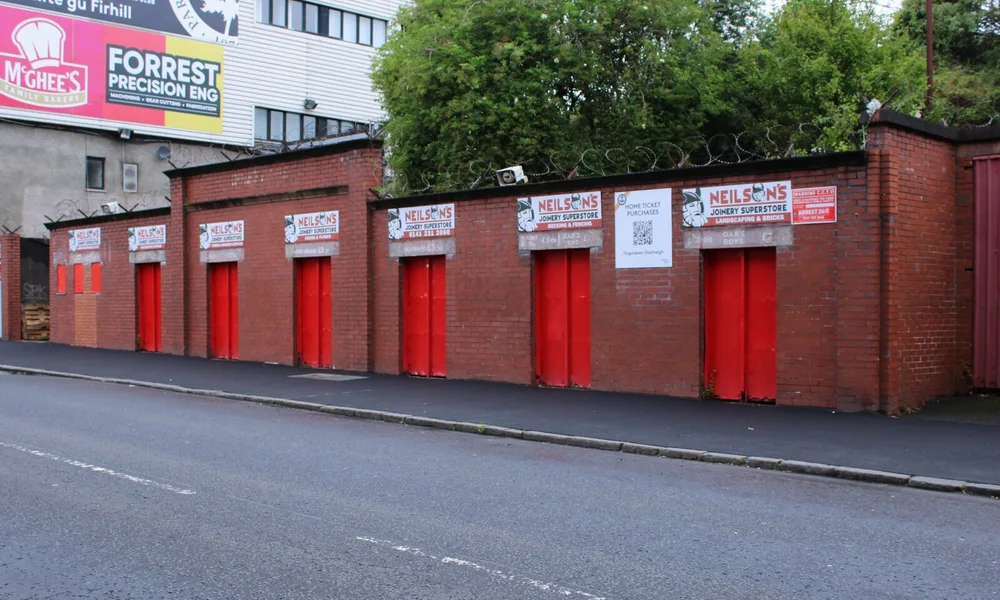
The single-file bottleneck lane is not one bad gate but a bad decision: a whole stand funnelled through a single narrow lane because the other gates are shut, broken or unstaffed. The queue stretches back around the corner, and every small delay at the front becomes ten minutes at the back. Fans arrive in a wave before kick-off, and the lane swallows one person every fifteen seconds, so the maths never works. The ground knows the crowd size, which is why this type ruins more afternoons than any broken arm. Arrive forty minutes early, and walk to the far end of the bank, where the last lane is often the quietest.
4. The Waist-High Flapper: flaps that catch everything
The waist-high flapper looks modern and friendly, two glass panels that swing open when your ticket reads, until your bag catches on the edge and the panel snaps shut on the strap. Coats, scarves and bags all snag on the same sharp corner, and the alarm sounds as if you tried to jump the gate. The panels are too close for a fan in a winter coat, and the sensor cannot tell a bag strap from a body. A good flapper gives you room and a gentle close; this one gives you a trap with an alarm. Carry your bag in front of you, keep straps tucked in, and walk through steadily, because a sudden move sets the panels off.
5. The Full-Height Cage Turnstile: a slow metal cage
The full-height cage turnstile is a rotating metal cage that lets one person through at a time and makes every entry feel like a security check. You step in, push the bars round, and walk out ten seconds later, while the fan behind you waits in the weather. It is slow by design: a cage built for a quiet office cannot cope with thousands of fans arriving in an hour. It is also the worst gate for anyone uneasy in tight spaces or carrying more than a pocket. If the cage is the only gate open, use the staffed accessible gate beside it, which is faster and kinder.

6. The No-Shelter Outdoor Bank: soaked readers, soaked fans
The no-shelter outdoor bank is a row of turnstiles standing in the open with no roof, no canopy and nowhere to wait out of the rain. The readers get wet first: rain runs down the lens, the screen fogs, and the sensor starts rejecting tickets that worked perfectly indoors. Then the fans get wet, standing in a queue that does not move while the rain soaks coats and turns paper tickets to pulp. A covered entry costs little, which is why an uncovered bank feels like the ground did not care. Keep your ticket in a dry pocket, shield your phone screen, and wipe the reader lens before you present it.
7. The Silent Reject Gate: valid ticket, no reason given
The silent reject gate is the last type, and the most infuriating, because it tells you nothing. Your ticket is valid, your seat is real, and the gate flashes red and stays shut, with no message, no code and no steward in sight. You try the next gate, and it flashes red too, and now you are holding up two lanes while the crowd decides your ticket is wrong. The fault is usually a stale list, a reader that has not synced, or a ticket issued for a different gate, but the gate will not say so. Do not keep trying the same gate: step aside, keep your booking confirmation open, and find a steward, because only a human can override it.
What to avoid when you reach the turnstiles
The most common matchday regret is not a bad gate but a bad plan: arriving five minutes before kick-off, joining the longest queue, and discovering the problem only when the whistle is about to blow. Avoid the trap by checking three things before you leave home: the entry gate on your ticket, the weather, and whether your ticket is on your phone or on paper. The same checks work for the rest of the day too, and our guide to the worst stadium security of 2026 makes the same point about queues, because the traps are the same everywhere. Five minutes of planning is worth more than twenty minutes in a queue.
Checklist: getting through the turnstiles without the stress
- Arrive forty minutes early, not five minutes before kick-off.
- Brighten your phone screen and hold it flat on the reader for two seconds.
- Keep paper tickets dry in an inside pocket or a plastic sleeve, and never in a back pocket.
- Carry your bag in front of you through flapper gates, with straps tucked in and zips closed.
- Watch the fan ahead of you: if their arm sticks or their ticket fails, pick another lane at once.
- Step aside once a gate rejects you twice, and find a steward with your booking confirmation open.
Frequently asked questions
Why does my ticket work on one gate and not another?
Because the gates do not always share the same list. One reader may have synced the latest sales while the next has not. Try one other lane, then find a steward.
What should I do if the turnstile arm jams while I am halfway through?
Stop pushing and call out for help. Forcing a jammed arm bends it further and can trap you properly. A steward can release the mechanism from the side, which is faster and safer than wrestling with the gate.
Are full-height cage turnstiles safe for children?
They are slow and tight, which worries children and anyone uneasy in small spaces. Ask for the staffed accessible gate instead: it is wider and usually faster.
Can rain really stop a ticket reader from working?
Yes. Rain on the lens, a fogged screen and a wet phone all confuse the sensor. Keep the ticket dry, shield the screen, and wipe the reader lens first.
How early should I arrive for a big match?
Forty minutes for a full ground, and an hour if the entry is a single bank of gates. The crowd arrives in a wave in the last fifteen minutes, and that is when every slow gate turns into a queue.
What if there is no steward near the gate that rejected me?
Step aside so the lane can keep moving, then walk to the ticket office window. Keep your booking confirmation open: staff need the reference to override the gate.
Bottom line
The worst sports turnstiles of 2026 fail at the basics: arms that jam halfway round, readers that cannot read, lanes too narrow for a whole stand, flaps that catch your bag, cages that crawl, banks with no shelter, and gates that reject a valid ticket without a word. Arrive early, keep your ticket dry and your screen bright, and step aside for a steward the moment a gate says no twice.