Avoid the Worst Beaches of 2026
The worst beaches of 2026 are not the ones with the fewest palm trees or the plainest views. A quiet, unglamorous stretch of sand with clean water and room to breathe can carry a wonderful day, and a famous shoreline can still ruin one. The worst beaches fail more simply: the sand is dirty, the water is unsafe, the crowds leave no room to sit, or the shore charges you for everything and gives you nothing back. This guide ranks the worst types of beach you will meet in 2026, so you can spot a bad shoreline before you drive there.
Key takeaways
- A beach is judged by its sand, its water and its space, not by how it looks in a filtered photograph.
- Dirty sand and unsafe water are the faults that matter most: litter, debris and strong currents do not improve with the tide.
- Crowds change everything: a good beach at dawn can be unbearable by noon.
- Access is part of the beach: steep dunes, long walks and nowhere to park will tire you out before you sit down.
- Check the water quality, the lifeguard cover and the real cost of parking and facilities before you go.
How the worst beaches were chosen
Every type below was scored on five measures. Cleanliness comes first: is the sand clean, or is it littered with rubbish, broken glass and washed-up debris? Water safety is second, judged on currents, sudden depth, pollution warnings and whether anyone is watching the water. Space is third, because a beach where towels touch on all sides is a different place from the same sand at dawn. Access is fourth: the walk from the car, the steps down and the dunes, and whether a family with children can manage it. Value is fifth: the real cost once parking, toilets and food are added.
Two notes before the list. First, this guide is about the shoreline itself, not the buildings behind it: a beach can be superb while the resort beside it is terrible, and a fine resort cannot save a filthy shore. The buildings get their own treatment in our guide to the worst beach resorts, where rooms, pools and service are the problem. Second, no single beach is named as the worst, because the same bad patterns appear on many shores. The same logic applies on the water itself, as our guide to the worst inflatable boats shows.
Comparison table: the worst beaches of 2026
| Rank | Beach type | Main fault | Warning sign |
|---|---|---|---|
| 1 | The Filthy Strand | Litter, debris, broken glass | Rubbish at the tide line |
| 2 | The Unsafe Water | Currents, depth, pollution | No lifeguards, warning flags |
| 3 | The Shoulder-to-Shoulder Beach | Brutal crowds, no space | Towels touching, queues everywhere |
| 4 | The Rocky Shelf | No sand, sharp rock, seaweed | Stone underfoot, no place to sit |
| 5 | The Nowhere-to-Get-In Beach | Steep dunes, long walk, no parking | One rough path, full car park |
| 6 | The Pay-for-Nothing Beach | Charges for everything, no facilities | Paid parking, locked toilets |
| 7 | The Disappearing Beach | Gone at high tide | Water at the sea wall by noon |
The worst beaches of 2026
1. The Filthy Strand: the worst beach of all
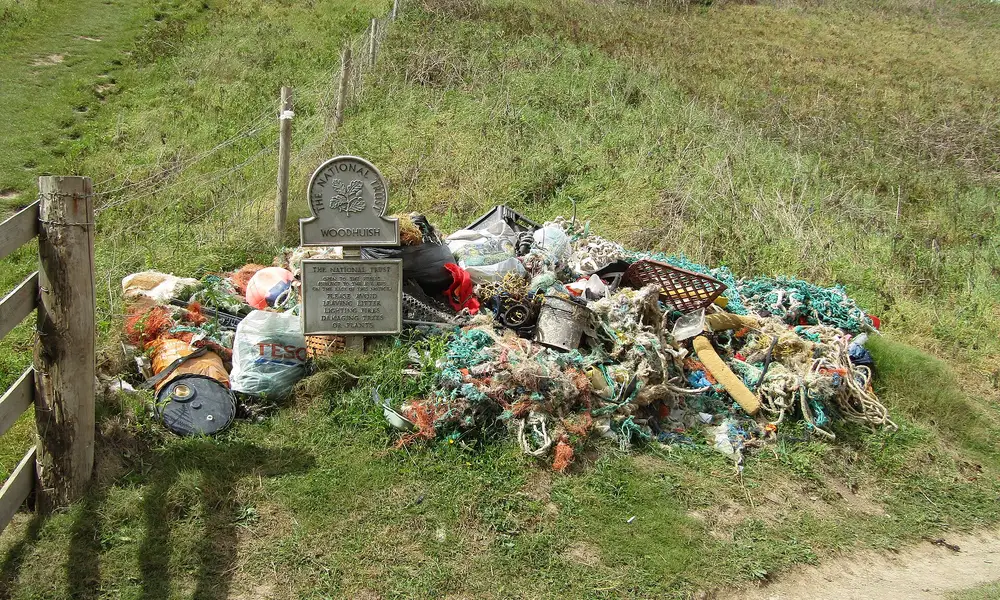
Nothing ruins a beach day faster than dirty sand, and the Filthy Strand is the one where the mess is part of the place. The tide line is a strip of plastic bottles, fishing line, broken glass and food wrappers, the bins overflow by midday, and the sand itself crunches with things you do not want to name. Either way, children cannot run barefoot and nobody wants to sit down. A clean beach is not a luxury, it is the minimum, and a beach that cannot manage its rubbish cannot manage anything else. Walk the tide line before you unpack and look at the bins. If you need shoes on the sand, the beach has already failed.
2. The Unsafe Water: currents, depth and nobody watching
The Unsafe Water looks inviting from the sand and turns dangerous the moment you step in. The bottom shelves away suddenly, a rip current pulls sideways along the shore, or the water carries a pollution warning that nobody has bothered to signpost. The worst examples have no lifeguards at all, no flags, and no one to tell a visitor that the calm surface hides a fast channel. Before you swim anywhere, look for lifeguard cover, read the warning signs, and ask a local what the water does at different tides. A beach with unsafe water is not a beach for swimming, whatever the photographs promise, and no view is worth a rescue.
3. The Shoulder-to-Shoulder Beach: no room to breathe
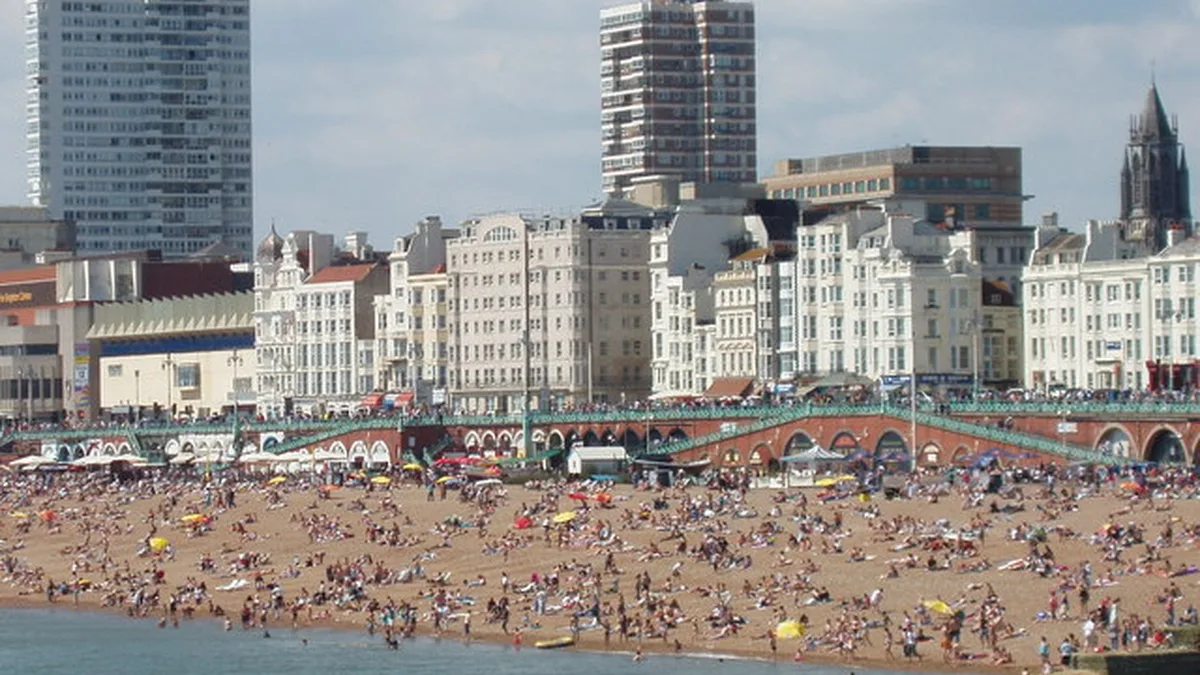
The Shoulder-to-Shoulder Beach is a good beach ruined by its own popularity. By late morning the towels touch on all sides, the queues for the toilets stretch around the block, the car park is full, and the noise never drops. Children cannot run without tripping over someone else’s picnic, the water’s edge is a scrum, and finding your own spot again after a swim becomes a real problem. The fix is timing, not money: arrive early, leave before the afternoon peak, or go on a weekday, and the same sand can be lovely. But if the only time you can go is a hot Saturday in August, pick a beach with room to spread out instead.
4. The Rocky Shelf: a beach with no beach in it
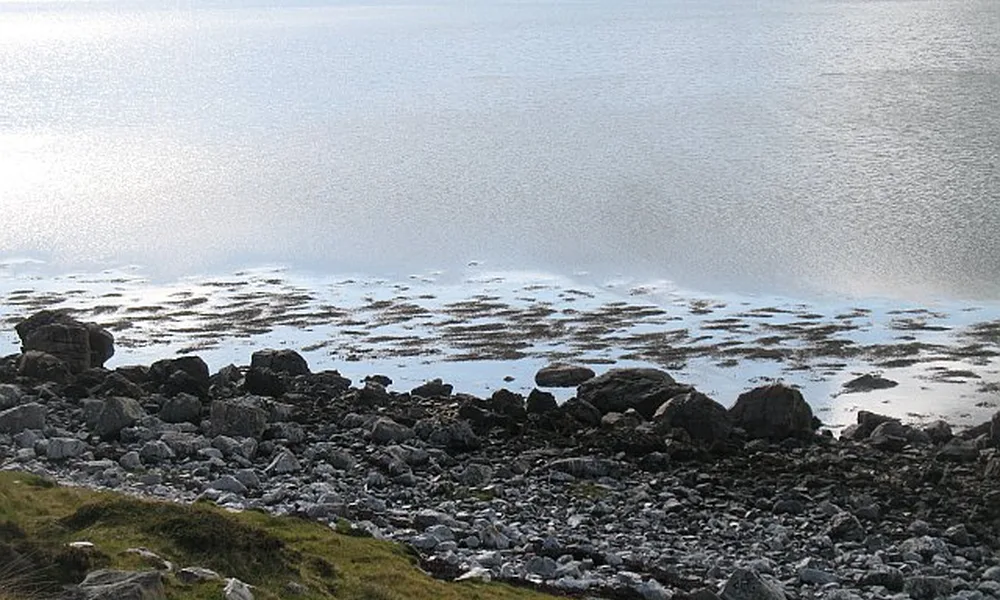
The Rocky Shelf is the shore that photographs beautifully and sits on terribly. There is no sand, only stone and rock platforms covered in slippery seaweed, and the walk to the water is a careful scramble over uneven ground. Sitting down means finding a flat rock, lying down means bruises, and children who want to dig will find nothing to dig in. Some rocky shores suit a short walk, but as a beach for a day out they fail at the first job: giving you somewhere comfortable to be. Check the photographs for what is underfoot, not just the view out to sea. A beach needs sand, or at least smooth pebbles, and a shore of sharp rock is a viewpoint, not a beach.
5. The Nowhere-to-Get-In Beach: the walk that eats the day
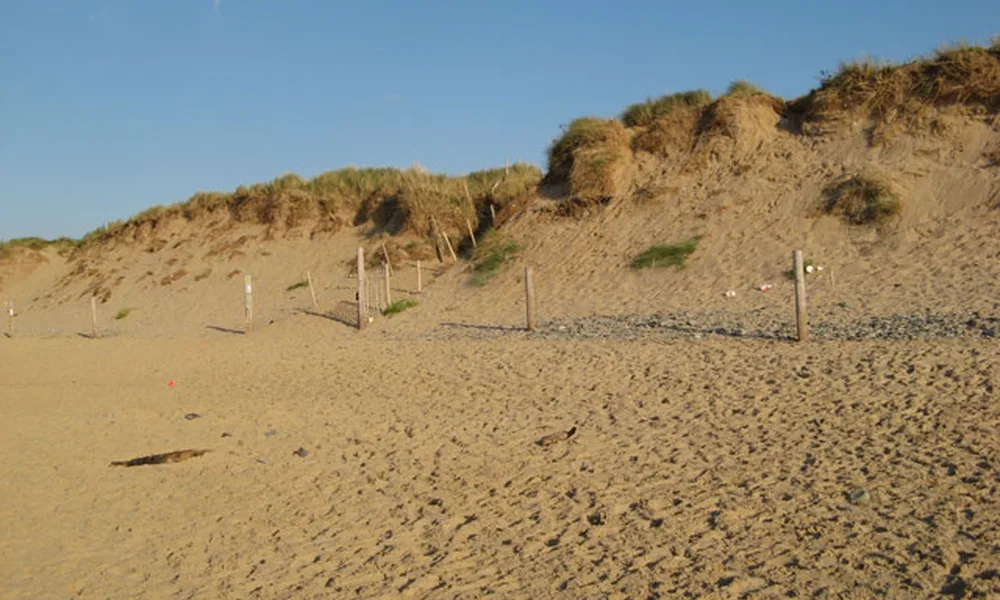
The Nowhere-to-Get-In Beach is the one you have to earn, and the price is too high. The car park is a mile away, the path crosses steep dunes on loose sand, and the steps down are uneven, unrailed and slippery when wet. By the time a family with children, bags and food has made the crossing, everyone is tired, thirsty and in no mood for the sea. The return trip is worse, uphill, into the wind, carrying everything back. A little effort is part of a good beach day, but a beach that exhausts you before you sit down has failed at access. Check the walk, the steps and the parking before you go, not after you arrive.
6. The Pay-for-Nothing Beach: charged at every turn
The Pay-for-Nothing Beach is the shore that has learned to charge for the view. Parking costs a fortune, the toilets are pay-per-use and often locked, shade costs extra, and the only food nearby is overpriced and poor. None of that would matter if the money bought a better beach, but it does not: the sand is average, the water is average, and the facilities the charges supposedly pay for are the ones that are closed. A beach day should be one of the cheapest days out there is, and a shore that charges like a theme park while delivering a car park with sand has its priorities backwards. Add up the whole day before you go, and pick the free beach with clean sand instead.
7. The Disappearing Beach: gone by the afternoon
The Disappearing Beach is the one that exists only on the timetable. At low tide it is a wide, inviting stretch of sand, and by mid-afternoon the water is at the sea wall and there is nowhere left to sit. Visitors who arrive late find a narrow strip, then a wall, then a scramble to move their things before the waves reach them. The beach itself is not bad, but a beach you can only use for three hours is not a day out, it is a window. Check the tide times before you travel and arrive at low water. A beach that disappears is still a beach, but only if you are there when it exists.
What to avoid when choosing a beach
The most common beach regret is not a bad beach but a blind choice: a shore picked from one sunny photograph, at the worst time of day, with no check of the water, the tide or the cost. Avoid the trap by checking four things before you go: the water quality and lifeguard cover, the tide times, the walk from the car, and the real cost of parking and facilities. The same checks work on the water too, and our guide to the worst dinghies makes the same point about small craft in the wrong conditions, because a good day on the shore can still be spoiled by the wrong boat.
Checklist: choosing a beach
- Check the water quality, lifeguard cover and warning flags before you travel, not after you arrive.
- Check the tide times and plan to arrive at low water, leaving before the tide turns.
- Look at recent visitor photographs of the sand and the tide line, not just the official gallery.
- Work out the walk from the car and whether everyone in your group can manage it.
- Add up parking, toilets, shade and food before you go, and compare the real cost of the day.
- Pack water and shade, and have a second beach in mind.
Frequently asked questions
What makes a beach bad?
Dirty sand and unsafe water above all, then crowds, bad access, high charges and a tide that takes the beach away.
How do I check if beach water is safe?
Look for lifeguard cover and warning flags, check the local water quality reports, and ask someone nearby what the currents do. If there are no lifeguards and no information, treat the water with caution.
Are crowded beaches always bad?
Not always: the same beach can be lovely at dawn and unbearable by noon. Timing is the fix, so arrive early, go on a weekday, or pick a beach with room to spread out.
Is a rocky beach worth visiting?
For a walk and rock pools, yes, but not for a day of sitting and swimming. A beach needs somewhere comfortable to sit, and sharp rock and slippery seaweed do not provide it.
Why do some beaches charge so much?
Parking, toilets and cleaning all cost money, but a high charge should buy a clean beach and open facilities. If the toilets are locked and the sand is dirty, the money is not going where it should.
How do tides affect a beach day?
Some beaches vanish at high tide, leaving only a sea wall, while others only become swimmable as the tide comes in. Check the tide table and plan your arrival and departure around it.
Bottom line
The worst beaches of 2026 are the ones with dirty sand, unsafe water, no room to sit, or a tide that takes the shore away before the afternoon. Check the water, the tide, the walk and the real cost before you go, arrive early, and pick the clean, quiet shore with room to breathe instead of the famous one with a queue. A good beach day is simple: clean sand, safe water, and space to enjoy both.


