The Worst Wedding Planners of 2026
The worst wedding planners of 2026 are not the ones with the smallest portfolios. They are the planners whose work falls apart when it matters most: the coordinator who stops answering after the deposit clears, the planner who says yes to everything and delivers almost nothing, and the organiser whose budget quietly doubles while the wedding shrinks. This guide ranks the worst types of wedding planner by their pattern of failure, so you can spot a bad one before you sign a contract and hand over thousands.
Key takeaways
- A planner who goes quiet after the deposit is the clearest warning sign in the whole wedding industry.
- A planner who never says no is not being helpful; they are storing up problems for the week of the wedding.
- Ask for every fee in writing before you sign, including markups on suppliers, overtime and travel.
- A planner who will not visit the venue or run a rehearsal is planning your wedding from a desk, not from the room.
- Check who will actually be there on the day, by name, and get it written into the contract.
How the worst wedding planners were chosen
Every type below was scored on four measures. Communication comes first: does the planner answer promptly, keep records and tell you bad news early, or do messages go unanswered for days? Honesty about money is second, judged on whether the budget is a real plan or a low opening figure that grows with every supplier. Vendor management is third, because a planner who cannot hold suppliers to a brief will let the flowers, the food and the music drift apart. Delivery on the day is fourth: the plan only counts if someone is there, in the room, making it happen when the timeline slips.
Two notes before the list. No single planner is named as the worst, because the same bad patterns appear in many places. A planner is also only one part of the day: our guides to the worst florists and the worst bakeries cover the suppliers a bad planner will often blame when things go wrong.
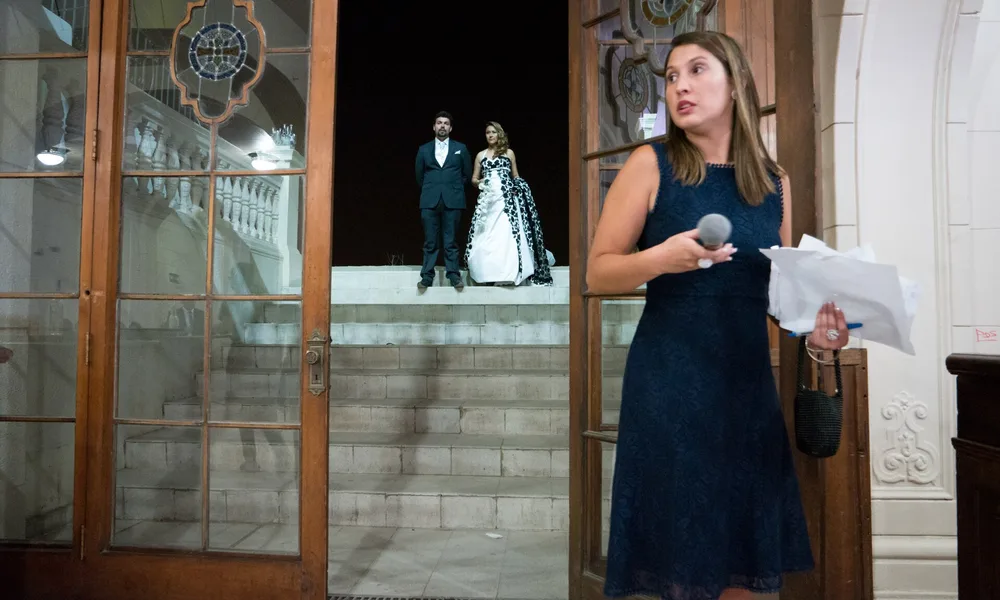
Comparison table: the worst wedding planners of 2026
| Rank | Planner type | Worst for | Watch out for |
|---|---|---|---|
| 1 | The vanishing planner | Any couple paying a deposit | Slow replies before you sign |
| 2 | The yes-to-everything planner | Couples with big ideas | No pushback, no trade-offs |
| 3 | The budget balloon | Couples on a fixed budget | Vague fees, supplier markups |
| 4 | The vendor dictator | Couples with their own suppliers | Banned suppliers, forced lists |
| 5 | The timeline optimist | Large weddings, many guests | No buffers, back-to-back timings |
| 6 | The spreadsheet-only planner | Unusual or outdoor venues | No site visit, no rehearsal |
| 7 | The day-of ghost | Every couple, on the day itself | Unnamed stand-in, early exit |
The worst wedding planners of 2026
1. The vanishing planner: the worst first sign
The vanishing planner is warm, quick and full of ideas right up until the deposit is paid, and then the messages slow to a trickle. Replies that once took an hour now take a week, and when they arrive they are short, vague and full of promises to send something soon. The couple is left chasing their own planner for the supplier list, the timeline and the budget update they have already paid for. Every decision is late, every supplier is booked in a rush, and the couple spends the months before the wedding doing the planner’s job. Slow replies before you sign mean slower replies after, so treat the first two weeks as the audition.
2. The yes-to-everything planner: the worst for big ideas
The yes-to-everything planner never says no, never warns you that a plan will not work, and never tells you that two ideas cannot both happen in one afternoon. Fireworks at sunset and a string quartet in the garden, a hundred guests and a tiny venue, a strict budget and a five-course dinner: all of it is fine, all of it is possible, and none of it has been costed. The problems arrive in the final month, when suppliers say what the planner should have said a year earlier. By then the deposits are paid and the couple is choosing which dream to drop. A good planner is honest early, even when the news is unwelcome, because a no in January is a gift and a no in the wedding week is a crisis.
3. The budget balloon: the worst for a fixed budget
The budget balloon starts with a number that sounds reassuringly low and then grows by a thousand here and a thousand there until the final bill bears no resemblance to the quote. The growth is rarely one big charge. It is a string of small ones: a markup on the flowers that was never mentioned, a delivery fee for the cake, an overtime charge for the planner’s own assistant, a travel fee for a venue twenty minutes away. The worst versions present supplier quotes without showing the supplier’s own price, so the couple never knows what is a real cost and what is a markup. Ask for every fee in writing, ask to see supplier quotes in full, and walk away from any planner who treats the budget as a private matter.
4. The vendor dictator: the worst for couples with their own suppliers
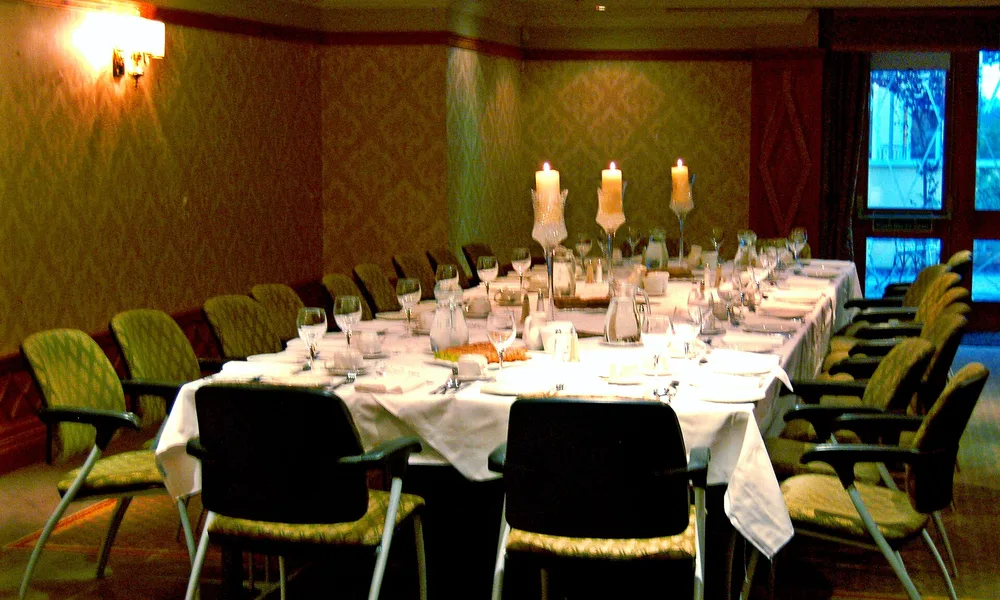
The vendor dictator has a list of approved suppliers and no interest in yours. Your photographer, the one whose work you love, is not on the list. Your family friend who bakes is not on the list. The band you booked before you hired the planner is, suddenly, a problem. The planner will say their suppliers are vetted and easier to manage, and sometimes that is true. But watch for the refusal: no discussion, no trial, no exception, and a contract clause that charges extra if you bring your own. Often the approved list is also a paid list, with the planner taking a fee from every supplier they push. A planner should manage your suppliers, not replace them, and one who will not work with the people you chose is working for someone else.
5. The timeline optimist: the worst for large weddings
The timeline optimist writes a schedule in which everything takes exactly as long as it should and nothing ever goes wrong. Hair and makeup for six people in ninety minutes, photographs in twenty, a hundred guests seated in ten, and dinner served the moment the speeches end. There are no buffers, no travel time between the ceremony and the reception, and no plan for rain or late guests. On the day, the schedule slips by fifteen minutes, then thirty, then an hour, and the evening turns into a rush from one late moment to the next. A realistic timeline has slack in it, and a planner who will not build slack in is planning a fantasy.
6. The spreadsheet-only planner: the worst for unusual venues
The spreadsheet-only planner is excellent on email and useless in the room. They have never visited your venue, never walked the route from the ceremony to the reception, never checked where the band sets up or where the cake is cut, and they have no plan to. Everything is managed from a desk: a shared document, a checklist, a series of video calls. It works until the day itself, when the room turns out smaller than the floor plan and the rain plan is a marquee that was never ordered. A planner who will not do a site visit and will not run a rehearsal is not planning your wedding; they are filing it.

7. The day-of ghost: the worst on the day itself
The day-of ghost is the planner who is not there. Sometimes they leave early, slipping away after the first dance while the evening is still running. Sometimes they never arrive at all, sending a junior assistant the couple has never met, or a freelancer who has not seen the timeline. Either way, the couple discovers on their wedding day that the person who knows the plan is gone, and the person in charge is reading the schedule for the first time. This is why the contract matters more than the brochure: get the name of the person who will be there on the day, get their arrival and departure times, and get a penalty if they are replaced without your agreement.
What to avoid when hiring a wedding planner
The most common regret is hiring one too quickly, on a single meeting and a glossy portfolio. Before you pay, check four things: how fast they reply over two weeks, not two days; whether every fee is written down, including markups and overtime; whether they will visit the venue and run a rehearsal; and who, by name, will be there on the day. Our guide to the worst wedding trends for guests shows how much a wedding can be spoiled by habits nobody stops, and a planner who will not stop them is not doing the job you paid for.
Checklist: hiring a wedding planner
- Test their replies for two weeks before you sign, and treat slow answers as a warning, not a busy spell.
- Get every fee in writing, including supplier markups, overtime, travel and the cost of an assistant.
- Ask to see full supplier quotes, not just the planner’s summary, so hidden markups cannot hide.
- Confirm a venue visit and a rehearsal are included, and get the dates before you pay the deposit.
- Get the name of the person who will run the day, their hours, and what happens if they are replaced.
- Speak to two couples they planned for last year, not just the testimonials on their website.
Frequently asked questions
How do I know if a wedding planner is bad before I hire them?
Watch their replies for two weeks. Slow, vague or evasive answers before you sign are the most reliable warning sign, because a planner is never more attentive than when trying to win your business.
Should a wedding planner take a fee from my suppliers?
Not without telling you. Commission from suppliers must be disclosed in writing. If a planner pushes one supplier and will not show you the supplier’s own quote, ask why.
What should a wedding planner’s contract include?
Every fee, the named person running the day, their hours, the venue visit and rehearsal, the cancellation terms, and what happens if the planner is replaced. If it is not in the contract, it is not agreed.
Is it normal for a planner to charge extra for overtime?
Yes, if agreed in advance. It is not normal for overtime, travel or an assistant to appear as a surprise on the final bill. Every extra charge should be in writing before the wedding, not after it.
Can I hire a planner just for the day itself?
Yes, and for many couples it is the best value. A day-of coordinator takes over a plan you have already made, but still needs a venue visit, a rehearsal and the full timeline in advance.
What do I do if my planner stops replying?
Write once, by email, setting a clear deadline for a reply and a meeting. If nothing comes, check the cancellation terms, gather every payment record, and start looking for a replacement immediately.
Bottom line
The worst wedding planners of 2026 fail in the same few ways: they vanish after the deposit, they say yes to everything, they let the budget balloon, they force their own suppliers, they write impossible timelines, they never visit the venue, or they are simply not there on the day. Check their replies, fees, venue visits and the name of the person running your day before you sign, and the planner you hire will make the wedding easier instead of becoming its biggest problem.