Finding the best cold brew coffee makers for beginners in 2026 is easier than most first-time brewers expect. Cold brew is one of the most forgiving ways to make coffee at home: mix coarse grounds with cool water, wait, and strain.
That simplicity is why cold brew is the go-to first brew method for so many coffee lovers. A good beginner maker keeps the process tidy, with a built-in filter and a carafe that goes straight into the fridge. The result is a smooth, naturally sweet concentrate that stays fresh for days and costs a fraction of cafe prices.
This guide rounds up the seven best cold brew coffee makers for beginners in 2026, from compact pitchers to larger systems for heavy iced-coffee households. Every pick is easy to use, easy to clean, and priced for a first brewer.
Key takeaways
- Cold brew is the most forgiving brew method, because cool water and a long steep hide small mistakes in grind and ratio.
- A built-in fine-mesh filter matters most, since it keeps grounds out of your cup and makes cleanup quick.
- Start with a coarse grind and a 1:8 coffee-to-water ratio, then steep for 12 to 16 hours.
- Most beginners do best with a 32-ounce pitcher, which makes about four servings.
- Glass and BPA-free plastic are easiest to clean, while stainless steel filters last longest.

What Is Cold Brew Coffee, Really?
Cold brew is coffee made by steeping grounds in cool or room-temperature water for 12 to 24 hours instead of brewing with heat. The slow extraction pulls out the sweet, chocolatey compounds while leaving behind many bitter, acidic ones, so the result tastes smoother and less sharp than hot coffee from the same beans.
Cold brew is not the same as iced coffee. Iced coffee is hot coffee poured over ice, so it keeps the bright acidity of a hot brew. Cold brew is a different drink, with a rounder flavour and a naturally sweet finish.
Why Beginners Love Cold Brew
Cold brew forgives almost everything a beginner might get wrong: uneven grinds and rough ratios still turn out drinkable after a long steep. One batch makes several servings, and the concentrate keeps in the fridge for up to two weeks. All you need is coarsely ground coffee, filtered water, and a strainer, though a scale and fresh beans help.
The 7 Best Cold Brew Coffee Makers for Beginners in 2026
These seven stood out for ease of use, reliable filters, sensible sizes, and fair prices.
1. Takeya Cold Brew Coffee Maker
The Takeya is the classic beginner pick. Its airtight 32-ounce pitcher has a fine-mesh filter that keeps grounds fully contained, so the coffee pours clean with no sediment. The BPA-free plastic body is light and shatterproof, the filter lifts out in one piece, and the pitcher goes in the dishwasher.
2. OXO Brew Compact Cold Brew Coffee Maker
The OXO Brew Compact suits beginners who want a little more control without complexity. Its rainmaker lid spreads water evenly over the grounds for an even extraction. The 32-ounce glass carafe fits a crowded fridge shelf and has markings showing exactly where the coffee and water should go.
3. Toddy Cold Brew System
The Toddy is the original cold brew system, and it is still the best option for big batches. It brews up to 48 ounces of concentrate, roughly two weeks of iced coffee for one person. The felt and paper filters produce an exceptionally clean cup with almost no sediment.
4. Hario Mizudashi Cold Brew Coffee Pot
The Hario Mizudashi is the most elegant beginner brewer on this list. Its slim 34-ounce glass pot has a mesh filter permanently attached to the lid, so there are no loose parts to lose or assemble. The glass needs careful handling, but it is simple, attractive, and easy to clean.
5. Bodum Cold Brew Coffee Maker
The Bodum is the budget-friendly option that still feels like a proper piece of kit. Its 51-ounce glass carafe and stainless steel mesh filter make a generous batch, sealed by a silicone lid. It is taller than most pitchers, so check your fridge shelf height first, but it offers the best capacity for the money here.
6. Primula Burke Cold Brew Coffee Maker
The Primula Burke is a smart pick for beginners on a tight budget. Its 50-ounce pitcher has a removable brew filter and a spout designed for one-handed serving, and the durable BPA-free plastic body survives a busy kitchen. It brews a smooth, low-acid concentrate that holds up well diluted with milk or water.
7. Mueller Cold Brew Coffee Maker
The Mueller is the best all-rounder for beginners who want a sturdy, no-fuss pitcher. Its 32-ounce glass carafe uses a stainless steel filter with a fine mesh that traps even small grounds, and the airtight lid keeps the concentrate fresh. The filter unscrews from the lid for easy rinsing.
Best Cold Brew Coffee Makers for Beginners 2026 Compared
Capacity matters most: a pitcher that is too big crowds the fridge, and one that is too small means brewing every other day. Filter type comes next, since a good filter separates a clean cup from a gritty one.
| Maker | Capacity | Filter | Body | Best For |
|---|---|---|---|---|
| Takeya Cold Brew Coffee Maker | 32 oz | Fine mesh | BPA-free plastic | Best overall for beginners |
| OXO Brew Compact | 32 oz | Fine mesh, rainmaker lid | Glass | Easiest measuring |
| Toddy Cold Brew System | 48 oz concentrate | Felt plus paper | Plastic | Biggest batches |
| Hario Mizudashi | 34 oz | Built-in mesh | Glass | Best design |
| Bodum Cold Brew | 51 oz | Stainless steel mesh | Glass | Best capacity value |
| Primula Burke | 50 oz | Removable mesh | BPA-free plastic | Best value |
| Mueller Cold Brew | 32 oz | Stainless steel mesh | Glass | Best all-rounder |
If you only need one recommendation, the Takeya is the safest starting point: affordable, forgiving, and sized right for one or two people. To see how these picks stack up against the wider field, our guide to the best cold brew coffee makers of 2026 covers the full range, including premium models.
How to Choose Your First Cold Brew Maker
Choosing a first cold brew maker comes down to three questions: how much coffee you drink, how much fridge space you have, and how much cleanup you will tolerate.
Size and Capacity
A 32-ounce pitcher makes about four 8-ounce servings, or twice that if you dilute concentrate. That is the sweet spot: it fits a standard fridge shelf and empties before the coffee goes stale. Larger 50-ounce pitchers suit households of three or more, so measure shelf height before ordering a tall carafe.
Filter Type
The filter decides how clean your coffee tastes. Fine-mesh stainless steel filters are the most durable and easiest to clean. Felt filters, like the Toddy’s, produce the cleanest cup but need replacing more often. Whatever filter your brewer uses, the golden rule is the same: grind coarse, since a fine grind slips through and leaves a muddy, bitter cup.
Material and Budget
Glass brewers look great and never hold flavours, but they need careful handling, while BPA-free plastic is lighter and shatterproof. Pick a brewer whose filter lifts out in one piece, since cleanup decides whether you keep using it. Most good beginner makers cost $25 to $60, and there is no need to spend more on a first brewer. Our roundup of cold brew coffee makers under $100 shows how much quality you can get on a budget.
How to Make Cold Brew for the First Time
Making your first batch takes about five minutes of hands-on work and a night of waiting, and the method is the same for almost every brewer on this list.
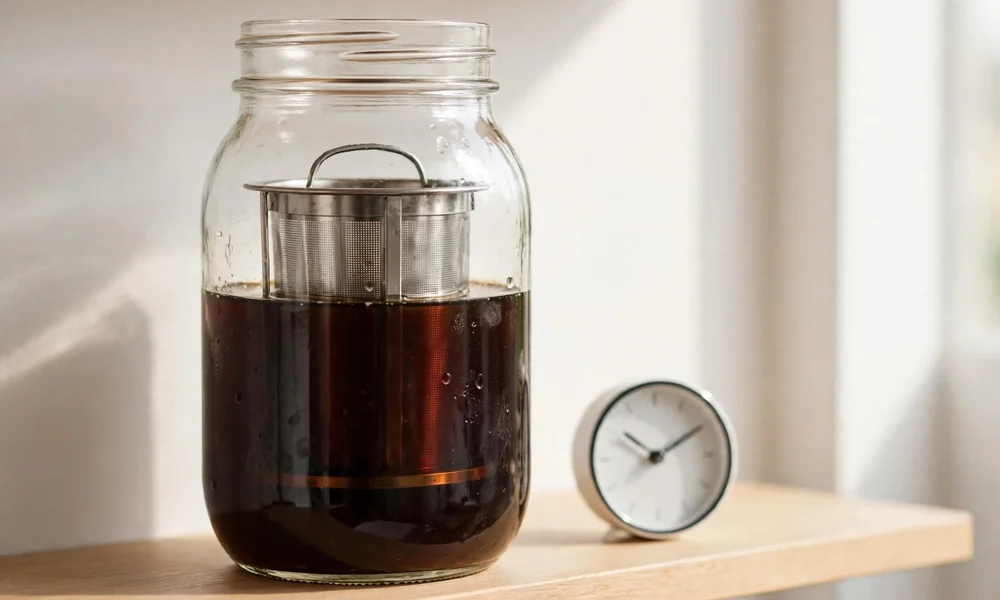
Add coarsely ground coffee to the filter basket at roughly one part coffee to eight parts water by weight: 80 grams of coffee to 640 millilitres of water is enough for a 32-ounce pitcher. Pour the water in slowly so every ground gets wet, seal the brewer, and leave it on the counter or in the fridge for 12 to 16 hours. Then lift out the filter and let it drain before discarding the grounds.
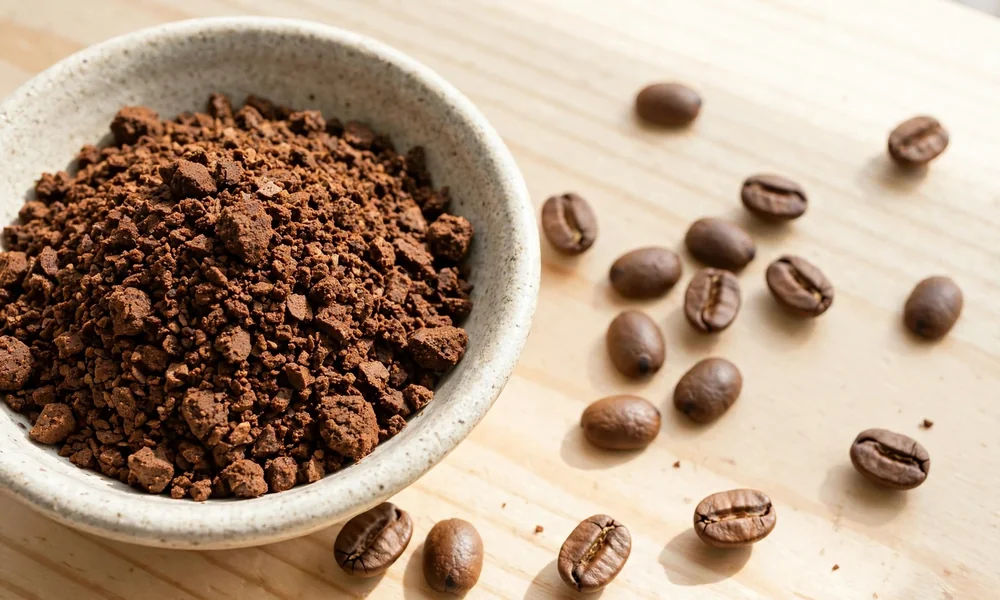
The grind makes or breaks the batch: coarse grounds should look like rough breadcrumbs, not sand. If the coffee tastes weak, steep it a couple of hours longer next time. If it tastes bitter or muddy, your grind was too fine or you steeped it too long.
Beginner Mistakes to Avoid
Most cold brew failures come from the same avoidable mistakes. First, a fine grind clogs filters and leaves sediment in every glass. Second, old or stale beans, so buy beans roasted within the last month. Third, impatience: cutting the steep short leaves a thin, sour cup. Fourth, forgetting to dilute concentrate, which is meant to be cut with water or milk. Finally, skipping filter cleaning, since old coffee oils go rancid and taint the next batch.
Cold Brew vs Other Beginner Brewing Methods
Cold brew is not the only easy way into home coffee. Pour over brewing gives you a brighter, more aromatic cup, but it demands a steady pouring hand and a bit of practice. French press is similarly simple, but leaves more sediment. Espresso machines make a stronger, richer drink, but they cost far more. Cold brew sits in the sweet spot: cheaper than espresso, easier than pour over, and cleaner than French press. If you enjoy hot brewing too, our guide to pour over coffee makers for beginners is a good next step once cold brew feels easy.
Beginner’s Checklist
- Pick a 32-ounce pitcher with a built-in fine-mesh filter.
- Buy freshly roasted beans and grind them coarse, like rough breadcrumbs.
- Use filtered water and a 1:8 coffee-to-water ratio for your first batch.
- Steep for 12 to 16 hours, then lift out the filter and let it drain fully.
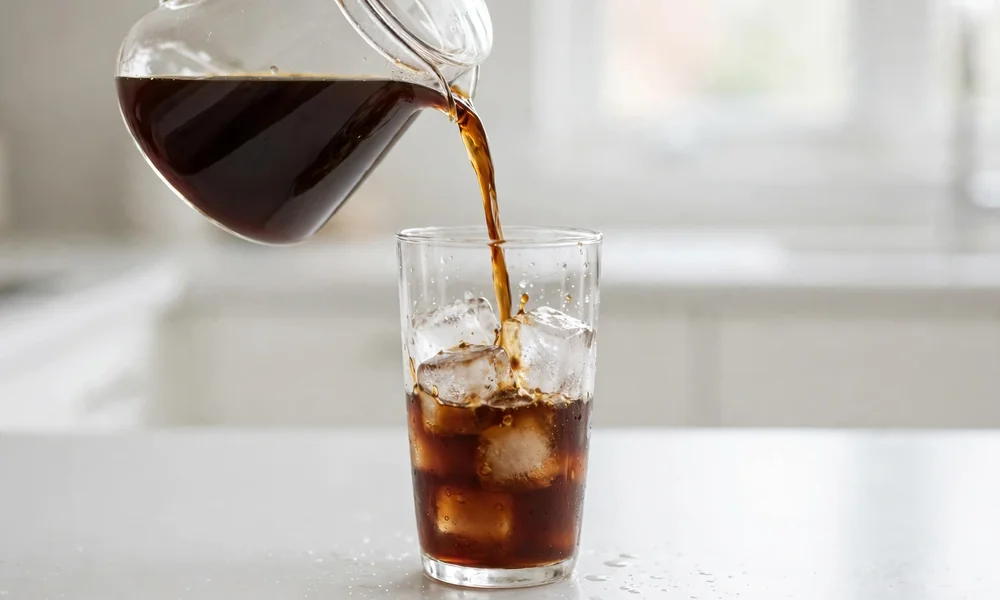
- Taste the concentrate before diluting, then add water or milk to taste.
- Rinse the filter after every batch and wash the carafe weekly.
Frequently Asked Questions
How long does cold brew take to make?
A standard batch takes 12 to 16 hours of steeping, plus about five minutes of preparation. Start a batch in the evening and strain it the next morning.
Can I use regular ground coffee for cold brew?
You can, but coarse ground coffee works much better. Regular drip grind slips through most mesh filters and leaves sediment. If you only have fine grounds, strain twice through a paper filter.
How long does cold brew last in the fridge?
Concentrate keeps up to two weeks sealed in the fridge, tasting best in the first seven days. Ready-to-drink cold brew stays fresh for about a week.
Is cold brew stronger than regular coffee?
Concentrate is stronger than a normal cup, because it uses more grounds per cup of water. Once diluted, it has roughly the same caffeine as regular coffee, just smoother.
Do I need a special coffee maker for cold brew?
No, any large jar with a strainer works, but a dedicated maker is much easier: the filter keeps grounds out, the pitcher pours neatly, and the lid keeps coffee fresh.
What is the best coffee-to-water ratio for beginners?
A 1:8 coffee-to-water ratio by weight is the best starting point: 80 grams of coffee to 640 millilitres of water for a 32-ounce pitcher. Add more coffee for a stronger brew, or more water for a lighter one.
The Bottom Line
The best cold brew coffee makers for beginners in 2026 make great iced coffee almost effortless, and the Takeya remains the smartest first buy for most people. It is affordable, forgiving, and sized right for everyday use. Pick a brewer that fits your fridge and your habits, start with a coarse grind and a 12-hour steep, and let the slow brew do the work.


