Pour over coffee has a reputation for being fussy and reserved for serious coffee people, but the truth is simpler. The best pour over coffee makers for beginners are little more than a cone, a filter and a mug. If you can boil water and count to thirty, you can make a cup that tastes noticeably cleaner than a pod machine produces.
What makes pour over so appealing is control: you decide how much coffee goes in, how hot the water is and how slowly it flows. That sounds like a lot to learn, but one simple recipe covers every dripper here, and once you have brewed it twice, your hands remember the rhythm.
This guide rounds up the six best pour over coffee makers for beginners in 2026, from the classic cone to forgiving flat-bottom designs that practically brew themselves.
Key takeaways
- Start with a forgiving dripper such as the Kalita Wave.
- A medium grind, like coarse sand, and water just off the boil matter most.
- Use a 1:16 ratio: 15 grams of coffee to 250 grams of water for one mug.
- A gooseneck kettle helps, but a regular kettle still makes a very good cup.
- Paper filters give a cleaner cup; metal filters keep more body and oils.

What Is Pour Over Coffee and Why Beginners Love It
Pour over coffee is exactly what it sounds like: hot water poured by hand over ground coffee in a filter, dripping into a carafe or mug below. There is no machine, no pump and no timer. The dripper simply holds the filter at the right angle while gravity and your pouring speed do the rest.
The result is a remarkably clean cup: paper filters trap fine sediment and much of the oil, so the flavours of the bean come through clearly. A good dripper costs less than a week of café coffee, has no parts to break and washes in seconds. If you prefer a richer, heavier brew, the best French press coffee makers are another excellent first step.
How We Chose the Best Pour Over Coffee Makers for Beginners
We judged every dripper by what matters to a first-time brewer. Forgiveness came first: a beginner-friendly dripper should still make a decent cup when the pour is uneven or the grind is slightly off. Flat-bottom designs score well here; steep cones demand more precision.
We also weighed ease of use, cleaning and price. A wide base that sits securely on a mug is safer than one that wobbles, and plastic is light, cheap and nearly indestructible, while ceramic and glass look better but can chip. We noted whether each brewer uses paper filters or a reusable metal one, and we favoured one-to-two-cup brewers.
The Best Pour Over Coffee Makers for Beginners in 2026
These six brewers cover every kind of beginner. Our full roundup of the best pour over coffee makers compares more models, but the six below are the ones we would hand to a friend who is just starting out.
1. Hario V60 02: Best Overall
The Hario V60 is the most famous pour over dripper in the world, and it earns that fame. Its steep cone, large hole and spiral ribs let water flow quickly, giving a bright, clean cup. The 02 size brews one to four cups. It rewards a little technique, since a fast pour can under-extract the coffee, so pour slowly in circles. The plastic version is cheap and light.
2. Chemex Classic 6-Cup: Best for Groups
The Chemex is the most beautiful brewer here and one of the easiest to use well. A single piece of hourglass-shaped glass with a wooden collar, it doubles as dripper and carafe. Its thick paper filters trap more sediment and oil than any other, producing an exceptionally clean, tea-like cup. The 6-cup size brews around 30 ounces, enough for two or three mugs. Use a coarse grind, since the thick filters slow the drawdown.
3. Kalita Wave 185: Most Forgiving
If you want the easiest possible first pour over, buy the Kalita Wave. Its flat bottom and three small holes restrict the water flow, so the coffee bed stays evenly saturated even when your pouring is uneven. That makes it the most forgiving dripper a beginner can own. The Wave brews one to two cups and produces a sweet, balanced cup with more body than the V60. The stainless steel version is practically indestructible.
4. Melitta Pour-Over: Best Budget
The Melitta pour-over is the cheapest way into manual brewing. A simple plastic cone that sits directly on a mug, it uses standard basket filters from any supermarket and costs less than a single café latte. The cup is clean and pleasant, if not quite as bright as a V60, and its small hole slows the flow, forgiving a fast pour. If you are unsure pour over is for you, this is the zero-risk way to find out.
5. OXO Brew Single Serve Pour Over: Best Single Cup
The OXO Brew Single Serve is designed for one person and one mug. The dripper sits directly on your cup, and a clever auto-drip tank controls the water flow for you: fill the tank, and it releases water slowly and evenly over the grounds. That takes the hardest skill, the pour itself, almost entirely out of your hands. It brews about 12 ounces and uses standard paper cone filters: great coffee with minimal fuss.
6. Clever Dripper: Easiest to Learn
The Clever Dripper looks like a pour over cone, but it brews like an immersion brewer. Add coffee and water, let it steep for three minutes, then set it on your mug. A valve at the bottom opens and the coffee drains through, giving you the clean taste of pour over with the forgiveness of a French press. There is no pouring technique to learn, and the cup is sweet and balanced every time.
Pour Over Coffee Makers Compared
| Brewer | Best For | Serves | Filter Type | Price Range |
|---|---|---|---|---|
| Hario V60 02 | Best overall | 1–4 cups | Paper cone | Under $25 |
| Chemex Classic 6-Cup | Groups | 2–3 mugs | Thick paper | $40 to $50 |
| Kalita Wave 185 | Most forgiving | 1–2 cups | Wave paper | $25 to $40 |
| Melitta Pour-Over | Budget | 1 cup | Paper basket | Under $10 |
| OXO Brew Single Serve | Single cup | 1 mug | Paper cone | $15 to $25 |
| Clever Dripper | Easiest to learn | 1–2 cups | Paper cone | $20 to $30 |
How to Brew Pour Over Coffee: A Beginner’s Step-by-Step
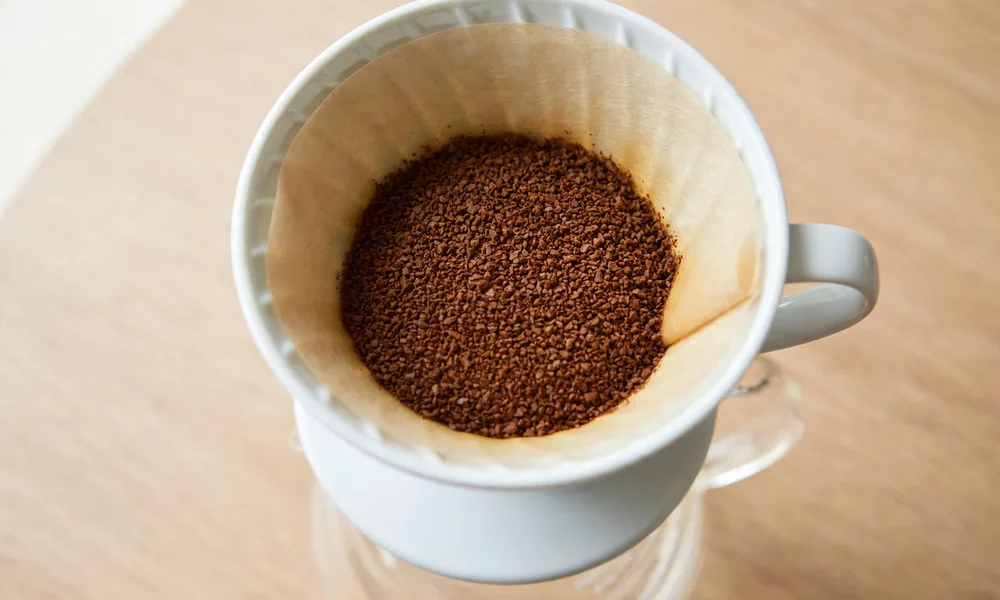
Every dripper here works with the same basic recipe. Heat fresh water to just off the boil, around 200 degrees Fahrenheit. While the water heats, grind 15 grams of coffee to a medium consistency like coarse sand.
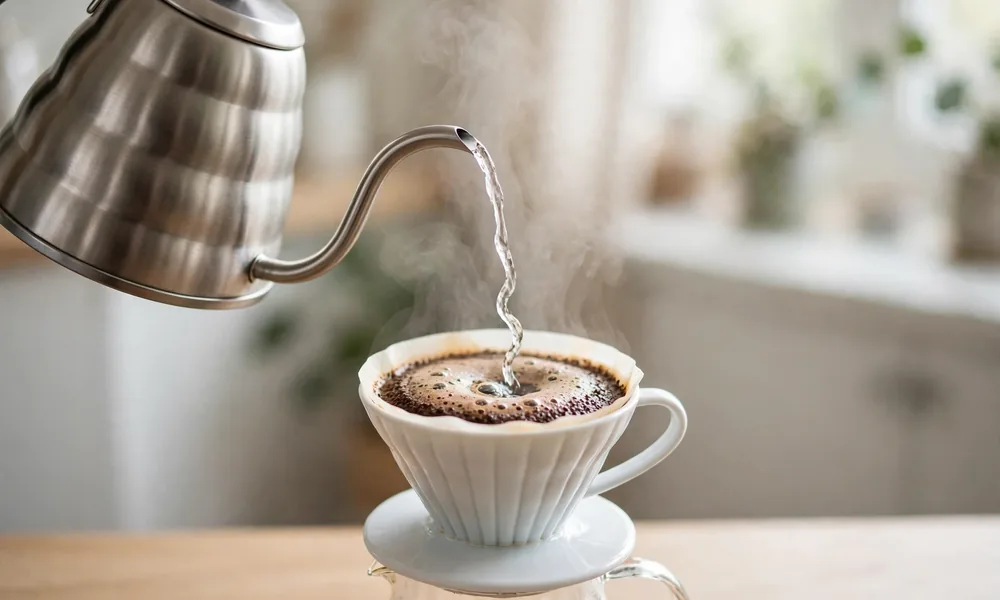
Rinse the filter with hot water and discard it. This removes any papery taste and warms the brewer. Add the grounds, level the bed and set the dripper over your mug. Pour just enough water to wet all the grounds, about twice their weight, then wait thirty seconds. This step, called the bloom, lets trapped gas escape so the water extracts flavour evenly.
After the bloom, pour the remaining water in slow, steady circles, keeping the stream gentle and the level below the rim. Finish pouring by one minute thirty seconds, with the coffee done dripping by three minutes. If the brew runs much faster, grind finer next time; if it stalls past four minutes, grind coarser.
What Else You Need to Start Pour Over Coffee
A dripper alone is not quite the whole kit, but the extras are simple. A gooseneck kettle is worth the upgrade, since its narrow spout gives the slow, controlled pour pour over rewards. A regular kettle still works well, especially with a forgiving dripper like the Kalita Wave.
Fresh beans matter more than any piece of gear. Buy whole beans and grind them just before brewing if you can. A burr grinder gives the even particle size pour over needs, and our guide to the best coffee grinders for home covers affordable options. Pre-ground coffee is fine for your first week, but a grinder is the single upgrade that improves your cup the most. You will also want paper filters, a mug and, ideally, a kitchen scale.

Common Beginner Mistakes to Avoid
The most common beginner mistake is water that is too cool. Water from a kettle that has sat for five minutes will under-extract the coffee, leaving it sour and thin. Use water just off the boil, and rinse your filter with hot water first.
The second mistake is grinding too fine. A fine, espresso-like grind will choke the filter, stall the drawdown and produce a bitter, muddy cup. If your brew takes longer than four minutes to drain, go coarser.
Other easy errors include pouring all the water in at once, which floods the bed and extracts unevenly, and skipping the bloom, which leaves the flavour flat. Finally, do not judge a new dripper on stale beans: old, pre-ground coffee tastes dull in even the best brewer.
Beginner’s Checklist
- Choose a forgiving dripper: Kalita Wave, Clever Dripper or Hario V60.
- Buy fresh whole beans; grind medium, like coarse sand, just before brewing.
- Weigh 15 grams of coffee and 250 grams of water for one mug, a 1:16 ratio.
- Heat water to just off the boil and rinse the paper filter before adding grounds.
- Bloom the grounds for 30 seconds, then pour in slow circles until 1:30.
- Let it finish dripping by three minutes, then adjust one variable at a time.
Frequently Asked Questions
How much coffee should I use for pour over?
Start with a 1:16 ratio: 15 grams of coffee to 250 grams of water for one mug, or 30 grams to 500 grams for two. Two level tablespoons per mug works if you have no scale.
What grind size is best for pour over coffee?
Use a medium grind, like coarse sand or raw sugar. Finer grinds can make the coffee bitter, while coarser grinds leave the cup sour and weak. Aim for a three-minute drawdown.
Do I need a gooseneck kettle for pour over?
No, but it helps: a gooseneck kettle gives a slow, precise stream that makes even pouring easy. A regular kettle works fine, especially with forgiving drippers like the Kalita Wave, so start with what you have.
Are paper or metal filters better for beginners?
Paper filters are the better starting point: a cleaner cup, easy to dispose of with the grounds. Metal filters are reusable and give a fuller-bodied cup, but they let some sediment through and need thorough cleaning.
How long should a pour over brew take?
About three minutes from the first pour to the last drip, including a 30-second bloom. Under two minutes, grind finer or pour more slowly; over four minutes, grind coarser.
Can I use regular pre-ground coffee for pour over?
Yes, standard pre-ground coffee for drip machines works well enough for your first brews. For the best flavour, switch to whole beans and a burr grinder as soon as you can: freshly ground coffee tastes noticeably brighter and sweeter.
The Bottom Line
The best pour over coffee maker for beginners is the one you will actually use every morning: the Hario V60 for versatility, the Kalita Wave for forgiveness or the Clever Dripper for sheer ease. Any of the six brewers here will beat a pod machine, and all cost less than a month of café coffee. Pick one, buy fresh beans and follow the simple recipe.