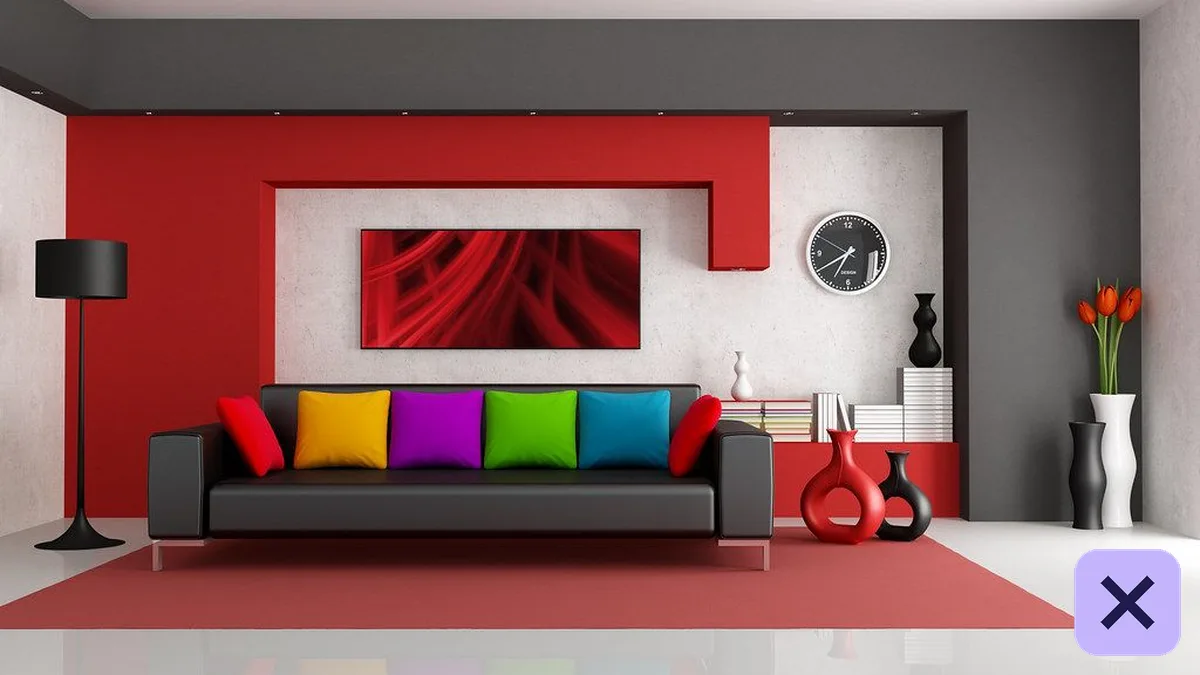
Choosing wall art that fits your home in 2026 is less about finding a beautiful picture and more about finding the right picture for the wall in front of you. A print you love in the shop can look lost above a wide sofa or clash with the colours you already live with.
Wall art is the fastest way to change how a room feels. This guide covers the types that work best at home, how to size them, how to match colours and style, and how to hang them so they look like they belong.
Key Takeaways
- Size matters more than subject: art should span roughly two-thirds of the width of the furniture below it.
- Hang art at eye level, with the centre about 145 to 150 centimetres from the floor.
- Match the art to the room: repeat one or two colours already in the cushions, rug, or curtains.
- Canvas suits relaxed rooms, framed prints suit formal ones, and originals are worth it where you see them daily.
- Avoid the classic mistakes: pieces too small, hung too high, or bought to match a trend.
How We Judged Wall Art
Wall art earns its place by making a room feel finished. First, fit: does the piece suit the wall and the furniture beneath it? Second, quality: is the print sharp, are the colours true, and is the frame or canvas well made? We also weighed versatility, value, and how easy each type is to live with: weight, fixings, glare, and how it copes with sunlight and steam.
The Main Types of Wall Art
The right type depends on the room, the wall, and how much you want to spend.
Canvas prints
Canvas prints are photographs or artworks printed onto stretched canvas, with no glass and no frame. They look relaxed and modern, and they suit living rooms and bedrooms where you want colour without formality. A large canvas above a sofa can anchor a whole room, and with no glass there is no glare. The trade-off is that canvas is harder to clean and cheap prints can fade in sun.
Framed prints and posters
Framed prints are the most flexible type of wall art. The same print looks different in a slim black frame, a pale oak one, or a wide white mount, so you can tune it to the room. Posters are the cheapest way to fill a large wall, and a good frame lifts them from student flat to grown-up home.
Original paintings
Original paintings carry a texture no print can match, because you can see the brushwork and the layers of paint. They are the most expensive option, and they make most sense where you spend the most time. Buy originals from local artists and small galleries rather than shops selling mass-produced “originals” that are really prints with a few brushstrokes added on top.
Photography prints
Photography prints suit calm, uncluttered homes. A single large black-and-white landscape can hold a wall without shouting, and prints from your own travels are more personal than anything bought off a shelf. If you want to print your own photographs, our guide to photo printers that turn phone photos into keepsakes covers the printers that produce prints good enough to frame.
Metal and wood wall art
Metal and wood pieces add texture where a flat print cannot. A laser-cut metal panel or a carved wooden relief brings shadows and depth to a plain wall, and they suit hallways and dining rooms that need interest without colour. They are heavier than prints, so they need proper fixings.
Tapestries and textile art
Tapestries and woven hangings suit bedrooms and relaxed living rooms, where they soften hard walls and absorb a little sound. They are light and easy to hang, but fabric fades in direct sun and holds dust, so keep textiles away from sunny windows and steamy bathrooms.

Wall Art Compared
| Type | Cost | Best room | Upkeep | Best for |
|---|---|---|---|---|
| Canvas print | Low to medium | Living room, bedroom | Dust lightly, avoid sun | Colour without glare |
| Framed print | Low to high | Any room | Wipe glass | Flexibility, protection |
| Original painting | High | Living room, study | Keep dry, avoid sun | Texture, character |
| Photography print | Low to medium | Hallway, bedroom | Wipe glass | Calm, personal walls |
| Metal or wood art | Medium to high | Hallway, dining room | Dust crevices | Texture and depth |
| Tapestry | Low to medium | Bedroom, living room | Vacuum gently | Warmth, softness |
Getting the Size Right
Size is where most wall art goes wrong, and it is the easiest thing to fix before you spend anything. The rule that works in almost every room is the two-thirds rule: the art should span about two-thirds of the width of the furniture below it. Above a 180-centimetre sofa, that means art about 120 centimetres wide, as one large piece or a pair.
On a bare wall, judge the piece against the wall itself. A small print on a large empty wall looks lost, while a piece covering about half the wall’s width looks deliberate. If you cannot afford one large piece, a group of smaller pieces hung close together reads as one larger piece. Before you buy, cut the shape out of newspaper and tape it to the wall for a day.
Choosing Colours and Style
Look at the room first and the art second. Pick up one or two colours already in the room, in the cushions, the rug, or the curtains, and find art that repeats them. The piece does not need to match exactly; it needs to belong to the same family.
Style is a matter of honesty about how you live. A formal oil landscape looks out of place in a bright, modern flat, just as a bold abstract looks wrong in a traditional room. If your home is a mix, choose art that bridges the gap: a contemporary print in a traditional wooden frame, or a classic subject in modern colours. Do not buy art to match a trend; buy the piece you keep coming back to.
Framing and Mounting
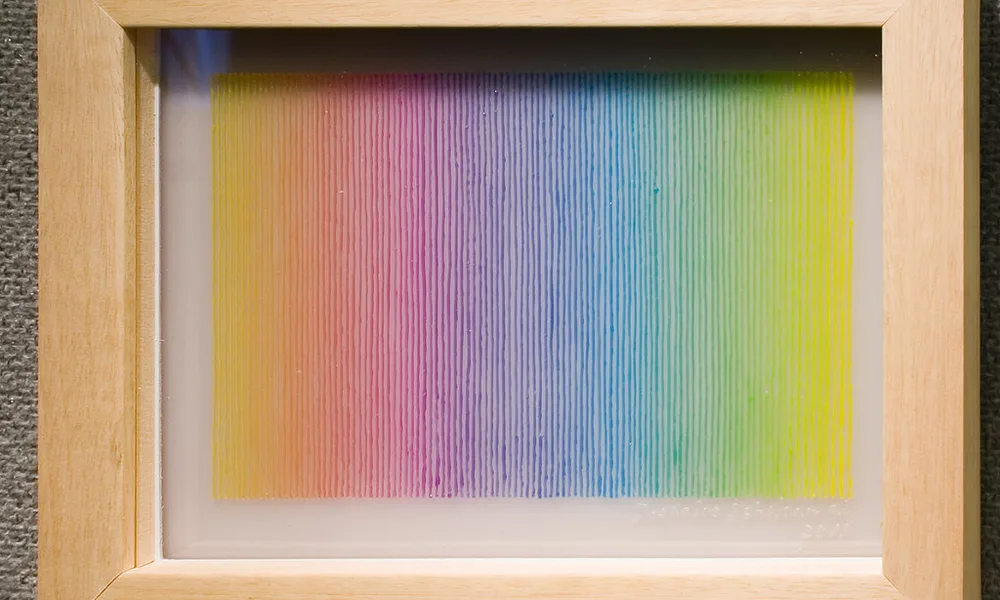
A frame decides how a picture is read. A slim black frame makes a print look sharp and modern, a pale oak frame warms it up, and a wide white mount gives a small print room to breathe.
Glass matters more than most people expect. Ordinary glass reflects the room, so in a bright room you will see yourself more than the picture. Low-reflection glass costs more but is worth it opposite a window, and acrylic is lighter and safer above a bed. If you are framing photographs, our comparison of the best and worst photo frames of 2026 covers glazing, backs, and corners in detail. A good frame protects the print for decades; a cheap one can damage it within a year.
Where to Hang It: Room by Room
The living room is where the largest piece belongs, usually above the sofa or the fireplace. Keep it about 15 to 20 centimetres above the back of the furniture, and resist the urge to fill every wall. The bedroom suits calmer art: soft colours, simple subjects, nothing that demands attention. A piece above the bed should be no wider than the bed itself, and heavy frames need proper wall plugs and screws.
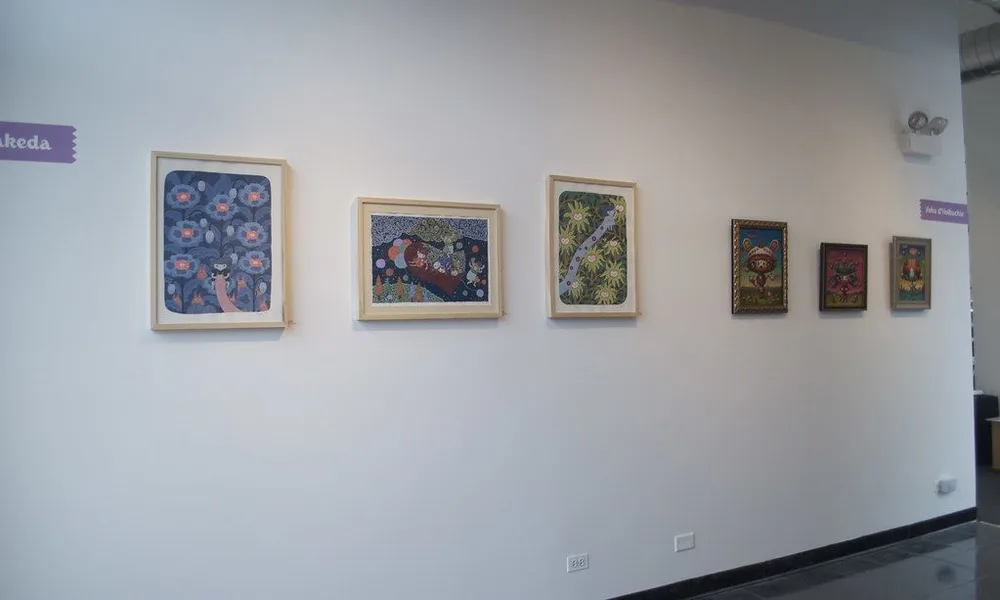
Hallways and staircases are the best place for a gallery wall, because you pass through them rather than sitting and staring. Hang smaller pieces at eye level and let the collection grow. Kitchens and dining rooms suit art that can cope with steam and splashes: canvas or acrylic-covered prints rather than open paper, hung away from the hob. A mirror can work better than art in a small, dark dining room, because it bounces light around, and our guide to the best mirrors for small rooms and dark hallways covers the sizes and shapes that open a room up.
Hanging It Properly
Good hanging starts with the right fixing. A picture hook or a wall plug and screw matched to the weight will hold it for years; a drawing pin or a sticky hook will not, and the fall will damage the frame and the wall. For heavy pieces, use two fixings spread apart rather than one in the middle, which also stops the picture tilting.
Hang the centre of the piece at eye level, about 145 to 150 centimetres from the floor, and a little higher above furniture. Above a sofa or a sideboard, leave 15 to 20 centimetres between the top of the furniture and the bottom of the frame. For a group, plan the layout on the floor first, keep gaps even at 5 to 8 centimetres, and align the tops or the centres.
Mistakes That Make Wall Art Look Wrong
The most common mistake is buying too small. A tiny print above a wide sofa looks like a postage stamp, and no framing will fix it. If the budget only stretches to a small piece, hang it in a small space, in a hallway or beside a window. The second mistake is hanging art too high: pictures near the ceiling are impossible to enjoy from a chair, and eye level is lower than most people think, so measure it. The third mistake is a matching set that all says the same thing; three identical seascapes look like a hotel corridor, so mix subjects, sizes, and frames within one colour family. Finally, do not hang art you do not like just to fill a gap. A bare wall is better than a picture you resent.
Checklist: Choosing Your Wall Art
- Measure the wall and the furniture below it, and use the two-thirds rule for the width.
- Cut the shape out of newspaper and tape it to the wall for a day before you buy.
- Pick up one or two colours already in the room, and choose art that repeats them.
- Choose the type for the room: canvas for relaxed spaces, framed prints for flexibility, textiles for warmth.
- Check the frame, mount, and glazing before you pay, and use fixings matched to the weight.
- Hang the centre at eye level, about 145 to 150 centimetres from the floor.
Frequently Asked Questions
How big should wall art be above a sofa?
About two-thirds of the sofa’s width. Above a 180-centimetre sofa, aim for art around 120 centimetres wide, as one large piece or a group, hung 15 to 20 centimetres above the back of the sofa.
How high should I hang wall art?
With the centre about 145 to 150 centimetres from the floor, which is eye level for most people. Above furniture, hang it 15 to 20 centimetres above the top of the piece.
Should wall art match the sofa or the cushions?
It should pick up colours already in the room rather than match anything exactly. Choose one or two colours from the cushions or rug and find art that repeats them.
Is a canvas print or a framed print better?
Canvas suits relaxed rooms and large pieces, because there is no glass to reflect light, while framed prints are more flexible and better protected.
Can I hang wall art in a bathroom or kitchen?
Yes, if you choose the right type. Use canvas, acrylic-covered prints, or metal art, away from steam and splashes. Paper prints behind ordinary glass will warp in damp rooms.
How do I hang a gallery wall without it looking messy?
Plan it on the floor first, keep gaps even at 5 to 8 centimetres, and align the tops or the centres. Start with the largest piece at eye level, then build outwards within one colour family.
The Bottom Line
The best wall art for your home in 2026 is the piece that fits the wall, repeats the room’s colours, and makes you glad every time you see it: a canvas print for a relaxed living room, a framed print for flexibility, or an original painting where you will look at it daily. Measure first, hang it at eye level, and buy the piece you keep coming back to.


