
A photo frame is the smallest piece of furniture in a room, and one of the most personal. It holds the photograph of a wedding day, a first baby, a grandparent long gone, or a holiday that still makes you smile, and it puts that memory where you see it every day. When the frame is good, the photograph looks better than it did on your phone: the colours stay true, the glass stays clear, and the frame itself sits quietly in the background, letting the picture do the talking. When the frame is bad, it fights the photograph.
This comparison puts the best photo frames of 2026 head to head against the worst, judging them the way you would actually live with them: how well they protect the print, how clearly you can see the photograph, how solidly they stand or hang, and whether they still look good after a year or two on display. A frame shares the shelf with the rest of your home, and like the bookshelves that make small rooms feel bigger, it can make a room feel warm and lived in, or it can make the whole shelf look cheap and careless.
Key Takeaways
- Judge a photo frame by its glazing first, because real glass stays clear for years while thin plastic clouds, scratches and yellows.
- A solid back and a proper stand or hanging bracket decide whether a frame stays upright, since a weak easel collapses and a thin hook lets it slide.
- Real wood and metal age well, while thin plastic warps, gaps at the corners and looks tired within months.
- The right size and mount matter: a print with room to breathe looks far better than one crammed edge to edge in a frame that is too small.
- The worst frames are flimsy, cloudy and crooked, with corners that split, backs that fall off and glazing that hides the photograph.
What Makes a Great Photo Frame
A great photo frame starts with its glazing, the clear layer that sits between the photograph and the room. The best frames use real glass, which stays crystal clear, resists scratches, and protects the print from dust and damp. Good glass also has very little glare, so you can see the photograph from the sofa instead of seeing your own reflection. Cheap frames use thin acrylic or plastic sheeting, which looks fine on the first day and then clouds, scratches and yellows, until the photograph behind it looks like it was taken through fog.

The back of the frame is the second thing that separates the best from the worst. A good frame has a stiff, solid backboard that holds the print flat, with metal clips or turn buttons that grip firmly and do not work loose. The easel stand, if there is one, is wide and strong enough to hold the frame upright on a shelf, and the hanging bracket is a proper metal loop or sawtooth that grips the nail. Cheap frames have thin cardboard backs that bow, plastic tabs that snap, and stands so narrow that the frame topples at the slightest nudge.
The Best Photo Frames of 2026
The best photo frames of 2026 are the ones you forget about in the best way. They hold the print flat, keep the glass clear, and stand or hang straight for years. They are not always the most expensive frames, but they are always the ones made with care: solid materials, a dependable back, and a design that serves the photograph rather than competing with it.
Real Glass That Stays Clear
The first thing you notice about a great frame is how little stands between you and the photograph. Real glass is clear, hard and easy to clean, and it keeps dust, damp and curious fingers away from the print. The best frames use glass with a low reflection, so the photograph is visible from across the room even in bright daylight, and the colours stay true rather than looking washed out. A good frame also seals the print properly, so the edges do not curl and the paper does not fade.
Corners That Stay Tight and True
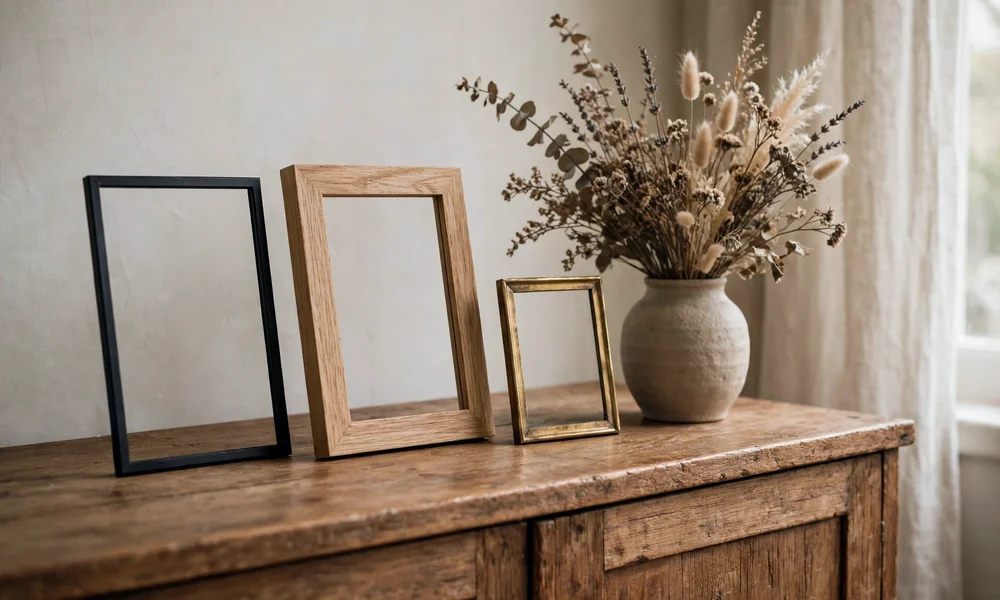
The best frames are joined properly, with corners that meet cleanly and stay tight year after year. A solid wood frame is mitred and glued, sometimes pinned as well, so the corners never gap or split. A good metal frame uses proper corner brackets that hold the sides square, so the frame hangs straight and the print sits evenly inside it.
Materials That Age Gracefully
Solid wood, brushed metal and brass are the materials that make a frame look better with age rather than worse. A wooden frame gains a warm patina, a black metal frame keeps its clean lines, and a brass frame develops a gentle softness that suits older photographs. These materials also give the frame enough weight to stand firmly, which matters more than most people realise. Like the best vs worst coffee tables, a frame in honest materials anchors the room and makes everything around it look more considered.
A Mount That Lets the Photograph Breathe
The best frames give the photograph room to breathe. A mount, the pale border of card around the print, stops the photograph touching the glass and gives the eye somewhere to rest before it reaches the image. A good mount is cut cleanly, in a warm white or soft cream that suits the photograph, and it is wide enough to make a small print feel important rather than lost. Frames sold with a proper mount are almost always better made than frames sold without one, because the maker has thought about how a photograph should be displayed rather than just how a frame should look.
The Worst Photo Frames of 2026
The worst photo frames of 2026 look acceptable in the shop and disappointing at home. The glazing clouds, the corners gap, the back falls off, and the frame leans crooked on the shelf until it finally slides to the floor. The faults are rarely dramatic on their own, but they add up: a frame you cannot see through, cannot trust upright and cannot keep straight is a frame that hides your photograph instead of showing it.
Cloudy Plastic Instead of Glass
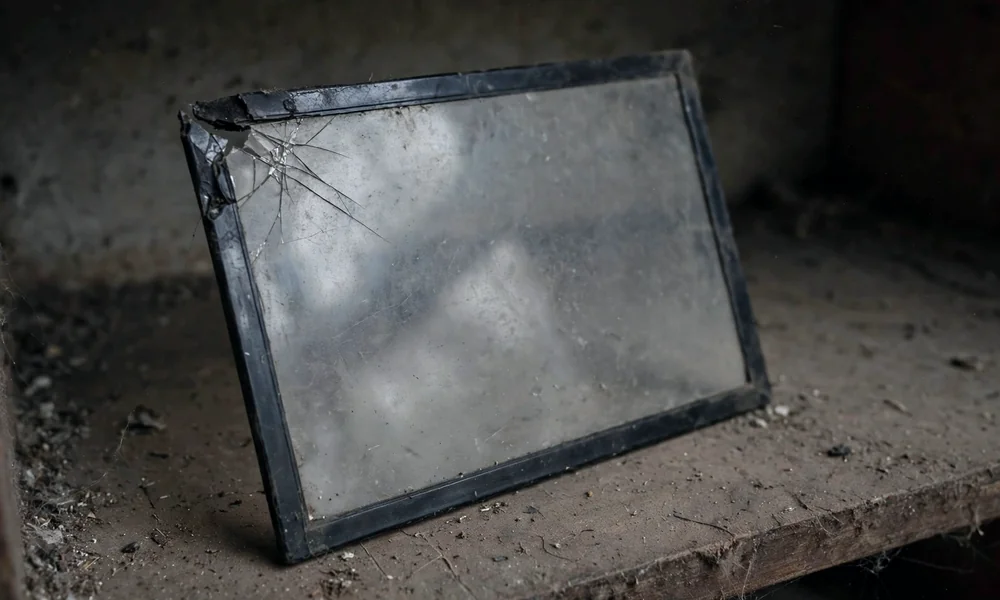
The worst frames use thin plastic sheeting where glass should be. It scratches the first time you wipe it, it clouds within months, and in a sunny room it yellows until the photograph behind it looks faded and tired. Some plastic fronts also build up static, which attracts dust to the inside of the frame where you cannot reach it. The result is a photograph that looks worse every month, even though the print itself is perfectly fine.
Backs That Bow and Tabs That Snap
Bad frames have backs made of thin cardboard that bows within weeks, letting the print curl and the dust in. The clips are flimsy plastic tabs that snap off the first time you change a photograph, and the easel stand is a narrow strip of card that folds flat under the weight of the frame. These frames topple on shelves, slide off mantelpieces, and drop photographs on the floor.
Corners That Gap and Split
The worst frames are joined badly, with corners that gap from the day you buy them and split wider with every change of season. Thin plastic frames are the worst offenders: the corners are moulded, not joined, and they crack along the seam when the frame is knocked or the room gets warm. Cheap wooden frames are little better, with corners held by a dab of glue that gives up within a year.
Frames That Never Sit Straight
Cheap frames are the worst of the lot when it comes to staying put. The hanging bracket is a thin wire loop or a plastic tab that bends under the weight, so the frame slides sideways on its nail and hangs crooked. The easel stand is too narrow or too short, so the frame leans back at a strange angle or topples forward onto its face. Some frames are not even square, so they look tilted even when the bracket is level, and no amount of adjusting will fix them. A frame that never sits straight draws the eye for all the wrong reasons, and it makes the whole wall or shelf look careless.
The Verdict: Best vs Worst Side by Side
Put the two sides together and the gap is clear. The best frames protect the print behind real glass, hold it flat with a solid back, and stand or hang straight for years. The worst hide the photograph behind cloudy plastic, drop it with weak backs, and lean crooked on flimsy stands. The difference is not about luxury or brand names; it is about the glazing, the back, and the materials. A mid-priced frame with real glass, a solid back and a proper mount beats a drawer full of cheap plastic frames every single time, and it will still be showing your photograph clearly when the cheap ones have been thrown away.
Who Each Frame Is For
Family photographs belong in solid wood frames with real glass and a proper mount, because those are the prints you will look at for decades and want to protect. Small prints and desk photographs suit a sturdy standing frame with a wide easel, placed where you see it every day. Gallery walls suit a set of matching frames in one material, hung in a neat grid, and like the sofa that survives real life, a matching set above a sofa makes the whole living room feel pulled together. Large prints need a deep, rigid frame with strong hanging brackets, and a small frame on a large wall looks lost whatever the photograph. Children’s artwork suits simple, affordable frames that you can change often, but even there a real glass front beats plastic that clouds. Nobody benefits from a thin plastic frame, whatever the price: it is the one type that is worse than having no frame at all.
How to Display and Care for Your Frames
Hang frames at eye level where you look at them most, usually with the centre of the frame about 150 centimetres from the floor, and a little higher above a sofa or a sideboard. Use a proper picture hook or a wall plug and screw matched to the weight, never a drawing pin or a sticky hook, and check with a spirit level before you let go. Keep frames out of direct sunlight where you can, since sun fades prints and warps plastic, and keep them away from steamy bathrooms and damp walls. Clean the glass with a dry cloth or a little glass cleaner sprayed on the cloth, never on the frame, so liquid cannot seep behind the glass. If the print starts to curl, take the frame apart, flatten the print under a heavy book overnight, and check that the backboard is still stiff; if it has bowed, replace it with a piece of acid-free board cut to size.
A good photo frame is a quiet little victory: it protects a memory, shows it at its best, and asks for almost nothing in return.


