
An alarm clock has one of the simplest jobs in the house, and one of the easiest to get wrong. It has to wake you up at the right time, every time, in a way that leaves you ready for the day rather than jolted out of deep sleep. Yet most of us have a story about the morning it failed: the alarm that never went off, the one that went off at the wrong time, the buzzer so harsh it ruined the first hour of the day, or the phone alarm that died with the phone battery overnight.
The best alarm clocks of 2026 do their job so quietly that you barely think about them. They wake you gently, keep working when the power blips, are easy to set without a manual, and do not light up your bedroom all night. The worst look clever in a listing and then fail on the details that matter at 6 a.m.: a buzzer like a fire drill, a display so bright it ruins your sleep, buttons so small you cannot find the snooze in the dark, or a clock that loses time and drifts later every week. This comparison separates the clocks that start your day well from the ones that start it badly.
Key Takeaways
- The best alarm clocks wake you gently, with a sound that builds gradually rather than a buzzer that jolts you awake.
- A sunrise or light-based alarm is the kindest way to wake up, especially in dark winter mornings.
- Look for a battery backup, a dimmable display, and big, simple buttons you can find by touch in the dark.
- A dedicated alarm clock beats a phone alarm: it cannot die with a dead battery, a silent mode, or a software update.
- Avoid clocks with harsh buzzers, bright displays you cannot dim, fiddly settings, and no backup power.
How This Comparison Was Judged
We judged alarm clocks the way they are actually used: set once, trusted every morning, and operated half asleep in the dark. So the judging started with the wake-up itself. Does the sound build gradually, or hit you at full volume? Is it pleasant enough to wake to every day, or does it make you dread the morning? Does it actually get you out of bed, or is it so gentle you sleep straight through it?
After the wake-up came the practical details: whether the clock keeps time accurately, whether it survives a power cut, how bright the display is at night, and whether it works without a phone. We also paid attention to build quality, because a clock that gets knocked off a bedside table should survive the fall. The best clocks here earn their place on the wake-up first and convenience second; the worst fail on the wake-up and then fail again on the details.
The Best Alarm Clocks of 2026
The best alarm clocks share a quality that is easy to miss in a shop and impossible to miss at 6 a.m.: they respect your sleep. They do not blast you awake, they do not glow all night, and they do not demand your attention. They simply wake you at the time you asked, in the gentlest way that still works, and then get out of the way.
Sunrise Clocks: The Gentlest Wake-Up
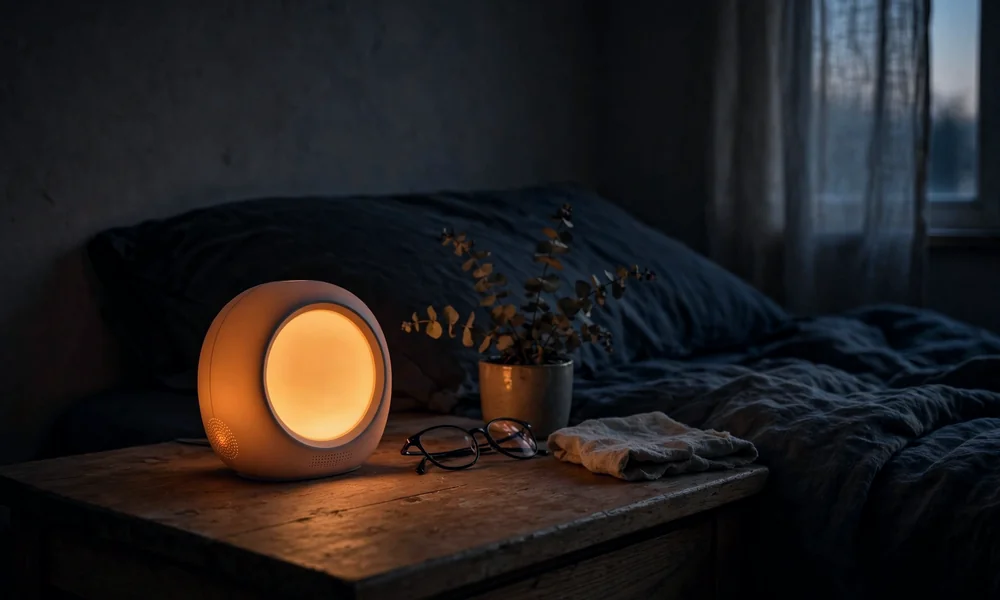
A sunrise clock wakes you with light instead of sound. Starting about twenty minutes before your alarm time, it slowly brightens, mimicking a sunrise, and by the time the sound starts, your body is already stirring. The sound itself is usually gentle too: birdsong, soft chimes, or a tone that builds slowly. The trade-offs are real: sunrise clocks cost more than a basic clock and work best in a dark room. But for a kinder start to the day, nothing else here comes close. If you struggle with dark winter mornings, a sunrise clock is the best money you can spend on your mornings.
Classic Analogue Clocks: Simple and Reliable
The classic twin-bell alarm clock has been waking people up for over a century, and the best modern versions keep everything that made the original work: a loud, clear bell, a simple setting dial, and no electronics to fail. There is no app, no display to glow, and no battery that dies silently overnight. The alarm is not gentle, but it is honest, and it is very hard to sleep through. A good analogue clock is also the most reliable clock here: it keeps working when the power goes out and never needs an update. If you want a clock that simply does its job, every morning, without fuss, this is the type to buy.

Digital Clocks Done Right
The best digital clocks take the convenience of a screen and remove its worst habits. The display dims to nearly dark at night, or switches off entirely, so the room stays dark. The buttons are big and easy to find by touch, with a snooze button you cannot miss. The alarm sound builds gradually instead of blasting at full volume, and there is a battery backup that keeps the clock running through a power cut. Some also offer two alarms, so two people can wake at different times.
Vibrating and Smart Alarms for Heavy Sleepers
Some people sleep through sound, and for them the best alarm is one they can feel rather than hear. Vibrating alarm clocks shake the bed or buzz a wristband, waking the wearer without waking a partner. They are also the best choice for anyone who is hard of hearing, or who works night shifts and sleeps while the rest of the house is awake. The smartest pair with a fitness tracker that watches your sleep and wakes you during a light sleep phase, when waking feels easiest. If sound alone has never worked for you, a vibrating alarm is worth trying before you buy yet another loud clock.
The Worst Alarm Clocks of 2026
The worst alarm clocks fail in ways that only become obvious after you have bought them. They look convincing in a listing: neat photos, a long list of features, a low price. Then the first morning exposes them. The buzzer is so harsh it ruins your mood before you are out of bed. The display glows all night and wrecks your sleep. The clock loses five minutes a week and makes you late. Or the alarm simply does not go off, because the clock was waiting for a phone that ran out of battery overnight.
Harsh Buzzers That Ruin the Morning
The single worst flaw in an alarm clock is a buzzer that hits at full volume with no build-up. Being jolted out of deep sleep by a harsh electronic shriek can leave you groggy and irritable for an hour. A good alarm builds gradually, giving your body a minute to surface. Cheap clocks skip that, because a buzzer is cheaper than a proper speaker. Loud is not the same as effective: a clock that wakes you gently but reliably is better than one that scares you awake and ruins the morning.
Bright Displays That Wreck Your Sleep
Some alarm clocks have displays so bright they light up the whole bedroom, and no way to dim them or switch them off. That is a serious flaw, because light at night disrupts the sleep your body needs. A good clock dims to nearly dark, or lets you turn the display off entirely while the alarm still works. If a clock’s display cannot be dimmed, it belongs in the worst column, however loud or clever it might be.
Clocks That Lose Time and Die in a Power Cut
A clock that loses time is worse than no clock at all, because it gives you false confidence. Some cheap clocks drift by minutes every week, so the alarm you set for seven goes off at seven past, then ten past, and you are late before you notice. The other common failure is no battery backup: the first power cut resets the clock to midnight, and the alarm never goes off at all. A good clock keeps accurate time and has a battery backup that preserves both the time and the alarm through a power cut.
App-Dependent Clocks and Fiddly Controls
The worst clocks often try to impress you with features instead of fundamentals: an app, a voice assistant, a colour-changing light, and twenty alarm tones you will never use. Each feature is a compromise, because the money and the space went to the extras instead of a good speaker, a clear display, and simple buttons. Some of these clocks will not even sound an alarm until you have paired your phone. If you want a smart speaker, buy one: a good pair of smart speakers for bedrooms can play music and answer questions, but a dedicated alarm clock is simpler, darker, and more reliable for waking up.
Alarm Clocks at a Glance
The table below sums up the divide: the best clocks are defined by a gentle wake-up and reliable basics, the worst by harsh sound and fragile extras.
| Feature | Best clocks | Worst clocks |
|---|---|---|
| Wake-up | Sound builds gradually | Harsh buzzer at full volume |
| Display | Dimmable or switchable off | Bright, cannot be dimmed |
| Backup | Backup keeps time and alarm | No backup, resets in a power cut |
| Controls | Big buttons, usable in the dark | Small buttons, fiddly menus |
| Timekeeping | Accurate, stays on time | Drifts minutes every week |
How to Choose the Right Clock for Your Mornings
Start with how you wake up. If you are a light sleeper who wakes easily, a gentle digital clock or a sunrise clock is the right choice, because it will wake you without ruining the morning. If you are a heavy sleeper who has slept through alarms before, you need something stronger: a loud analogue bell, a vibrating alarm, or a sunrise clock paired with sound. Think about who else is in the room: a vibrating alarm or a sunrise clock wakes one person without disturbing the other, while a loud buzzer wakes everyone.
Then think about your bedroom. A dark room matters, so the display must dim or switch off. A clock that needs an app is a poor choice for a bedroom, because phones are the enemy of sleep. A clock with a battery backup matters if your power is unreliable, and accurate timekeeping matters if you cannot afford to be late. In every case, the same rule applies: judge the wake-up first, the display second, and the extras last, if at all. A clock with twenty alarm tones and a harsh buzzer is worse than a clock with one gentle alarm that works. Some people pair a clock with a white noise machine that masks night-time sounds, so they sleep better and wake more easily.

Verdict
The best alarm clocks of 2026 are the ones you trust without thinking: a sunrise clock for the gentlest mornings, a classic analogue clock for simple reliability, a good digital clock for practical convenience, or a vibrating alarm if sound alone has never worked for you. They wake you gently, keep accurate time, survive a power cut, and stay dark all night. The worst are the harsh buzzers, the glowing displays, the drifting clocks, and the app-dependent ones that fail when your phone does. Buy for the wake-up and the basics, keep the display dark, and give a new clock a week before you judge it.


