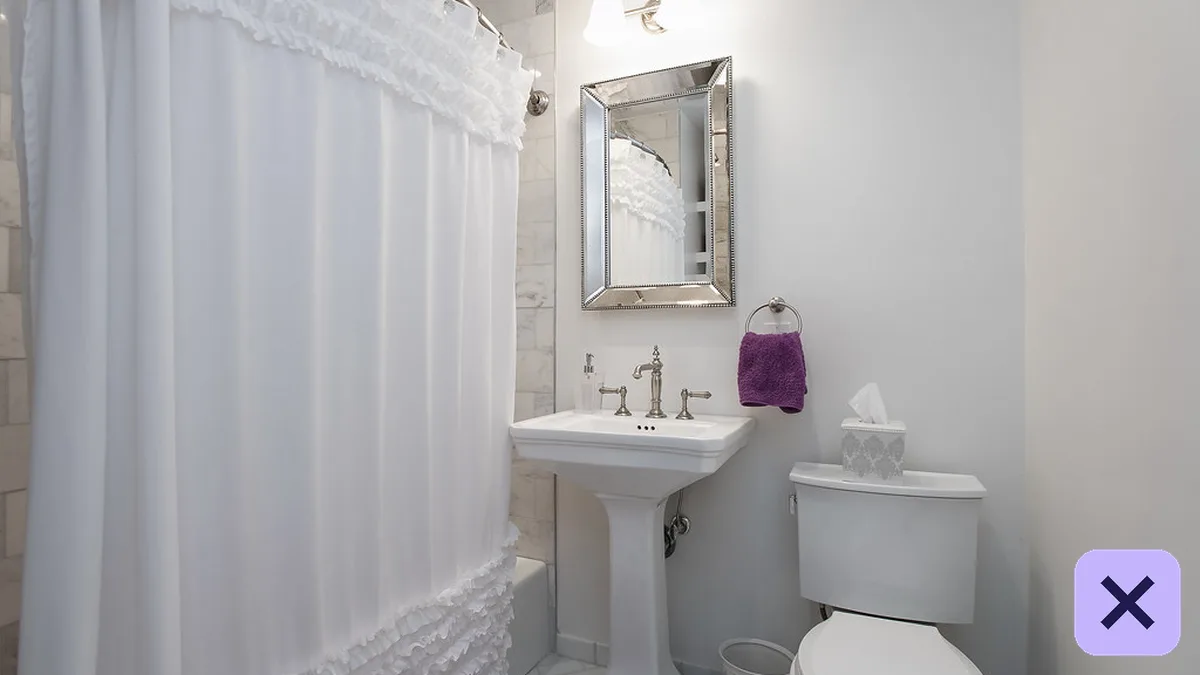
The best shower curtains of 2026 do two jobs at once. The first is obvious: keep the water inside the tub. The second is quieter: make the bathroom look finished. A good shower curtain hangs straight, dries out between showers, and turns a plain white tub into a room that feels considered. A bad one billows into you mid-shower, sticks to your arm, lets water creep across the floor, and starts smelling stale within weeks. The difference is rarely the pattern or the price. It is weight, material, length, and whether the curtain was built to live in steam and splashes every day.
This guide covers the shower curtains that earn their place in 2026: the ones that stay inside the tub, resist mould, survive the washing machine, and still look good after a year. There is no single perfect curtain, because bathrooms differ, so what follows is how to judge a curtain before you buy it, which types suit which bathroom, and the fitting details that decide whether water stays where it belongs.
Key Takeaways
- A good shower curtain hangs straight and stays inside the tub; weight and length matter more than pattern or price.
- Washable fabric beats thin plastic for most homes: it dries properly and never turns cloudy or stiff.
- The hem should reach just inside the tub, with a liner behind it, so water runs back down, not onto the floor.
- Measure the rail and the drop before you buy, and choose rings that slide freely.
- Cheap plastic curtains billow, cling, stain, and tear at the eyelets within months.
Shower Curtains at a Glance
The trade-off in one place:
| Type | Water handling | Hang and drape | Drying | Mould resistance | Washing | Lifespan |
|---|---|---|---|---|---|---|
| Washable fabric | Needs a liner behind it | Soft, natural, even folds | Dries well with airflow | Good if washed regularly | Machine washable | Years |
| PEVA liner | Waterproof on its own | Light, can billow | Dries fast | Good, wipe-clean surface | Wipe or gentle wash | One to two years |
| Vinyl curtain | Waterproof on its own | Stiff, can cling | Dries fast | Fair, stains at the hem | Wipe clean only | Months to a year |
| Waffle weave fabric | Needs a liner behind it | Textured, hangs well | Dries well | Good if washed regularly | Machine washable | Years |
| Extra-long fabric | Needs a liner behind it | Weighted hem, very straight | Needs airflow | Good if washed regularly | Machine washable | Years |
| Hookless curtain | Needs a liner behind it | Built-in rings, smooth glide | Dries well | Good if washed regularly | Machine washable | Years |
What Makes a Great Shower Curtain
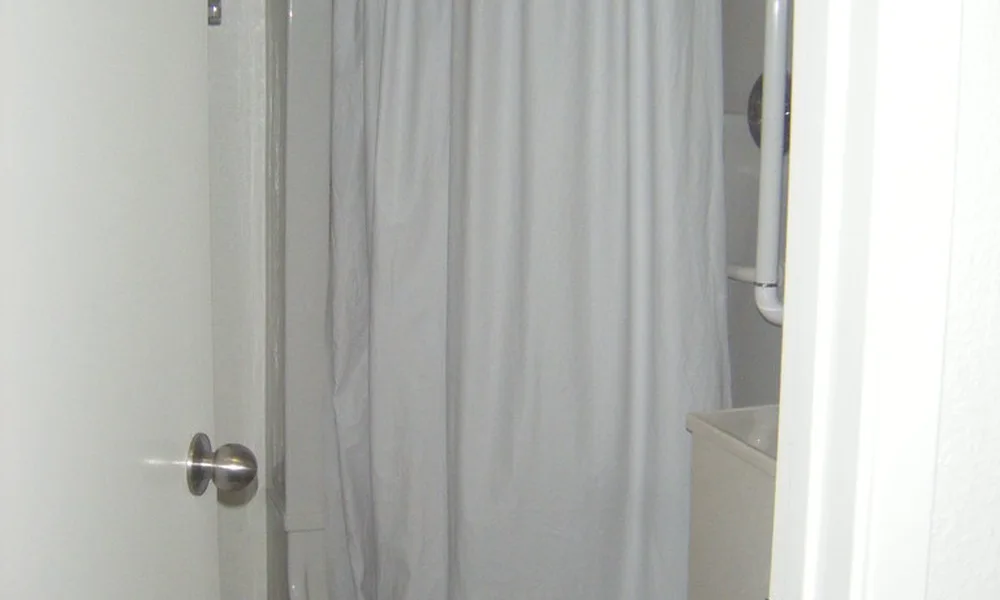
A great shower curtain is judged on three things: how it hangs, how it handles water, and how it ages. A good curtain falls in even, relaxed folds from rail to tub, without twisting to one side. That comes from weight in the hem, a straight cut, and evenly spaced eyelets. The bottom must sit inside the tub, and the material should shed water rather than stay damp.
Weight and Length
Weight is the most underrated quality in a shower curtain. A weighted hem, sometimes a chain sewn into the bottom edge, keeps the curtain hanging straight and stops it billowing inward when the shower runs. Without it, warm air pushes a light curtain toward you and it clings to skin. Length matters just as much: the hem should sit a few centimetres inside the tub, so water running down the curtain falls back into the bath. Too short, and spray escapes underneath. Too long, and the hem sits in standing water, where mould starts. Small rooms bring their own problems, and our guide to the best shower curtains for small bathrooms covers rails, curved rods, and short drops in detail.
Material: Fabric or Plastic
Fabric is the best choice for most bathrooms. Cotton, linen-look, and polyester curtains hang with a soft, natural drape that thin plastic can never match. They do not crackle or cling, and they come in patterns that look like real home textiles. The catch is that fabric alone is not waterproof, so it needs a liner: a light waterproof layer that hangs behind it and takes the spray while the outer curtain stays mostly dry. Plastic and PEVA curtains are waterproof on their own, but the cheap ones are thin, stiff, and quick to stain. Many of the best setups in 2026 pair a washable fabric outer with a replaceable PEVA liner, getting the looks of fabric and the waterproofing of plastic.
The Liner Question
Think of the liner as the working part and the curtain as the visible part. The liner should be light, clear or frosted, and easy to wipe down. It takes the daily soaking, and when it looks tired you replace it for very little while the outer curtain carries on. Without a liner, a fabric curtain soaks through, stays damp, and becomes a home for mould. Replace the liner every year or so, sooner if spots at the bottom will not wash off. It is the cheapest maintenance in the bathroom and the one most often skipped.
The Best Shower Curtains of 2026
The best shower curtains of 2026 share a simple quality: they behave. They stay where you put them, they dry out, and they look like they belong in the room. They are not the most expensive or the most dramatic. They are the ones that still look good after a year, a much harder test than looking good on the first day.
Washable Fabric Curtains
Washable fabric is the best choice for most bathrooms, and the easiest upgrade you can make. Cotton, linen-look, and polyester curtains hang with a soft, natural drape and come in patterns that look like real home textiles. Check the label, and choose one you can machine wash on a gentle cycle and hang back up to dry. Avoid anything that needs dry cleaning, because a shower curtain that cannot be washed will not stay fresh. A mid-weight fabric is the sweet spot: heavy enough to hang straight, light enough to dry between showers.
Waffle Weave and Textured Fabric
Waffle weave is the quiet favourite of 2026. The small raised squares give the fabric body and texture, so it hangs in tidy folds without looking stiff, and it hides creases better than flat cotton. It reads as calm and hotel-like, which suits otherwise plain white bathrooms. The same washing rules apply: machine washable, gentle cycle, hang to dry. Waffle weave takes a little longer to dry than flat fabric, so it suits bathrooms with decent ventilation, and it is worth leaving the curtain spread out after a shower.
Extra-Long Curtains for Tall Rails
Standard curtains are cut for standard rails, and plenty of bathrooms are not standard. If your rail sits high, or your tub is deep, a standard drop ends above the rim and water escapes underneath every time. Extra-long curtains, usually around 200 centimetres or more, solve this properly: the weighted hem sits inside the tub, the curtain hangs straight, and the bathroom stays dry. Measure from the rail to the inside of the tub before ordering. A curtain a few centimetres too long is easy to live with; one a few centimetres too short is a daily annoyance and a wet floor.
Hookless Curtains
Hookless curtains have the rings built into the top of the fabric, so the curtain slides straight onto the rail with no separate hooks to buy, lose, or snag. They glide smoothly, look tidy, and are easier to take down for washing, so they get washed more often. The trade-off is that the built-in rings need a rail of the right diameter, so check the fitting before you buy. For a rental or a first home, they are hard to beat.

How to Measure Before You Buy
Measuring takes five minutes and prevents the two most common mistakes: a curtain too narrow to cover the tub, and a drop too short to reach inside it. Measure the rail end to end, then add about a third again for the folds: a curtain should be wider than the rail so it hangs in folds rather than stretched flat. A 180-centimetre rail wants a curtain around 240 centimetres wide. Then measure the drop, from the rail to the inside of the tub, adding a few centimetres so the hem sits inside. Check the rail itself too: a sagging rail drags any curtain to the centre. A good head also changes how water hits the curtain, and our guide to shower heads that turn an ordinary bathroom into a spa explains pressure, spray patterns, and why a gentler spray keeps the floor drier.
Keeping a Shower Curtain Clean
A shower curtain stays fresh if it dries out between showers, and goes stale if it does not. The best habit is to spread the curtain out after a shower so air reaches the whole surface, rather than bunching it to one end where the folds stay damp. Open a window or run the extractor fan for twenty minutes. Wash a fabric curtain every month or two on a gentle cycle. Wipe the liner down weekly, and replace it when spots at the bottom stop coming off. If mould appears, wash the curtain promptly with a cup of white vinegar in the wash, and check the ventilation: mould usually means the bathroom is not drying out. A good mat helps too, and the bath mats worth stepping onto in 2026 round up the ones that absorb properly and dry fast instead of staying soggy.

Checklist: Buying a Shower Curtain in 2026
- Measure the rail width, add a third for folds, then measure the drop to the inside of the tub.
- Choose a mid-weight washable fabric, with a light waterproof liner behind it.
- Check the hem: weighted, straight, and long enough to sit inside the tub.
- Pick rings that fit your rail and slide freely, or choose a hookless curtain.
- Make sure the label says machine washable on a gentle cycle.
- Spread the curtain out after every shower so it dries fully.
Frequently Asked Questions
Do I really need a liner with a fabric shower curtain?
Yes, for almost every bathroom. Fabric alone soaks through, stays damp, and grows mould. A light waterproof liner takes the spray while the outer curtain stays dry.
How long should a shower curtain be?
Long enough for the hem to sit a few centimetres inside the tub, so water runs back into the bath. Measure from the rail to the inside of the tub, and choose an extra-long curtain if the standard drop ends above the rim.
How often should I wash a shower curtain?
Wash a fabric curtain every month or two on a gentle cycle, and hang it back up to dry. Wipe the liner weekly, and replace it once a year or when spots stop coming off.
What stops a shower curtain from billowing?
Weight in the hem is the main fix, along with a curtain wide enough to hang in folds. A weighted hem and a liner keep it hanging straight instead of blowing inward.
Is PEVA better than vinyl for a liner?
PEVA is the better choice for most homes. It is lighter, less stiff, and free of the strong plastic smell cheap vinyl can have. Both are waterproof, but PEVA drapes better.
Can a shower curtain make a small bathroom look bigger?
Yes. A plain, light-coloured curtain makes the room feel calmer and larger, especially if it hangs straight in even folds. Busy, dark prints can make a small bathroom feel cramped.
The Bottom Line
The best shower curtain of 2026 is the one that behaves: heavy enough to hang straight, long enough to reach inside the tub, washable, and paired with a liner that takes the daily soaking. Measure before you buy, choose fabric over thin plastic, and spread the curtain out after every shower. Get those few things right, and the cheapest item in the bathroom makes the whole room feel finished.