The best swim goggles 2026 has to offer do far more than keep water out of your eyes. The right pair turns a blurry, stinging swim into a clear, comfortable one, whether you are doing laps before work, learning to swim as an adult, or racing in open water. The wrong pair, by contrast, leaks at the worst moment, fogs up within a length, and leaves red rings around your eyes that last until lunchtime.
This guide compares the strongest swim goggles you can buy in 2026, explains what each type does best, and shows you how to find a pair that fits your face, stays clear, and never leaks. We tested goggles across pool sessions, open-water swims and long training sets, judging them on fit, seal, visibility, anti-fog performance, comfort and value.
Key Takeaways
- Fit matters more than brand: a goggle that seals on your face without a strap is the one to buy.
- Clear lenses suit indoor pools, while tinted or mirrored lenses are better for bright outdoor water.
- Silicone gaskets seal better and last longer than foam ones, especially for regular swimmers.
- Anti-fog coatings wear off over time, so rinse goggles in fresh water and never wipe the inside of the lenses.
- Try goggles on dry first, and always test the seal before your first proper swim.
How We Picked the Best Swim Goggles of 2026
We started with every major swim goggle released or updated for 2026, then narrowed the field to the models that earned their place through comfort, consistency and value. Each pair was worn for at least ten pool sessions before we formed a view, because seals soften, straps settle, and a goggle that feels tight on day one can feel superb by week two. We swam in indoor pools, outdoor pools and open water, in bright sun and in flat light, at easy pace and at race pace.
Best Overall Swim Goggles
The best overall swim goggles of 2026 are the pair we reach for most often, and they earn that place by doing everything well rather than one thing brilliantly. They use soft silicone gaskets that mould to the face, a low-profile lens that cuts drag in the water, and a split strap that spreads pressure evenly around the back of the head. They seal first time on most face shapes, they stay clear for a full session, and they are comfortable enough to wear for an hour without thinking about them.
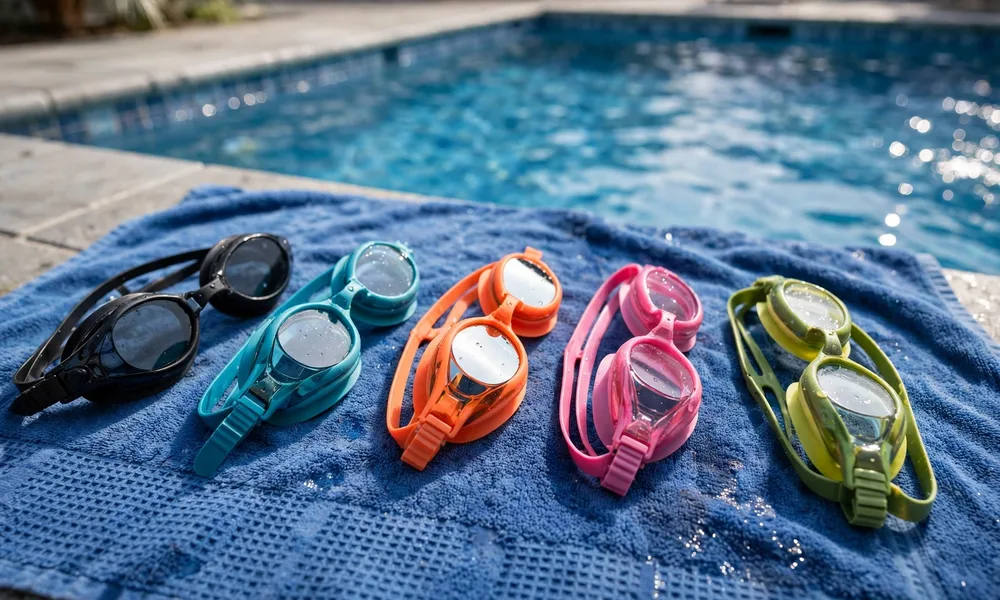
This is the pair to buy if you only want one set of goggles. It handles pool laps, swim squad sessions and the occasional open-water swim, and it suits everyone from a confident beginner to a regular club swimmer. If you swim mostly outdoors in bright sun, choose the tinted version of the same design, because it cuts glare without darkening your vision too much for cloudy days.
Best Swim Goggles for Beginners
If you are learning to swim, or returning to the pool after years away, the best swim goggles are the ones you forget you are wearing. Beginners need a comfortable, forgiving fit above all else, because a leaking goggle is the fastest way to lose confidence in the water. Look for a wide, soft silicone gasket, an easy-adjust strap, and clear lenses that let you see the pool floor and the lane markings without distortion.
Best Swim Goggles for Open Water
Open-water swimming asks more of a goggle than pool swimming does. You need to sight the buoys, cope with sun glare, and deal with waves and chop, all while swimming in water that is rarely as clear as a pool. The best open-water goggles have a wide, curved lens that gives a panoramic view, a mirrored or polarised coating that cuts glare, and a strong seal that holds through waves and mass starts.
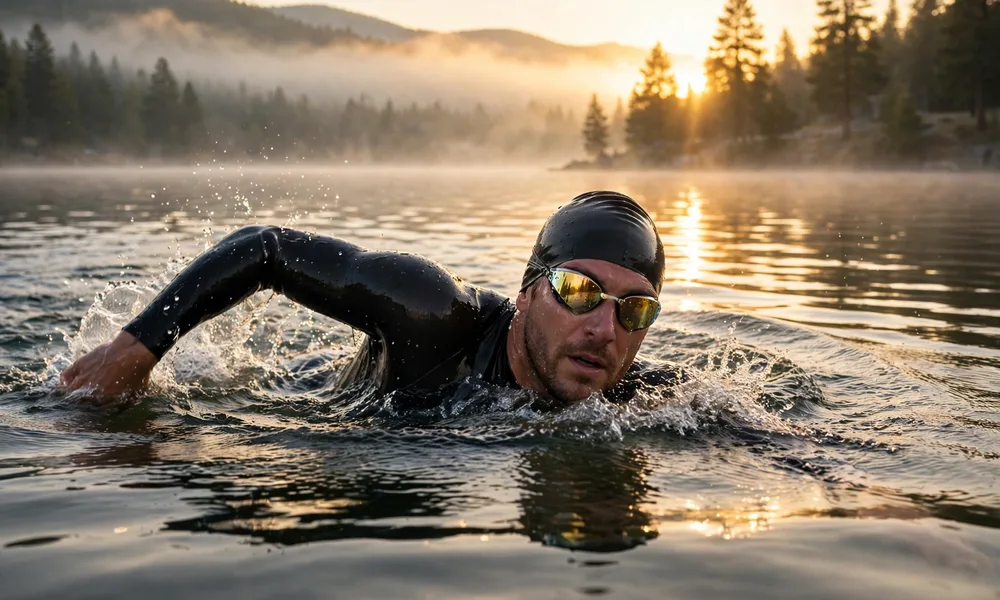
Mirrored lenses are the standard choice for bright conditions, and they also reduce the glare bouncing off the water surface. On overcast days, a lighter tint or a clear lens works better, because a dark lens makes it harder to see in murky water. Some swimmers carry two pairs, one mirrored and one clear, and choose on the day. If you only want one, a lightly tinted or photochromic lens is the most versatile option.
Best Swim Goggles for Racing and Training
Serious swimmers and racers want goggles that disappear. Low-profile lenses sit close to the eyes, cut drag, and stay put through dives and tumble turns. The best racing goggles are light, streamlined, and built to survive being thrown in a kit bag five times a week. They usually have a smaller gasket, which means the fit has to be exactly right, so try them on before you commit.
Training goggles sit between racing and leisure models. They are comfortable enough for long sessions, durable enough for daily use, and clear enough for early-morning sessions in dim pool light. Many regular swimmers keep a training pair for everyday use and a racing pair for competition, because the two jobs are genuinely different. If you swim with a training group, a pair of best sports headphones for 2026 can also make solo sessions far more enjoyable, though they are no substitute for a coach when your technique needs work.
Anti-Fog: What Actually Works
Every goggle maker promises anti-fog, and every anti-fog coating wears off eventually. The best coatings last for weeks of regular swimming, but they all degrade if you touch the inside of the lenses. Never wipe the inside with a towel or your fingers, and never use soap or shampoo on the lenses. Rinse the goggles in fresh water after every swim, shake off the excess, and let them air-dry in their case.
Swim Goggles for Children and Small Faces
Children need goggles that fit a smaller face, and adult goggles simply do not scale down. A child who wears goggles that leak will hate swimming, so it is worth buying a proper junior pair rather than the smallest adult size you can find. Junior goggles have narrower gaskets, shorter straps and smaller lenses, and the best ones are brightly coloured, which helps children spot their own pair in a crowded changing room.
How to Look After Your Swim Goggles
Good goggles last for years if you treat them well, and they last for months if you do not. The rules are simple, but they are worth following. Always rinse your goggles in fresh water after swimming, because chlorine and salt both attack the seals and the straps. Dry them naturally, out of direct sunlight, and store them in their case rather than loose in your swim bag, where the lenses get scratched.

Replace the strap when it goes slack or brittle, and replace the whole pair when the gaskets harden, the lenses scratch, or the seal no longer holds. A scratched lens is not just annoying: it distorts your vision and makes it harder to judge turns and walls. Most regular swimmers replace their goggles every six to twelve months, and competitive swimmers more often than that. Keeping a spare pair in your bag is cheap insurance against a broken strap on the morning of a big swim.
Your goggles are only one part of your swim kit. Our guide to the best gym essentials for 2026 covers the pieces worth owning, and a best fitness tracker for 2026 shows your pace, distance and stroke count without you having to count lengths in your head.
Best Swim Goggles 2026 Compared
| Goggle Type | Best For | Lens | Typical Price | Why It Wins |
|---|---|---|---|---|
| All-round training | Most swimmers | Clear or light tint | Mid-range | Best balance of fit, comfort and clarity |
| Beginner | New swimmers | Clear | Budget | Soft gasket, easy strap, forgiving fit |
| Open-water | Lakes, sea, triathlon | Mirrored or tinted | Premium | Wide view, glare cut, strong seal |
| Racing | Competition | Clear or mirrored | Mid-range | Low profile, minimal drag, secure fit |
| Junior | Children | Clear | Budget | Sized for small faces, easy to adjust |
| Prescription | Glasses wearers | Corrective | Premium | Clear vision without contact lenses |
Swim Goggle Buying Checklist
- Do the suction test: press the lenses to your eyes without the strap and check they hold.
- Match the lens to where you swim: clear for indoor pools, tinted or mirrored for bright outdoor water.
- Choose silicone gaskets for regular swimming and a split strap for a stable fit.
- Check the field of vision: wider lenses help in open water and busy pools.
- Try goggles on with your swim cap, because the strap sits differently over it.
- Keep the receipt and test the seal in the water before your first long session.
Frequently Asked Questions
How tight should swim goggles be?
Swim goggles should feel secure but not painful. The strap should hold them in place without squeezing them into your face. If you finish a swim with deep red rings that last for hours, your goggles are too tight or the wrong shape. Do the suction test first: if the lenses hold without the strap, you barely need to tighten it at all.
Why do my swim goggles keep fogging up?
Goggles fog when warm air from your face meets the cooler lens, and the anti-fog coating on the inside of the lens wears off over time. Never wipe the inside of the lenses, rinse them in fresh water after every swim, and let them air-dry. When the coating fades, anti-fog spray or a tiny amount of diluted baby shampoo will help, but a badly scratched or very old pair will need replacing.
Are expensive swim goggles worth it?
For regular swimmers, yes. More expensive goggles usually have softer silicone gaskets, better anti-fog coatings and more durable straps, and they last far longer than the cheapest pairs. For occasional holiday swimmers, a mid-range pair is usually the sweet spot. The most expensive goggles are racing models, and they are only worth it if you need the low profile and the drag reduction.
Can I wear swim goggles with contact lenses?
Yes, most swimmers with contact lenses wear goggles without any problem, because a good seal keeps water out. Choose a pair with a reliable seal and test it carefully before you swim. If you often swim without contacts, prescription goggles are also available, and they are a good option for regular pool swimmers who do not want to rely on lenses.
How long should swim goggles last?
A good pair of goggles lasts six to twelve months of regular swimming, and longer for occasional use. Replace them when the gaskets harden, the strap goes slack, the lenses scratch, or the seal no longer holds. Rinsing in fresh water after every swim and storing them in their case will extend their life considerably.
Do I need different goggles for open water?
You do not strictly need a separate pair, but open-water goggles are genuinely better for the job. Their wider lenses give a better view for sighting, their mirrored coatings cut glare from the sun and the water, and their seals are built to hold through waves. If you swim in open water regularly, a dedicated pair is worth the investment.
The Bottom Line
The best swim goggles 2026 has to offer are the ones that fit your face, suit where you swim, and disappear once you are in the water. Start with the suction test, match the lens to your conditions, and choose silicone gaskets and a split strap if you swim regularly. Spend a little more than the cheapest pair, look after the lenses, and replace them when the seal goes. Get those basics right, and your goggles will stop being something you think about and start being something you simply swim in.