
Armchairs are the quiet heroes of a living room. The sofa gets the attention and the coffee table gets the traffic, but the armchair is where someone actually sits down with a book, a cup of tea, and no intention of moving for an hour. The best armchairs in 2026 do that job so well you forget they are furniture at all: they hold you upright when you are reading, let you sink back when you are tired, and still look like they belong in the room when nobody is sitting in them. A bad one looks handsome in the shop, then proves too deep to sit up in, too low to stand up from, or too wide for the corner it was bought for.
Key Takeaways
- Buy for the way you sit, not the way the chair looks: readers need upright support and a firm seat, loungers need depth and a soft, deep cushion.
- Measure the corner first and tape the footprint on the floor, leaving at least 75 centimetres of clear walkway in front of the chair.
- Seat height of 45 to 48 centimetres and seat depth of 55 to 60 centimetres suit most adults for sitting upright and standing up easily.
- Leather ages beautifully and wipes clean, velvet feels luxurious but shows marks, and tight-weave fabric is the most forgiving choice for homes with children or pets.
- A solid hardwood frame with eight-way hand-tied or sinuous springs will outlast a stapled softwood frame by years.
Armchair Types at a Glance
Every armchair is a variation on a few classic shapes, and each one suits a different kind of sitting:
| Type | Best for | The feel | Watch out for |
|---|---|---|---|
| Wingback | Reading corners, draughty rooms | High back, sheltering sides | Can dominate a small room |
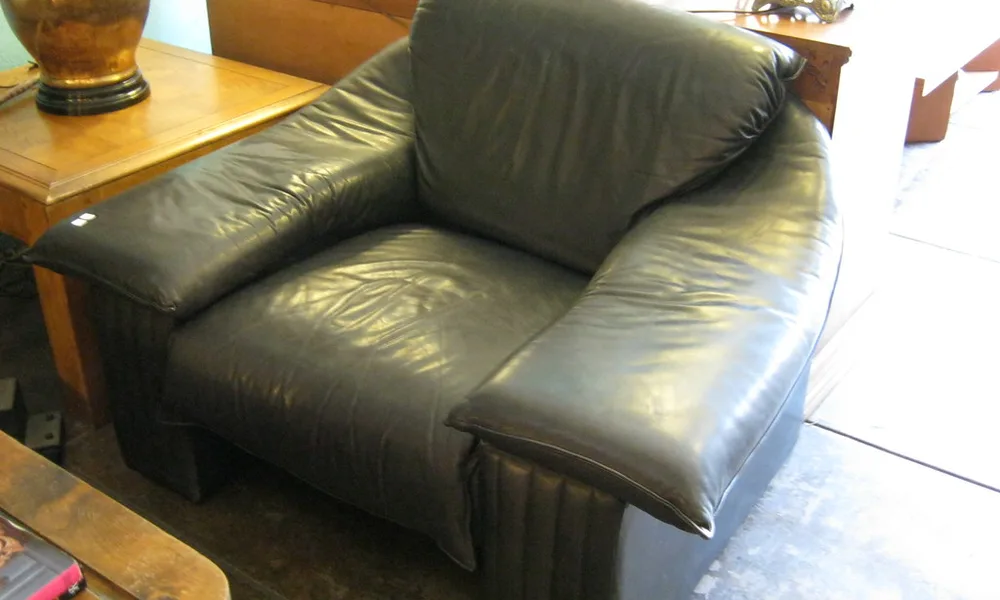
| Club chair | Relaxed lounging, leather lovers | Deep seat, low back, soft | Hard to sit upright in |
| Accent chair | Adding colour or shape | Slim, stylish, low-armed | Comfort is often an afterthought |
| Recliner | Evening television, bad backs | Footrest, tilting back | Bulky, needs clearance behind |
| Swivel chair | Open-plan rooms | Turns to face the room | Mechanisms can wobble |
| Tub chair | Small corners, bedrooms | Curved back, compact | Suits short sits, not long ones |

Start With the Corner, Not the Chair
An armchair earns its place by fitting the corner it lives in. A wingback that looks perfect in a showroom can swallow a small corner whole, blocking the window and crowding the radiator, while a slim accent chair in a large room can look lost and lonely. Measure the corner, tape the outline on the floor, and live with the tape for a day before you buy anything.
How much space a chair really needs
A typical armchair is 70 to 90 centimetres wide and 80 to 95 centimetres deep, but those numbers are only the start. You also need room to walk past it, to pull it out for cleaning, and to sit down without banging your knees on a side table. Leave at least 75 centimetres of clear walkway in front of the chair and 10 centimetres behind it, more if it reclines or swivels.
The reading corner test
A good reading corner needs four things besides the chair: light, a surface, something warm, and quiet. Light should fall over your shoulder, not into your eyes, which is why a floor lamp beside the chair beats an overhead light every time. A small side table holds the book, the glasses and the mug within easy reach. Like the floor lamps that make a room feel finished, the right light turns a chair in a corner into a place someone actually goes to sit.
The Types That Work in 2026
Armchair fashion moves slowly, which is good news: a chair bought this year should still look right in five years.
The wingback remains the best reading chair ever designed. Its high back and sheltering sides block draughts and hold your head when you lean back. The club chair is the opposite temperament: low, deep and soft, built for sinking into rather than sitting up in, and leather ones age beautifully. The accent chair is the stylist’s choice, bought to add a shape or a colour to a room, but many are designed to be looked at more than sat in, so test one properly. Recliners have quietly become respectable, hiding their mechanism and looking like ordinary armchairs when upright, though they need 30 to 45 centimetres of clearance behind them. Swivel chairs suit open-plan rooms, where one chair must face the sofa and the television.

Comfort Is Something You Test, Not Something You Read
No review, label or price tag can tell you whether a chair suits your body. Sit in the chair the way you will sit at home: upright with a book, then slouched with your feet up, then leaning forward as if you are reaching for a mug.
Seat height, depth and the arms
Seat height decides whether standing up feels easy or like an escape. Most adults are comfortable at 45 to 48 centimetres, with feet flat on the floor and knees at a right angle. Seat depth decides whether you sit up or slump: 55 to 60 centimetres suits most adults for sitting upright, while deeper seats suit lounging with your feet tucked up. The arms should support your elbows without pushing your shoulders up, and they should be wide enough to rest a book on.
The cushion test
Press the seat cushion hard with both hands and hold it for ten seconds. A good cushion springs back evenly and does not leave a dent; a poor one stays compressed or feels lumpy. Lift the cushion if you can and look underneath: eight-way hand-tied springs are the gold standard, sinuous springs are good, and a bare board or thin webbing is a warning sign. Sit on the front edge and bounce gently; a chair that creaks or wobbles will only get worse.
Fabrics and Frames: What Lasts
Style gets a chair bought; the fabric and the frame decide whether you still like it in five years. These are the two places where a cheap chair cuts corners, and they are the two places worth spending on.
Leather is the most forgiving material in a busy house. It wipes clean, does not hold smells, and grows more beautiful as it ages. Buy full-grain or top-grain; bonded leather, made from glued scraps, peels within a few years. Velvet is the most luxurious to sit in and the most demanding to keep: it shows every mark and needs regular brushing, but in a quiet room it looks like nothing else. Tight-weave fabrics are the sensible middle ground: stain-resistant, washable, and suited to homes with children, pets and red wine.
The frame is hidden, which is exactly why it matters. A solid hardwood frame, kiln-dried beech or oak, joined with dowels, screws and corner blocks, will last decades. A softwood or particleboard frame held together with staples loosens within a few years, and once a frame loosens, the chair rocks and creaks and never feels right again. Ask the seller what the frame is made of and how it is joined; a good maker answers proudly. The best sleeper sofas of 2026 are judged on exactly the same frame standards, and a chair built to those standards is a chair you will keep.
Styling the Chair So the Corner Feels Like Home
A chair on its own is furniture; a chair with the right things around it is a place. A folded throw over one arm softens the outline of the chair and invites someone to sit down, and the coziest throw blankets for every room are the easiest way to make a new chair look lived-in from the first day. One cushion is enough: two or three make the seat look cluttered and leave nowhere to sit.
Colour is worth thinking about in terms of the room, not the chair. A chair in the room’s main colour disappears into the furniture and suits people who want calm; a chair in a contrasting colour becomes the room’s accent. A patterned chair is a statement the rest of the room must stay quiet for, while a plain chair lets the cushions and the throw do the talking.
Mistakes That Make an Armchair Look Wrong
Most armchair mistakes are sizing mistakes, and they are all fixable before you buy. Buying too big for the corner is the most common, and it makes the whole room feel smaller, because the chair blocks the light and crowds the walkway. Buying too deep for the way you sit is the second: a deep chair bought by someone who reads upright becomes a chair you perch on the edge of, never settling back. Buying for the showroom rather than the house is the third: a pale velvet chair in a house with a dog and two children will spend its life covered in a throw.
Your Armchair Checklist
- Measure the corner and tape the footprint on the floor, leaving at least 75 centimetres of clear walkway in front of the chair.
- Sit in the exact chair for ten minutes: upright with a book, slouched with your feet up, and leaning forward for a mug.
- Check the seat height is 45 to 48 centimetres and the depth suits how you sit: 55 to 60 centimetres for upright, deeper for lounging.
- Press the cushions, lift them if you can, and ask about the springs, the filling and the frame wood and joints.
- Choose the fabric for your household: leather for easy cleaning, tight-weave fabric for children and pets, velvet for quiet rooms.
- Leave 30 to 45 centimetres behind a recliner, and buy the lamp, side table and throw at the same time so the corner is finished.
Frequently Asked Questions
What size armchair is best for a small living room?
An armchair 70 to 90 centimetres wide and 80 to 90 centimetres deep usually fits well. Slim arms, a low back and raised legs make it look smaller.
How do I know if an armchair will be comfortable?
Sit in it for ten minutes in the positions you actually use: upright reading, slouched relaxing, and leaning forward. Your feet should rest flat on the floor and your knees should sit at a right angle.
Is leather or fabric better for an armchair?
Leather wipes clean, does not hold smells, and ages beautifully, which suits busy households. Tight-weave fabric is warmer and cheaper. Velvet is the most luxurious but the hardest to keep.
Should an armchair match the sofa?
It does not need to match, and it usually looks better when it does not. A chair in a contrasting colour adds interest, as long as it shares one element with the room, such as a wood tone.
How much should I spend on a good armchair?
Spend on the frame and the springs, not the label. A chair with a solid hardwood frame, good springs and a durable fabric will outlast a fashionable chair at twice the price.
Can one armchair replace a sofa?
For one person, yes: a good armchair with a side table and a lamp is a complete sitting area. For two people who sit together every evening, a compact sofa with one armchair is better.
The Bottom Line
The best armchair of 2026 is not the most expensive one or the most fashionable one. It is the one that fits your corner, suits the way you actually sit, and is built well enough to still feel right in five years. Measure first, sit in it properly, check the frame and the fabric for your household, and finish the corner with light, a table and something warm. Get those things right and the chair stops being furniture and becomes the best seat in the house.


