The best beach destinations in Europe 2026 offer far more than sun and sand. They pair clear water and warm weather with towns worth exploring and food worth remembering. From the cliffs of the Amalfi Coast to the quiet coves of Croatia, this guide covers the beaches that earn their reputation year after year.
Europe has no shortage of coastline, and that is the problem for travellers. A beach that looks perfect in a photograph can be crowded, overpriced or hard to reach, while a quieter stretch nearby can be far better. The difference comes down to timing, location and knowing what kind of trip you want.
We judged every destination on the same measures: water quality, scenery, the town behind the beach, value for money and ease of access. The list mixes famous names with quieter picks, so whether you want lively beach clubs or a peaceful cove, you will find a match.
Key takeaways
- The Amalfi Coast, Santorini and the Algarve lead the list for scenery, food and reliable summer weather.
- June and September offer the best balance of warm water, lower prices and fewer crowds.
- Book beachfront stays early, since the best rooms near the sand sell out months ahead.
- Smaller islands and coves reward travellers who rent a car or take a boat.
- Pair a beach stay with a nearby town or city to get more from your trip.

How to Pick the Right Beach for You
Start with the kind of holiday you want, not the prettiest photograph. Families need shallow water, shade and places to eat nearby. Couples often prefer a quiet cove and a good restaurant. Groups of friends usually want beach bars, water sports and nightlife. A beach that suits one group can disappoint another.
Crowds matter more than most travellers expect. A famous beach in August can feel like a festival, with packed sand, long queues and prices to match. If you hate crowds, start by reading our guide to the worst beach holidays for crowds so you know which places to avoid at peak times. Then aim for June or September, when the water is still warm and the beaches breathe again.
The Best Beach Destinations in Europe 2026
Amalfi Coast, Italy
The Amalfi Coast remains the benchmark for European beach holidays, and for good reason. Steep cliffs drop into deep blue water, lemon groves scent the air, and towns like Positano and Ravello sit above the sea like film sets. The beaches here are small and pebbly rather than wide and sandy, but the setting makes up for it many times over.
Positano is the most famous stop, with pastel houses above Spiaggia Grande, while Amalfi town offers a longer beach and easy ferry access. For a quieter day, take a boat to a small cove between the towns, where the water is clearer and the crowds thin out.
Santorini, Greece
Santorini pairs some of the most photographed views in Europe with beaches that surprise first-time visitors. The island is volcanic, so the sand comes in black, red and white, and the water is deep, clear and cool even in July. Kamari and Perissa offer long organised beaches with sunbeds and tavernas, while Red Beach gives you a dramatic backdrop of rust-coloured cliffs.
Split your time between the beach and the caldera towns of Oia and Fira, and stay in a village away from the caldera edge to pay far less while keeping the beach a short drive away. Santorini is at its best in late May, June and September.
Algarve, Portugal
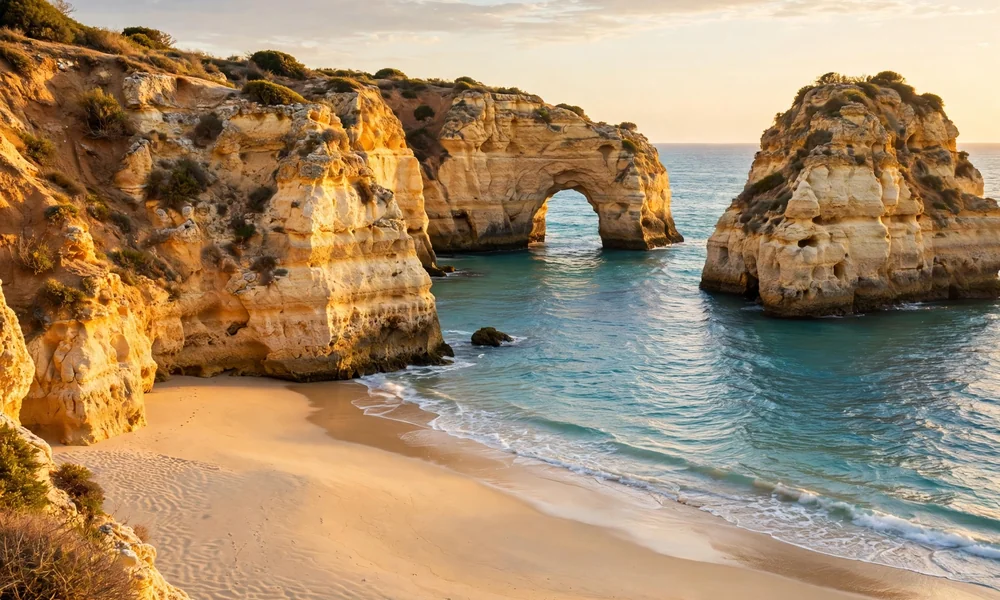
The Algarve is the most complete beach region in Europe. Its coastline runs for more than 150 kilometres, from wide Atlantic surf beaches in the west to calm, sheltered coves in the east. Golden limestone cliffs frame many of the best beaches, and the sea caves around Lagos and Benagil are among the most photographed spots on the continent.
Praia da Marinha is often named the most beautiful beach in Portugal, while Praia do Camilo near Lagos is a small cove reached by wooden steps. Families prefer the east, around Tavira, where the water is calmer. Grilled sardines, fresh seafood and local wine cost less here than on most European coasts.
Mallorca, Spain
Mallorca has quietly become one of the most varied beach islands in the Mediterranean. The north-east coast around Alcudia offers long sandy beaches and shallow water that suits families, while the west coast hides small coves beneath pine-covered cliffs. The south has the famous Es Trenc, a stretch of pale sand and turquoise water that feels closer to the Caribbean than to mainland Spain.
The island rewards travellers who rent a car. The best coves, such as Cala Deia and Cala Llombards, sit at the end of narrow roads with limited parking, which keeps them quiet even in summer. Palma makes a fine base for a combined beach and city break, with a historic old town and a cathedral on the waterfront.
Cote d’Azur, France
The French Riviera has been the classic European beach destination for more than a century, and it still delivers. Nice offers a long pebbled promenade and a lively old town, while Antibes and Villefranche-sur-Mer provide smaller beaches with a more relaxed feel. The water here is a deep, clear blue, and the coastal towns are connected by an easy train line that makes day trips simple.
The Riviera is the most expensive coast on this list, so plan carefully. Public beaches are free and plentiful, and a picnic from a local market can replace a pricey beach club lunch. Visit in June or September for warm water and open restaurants without the peak crowds.
Hvar and Brac, Croatia
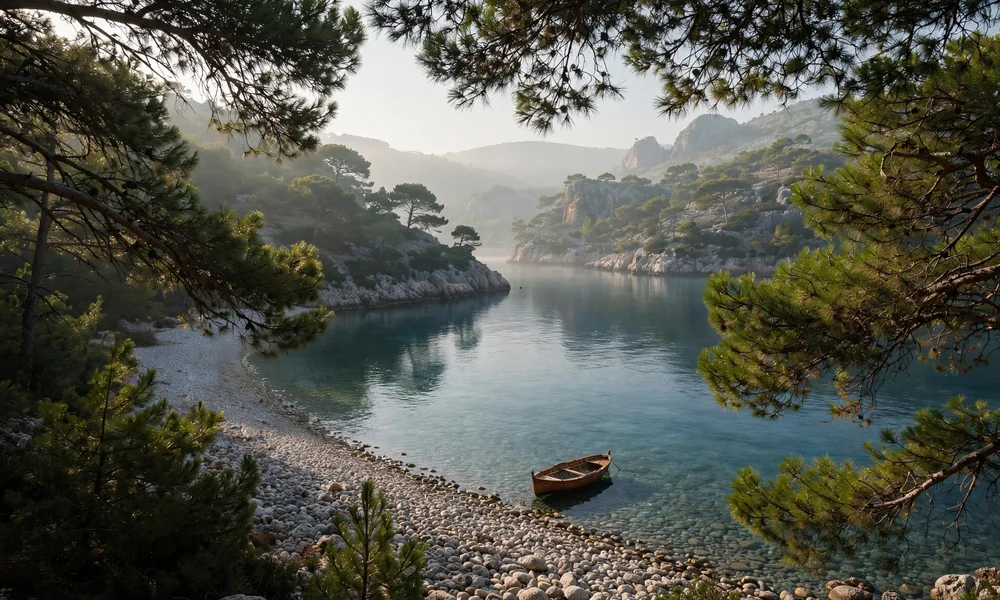
Croatia’s Adriatic coast has some of the clearest water in Europe, and the islands of Hvar and Brac show it at its best. The beaches are mostly pebble, which keeps the water remarkably transparent, and pine trees often grow right down to the shore. Zlatni Rat on Brac, a long spit of pale pebbles that shifts shape with the wind, is the most famous beach in the country.
Hvar Town draws the crowds, but the quieter coves on the south coast are easy to reach by boat or scooter. Brac is calmer, with the white stone village of Pucisca and the harbour town of Bol. Ferries from Split make both islands simple to reach.
Sardinia, Italy
Sardinia is the wild card on this list, and many travellers call it the best beach island in Europe once they have been. The Costa Smeralda in the north-east has the turquoise water and white sand that rival the Caribbean, while the south around Chia and Villasimius offers long beaches backed by dunes and lagoons. The island is large, so a car is almost essential.
La Pelosa near Stintino is often named the best beach in Italy, with shallow water that stays ankle-deep for a long way out. Inland, Sardinia has ancient stone towers and mountain villages. Come in June or September and you will have the beaches largely to yourself.
Crete, Greece
Crete is the largest Greek island and the most complete, with beaches to suit every taste. Elafonissi, in the south-west, is famous for its pink-tinged sand and shallow lagoon, while Balos, reached by boat or a dirt track, offers a wide bay of turquoise water framed by cliffs. The north coast has long organised beaches near Chania and Rethymno, with tavernas and hotels along the shore.
What sets Crete apart is what lies behind the beaches: gorges, mountain villages, ancient palaces and a food culture built on olive oil, herbs and fresh cheese. A week here mixes beach days with hikes and history, and a quieter stretch of sand is always a short drive away.
Best Beach Destinations at a Glance
| Destination | Best for | Best months | |
|---|---|---|---|
| Amalfi Coast | Scenery and romance | May to June, September | |
| Santorini | Views and sunsets | May to June, September | |
| Algarve | Variety and value | June to September | |
| Mallorca | Families and coves | June to September | |
| Cote d’Azur | Culture and glamour | Deep blue, clear | June, September |
| Hvar and Brac | Clear water, islands | June to September | |
| Sardinia | Wild beaches | June, September | |
| Crete | Beaches and history | May to October |
When to Go and How to Get There
Timing shapes a European beach holiday more than any other choice. July and August bring the warmest water and the liveliest towns, but also the highest prices and the biggest crowds. June and September are the sweet spot, with warm seas and relaxed beaches. May and October suit walkers, though the water can be cool.
Getting there is part of the planning. Many of the best beaches sit on islands or along coasts where a car makes all the difference, and deciding between train vs plane for Europe travel can change both your budget and your route. Trains work well along the Riviera and to many mainland coasts, while flights plus a short ferry hop suit the Greek and Croatian islands. Book ferries and car hire early in summer, since both sell out on popular routes.
Many travellers pair a beach week with a city stay, and the combination works well across Europe. A few days on the sand followed by a few days in a historic city gives you two holidays in one, and the train and budget flight networks make it easy. If that appeals to you, look at our guide to the best city breaks in Europe and build the beach and the city into a single trip.
Beach Trip Checklist
- Book beachfront stays and ferries early, especially for July and August travel.
- Pack reef-safe sunscreen, a light cover-up and water shoes for pebbly beaches.
- Check whether your beach has sunbeds, shade and food, or bring your own supplies.
- Carry cash in small notes, since some beach bars and island tavernas do not take cards.
- Learn the local flag and safety signs before swimming, and respect lifeguard advice.
- Leave valuables in your room and take only what you need down to the sand.
Frequently Asked Questions
What is the best beach destination in Europe for families?
The Algarve and Mallorca are the strongest family picks. Both offer long sandy beaches, shallow water, lifeguards and towns with restaurants nearby. Crete is another good choice, with large resorts and space for children to play.
Which European beach has the clearest water?
Croatia’s Adriatic coast is famous for the clearest water in Europe, especially around Hvar and Brac. Sardinia and the Greek islands are close behind, with turquoise bays that stay transparent even on busy days.
When is the cheapest time to visit European beaches?
May, early June and late September are usually the cheapest months, with lower hotel rates and flights. The water is warm enough to swim in June and September, while May suits travellers who prefer sightseeing to swimming.
Do I need a car at European beach destinations?
A car is very useful in Sardinia, Mallorca, Crete and the Algarve, where the best coves sit away from public transport. Along the Riviera and the Amalfi Coast, trains and ferries work well and a car can be more trouble than it is worth.
Are European beaches free to visit?
Most public beaches in Europe are free to access. Private beach clubs charge for sunbeds and umbrellas, and in Italy and France some sand is managed by clubs, but a free public section is always nearby.
What should I pack for a beach holiday in Europe?
Pack light clothes, swimwear, sunscreen, a hat and comfortable shoes for hot sand and stone streets. Water shoes help on pebbly beaches, and a small day bag is useful for boat trips.
The Bottom Line
The best beach destinations in Europe 2026 reward travellers who choose with care. Pick the coast that matches your style, travel in June or September if you can, and leave room for the towns, food and islands that make each beach worth the journey.