The worst airport lounges share a cruel trick: they sell the promise of calm and comfort, then deliver a crowded room, a cold buffet and a bill that stings long after the flight. Travellers pay for peace and quiet, a decent meal and a comfortable chair, and too often they get the opposite. The worst airport lounges are not merely average. They are places where the entry fee buys frustration: the Wi-Fi crawls, the seats sag and the food has been sitting out since breakfast.
Airport lounges were once a quiet reward for frequent flyers. Today, access is sold to almost anyone through day passes, card perks and memberships, and many lounges have not kept up with the crowds. The gap between what lounges advertise and what they deliver keeps growing. A lounge that cannot offer a seat is not a lounge at all, no matter how glossy the brochure looked.
This guide looks at what separates a genuinely bad lounge from a merely plain one, the warning signs to check before you pay, and the smarter ways to spend a layover when the lounge is not worth the money.
Key takeaways
- The worst airport lounges fail on the basics: no free seats, poor food, slow Wi-Fi and too few outlets.
- Overcrowding is the most common complaint, worst at peak hours when day passes are still sold.
- A day pass usually costs $30 to $75, and a bad lounge delivers less value than a terminal cafe.
- Check recent reviews, live capacity and the food menu before paying.
- When a lounge is full or run down, a quiet gate area or a good restaurant often beats it.

What Makes an Airport Lounge One of the Worst
A bad lounge is not defined by a single flaw. It is several small failures adding up to a miserable wait. One tired armchair is forgivable. A lounge with no free seats, lukewarm food, dead outlets and Wi-Fi that cannot load a boarding pass is not. The worst lounges fail in the same few areas, and once you know them, they are easy to spot from the doorway.
Overcrowding and the Endless Queue
Overcrowding is the most common complaint about bad lounges. Lounges sell more memberships and day passes than their rooms can hold, then manage the overflow with a queue at the door. Passengers who have already paid can wait fifteen to thirty minutes just to get inside, only to find every seat taken. Standing room is not a lounge benefit.
The problem is worst at morning and evening peaks, when several flights depart at once. Some lounges keep selling entry even when they are full, so the queue becomes a regular feature rather than a rare exception. The best lounges cap entry at capacity and say honestly how long the wait will be. The worst take your money first and let you discover the crowd yourself.

Food That Insults the Entry Fee
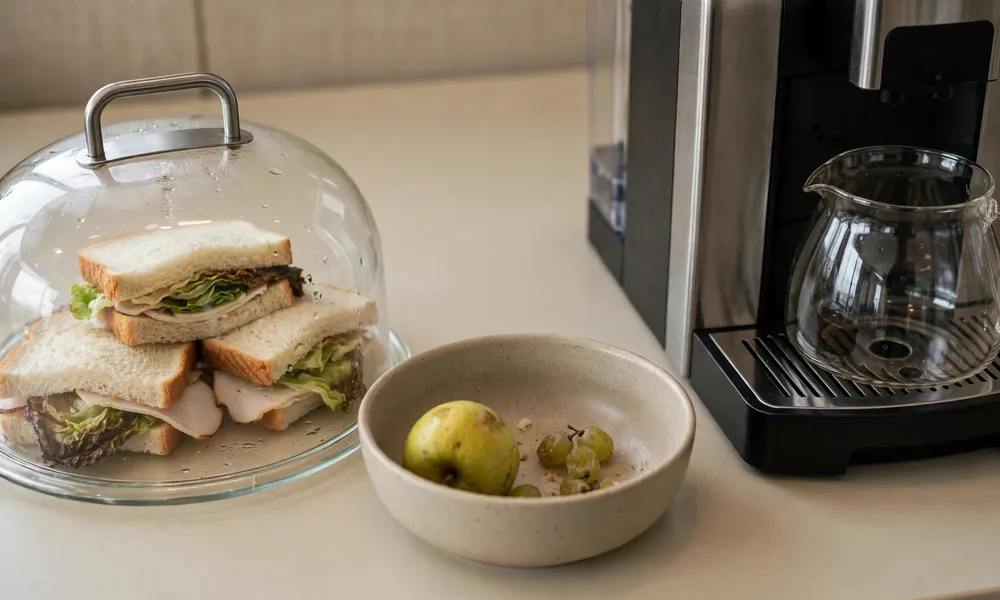
Food is where many bad lounges reveal themselves fastest. The promise is a hot meal, fresh snacks and decent coffee. The reality is a small buffet of tired sandwiches, a soup that has been sitting for hours, and a coffee machine that is broken or out of order. When the trays are mostly empty and nothing is refilled, the lounge is telling you how much it values its guests.
None of this would matter if the lounge were free. But when a traveller has paid $50 for entry, a plate of cold food feels like an insult. A good terminal restaurant will usually serve a better meal for the same money. The food alone is often enough reason to walk away and eat somewhere else.
Seats, Power and Wi-Fi That Fail
A lounge should be the easiest place in the airport to sit down, charge a phone and get some work done. In the worst lounges, all three are a struggle. Seats are worn, stained or broken, with wobbling armrests and cushions that lost their shape years ago. Power outlets are just as scarce: many older lounges were built before every traveller carried two or three devices, and a handful of sockets serve a room of a hundred people.
Wi-Fi completes the trio. Bad lounges offer slow, unstable connections that drop every few minutes, or a login page that refuses to load. When the Wi-Fi is worse than the free network in the public terminal, the lounge has nothing left to offer but a roof.
The Worst Airport Lounges Compared
Bad lounges come in several distinct types, and each one disappoints in its own way. The table below compares the most common kinds of poor lounge, so you can recognise the type you are dealing with and decide whether it is worth your money.
| Lounge type | Main problem | Typical entry cost | Worth it? |
|---|---|---|---|
| The overcrowded hub lounge | Long queues, no free seats, noisy and stressful | $50 to $75 | No |
| The neglected older lounge | Worn furniture, broken outlets, dated facilities | $30 to $50 | Rarely |
| The tiny regional lounge | Almost no food, few seats, closes early | $25 to $40 | Only for a short wait |
| The budget pay-per-use lounge | Thin buffet, paid drinks, strict time limits | $30 to $60 | Only off-peak |
| The overhyped premium lounge | High price, ordinary food, poor service | $60 to $100 | No |
Price is no guarantee of quality. Some of the most expensive lounges are among the most disappointing, because they charge a premium for a name rather than for a good experience. The price tag tells you what the lounge thinks it is worth. The room itself tells you the truth.
The Hidden Costs of a Bad Lounge
The entry fee is only the first cost of a bad lounge. A traveller who queues for twenty minutes, then spends an hour hunting for a seat and a working socket, has lost time that could have been spent eating properly or relaxing at the gate. The lounge was supposed to save time and stress, and instead it consumed both.
There is also the cost of the food you did not eat. Many travellers skip a proper meal assuming the lounge will feed them, then discover a buffet that is not worth touching. They leave hungry, buy an overpriced sandwich at the gate anyway, and end up paying twice. For frequent flyers, the costs add up over a year, and a membership worth several hundred dollars is poor value if its lounges are regularly full.
The money wasted on bad lounges follows the same pattern as other overpriced travel extras. Our guide to the worst airport lounges that waste money looks at the specific ways lounges drain a travel budget without delivering the comfort they promise.
How to Spot a Bad Lounge Before You Pay
Most bad lounges give themselves away before you hand over any money. Start with recent reviews, and look for patterns rather than single complaints. One person moaning about the coffee means little. Twenty people in the last month all mentioning overcrowding means a great deal. Look at photos from recent visitors rather than the polished images on the lounge website.
If you can, look through the door before you pay. A quick glance tells you whether seats are free and whether the room feels calm. Ask the staff directly how busy it is. Honest staff will tell you, and evasive answers are an answer in themselves. Finally, check what is included. A lounge that charges extra for drinks, showers or more than two hours is making up for a thin basic offering.
Better Ways to Spend Your Layover
Skipping a bad lounge does not mean suffering in a plastic terminal seat. The public areas of many terminals now offer better food, seating and Wi-Fi than the lounges hidden behind their doors. A good restaurant meal, a quiet corner with a charging point and a proper coffee often cost less than lounge entry and deliver more comfort.
For long layovers, the alternatives get even better. Many airports have day-use hotel rooms, rest pods or showers that can be booked by the hour, often cheaper than a premium lounge while offering a real bed and a proper wash. A short stay in an airport hotel can turn a six-hour connection from an ordeal into a genuine rest. Our roundup of the worst airport hotels is a useful reminder that not every airport sleep option is good either, so check reviews before you book anything near the terminal.
Finally, the rest of the airport experience matters too. A smooth trip through check-in and security sets the tone for the whole journey, and a chaotic start can make even a good lounge feel like a relief. It helps to know what can go wrong before you arrive, including the worst airport security experiences travellers report, so you can allow extra time and avoid the stress that sends people running to the lounge in the first place.

Checklist: Before You Pay for Lounge Access
Run through this checklist before you pay for any lounge.
- Read recent reviews. Look for repeated complaints about crowds, food or Wi-Fi, not just the overall rating.
- Check real photos. Photos from recent visitors show the true state of the seating, buffet and facilities.
- Look inside first. A quick glance through the door tells you whether seats are free and whether the room feels calm.
- Ask about capacity and wait times. If staff will not give a straight answer, assume the lounge is full.
- Confirm what is included. Check whether food, drinks, showers and Wi-Fi are included or charged as extras.
- Compare the alternatives. Price a terminal restaurant or an hourly rest option before committing to the entry fee.
Frequently Asked Questions
What is the worst thing about airport lounges?
Overcrowding. A lounge with no free seats, a long queue and a crowded buffet fails at its basic purpose, no matter how good the food or Wi-Fi might be.
How much does airport lounge access usually cost?
A day pass typically costs $30 to $75, with premium lounges charging $60 to $100 or more. Annual memberships range from a few hundred dollars to over $500.
Are airport lounges worth it for a short layover?
Usually not. For a layover under two hours, entering the lounge and finding a seat eats up most of the benefit. A short layover is often better spent at the gate or in a cafe.
Can I get a refund if the lounge is full or poor?
Refunds are rare. Most lounges sell entry on a no-refund basis, and complaining afterwards seldom leads to money back. Check reviews and look inside before you pay.
Do all airport lounges serve free food and drinks?
No. Most include basic food and non-alcoholic drinks, but many charge extra for premium drinks and hot meals. Budget lounges often have a very limited free selection, so check the menu before you pay.
What should I do if the lounge I paid for is disappointing?
Speak to the staff at the desk first. They may offer a different seat or a food credit. If that does not help, leave an honest review and report the experience to your card or membership provider.
The Bottom Line
The worst airport lounges fail because they sell a promise they cannot keep. They charge for calm and deliver crowds, charge for food and serve leftovers, and charge for comfort while offering broken seats and dead sockets. A good lounge is still one of the nicest parts of a journey. The problem is paying for a bad one without checking first. Read the reviews, look through the door, and be ready to walk away.