Ask any frequent flyer about the worst airport security experiences and you will get a story before you finish the question. The queue that barely moved for ninety minutes. The laptop that vanished into a stranger’s bag. The full pat-down in front of a hundred watching eyes. Security is the one part of flying nobody enjoys, and when it goes wrong, it stays with you long after the holiday ends.
Part of the frustration is how unpredictable it feels. One airport waves you through in ten minutes, while the next holds you for an hour with no explanation. Travellers do not mind being kept safe. They mind being kept waiting, confused, and treated like a problem.
This guide gathers the worst airport security experiences travellers actually report, explains why each one happens, and shows how to make sure it does not happen to you. Some end with missed flights; others with nothing worse than a ruined mood. All share the same lesson: a little preparation goes a very long way.
Key Takeaways
- The most common bad security experience is the queue: long, slow-moving lines are the top complaint at busy airports.
- Most bag searches, confiscations, and delays come from packing mistakes that are easy to avoid once you know the rules.
- Random secondary screening can happen to anyone, even careful travellers with nothing to hide.
- Arriving early is the single best defence against the worst outcomes, including missed flights.
- Staying calm and polite with security staff resolves most problems faster than arguing ever will.
Why Airport Security Goes Wrong So Often
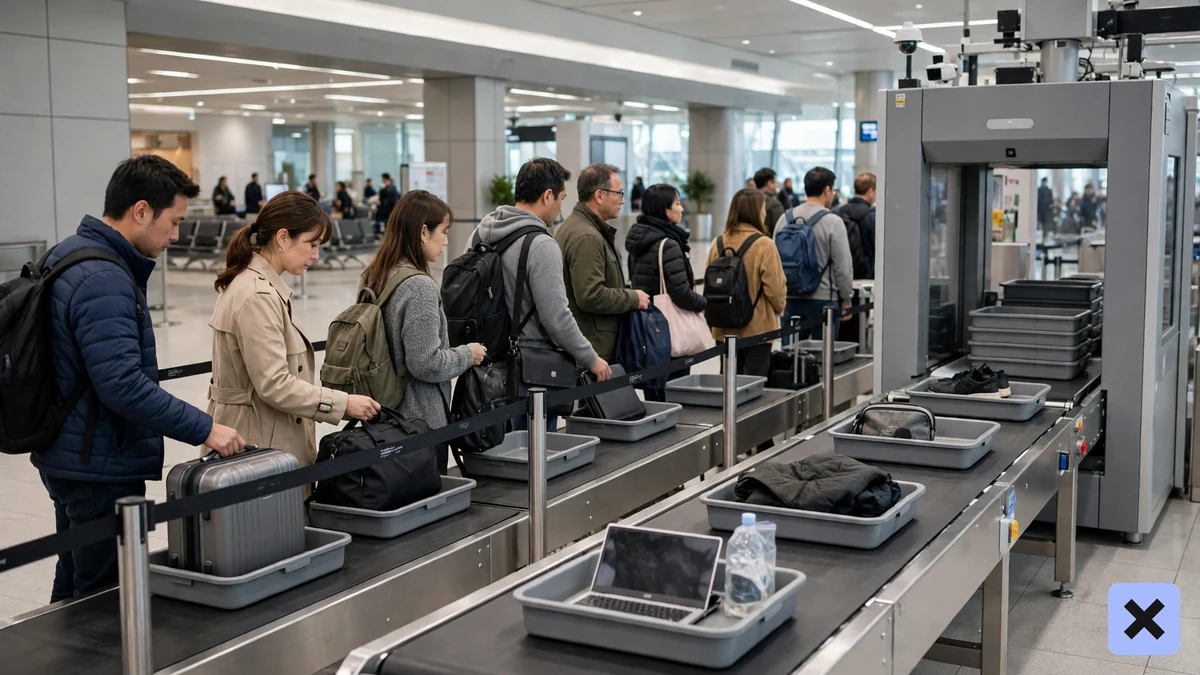
Airport security is built for the worst case, not the average day. Every rule exists because something went wrong somewhere in the past, and every check is designed to catch the one traveller in ten thousand who is a genuine risk. That is a reasonable goal, but it means the system treats everyone as a suspect first and a customer second.
Volume makes it worse. Airports push thousands of people per hour through a handful of lanes, and if each traveller takes thirty seconds longer than expected, the queue grows by dozens within minutes. Add stressed travellers and officers repeating the same instructions all day, and even a routine check can feel like a confrontation. It is no surprise that so many of the worst airport experiences travellers keep warning about begin at the security checkpoint rather than on the plane.
The Worst Airport Security Experiences Travellers Report
The stories below come up again and again in traveller forums and reviews.
1. The Queue That Swallows Your Flight
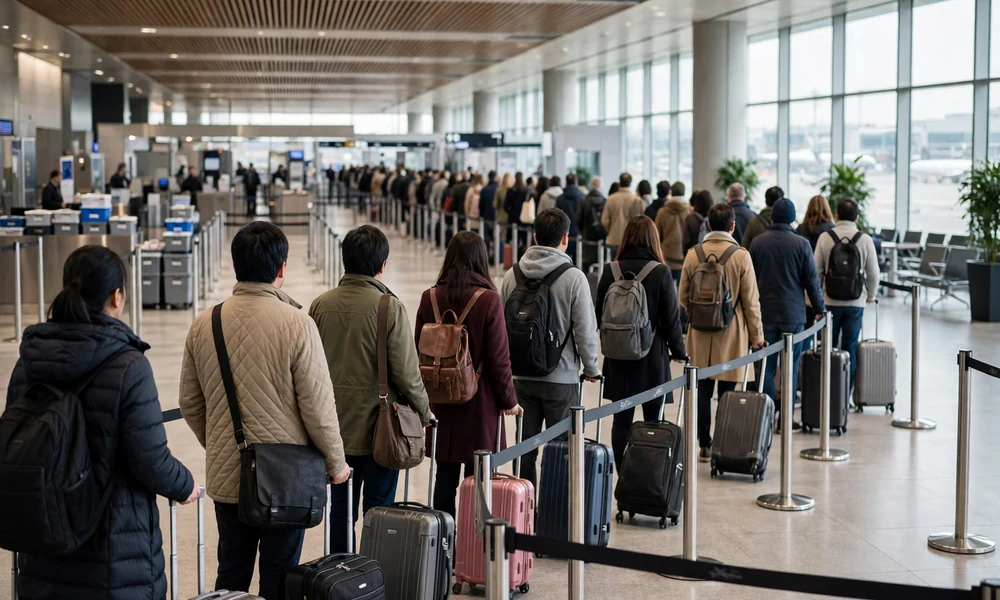
The classic nightmare is the queue that never seems to move. You arrive two hours early and join a line that snakes around the terminal. Forty minutes later you have advanced twenty metres. The departure board flips to final call while you are still waiting to reach the trays, and by the time you clear security, your flight has left without you.
Long queues usually have a simple cause: too many flights departing at once, too few lanes open, or a rush of holiday travellers who have never flown before. For early morning and holiday flights, arrive earlier than you think you need to.
2. The Random Secondary Screening
You have done everything right. Your liquids are bagged, your laptop is out, your shoes are off. Then an officer taps your shoulder and asks you to step aside for additional screening. Your bags are opened and your electronics swabbed while everyone you were queuing with walks past to their gates.
Random screening is exactly what it sounds like: a share of travellers are selected by chance, or by a pattern the system flags, and there is nothing you did to cause it. Stay calm, answer directly, and remember that cooperation ends the process faster.
3. The Bag Search That Unpacks Your Whole Life
Your bag goes into the scanner and does not come out. Instead, an officer carries it to a table, pulls on gloves, and removes your belongings one by one in front of a queue of strangers. Out comes your underwear, your medication, and the gift you bought for someone, all laid out, examined, and repacked in a hurry.
Bag searches are usually triggered by something dense or unclear on the X-ray image: a tangle of cables, a jar of something thick, or a souvenir with an unusual shape. Packing neatly is the best protection. Keep cables in a pouch, put dense items where they are easy to reach, and avoid burying small electronics at the bottom.
4. The Liquids Rule Trap
The liquids rule is the most famous security rule in the world, and still it catches people out every single day. A bottle of water bought after check-in, a full-size bottle of perfume, a jar of jam from a market stall: all of them are over the limit, and all of them end up in the bin.
What makes it so frustrating is how close the margins are. A bottle only slightly over the limit is treated exactly the same as one far over it, and a half-empty bottle still counts by its size, not by how much is left inside. Decant everything into containers of 100 millilitres or less, keep them in a single clear resealable bag at the top of your carry-on, and buy drinks after security, not before.

5. The Item You Lose at the Tray
Security trays are where belongings go missing. You put your phone, wallet, watch, belt, and laptop into three grey bins and walk through the body scanner yourself. On the other side, the bins arrive at different times, other travellers are reaching across you, and something small has simply vanished: a watch, a pair of earbuds, or a passport left in a tray.
The tray system forces you to separate from your valuables at exactly the moment you are most distracted. Keep valuables together inside your bag or jacket pocket, and count your items before you walk away from the belt.
6. The Pat-Down That Goes Too Far
For many travellers, the worst security experience is the pat-down. It usually follows a body scanner alarm, and it involves an officer running gloved hands over your clothing in a public area. Travellers describe feeling exposed and embarrassed, especially when it happens in front of other passengers, or when nobody explains what is happening or why.
Scanner alarms are often triggered by harmless things: a thick waistband, a fold of fabric, a medical device, or even sweat. You have rights during a pat-down: you can ask for a private screening, for an officer of the same gender, and for the procedure to be explained before it begins.
7. The System Outage That Freezes Everything
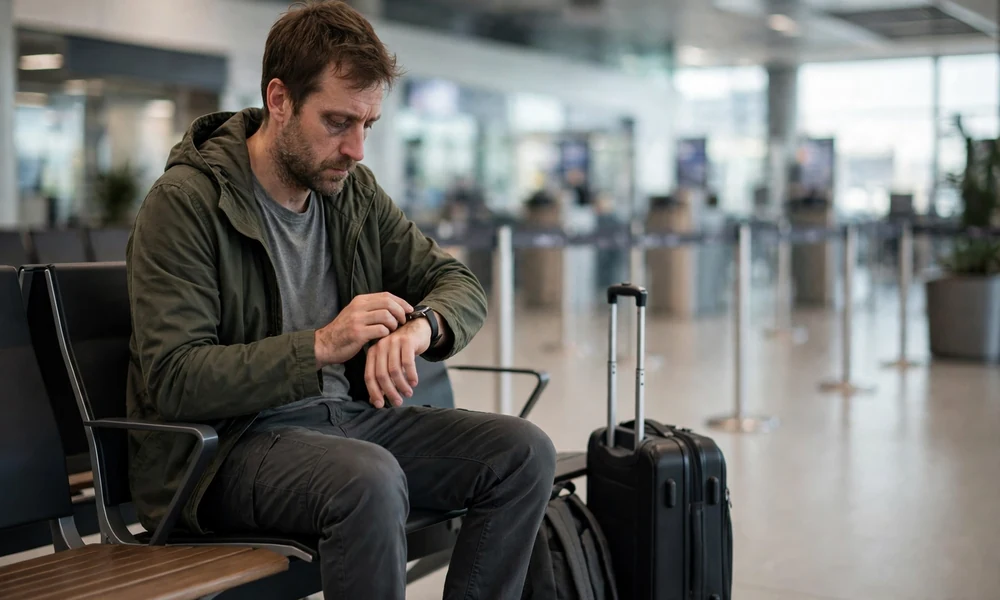
Sometimes nobody is at fault and everything still goes wrong. A scanner breaks down, the computer system crashes, or a power fault takes out half the lanes. The queue stops moving entirely, staff can give no estimate, and hundreds of travellers stand in silence watching the departure boards tick down.
Outages are rare, but when they happen they are the worst security experience of all, because they are completely outside your control. Keep your phone charged and your airline app open, so you can rebook the moment a delay is announced.
The Worst Security Experiences Compared
Some cost you time, some cost you money, and some cost you a flight. This comparison shows how the most common problems stack up.
| Experience | How Common | Main Cost | Easy to Avoid? |
|---|---|---|---|
| Long queue | Very common | Time, missed flight | Yes, arrive early |
| Random secondary screening | Common | Time, stress | No, it is random |
| Public bag search | Common | Embarrassment, delay | Mostly, pack neatly |
| Liquids confiscation | Very common | Money, lost items | Yes, follow the rule |
| Lost item at the tray | Occasional | Money, stress | Yes, keep valuables together |
| Intrusive pat-down | Occasional | Distress | Partly, ask for privacy |
| System outage | Rare | Missed flight, chaos | No, beyond your control |
The most frequent problems are also the most avoidable: long queues and liquids confiscations are largely solved by arriving early and packing properly.
What Makes Some Airports Worse Than Others
Not all airports are equal at security. Some are famous for smooth, ten-minute passages, while others are notorious for hour-long ordeals. The difference usually comes down to how many lanes are open at peak times, how modern the scanners are, and how many inexperienced travellers pass through.
The same airport can be calm at midday and chaotic at six in the morning, so a mid-morning or early-afternoon flight often means a shorter, calmer security experience. When a security delay makes you miss a connection, the fallout can turn into one of the worst layover experiences a traveller can have, so the time you save by arriving early is time well spent.
How to Get Through Security With Less Stress
You cannot control the queue or the scanners, but you can control how ready you are.
- Arrive early, and earlier still for holiday and early-morning flights, when queues are at their longest.
- Pack your liquids bag and laptop at the top of your carry-on so you can reach them without unpacking.
- Wear slip-on shoes and keep belts, watches, and jewellery in your bag before you reach the trays.
- Keep your passport and boarding pass in the same easy pocket every time, so you never have to search for them.
- Put small valuables inside your bag or jacket rather than loose in a tray, and count your items before leaving the belt.
- Stay calm and polite with staff, even when the queue is slow, because cooperation always ends the process faster than arguing.
Frequently Asked Questions
How early should I arrive for airport security?
For domestic flights, arrive at least two hours before departure. For international flights, allow three hours. Add an extra hour at holiday and early-morning peaks.
Can I refuse a pat-down at airport security?
You can ask for a private screening, an officer of the same gender, and for the procedure to be explained first. You cannot refuse screening entirely and still board your flight.
Why was I chosen for random secondary screening?
Random screening is designed to be unpredictable, so there is usually no specific reason. It can also be triggered by something unclear on the scanner, like dense food or tangled cables. It does not mean you did anything wrong.
What happens if security makes me miss my flight?
Go straight to your airline’s desk or rebook through the airline app. When the delay is caused by the airport, airlines are often flexible, but this is not guaranteed.
Can I get a confiscated item back?
Almost never. Confiscated liquids and prohibited items are disposed of immediately for safety reasons, and airports do not return them. If an item is valuable, ask whether it can be checked in instead, but only before you hand it over.
Do passport photo problems cause trouble at security?
Yes. A damaged passport or a photo that no longer looks like you can lead to extra questions and delays at document checks. Some of the worst passport photo mistakes travellers make, like using an old photo or a damaged document, turn a routine check into a long and stressful one.
The Bottom Line
The worst airport security experiences happen when preparation meets bad luck. You cannot stop a random screening or an outage, but you can stop a queue becoming a missed flight or a tray swallowing your watch. Arrive early, pack neatly, keep your valuables together, and stay calm. Security will never be the best part of a trip, but with a little planning, it does not have to be the worst.