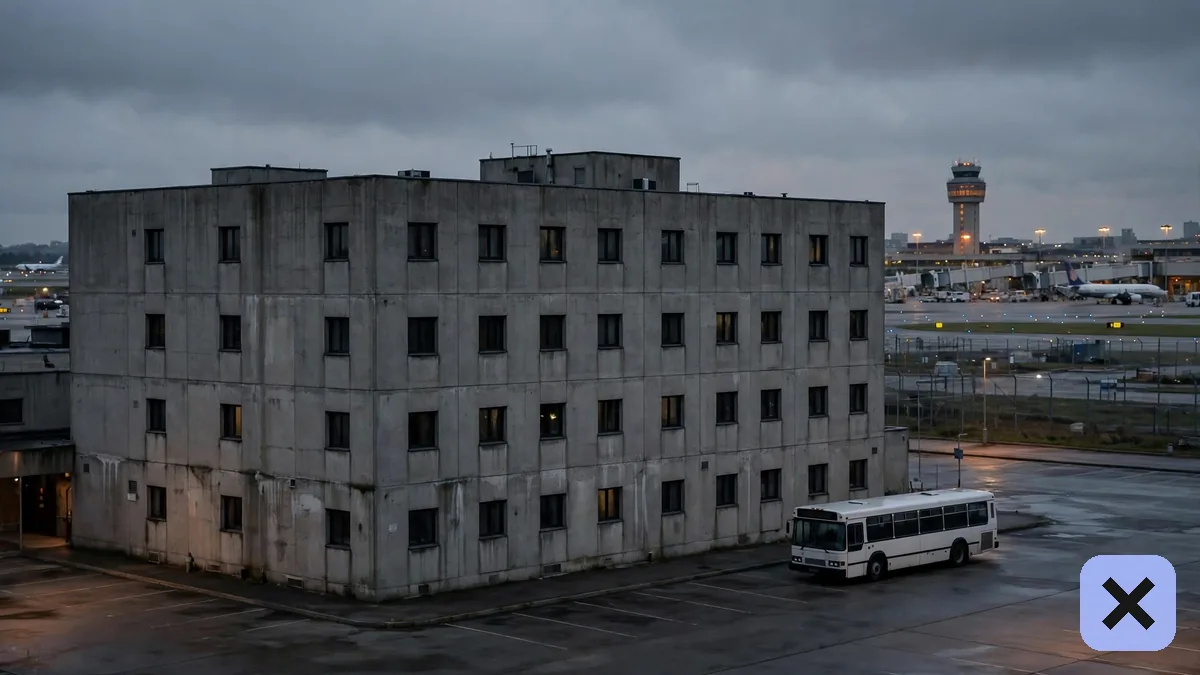
An airport hotel should be the easiest stay in travel. You land late, you sleep, you leave early. The room only needs a decent bed and a quiet few hours. Yet the worst airport hotels fail at exactly that simple job, leaving travellers exhausted before their next flight boards.
The problem is not one bad night. It is a pattern. Rooms face the runway, walls carry every sound from the corridor, breakfast ends before most guests wake, and the shuttle that was promised every twenty minutes appears whenever it feels like it. Guests pay a premium for convenience and receive discomfort in return.
This guide covers what makes the worst airport hotels so bad, the warning signs to check before booking, the hidden costs, and the better options for an overnight layover.
Key takeaways
- The worst airport hotels charge city-centre prices for rooms that are smaller, noisier and more worn than an ordinary budget hotel.
- Runway noise, thin walls and 24-hour corridors make real sleep difficult, even in rooms sold as soundproofed.
- Shuttles, parking, breakfast and Wi-Fi often carry extra charges buried in the fine print at booking.
- Check recent reviews for noise, cleanliness and shuttle reliability, and read the cancellation terms carefully.
- For many layovers, a lounge, a terminal day room or a hotel one stop away is a better choice.
Why Airport Hotels Disappoint So Often
Airport hotels sit in a strange market. Most guests stay for a single night, arrive tired and leave before dawn, and never return. That removes the usual pressure to earn repeat business. A city hotel lives or dies by returning guests, while an airport hotel can fill its rooms with fresh travellers every night, no matter how bad the last reviews were.
Location does the selling. When a flight lands at midnight or leaves at six in the morning, proximity beats quality in most booking decisions. Travellers filter by distance to the terminal, see a familiar brand name, and assume the basics are covered. The worst airport hotels rely on that assumption, knowing a guest who needs six hours of sleep is unlikely to complain at 3 a.m.
The result is a quiet race to the bottom: rooms furnished to survive turnover rather than to feel comfortable, thin carpets, hard mattresses, and lean overnight staffing, precisely when guests need help most.
The Noise Never Really Stops
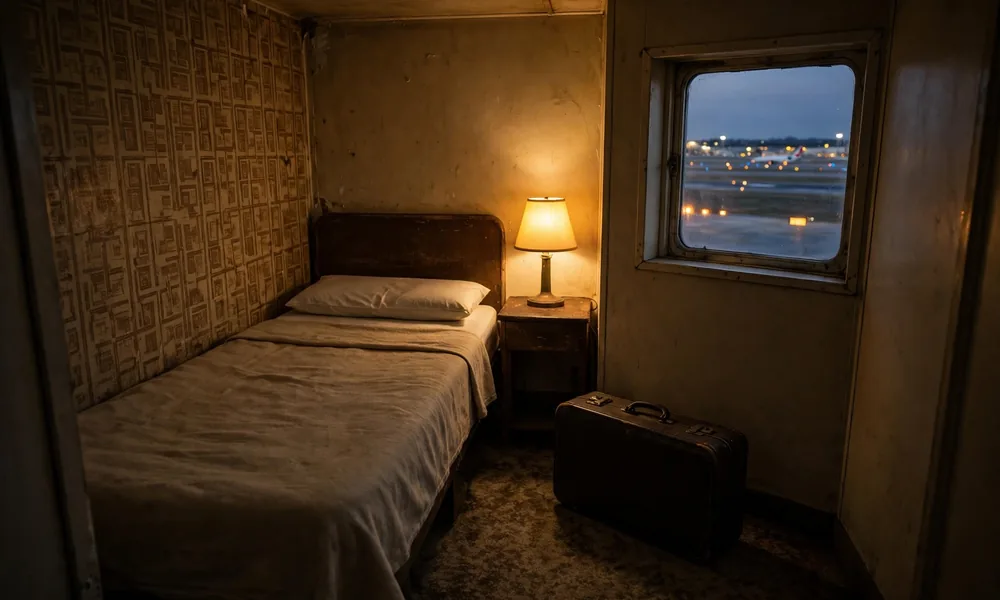
Noise is the most common complaint about the worst airport hotels, and it comes from every direction. Aircraft take off and land through the night, service vehicles reverse outside the window, and the corridor fills with rolling suitcases from 4 a.m. A room that looks peaceful in a booking photo can feel like a waiting room with a bed.
Aircraft Noise Through the Night
Many airport hotels call their rooms soundproofed, but the claim rarely survives a real night. Double glazing helps with distant engine hum, yet it does little against low-frequency vibration, and older buildings have gaps that let sound straight through.
The honest test is the room’s position. Rooms facing the runway or the service road are always louder than rooms facing away from the airfield, yet hotels rarely let guests choose. If a hotel cannot say which side your room is on, assume the worst. A good hotel invests in insulation and offers quiet rooms on request. A bad one sells the same noisy room to everyone and blames the airport.
Thin Walls and Busy Corridors
Even without aircraft, the worst airport hotels are loud inside. Thin walls carry conversations, televisions and plumbing from next door, doors slam, and housekeeping trolleys rattle past at dawn.
This is where the stay starts to resemble the worst airport experiences travellers keep warning about, where every stage of the journey wears you down before you reach your destination. A hotel should be the one place where the noise stops. When it does not, the guest arrives at the gate more tired than if they had stayed in the terminal.
Rooms That Feel Smaller Than the Photos
Airport hotel rooms are often compact, which is understandable for a short stay. The problem begins when compact becomes cramped. The worst examples squeeze a double bed, a desk and a suitcase into a space where opening a case blocks the bathroom door. Two travellers with luggage have nowhere to put anything, and the room feels like a storage cupboard with a mattress.
Photography makes it worse. Wide-angle lenses stretch a small room into something that looks generous, and booking sites rarely show the view from the door. Guests arrive expecting the photo and find a bed that nearly touches both walls. Honest hotels publish real room sizes in square metres. The worst hide the number and hope nobody measures.
Fixtures tell the same story: tired mattresses, stained carpets, flickering lights and bathrooms with weak showers. These are not cosmetic issues when you have six hours to recover before a long flight.
The Hidden Costs Add Up
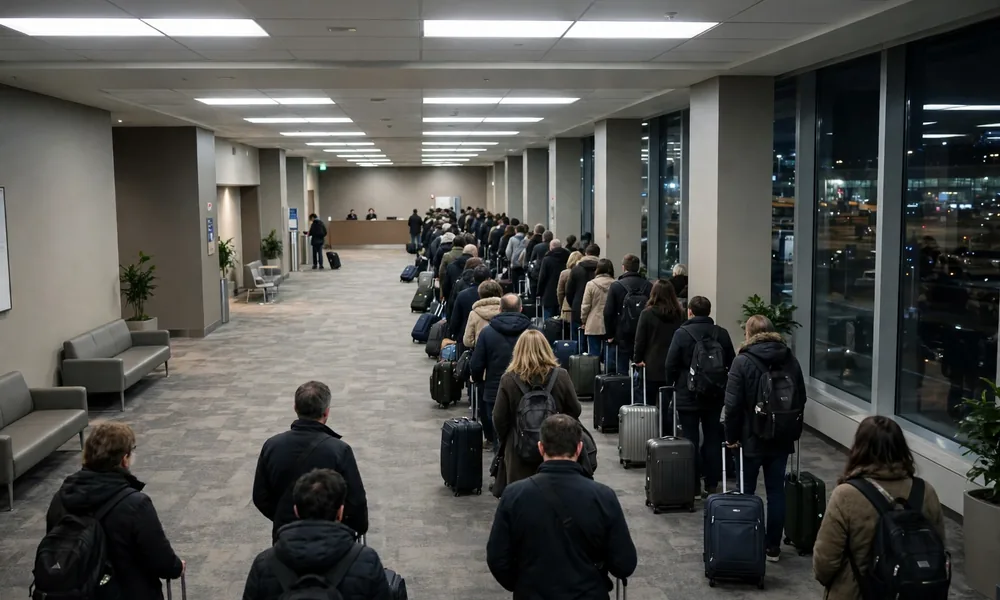
The headline rate of a bad airport hotel is rarely the final price. Shuttle transfers, parking, breakfast and Wi-Fi can all carry separate charges that only appear at checkout. A room that looked like a bargain can end up costing more than a better hotel further away, which defeats the reason for choosing it.
| Extra charge | Typical cost | How to avoid it |
|---|---|---|
| Airport shuttle | £5–£15 per person | Confirm it is free before booking |
| Overnight parking | £10–£25 per night | Compare with airport car parks |
| Breakfast | £10–£20 per person | Check whether it is included |
| Wi-Fi | £5–£10 per day | Ask if basic Wi-Fi is free |
| Early check-in | £20–£40 | Book a day room instead |
| Tourist tax | £2–£5 per person | Budget for it in advance |
Breakfast deserves a special mention. Many airport hotels serve it for a short window, and guests with a 6 a.m. flight often find the restaurant closed or the buffet cleared. Paying for a meal you cannot eat is a familiar frustration, and a reason the worst hotel breakfasts earn so many complaints.
Food and Service at Their Weakest
Dining is usually an afterthought at the worst airport hotels. The restaurant serves a small menu at inflated prices, and room service is either unavailable overnight or limited to a few cold items. Guests arriving late often find the kitchen closed and the only option is a vending machine or a walk back to the terminal in the dark.
Service follows the same pattern. Reception is thinly staffed overnight, and the person on duty may also handle the shuttle phone, the bar and the luggage room. Simple requests, such as an extra towel or a wake-up call, can take far too long. At an airport hotel, the whole point is that everything works smoothly around the clock.
Cleanliness is where bad airport hotels fail most visibly. Dust on the headboard, hair in the bathroom and stained bedding are regular complaints, and when a hotel cannot manage clean and quiet, little else recovers.
The Shuttle Trap
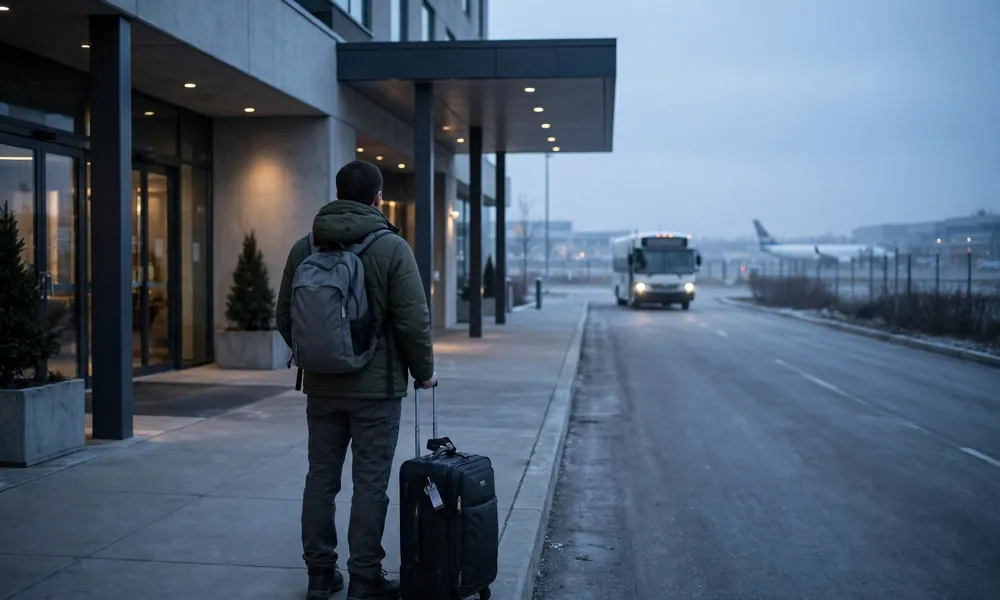
The free shuttle is the promise that sells most airport hotels, and the promise most often broken. Timetables say every twenty minutes, but guests report waiting forty-five minutes or more in the rain, watching full buses drive past. At 4 a.m., with a flight to catch, a missing shuttle is not an inconvenience. It is a missed flight.
Some hotels run a single small bus for a large property, so the first guests fill it and the rest wait for the next loop. Others share a shuttle between several hotels, turning a five-minute drive into a twenty-minute tour. A few charge for the shuttle despite advertising it as included, or stop running it before the first departures of the day.
Before booking, check recent reviews that mention the shuttle, and look for operating hours rather than the marketing claim. If the hotel cannot give a clear timetable, or the shuttle stops before 5 a.m., treat that as a serious warning sign.
How to Spot a Bad Airport Hotel Before You Book
A few minutes of checking can save a bad night. The signs are usually visible in reviews and in the booking details, if you know where to look. Use this checklist every time you book near an airport.
- Read the newest reviews first: sort by most recent and search for noise, shuttle, dirty and breakfast.
- Check the room size: look for the square metre figure, and be wary of hotels that hide it.
- Confirm the shuttle details: check the timetable, hours and price, and allow extra time for the first bus.
- Add up the extras: include parking, breakfast, Wi-Fi and taxes before comparing prices.
- Read the cancellation terms: airport plans change fast, so free cancellation is worth more than a small discount.
- Ask for a quiet room: request one away from the runway, lift and main road, and confirm it in writing.
Better Alternatives for an Overnight Layover
Staying near the airport is not always the best answer. For a layover under six hours, sleeping in the terminal or booking a lounge with recliners can be more restful than a noisy hotel room, and it removes the shuttle risk entirely. Many large airports now offer sleep pods or day rooms inside the terminal.
For a longer overnight stop, consider a hotel one or two stops away on public transport. The room is often larger, quieter and cheaper, and the train or metro is usually more reliable than a hotel shuttle.
Families should weigh the options carefully, since two rooms at a poor airport hotel can cost more than a comfortable apartment or family room elsewhere. Comparing Airbnb vs hotels for family trips is a useful starting point, because extra space, a kitchen and quiet often matter more than being five minutes from the terminal.
Frequently Asked Questions
Are airport hotels always noisy?
Not always. Well-built hotels with proper insulation and rooms facing away from the runway can be quiet, while older properties let in aircraft noise and corridor sounds.
Why are airport hotels so expensive for one night?
They charge for location rather than quality. Guests book because the hotel is close to the terminal, and demand around early flights keeps prices up, before parking, breakfast and shuttle charges are added.
Is the airport shuttle really free?
Sometimes. Some hotels advertise a free shuttle, then charge per person, limit it to certain hours, or share one bus between properties. Confirm the timetable, hours and price in writing first.
What is the best alternative to an airport hotel?
For a short layover, a lounge, sleep pod or day room inside the terminal is often best. For a full night, a hotel one or two stops away on public transport is usually quieter, larger and cheaper.
How can I get a quiet room at an airport hotel?
Ask for a room on a high floor, away from the runway, lift and main road, and put the request in writing. Bring earplugs and a white noise app as backup.
Should I book an airport hotel or stay in the city?
It depends on your flight time. For a departure before 7 a.m. or an arrival after midnight, an airport hotel can be worth it if the reviews are good. For later departures, a city hotel usually offers a better night’s sleep.
The Bottom Line
The worst airport hotels sell convenience and deliver discomfort: noisy rooms, cramped spaces, hidden charges and shuttles that cannot be trusted. A few minutes of checking reviews, room sizes and shuttle times is usually enough to spot them, and a quiet hotel a short train ride away beats a noisy room beside the runway.